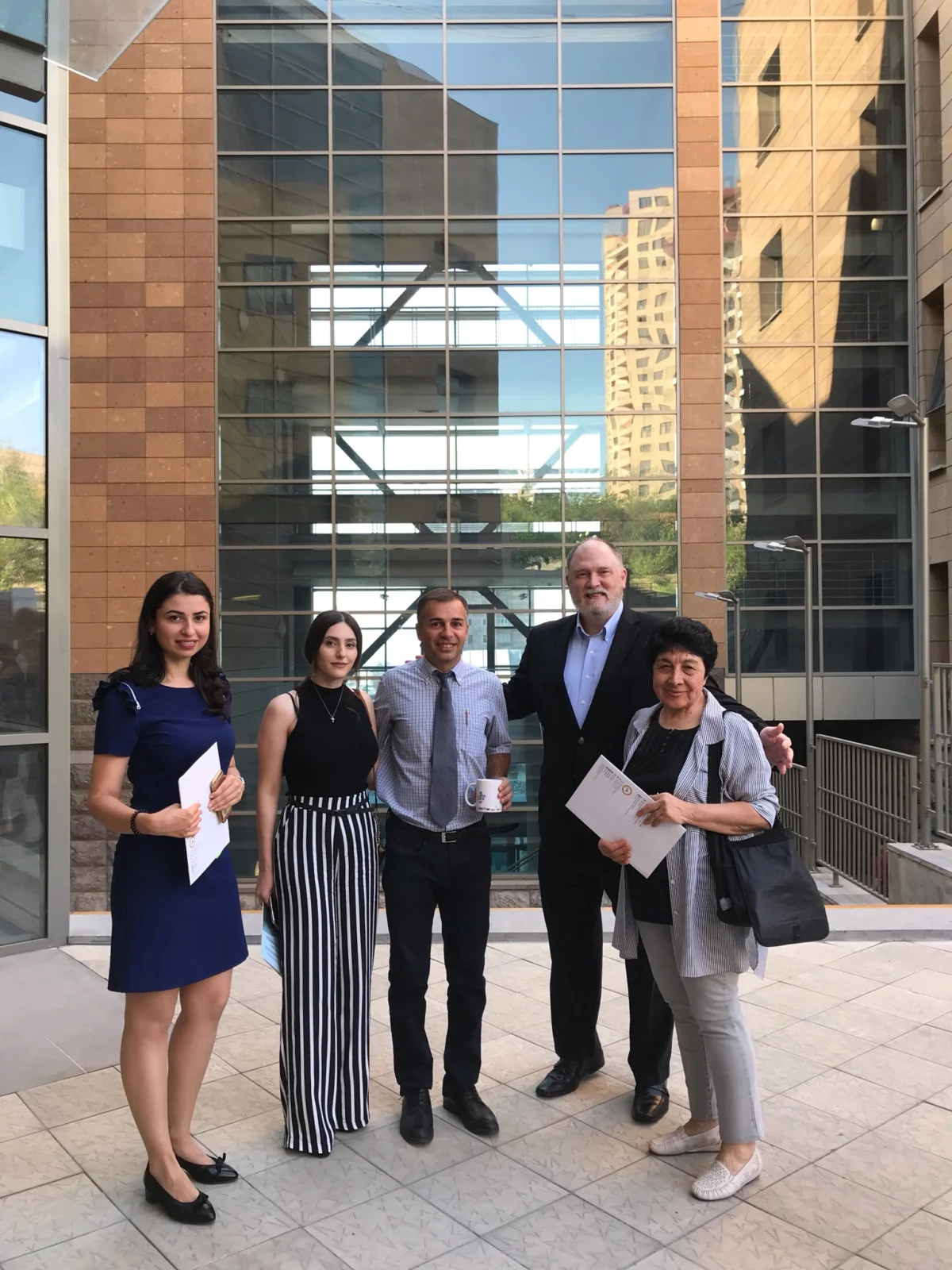
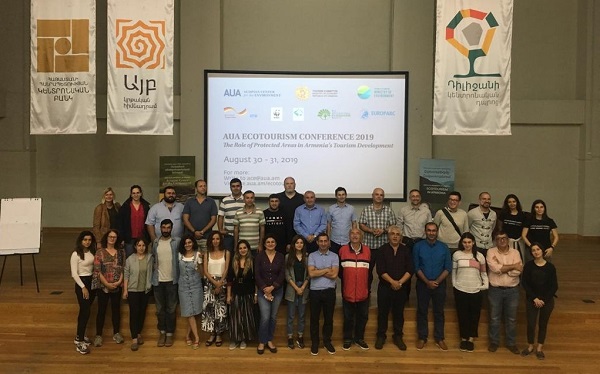
The global landscape of tourism is undergoing a paradigm shift. As travelers increasingly prioritize sustainability and environmental stewardship, nations are re-evaluating the role of protected areas not merely as conservation sites, but as vital engines for regional economic growth. This evolution was the central theme of the fourth annual AUA Ecotourism Conference, held on August 30-31, which brought together international experts, policymakers, and industry leaders to chart a sustainable path forward for Armenia’s natural heritage.
Organized by the AUA Acopian Center for the Environment in partnership with the Tourism Committee of the Ministry of Economy of the Republic of Armenia (RA), the RA Ministry of Environment, WWF Armenia, the Transboundary Joint Secretariat (funded by the KfW German state-owned development bank), and The International Ecotourism Society (TIES), the event served as a critical platform for cross-sectoral dialogue.
Main Facts and the Strategic Vision
The conference focused on a fundamental question: How can protected areas serve as the bedrock of a robust, sustainable tourism economy? The event’s core objective was to bridge the gap between environmental conservation and economic development, ensuring that nature protection provides tangible benefits to local communities.
Key participants included a diverse cohort of stakeholders, ranging from tour operators and environmental policymakers to protected area managers. The discourse was elevated by insights from global authorities, including representatives from The International Ecotourism Society, the EUROPARC Federation, and the International Union for Conservation of Nature (IUCN). Together, they emphasized that the future of Armenian tourism lies in high-value, low-impact experiences that honor the nation’s unique biodiversity.
Chronology of the Event
The two-day conference was structured to balance theoretical frameworks with practical, on-the-ground reality:
- Day One: Global Perspectives and Economic Analysis. The opening sessions centered on the global rise of ecotourism. International speakers presented data illustrating how protected areas—when managed correctly—generate significant returns on investment. The day concluded with panel discussions focusing on identifying current gaps in Armenia’s tourism infrastructure.
- Day Two: Standards, Networks, and Field Application. The second day shifted focus toward the governance of sustainable tourism. Experts from the EUROPARC Federation introduced the European Charter for Sustainable Tourism in Protected Areas as a potential roadmap for Armenian parks.
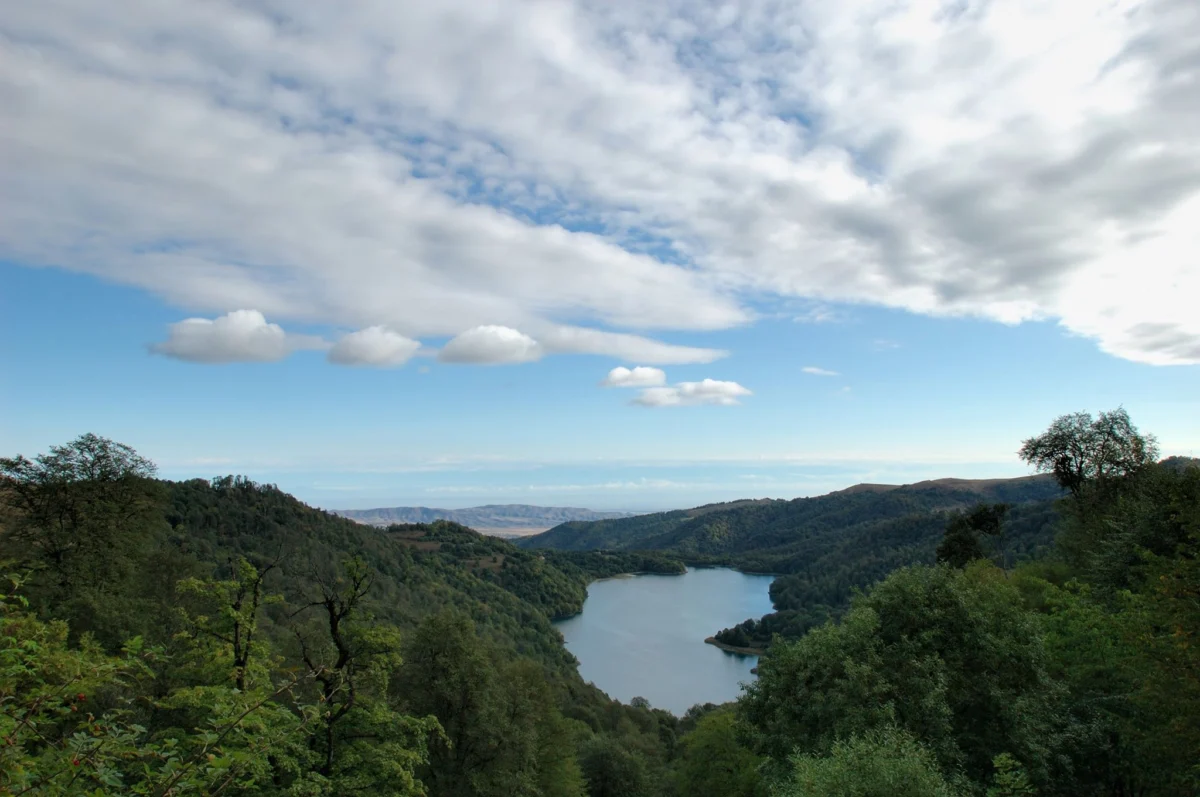
- Field Engagement: Following the formal sessions, participants traveled to Dilijan. This site visit provided a firsthand look at the Dilijan Tourism Information Center, the National Park’s visitor facilities, and the Caucasian Red Deer Reintroduction Center. These visits allowed delegates to assess the effectiveness of existing infrastructure and identify areas for future improvement.
Supporting Data: The Multiplier Effect of Nature
A significant portion of the conference was dedicated to debunking the myth that protected areas are purely financial burdens. Dr. Thiago Souza, representing the IUCN Commission on Protected Areas’ Tourism Specialists Group, presented a compelling economic argument for increased investment.
"Politically, the value of investing in protected areas is often lost because we typically don’t make an adequate economic analysis," Dr. Souza noted. He explained that many government officials fall into the trap of simple accounting, comparing only the operating budget of a park against the revenue collected from entrance fees. Under this narrow lens, parks often appear to be "loss-making" entities.
However, when analysts apply a broader economic model—incorporating visitor spending, tax revenue, and the "multiplier effect" of tourism—the data shifts dramatically. Dr. Souza cited findings from Brazil, where for every dollar invested in protected areas, the national economy gains approximately $15. Similarly, in Europe, research indicates that for every euro spent on protected area infrastructure, there is a return of 7 to 10 euros in GDP activity.
This is supported by a 2015 study by Balmford et al., which estimated that there are 8 billion visits to protected areas worldwide annually, generating a staggering US $600 billion in direct in-country expenditures. The takeaway for policymakers is clear: nature is a capital asset, and underfunding it is an act of economic self-sabotage.
The Global Ecotourism Boom
Jon Bruno, Executive Director of The International Ecotourism Society, contextualized these figures within the broader global tourism market. According to Bruno, the rapid rise of ecotourism is unprecedented in modern economic history.
"Over 90 nations now have an ecotourism or sustainable tourism initiative at a national or regional level," Bruno stated. "This has happened in the last 30 years; there is no other form of tourism or industry that has become so fundamental to the global economy so quickly."
The growth is driven by a fundamental change in consumer behavior. Modern travelers are more informed, more sensitive to their environmental footprint, and more willing to pay a premium for sustainable experiences. Notably, 70% of travelers under the age of 30 now cite sustainability as a primary priority when selecting a destination. For a nation like Armenia, which possesses significant, relatively untapped natural assets, this represents a massive opportunity to capture a lucrative and loyal market segment.
Governance: The EUROPARC Framework
While potential is high, the conference underscored the necessity of rigorous standards. Carol Richie and Paulo Castro of the EUROPARC Federation highlighted that "poorly managed tourism" can be a destructive force, leading to the erosion of local culture, societal tensions, and irreparable damage to fragile ecosystems.
To mitigate these risks, the EUROPARC Federation promotes the European Charter for Sustainable Tourism in Protected Areas. This accreditation is not merely a label; it is a long-term commitment. As Mr. Castro explained, the process requires protected area managers to act as catalysts for local cooperation.
"You have to be patient and committed to a long-term, multi-stakeholder process," Castro noted. "The applicant must create a permanent forum for participation. They must demonstrate coordination between environmental agencies and tourism businesses, and prove that they are developing products that truly utilize local resources." By joining such networks, Armenia’s protected areas would gain access to international best practices, professional peer support, and a higher level of global visibility.
Official Responses and Strategic Implications
The Ministry of the Environment has declared the conference a success, marking it as a turning point for Armenia’s sustainable development strategy. The event facilitated six distinct panel discussions involving government officials, researchers, and NGOs, which collectively identified both the key advantages of Armenia’s current landscape and the structural gaps that must be addressed.
Implications for the Future:
- Policy Reform: The government is currently evaluating strategies to shift from a "conservation-only" model to a "conservation-for-development" model, where protected areas are managed as active, revenue-generating, and community-benefiting hubs.
- Infrastructure Upgrades: The success of the Dilijan site visits highlighted the need for more sophisticated visitor centers and better connectivity between national parks and regional hospitality businesses.
- Community Engagement: A major takeaway was the necessity of ensuring that local communities are the primary beneficiaries of ecotourism. If local residents do not see the economic value of their natural surroundings, the long-term sustainability of the area remains at risk.
- International Integration: The potential for Armenia to join international networks like the EUROPARC Federation remains a high-priority goal, as it would signal to the world that Armenia is committed to global standards of environmental management.
The 4th AUA Ecotourism Conference has laid the groundwork for a more resilient and profitable tourism sector in Armenia. By marrying the fiscal logic of economic analysts with the conservationist spirit of global experts, Armenia is well-positioned to turn its protected areas into pillars of the national economy. As the global demand for sustainable travel continues to surge, the steps taken today in the halls of this conference will determine the legacy of Armenia’s natural beauty for generations to come.