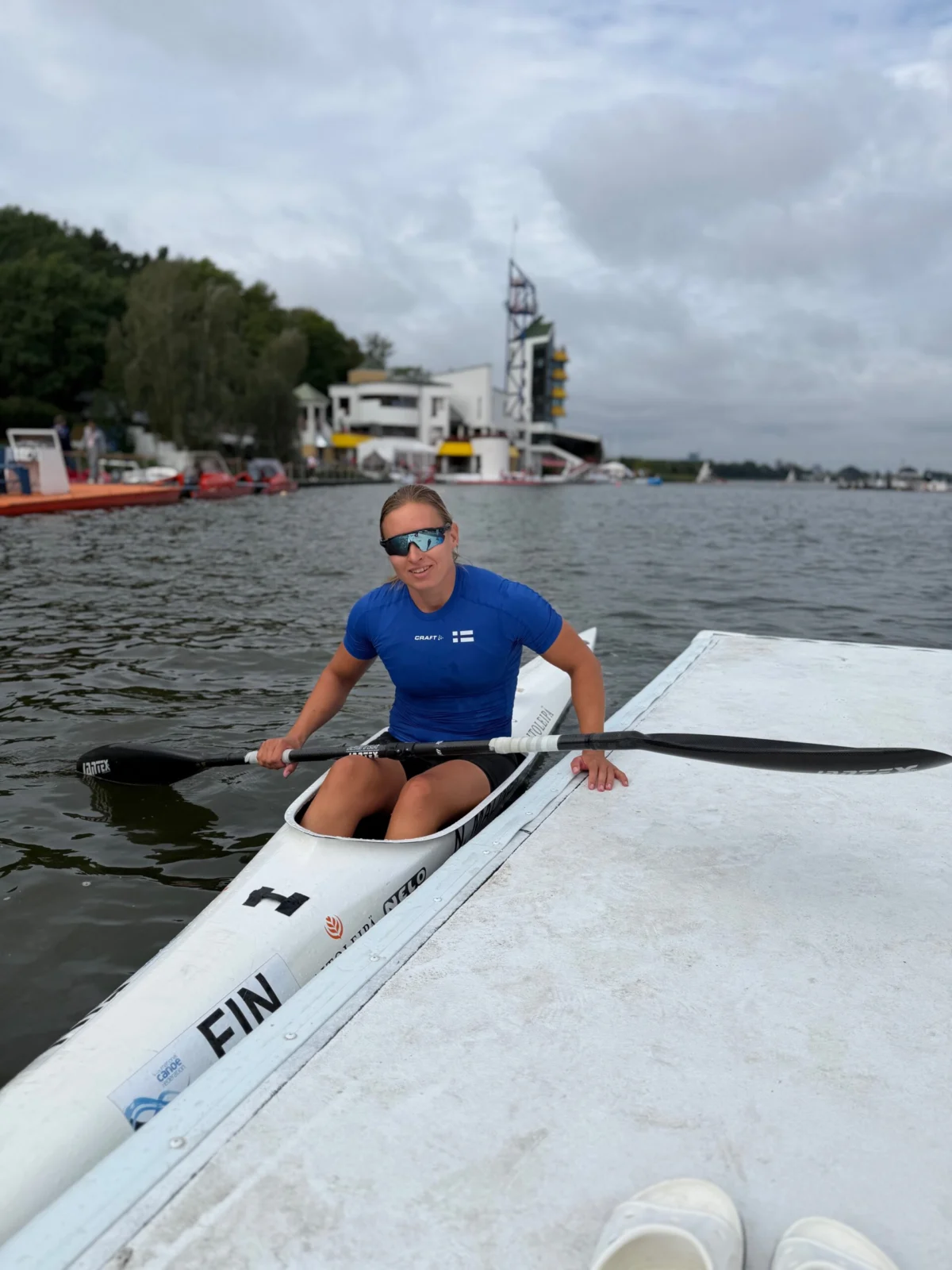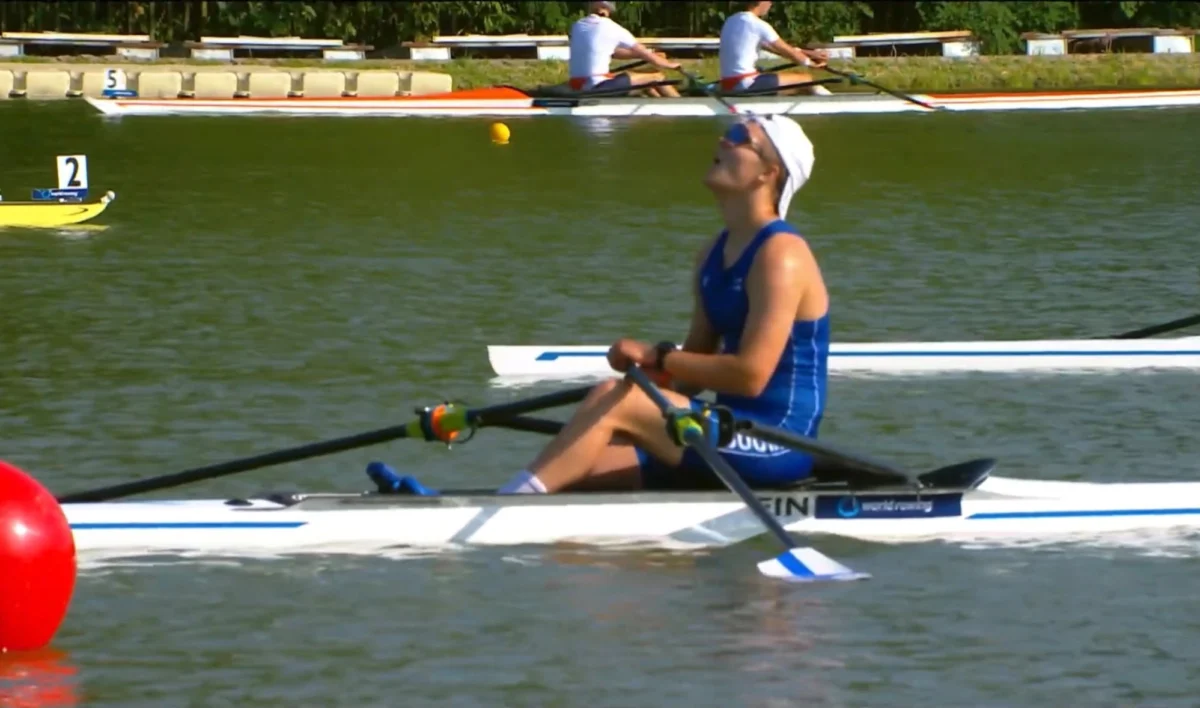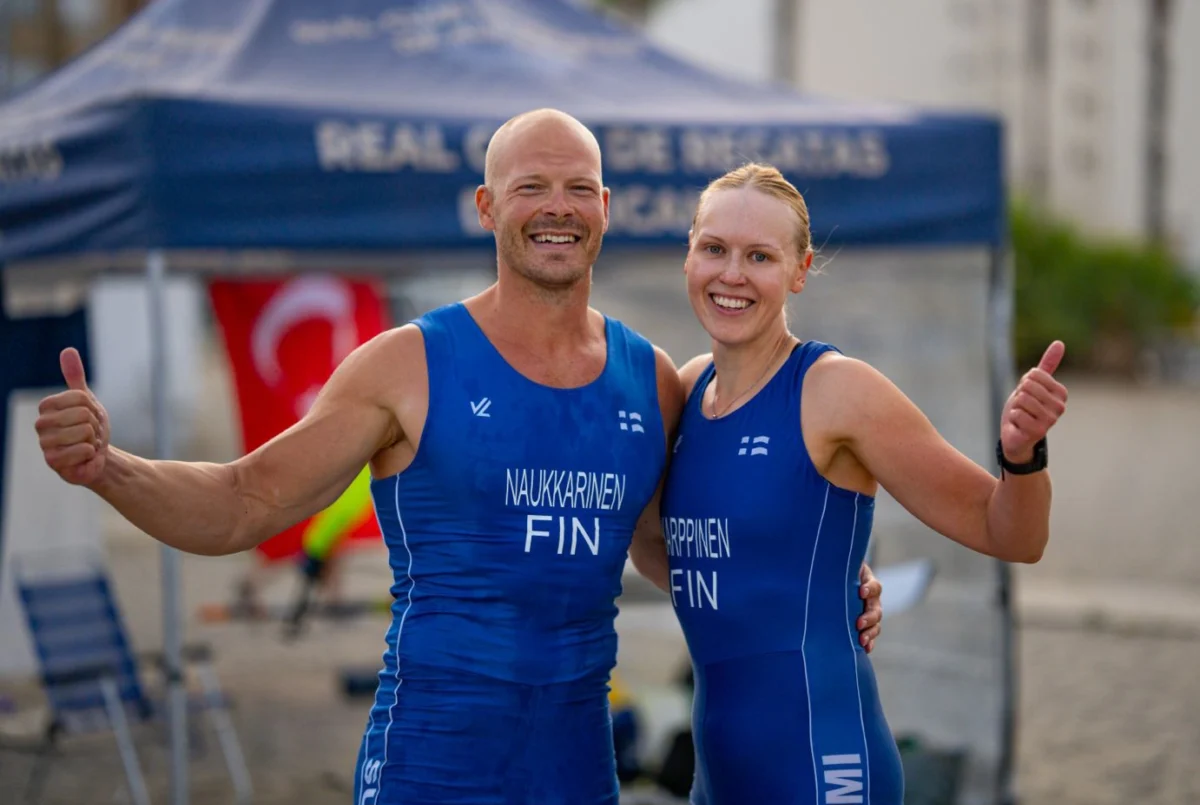
La Línea, Spain – October 25, 2026 – Finnish coastal rowing made an emphatic statement on the international stage this Friday, securing a remarkable two medals at the European Coastal Rowing Endurance Championships in La Línea, Spain. Joel Naukkarinen showcased unparalleled dominance, successfully defending his European Championship title in the Men’s Solo (CM1x) event, a feat he first achieved last year. Not to be outdone, Eeva Karppinen delivered a stellar performance in the Women’s Solo (CW1x), rowing her way to a well-deserved bronze medal, marking a significant milestone for Finnish women’s coastal rowing.
This double triumph, following an earlier silver medal performance by Naukkarinen in the beach sprint, underscores Finland’s growing prowess in a sport that is rapidly gaining global recognition and is set to make its Olympic debut. The Finnish delegation’s collective achievements at these championships in Andalusia signal a promising future for the sport in the Nordic nation, particularly as athletes set their sights on the Los Angeles 2028 Olympic Games.
The Double Triumph in La Línea
The sun-drenched waters off La Línea served as the challenging backdrop for Friday’s endurance races, where Finnish athletes navigated the unpredictable conditions with skill and determination. The atmosphere was charged with anticipation as rowers from across Europe battled for supremacy over the demanding six-kilometre course.
Joel Naukkarinen, a name synonymous with Finnish coastal rowing excellence, once again proved his mettle in the men’s solo event. His victory was not just a win but a powerful reaffirmation of his status as Europe’s premier coastal rower. The methodical precision and raw power he displayed throughout the race were a testament to his meticulous preparation and deep understanding of the sport. His ability to consistently perform at the highest level, year after year, speaks volumes about his dedication and strategic approach to training and competition.
Eeva Karppinen’s bronze medal in the women’s solo event was equally celebrated. Her performance demonstrated not only immense physical endurance but also acute tactical awareness, as she expertly navigated the course against a field of formidable competitors. This medal represents a significant step forward for Karppinen personally and for the visibility of women’s coastal rowing in Finland, inspiring a new generation of female athletes.
Naukkarinen’s Dominant Repeat Performance
Joel Naukkarinen’s performance in the men’s solo six-kilometre race was nothing short of masterful. He completed the arduous course in an impressive time of 26 minutes and 27.29 seconds, a pace that left his competitors trailing. The battle for gold was intense, but Naukkarinen maintained a decisive lead, ultimately crossing the finish line a clear 7.14 seconds ahead of his closest rival.
The silver medal went to the Netherlands’ Amos Keijser, who clocked in at 26:34.43. Spain’s Salvador Diaz Moreno secured the bronze, finishing with a time of 27:03.18. Naukkarinen’s commanding victory margin against such a high-calibre field highlights his exceptional form and unwavering focus. This repeat gold medal solidifies his position at the pinnacle of European coastal endurance rowing, building upon his success from the previous year. His consistent ability to perform under pressure and adapt to varying conditions is a hallmark of a true champion. The demanding nature of coastal rowing, with its inherent challenges of waves, currents, and strategic buoy navigation, makes such consistent dominance even more remarkable.
Karppinen Secures Historic Bronze
In the equally competitive women’s solo endurance race, Eeva Karppinen demonstrated remarkable resilience and power. She powered through the six-kilometre course to clinch the European bronze medal with a time of 29 minutes and 54.94 seconds. This performance places her firmly among Europe’s elite, showcasing the depth of talent within the Finnish rowing contingent.
The women’s gold medal was claimed by Austria’s Magdalena Lobnig, who delivered an outstanding race to finish in 29:29.33. Ukraine’s Kateryna Dudchenko secured the silver, crossing the line at 29:44.21. Karppinen’s strategic race execution and sustained effort allowed her to maintain her position among the leaders, ultimately earning her a place on the podium. Her achievement is particularly noteworthy as it highlights the growing strength of women’s rowing in Finland and its potential to achieve further international success. This bronze medal is not just a personal victory for Karppinen but a source of immense pride and motivation for the entire Finnish rowing community.
A Week of Medals: The Beach Sprint Precedent
The double medal haul on Friday was, in fact, the culmination of an extraordinary week for Joel Naukkarinen at the La Línea European Championships. Just two days prior, on Thursday, Naukkarinen had already made history by securing a silver medal in the exhilarating beach sprint event. This was a groundbreaking achievement for Finland, marking the nation’s first-ever European Championship medal in the discipline.
The beach sprint, a dynamic and visually captivating format of coastal rowing, involves a short, intense rowing segment followed by a sprint on the beach. Naukkarinen’s ascent in this discipline has been meteoric. In the 2025 European Championships, he placed 12th in the beach sprint. His dramatic improvement to reach the final and claim second place in 2026 underscores his adaptability, explosive power, and strategic development as an athlete. This rapid progression is particularly significant given that beach sprint is slated to be included in the Olympic program for the first time at the Los Angeles 2028 Games. Naukkarinen’s performance in La Línea firmly establishes him as a strong contender on the Olympic stage, making him a focal point of Finland’s Olympic aspirations in rowing.
His success across both disciplines – the short, high-intensity beach sprint and the longer, gruelling endurance race – speaks volumes about his versatility and comprehensive skill set. It demonstrates an athlete who can excel under varied conditions and demands, a rare and valuable attribute in competitive sports.
From Antalya to La Línea: A Trajectory of Excellence
Joel Naukkarinen’s current form is not an isolated phenomenon but rather a continuation of a remarkable trajectory. His defence of the European endurance title from 2025 highlights a sustained period of excellence. Last year, at the European Championships in Antalya, Turkey, Naukkarinen not only claimed gold in the men’s solo endurance but also triumphed in the mixed doubles endurance event, partnering with none other than Eeva Karppinen. This history of shared success underscores the formidable synergy between the two Finnish rowers.
This consistent performance at the highest level is a testament to the athletes’ unwavering commitment, rigorous training regimens, and the strategic support from the Finnish Rowing Federation. Their journey from Antalya to La Línea exemplifies a dedicated pursuit of sporting excellence, driven by a clear vision and an relentless work ethic. The ability to maintain peak physical and mental condition across multiple competitive seasons is a distinguishing characteristic of true champions, and both Naukkarinen and Karppinen have consistently demonstrated this quality.
The Scientist-Athlete: Naukkarinen’s Edge
Adding another layer to his impressive athletic profile, Joel Naukkarinen brings a unique, academic perspective to his sport. "The good streak continues," Naukkarinen commented after his victories. "I have also studied fatigue and endurance from a researcher’s perspective in my doctoral dissertation, and in such a demanding competition series, recovery plays a truly significant role."
This insight offers a glimpse into the strategic mind of an athlete who not only trains rigorously but also applies scientific principles to optimize his performance. His doctoral research, focusing on the intricate mechanisms of fatigue and recovery, provides him with a distinct competitive advantage. In multi-day events like the European Championships, where athletes compete in different disciplines over a short period, effective recovery strategies are paramount. Naukkarinen’s ability to integrate his academic knowledge into his athletic practice allows him to make informed decisions about training load, nutrition, rest, and race strategy, ultimately contributing to his sustained success. He embodies the modern athlete – one who leverages every available tool, including scientific inquiry, to push the boundaries of human performance. This fusion of athletic prowess and intellectual curiosity makes him a compelling figure in the world of sports.
Understanding Coastal Rowing: Endurance vs. Sprint
Coastal rowing, while sharing its fundamental principle with traditional flatwater rowing, is distinguished by its demanding open-water environment and diverse race formats. The European Championships in La Línea showcased the two primary disciplines: coastal endurance and beach sprint.
Coastal Endurance involves longer races conducted on open water, typically around a course marked by buoys. The adult final distance at La Línea was six kilometres, requiring immense cardiovascular fitness, sustained power, and excellent navigation skills to contend with waves, currents, and potential boat traffic. This format tests a rower’s ability to maintain a strong, consistent pace over an extended period while adapting to dynamic water conditions. It is a gruelling test of physical and mental fortitude, often described as a marathon on water.
Beach Sprint, in contrast, is a shorter, more explosive, and highly spectator-friendly event. It typically begins with athletes sprinting from the beach to their boats, launching into the water, rowing a short, approximately 250-metre course around a buoy, returning to the beach, and then sprinting back to a finish line on land. This format demands a unique blend of athleticism, including sprinting speed, quick transitions, powerful rowing strokes, and exceptional boat handling in challenging surf conditions. Its dynamic nature, quick races, and close-up action make it a thrilling spectacle, perfectly suited for a wider audience.
The crucial distinction for athletes and federations lies in their Olympic status: while beach sprint has been added to the Los Angeles 2028 Olympic program, coastal endurance currently is not. This difference profoundly impacts strategic planning, resource allocation, and athlete development within national rowing federations, including Finland’s.
The Olympic Horizon: Beach Sprint’s Rise
The inclusion of beach sprint in the Los Angeles 2028 Olympic Games marks a pivotal moment for coastal rowing. This decision by the International Olympic Committee reflects a broader trend towards diversifying the Olympic program with events that are more dynamic, accessible, and visually appealing to a global audience. For countries like Finland, which are demonstrating early success in this discipline, it presents an unprecedented opportunity.
Joel Naukkarinen’s silver medal in the beach sprint at La Línea is therefore not just a medal; it’s a significant marker on the road to LA 2028. His rapid improvement from 12th place in 2025 to a podium finish in 2026 signals that he is on a fast track to becoming an Olympic contender. The Olympic inclusion will undoubtedly bring increased attention, funding, and participation to beach sprint rowing, creating a more competitive landscape. Finland’s early success positions its athletes favourably to capitalize on these new opportunities, potentially establishing the nation as a strong force in this burgeoning Olympic discipline. The journey to the Olympics is long and arduous, but Naukkarinen has clearly laid down a formidable marker.
Looking Ahead: The Mixed Doubles Challenge
The European Championships in La Línea were not yet concluded for the Finnish duo on Friday. Following their individual successes, Joel Naukkarinen and Eeva Karppinen were set to once again combine their formidable talents in the mixed doubles endurance final. They entered this race as the reigning European Champions, having claimed gold in this event in 2025.
The mixed doubles race, scheduled for 14:50 local time (15:50 Finnish time), presented another opportunity for the pair to demonstrate their synergistic prowess and defend their title. This event demands not only individual strength but also impeccable teamwork, synchronicity, and communication, especially in the challenging conditions of open-water coastal rowing. The anticipation surrounding their performance was high, with many expecting another strong showing from the dynamic Finnish duo. Fans worldwide could follow the action live via the World Rowing YouTube channel, testament to the sport’s growing digital footprint.
Implications for Finnish Rowing
The achievements of Joel Naukkarinen and Eeva Karppinen at the European Coastal Rowing Championships carry significant implications for the future of rowing in Finland. These medals elevate the profile of coastal rowing within the country, potentially attracting new athletes and increased public interest. Success at the international level is a powerful catalyst for growth, inspiring younger generations to take up the sport and pursue excellence.
For the Finnish Rowing Federation, these results provide valuable validation for their development programs and strategic investments. The focus on coastal rowing, particularly with the Olympic inclusion of beach sprint, appears to be yielding tangible dividends. The performances will likely strengthen the case for increased funding, both from governmental bodies and private sponsors, which is crucial for supporting athlete training, international travel, and infrastructure development. Furthermore, these medals contribute to Finland’s overall standing in international sports, showcasing the nation’s ability to compete and win on a global stage in diverse disciplines.
The development of a strong coaching framework and the establishment of dedicated coastal rowing facilities will be critical in harnessing this momentum. The success of Naukkarinen and Karppinen can serve as a blueprint and a source of motivation for aspiring rowers across Finland, demonstrating that with dedication and strategic support, international success is within reach.
The Road to Los Angeles 2028
With the Los Angeles 2028 Olympic Games looming on the horizon, the focus for Joel Naukkarinen, and potentially other Finnish rowers, will increasingly shift towards qualifying and excelling in the beach sprint discipline. His silver medal at these European Championships is a clear indicator that he possesses the raw talent and the strategic mindset required to compete at the Olympic level.
The next few years will involve intense training, targeted competitions, and meticulous preparation to fine-tune his beach sprint skills. The challenges will include adapting to different venues, understanding evolving race formats, and maintaining peak physical condition. For Eeva Karppinen, while endurance rowing is not Olympic, her strong performance demonstrates a high level of athleticism that could potentially be transferable to beach sprint, or she could continue to dominate in endurance events, maintaining Finland’s presence at the top of the sport.
The path to the Olympics is paved with dedication, resilience, and often, a touch of scientific insight, as exemplified by Naukkarinen. The Finnish Rowing Federation will undoubtedly play a crucial role in providing the necessary support, resources, and strategic guidance to maximize the chances of their athletes reaching the pinnacle of sporting achievement in Los Angeles.
Conclusion
The 2026 European Coastal Rowing Championships in La Línea, Spain, will be remembered as a landmark event for Finnish rowing. The gold medal triumph of Joel Naukkarinen in the men’s solo endurance, his successful defence of the European title, coupled with Eeva Karppinen’s impressive bronze in the women’s solo event, mark a significant moment of national pride. These achievements, built upon Naukkarinen’s earlier silver in the beach sprint, underscore the growing strength and strategic focus of Finnish rowing. As the sport gains global traction and beach sprint prepares for its Olympic debut, Finland’s athletes are proving to be formidable contenders, poised to make an even greater impact on the international stage. The future looks bright for Finnish coastal rowing, with these athletes leading the charge towards new horizons and potential Olympic glory.
Images by Bálint Czúcz.