For thousands of students traversing the University of California, Santa Barbara (UCSB) campus, the transition from lecture hall to dormitory is often a blur of activity. Yet, mere steps away from the frantic energy of academic deadlines and social obligations lies a sprawling, 170-acre sanctuary that operates on a rhythm entirely its own: the Coal Oil Point Reserve and its crown jewel, the Devereux Slough.
While many view this expanse as a simple open field or a scenic view for a sunset walk, it is, in reality, a complex, high-functioning coastal wetland. It is a place where the ocean meets the land in a constant, delicate negotiation of salt and sediment—a "living laboratory" that serves as both a critical environmental sentinel and a vital psychological refuge for the UCSB community.
The Architecture of an Ecosystem: Main Facts
Coal Oil Point Reserve is not merely a park; it is a vital cog in the University of California’s Natural Reserve System. Encompassing salt marshes, estuaries, dunes, and seasonal grasslands, the site is a masterclass in coastal biodiversity.
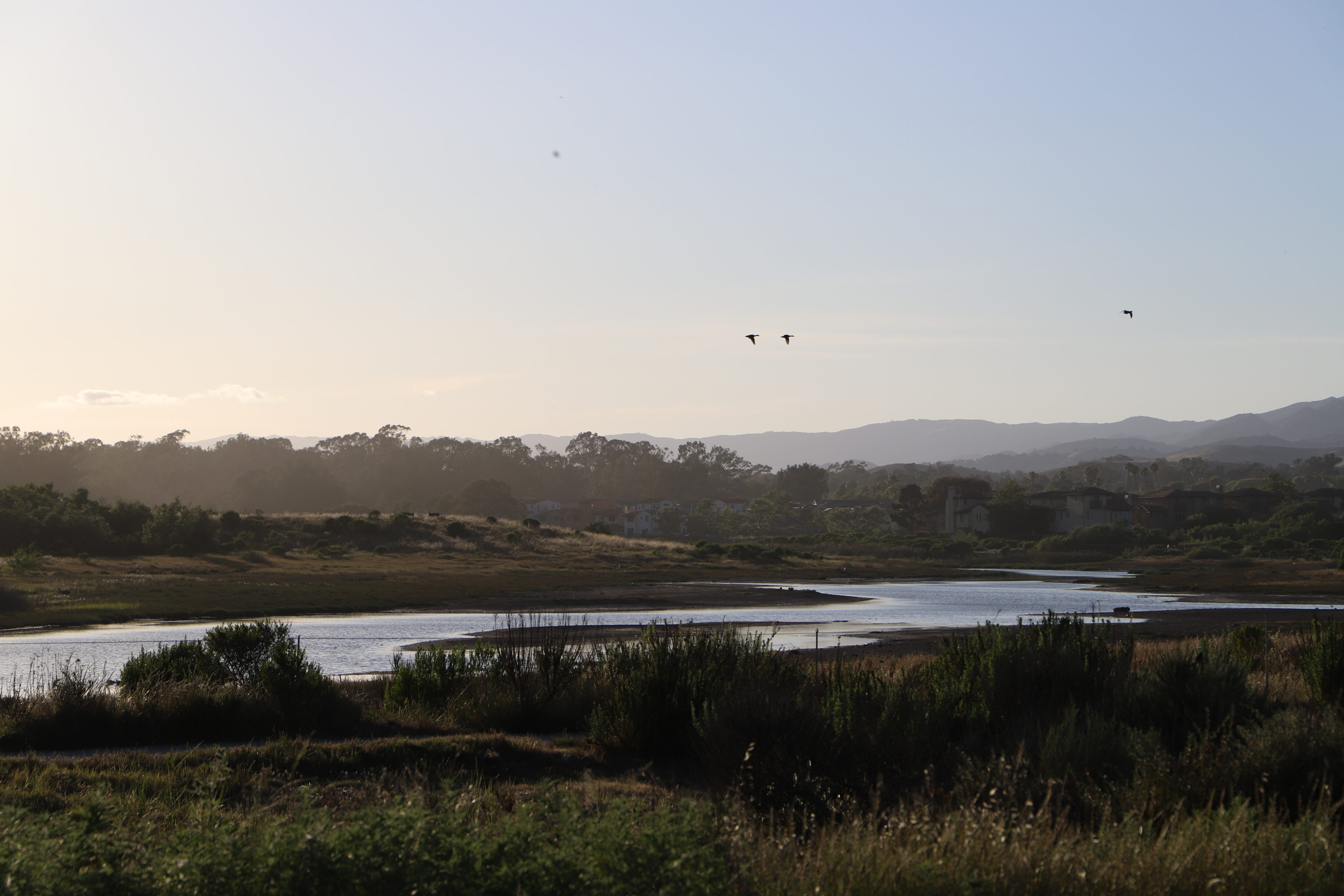
At its heart lies the Devereux Slough, a dynamic tidal wetland that defies the static nature of most landscapes. Depending on the season and the pulse of the tides, the slough transforms from a deep, water-filled basin to a mosaic of salt flats and shallow, muddy channels. This hydraulic oscillation is the engine of the ecosystem. When the slough is hydrated, it acts as a nursery for aquatic life; when it retreats, it exposes mineral-rich soils that sustain unique vegetation, creating a cycle that supports a staggering array of native species.
"It just feels like a quiet break from everything, even if you’re right next to campus," notes one Environmental Studies student. This sentiment reflects a deeper truth: the reserve acts as a permeable barrier between the relentless pace of human development and the slow, deliberate time of the natural world.
A Chronology of Conservation
The story of the Coal Oil Point Reserve is one of intentional stewardship. For decades, the land has been a site of ongoing ecological restoration. Unlike many coastal areas in Southern California that have been lost to seawalls and urban sprawl, this specific parcel has been carefully curated to preserve its function as a "living shoreline."
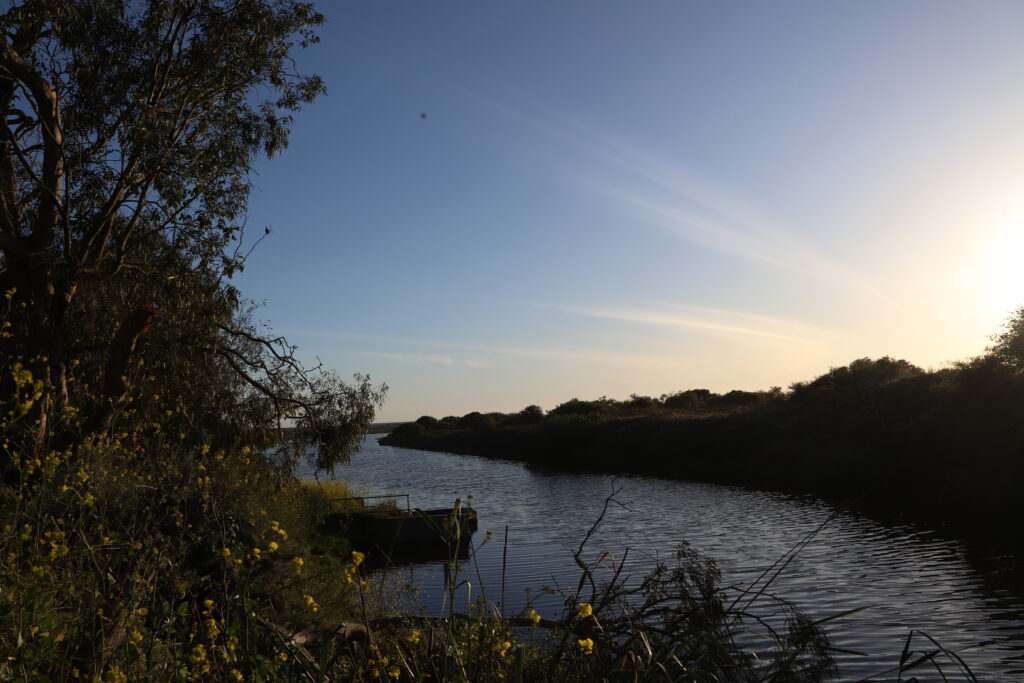
In recent years, the emphasis has shifted from mere protection to active integration. As urban development in Goleta has intensified, the reserve has become an increasingly rare "anchor point" for migratory birds and local wildlife. The ongoing work of researchers, students, and conservationists has focused on monitoring the fluctuations of the slough, documenting the return of native species, and managing the delicate balance between human recreation—such as birdwatching and hiking—and the necessity of undisturbed wildlife habitats.
Supporting Data: A Biodiversity Hotspot
The scientific significance of the reserve is substantiated by the life it sustains. The site is recognized as one of the most important habitats for the Western Snowy Plover in the United States. These small, vulnerable shorebirds rely on the specific coastal conditions of the reserve to nest and feed during the winter months.
The biodiversity metrics of the reserve are robust:
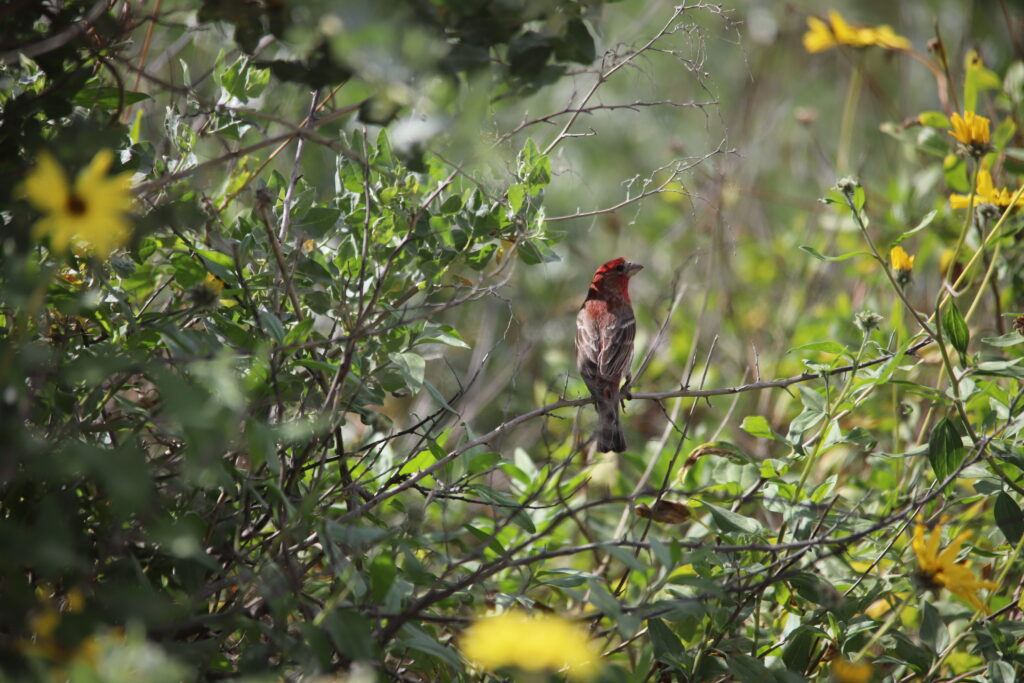
- Avian Diversity: The site supports great blue herons, brown pelicans, and a variety of raptors that use the slough as a critical pitstop during migration.
- Endemic Species: From garter snakes to slender salamanders, the reserve provides a rare home for reptiles and amphibians that have been pushed out of other coastal zones.
- Water Filtration: The slough acts as a natural sponge and filter, processing nutrient runoff and preventing pollutants from entering the Pacific Ocean, thereby playing a role in the health of the surrounding marine ecosystem.
As the Seeds Club Communications Chair at UCSB aptly put it, "Spaces like Coal Oil Point give students a controlled but natural environment to not just conduct research in, but also connect to it. These spaces allow undergrads to be as close as possible to some of our beautiful native wetland species."
Voices from the Field: Official and Student Perspectives
The value of the reserve is perhaps best articulated by those who move through it daily. For the academic community, the reserve is a bridge between theory and practice.
"I didn’t realize how important the area is for wildlife until one of my classes talked about it," says one student. "It really makes you want to visit it more during the school year."
For others, the reserve provides a necessary counter-narrative to the "hustle culture" of a Tier-1 research university. A Geography student notes, "It’s just nice that it’s there. You can go out and it’s quiet for a second, even during midterm seasons when things get hectic."
This is not just about aesthetics; it is about the integration of human life with natural systems. A board member from the UCSB Coastal Fund remarks, "It reminds me that we live in nature, not just around it, and we should always keep working to ease the integration of people with our environment."
Implications: The Power of Proximity
The existence of the Coal Oil Point Reserve forces a fundamental question: What is the purpose of nature in an urbanized society?
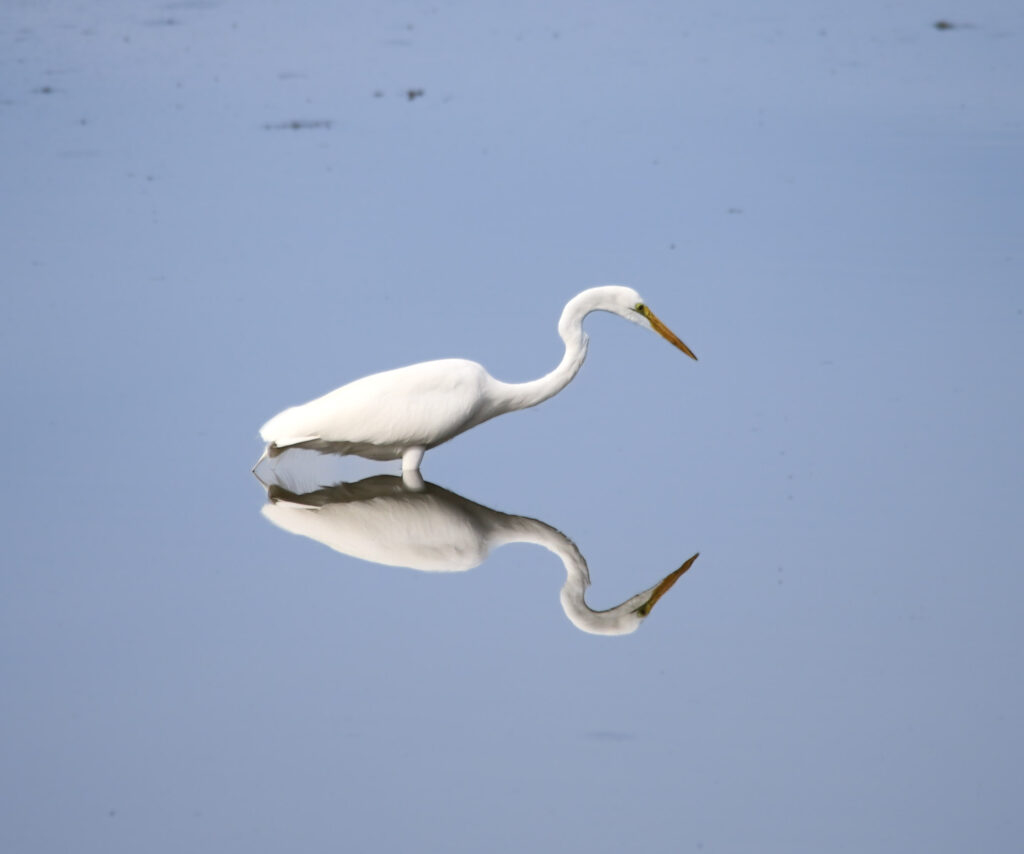
The implications of protecting a space like the Devereux Slough are profound. First, it serves as a climate resilience asset. As sea levels rise and weather patterns become more volatile, the slough provides a buffer that protects the inland campus from surge and flooding. Second, it serves as a pedagogical tool. By embedding a wild ecosystem within a university, the institution fosters a generation of students who understand the nuance of ecology—not from a textbook, but from the observation of a heron hunting in the shallows or the sight of a snowy plover nesting in the dunes.
Finally, there is the human element. In an age of digital saturation, the "analog" experience of a wetland—the sound of the wind through the grasses, the smell of the salt air, the shifting light at sunset—is a vital antidote to burnout.
A Call to Notice
As we reflect on the role of conservation, it becomes clear that we often overlook the natural wonders that exist in our own backyards. Protecting a river or a forest thousands of miles away is essential, but there is an equally pressing need to protect the "everyday" nature that exists at the edge of our campus gates.
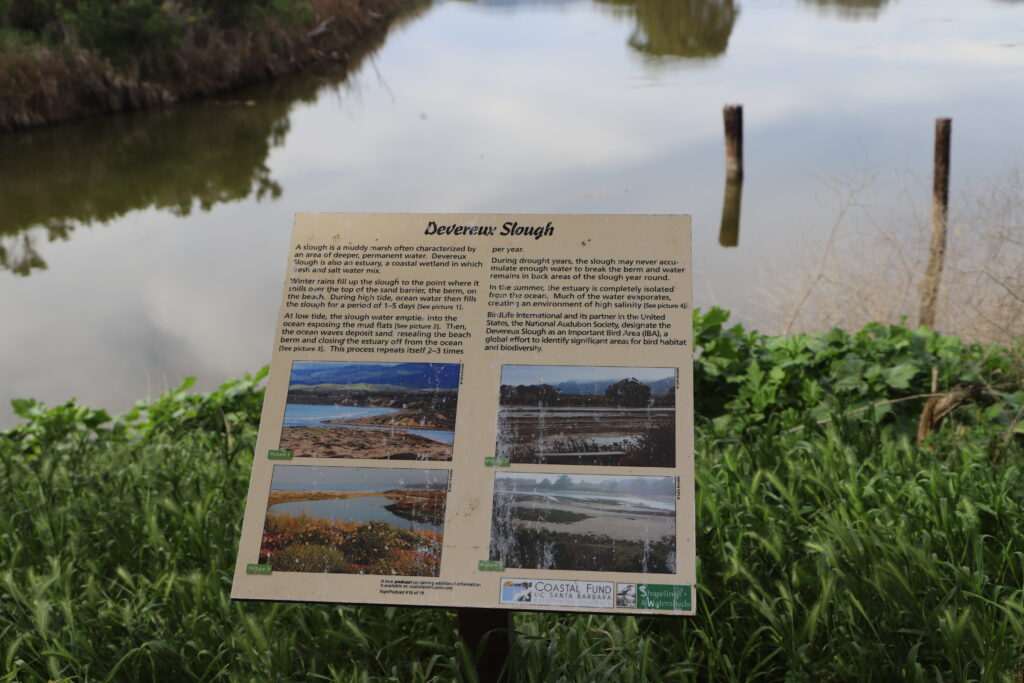
The lesson from the Devereux Slough is simple: conservation starts with observation. When we stop to look, we realize that these spaces are not empty land, but vibrant, breathing entities. They require our attention, our respect, and our advocacy.
The next time you find yourself on the edge of the UCSB campus, take a moment. Walk the path toward the water. Watch the birds glide over the slough, listen to the rhythmic breathing of the tide, and acknowledge that you are standing in a place where human ingenuity and the natural world are meant to coexist.
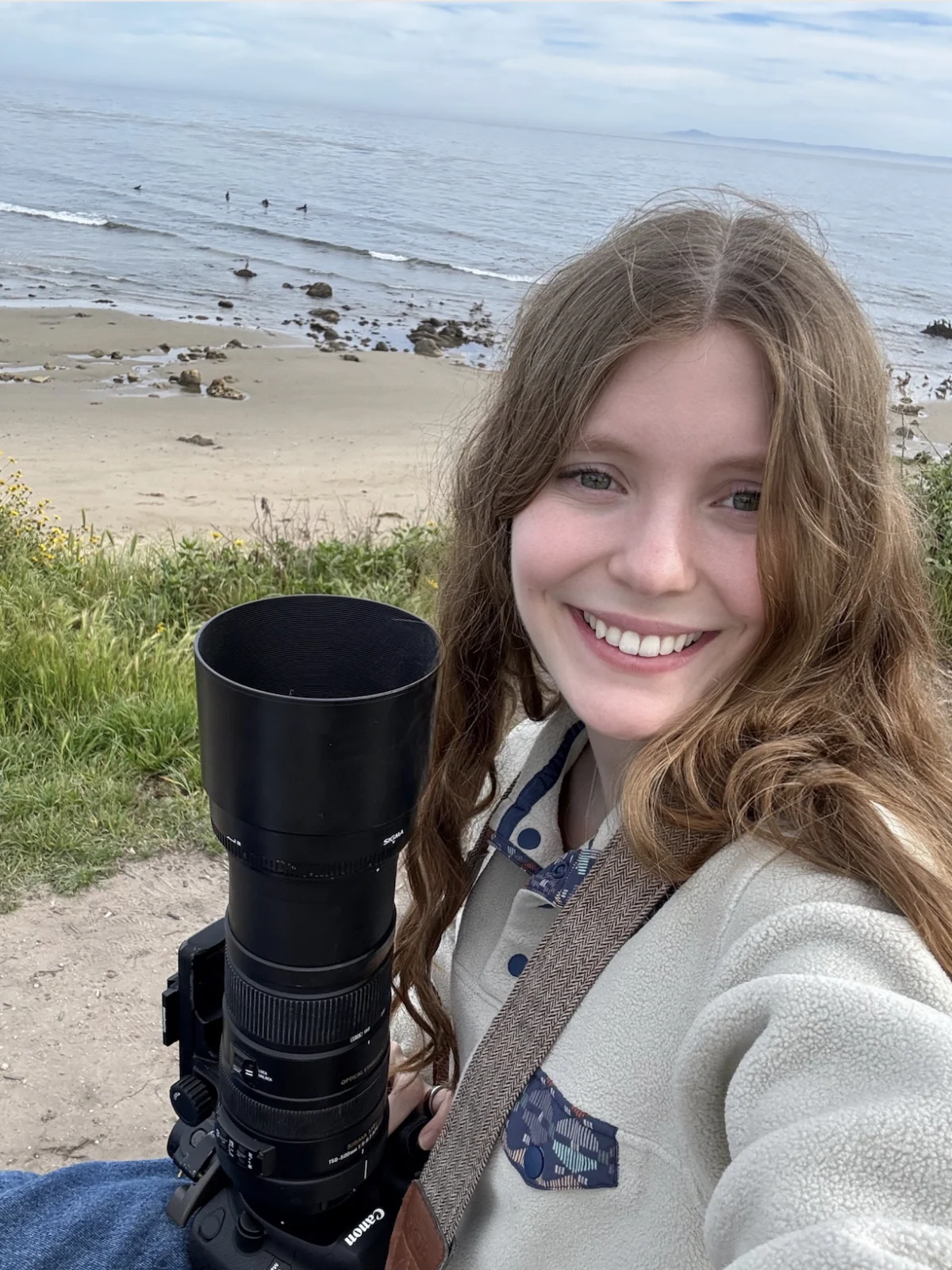
As my time observing these landscapes comes to a close, the most important takeaway is this: the nature that surrounds us is not a backdrop; it is a participant in our lives. By protecting these quiet, shifting places, we are not just saving an ecosystem; we are saving our own capacity to be present, to reflect, and to understand our place in the natural world. The future of our coastlines—and the future of our own wellbeing—depends on our willingness to stop, look, and protect the wildness that remains.