In the world of backcountry exploration, the difference between a successful expedition and a life-threatening emergency often boils down to a series of micro-decisions made hours before the crisis actually occurs. While novice adventurers tend to focus on the gear list—the weight of their sleeping bag or the waterproof rating of their shell—veteran guides and survival experts emphasize that safety is a product of timing.
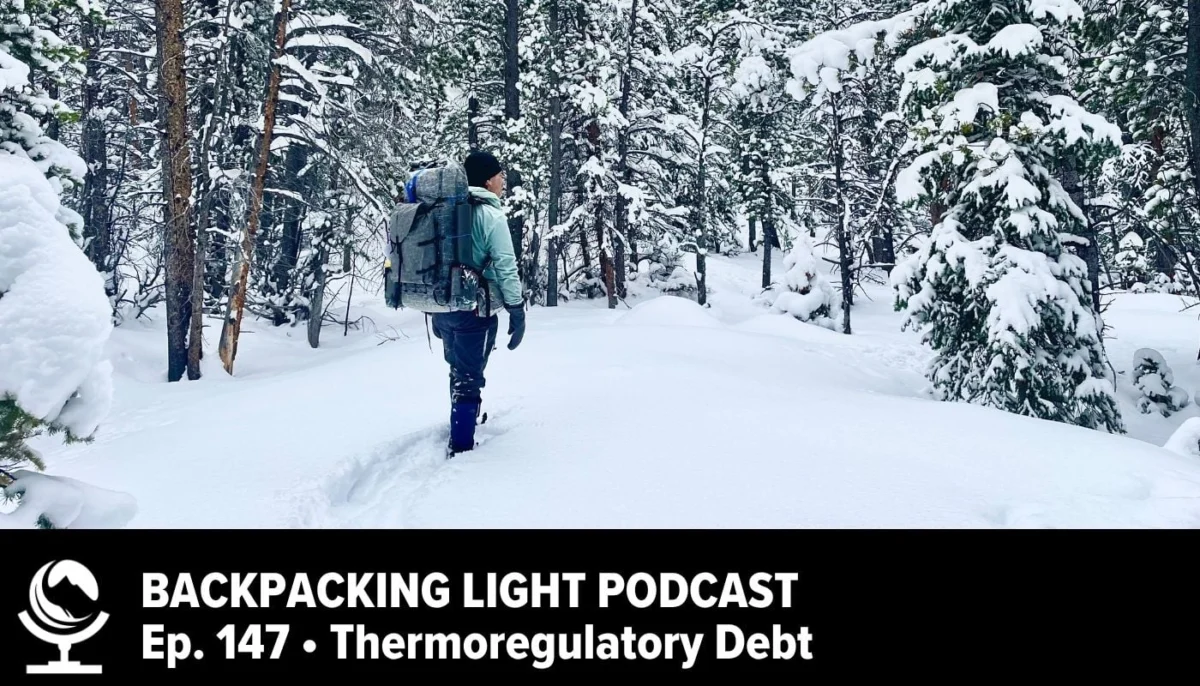
In episode 147 of the Backpacking Light Podcast, host Ryan Jordan introduces a compelling framework for understanding this phenomenon: "Thermoregulatory Debt." By utilizing a financial metaphor that resonates with the modern traveler, Jordan explains how small, seemingly inconsequential delays in layering management compound into a physiological deficit that can leave a hiker incapacitated, hypothermic, or unable to perform basic tasks when the environment demands it most.
The Core Concept: Why "Debt" Matters in the Wild
The "Thermoregulatory Debt" model serves as a field guide for understanding the delayed physiological costs of poor or delayed layering decisions in cold, wet, and windy conditions. Much like accumulating credit card debt, the consequences of failing to regulate body temperature are not immediate. When a hiker feels a slight increase in warmth, they might choose to "push through" rather than stop to vent a shell or remove a fleece.
This decision represents a micro-borrowing against the body’s future stability. As moisture accumulates and the core temperature shifts, the "interest" on that debt begins to accrue. By the time a hiker finally stops to rest or reaches camp, the debt has compounded into an acute crisis. The body, already struggling to maintain homeostasis, is suddenly overwhelmed by the environmental reality, making recovery significantly more difficult than the initial adjustment would have been.
A Three-Tiered Framework of Physiological Failure
To help listeners visualize the process, the podcast breaks the descent into crisis into three distinct, interlocking categories of debt. Understanding these categories is essential for anyone venturing into alpine or shoulder-season environments.
1. Moisture Debt
Moisture is the silent thief of heat. Whether caused by sweat, condensation, or external precipitation, moisture trapped within a clothing system acts as a thermal bridge. As an adventurer hikes hard, failing to vent early allows moisture to migrate through layers. Once insulation—particularly down or synthetic fills—becomes saturated, its thermal efficiency plummets. This creates a state of "Moisture Debt," where the clothing system can no longer protect the body from heat loss via conduction and evaporation.
2. Heat Debt
Heat Debt occurs when the total environmental heat loss—driven by conduction, convection, radiation, and evaporation—outpaces metabolic heat production. This is the stage where many hikers realize they have made a mistake. Once the clothing is wet and the energy reserves are depleted, reversing the situation becomes exponentially harder. In advanced stages of Heat Debt, the body begins to prioritize the core over the extremities, rerouting blood flow away from the fingers and toes.
3. Performance Debt
The final, and perhaps most dangerous, stage is Performance Debt. This is the direct, downstream consequence of the first two categories. It manifests as a loss of fine motor skills, reduced finger dexterity, sluggish physical mobility, and impaired cognitive function. When a hiker can no longer open a food wrapper, light a stove, or secure a tent peg due to "frost nip" or extreme cold, they have entered a state of severe Performance Debt. At this point, poor judgment becomes a self-fulfilling prophecy, as the impaired mind struggles to solve the problems created by the body’s physical failures.
Practical Interventions: Proactive vs. Reactive Management
The central thesis of the Backpacking Light approach is that success is determined by proactive behavior. Waiting for the body to signal distress is already too late.
- Vent Early and Often: The most common error is waiting until one is "sweaty" to open vents. By the time sweat is visible or felt, the moisture has already permeated the base layers. Venting should occur at the first hint of overheating.
- Anticipate the Urgent Change: Layering should be dynamic. If you know a sustained uphill climb is coming, shed layers before the exertion begins. If you are preparing to stop for a meal, add an insulation layer before your metabolic rate drops.
- Protect Dry Insulation: One of the most critical rules is the preservation of camp-specific insulation. Dedicated puffy jackets or sleeping systems must remain dry at all costs. Mixing active sweat-dampened gear with sleeping insulation is a recipe for a cold night and a potential emergency.
- Fuel the Furnace: The body is a biological furnace. If it lacks the caloric intake required to generate heat, it will inevitably succumb to the cold. Hydration and regular, calorie-dense fueling are not just about energy; they are critical thermoregulatory tools.
Personal Accounts and the Risks of Frost Nip
The conversation surrounding thermoregulatory debt has been bolstered by feedback from the outdoor community. Many experienced hikers have shared accounts of "frost nip"—the precursor to frostbite characterized by numb, white skin.
One listener noted: "I used to just continue using my fingers when they became numb and turned white, but I think that causes permanent sensitivity. Now I stop using them and rewarm. If my body is cold, blood is rerouted from my fingers to keep my torso and head warm, which makes them more likely to get frost nip."
This anecdote highlights the physiological trade-off the body makes during Heat Debt. The body will sacrifice the extremities to preserve the core temperature. For the hiker, this is a clear warning sign that the "debt" is becoming unmanageable. Ignoring this warning in favor of completing a task—like setting up a tent—can result in long-term nerve damage and permanent sensitivity to cold, effectively limiting one’s future enjoyment of the sport.
Industry Perspectives: The Role of Materials
The podcast also touches upon the role of specialized gear, specifically highlighting the influence of brands like Brynje. The debate in the outdoor industry has shifted from simply "waterproof vs. breathable" to "moisture management."
Alternative fabric structures, such as polypropylene and merino wool fishnets, are designed to maximize breathability. By keeping the insulation layer suspended away from the skin, these fabrics prevent the accumulation of moisture, effectively "paying down" the Moisture Debt before it can even be accrued. These materials represent a move away from traditional solid knits, which tend to trap moisture against the skin and accelerate the onset of cooling.
Implications for Future Expedition Planning
The implications of the thermoregulatory debt model extend beyond individual hikers; they challenge the fundamental way outdoor training is conducted.
Shift in Mindset
The primary implication is a shift in mindset from "gear-focused" to "process-focused." An adventurer with high-end, expensive gear can still succumb to hypothermia if they lack the discipline to manage their temperature. Conversely, a hiker with modest gear who is diligent about venting and fueling can remain comfortable in surprisingly harsh conditions.
The Necessity of Cognitive Awareness
Perhaps the most sobering implication is the realization that cognitive performance is the first thing to decline in the cold. Since hikers are often their own primary decision-makers, the loss of judgment due to Performance Debt creates a "blind spot." It is difficult to accurately assess one’s own risk when one’s brain is struggling to maintain basic temperature. Therefore, the adoption of strict, habitual protocols—checking one’s temperature, checking one’s layers, and checking one’s hydration at every milestone—is essential.
Training and Mentorship
For outdoor organizations and clubs, this model offers a clear, pedagogical tool for teaching novices. Instead of teaching "what to pack," instruction should emphasize "when to adjust." By framing it as a financial analogy, leaders can help students understand that even small, minor mistakes carry a cost that must eventually be paid.
Conclusion: Mastering the Balance
The Backpacking Light podcast serves as a vital reminder that the backcountry is an unforgiving environment that requires constant, vigilant management. The concept of "Thermoregulatory Debt" is more than just a clever metaphor; it is a vital mental model for anyone who wishes to push their limits safely.
As the industry continues to evolve, the focus on moisture management, proactive layering, and the preservation of core physiological functions will remain the gold standard for survival. Whether one is a seasoned thru-hiker or a weekend wanderer, the lesson is clear: manage your heat and moisture proactively, or prepare to pay the price when the cold finally catches up. In the wilderness, as in finance, the best way to handle debt is to avoid accruing it in the first place.