The historic city of Sacramento, California, served as the epicenter of the global action sports community this past weekend, playing host to the inaugural MoonPay X Games League event. Over three days, the Cal Expo grounds were transformed into a high-octane arena where nearly 100 of the world’s elite BMX and skateboard athletes pushed the boundaries of human physics. As the dust settled on Sunday, the competition concluded with eight final gold-medal performances, signaling a transformative shift in the sport’s landscape with the introduction of the X Games Clubs: Los Angeles, New York, São Paulo, and Tokyo.
The event, which exceeded all attendance projections, was more than a mere competition; it was a proof-of-concept for the new league format. By fostering team-based rivalries and individual glory, the MoonPay X Games League has successfully modernized the action sports experience, ensuring that the legacy of the X Games remains at the cutting edge of youth culture and athletic achievement.
A Weekend of Records and Breakthroughs
From the opening session on Friday to the final drops on Sunday, the Sacramento debut was defined by "never-been-done" (NBD) tricks and the rise of a new generation of talent. The atmosphere at Cal Expo was electric, with fans witnessing a blend of seasoned veterans defending their titles against a surge of teenage prodigies. The event featured athletes representing 17 countries, underscoring the international appeal of the league.
The final day of competition was particularly intense, as the pressure to secure points for individual clubs mounted. With eight separate finals taking place throughout Sunday, the schedule provided a relentless showcase of technical mastery, grit, and the kind of high-stakes performance that has become synonymous with the X Games brand.
The Chronology of Sunday’s Finals: A Technical Masterclass
The Teen Takeover: Women’s Skateboard Street
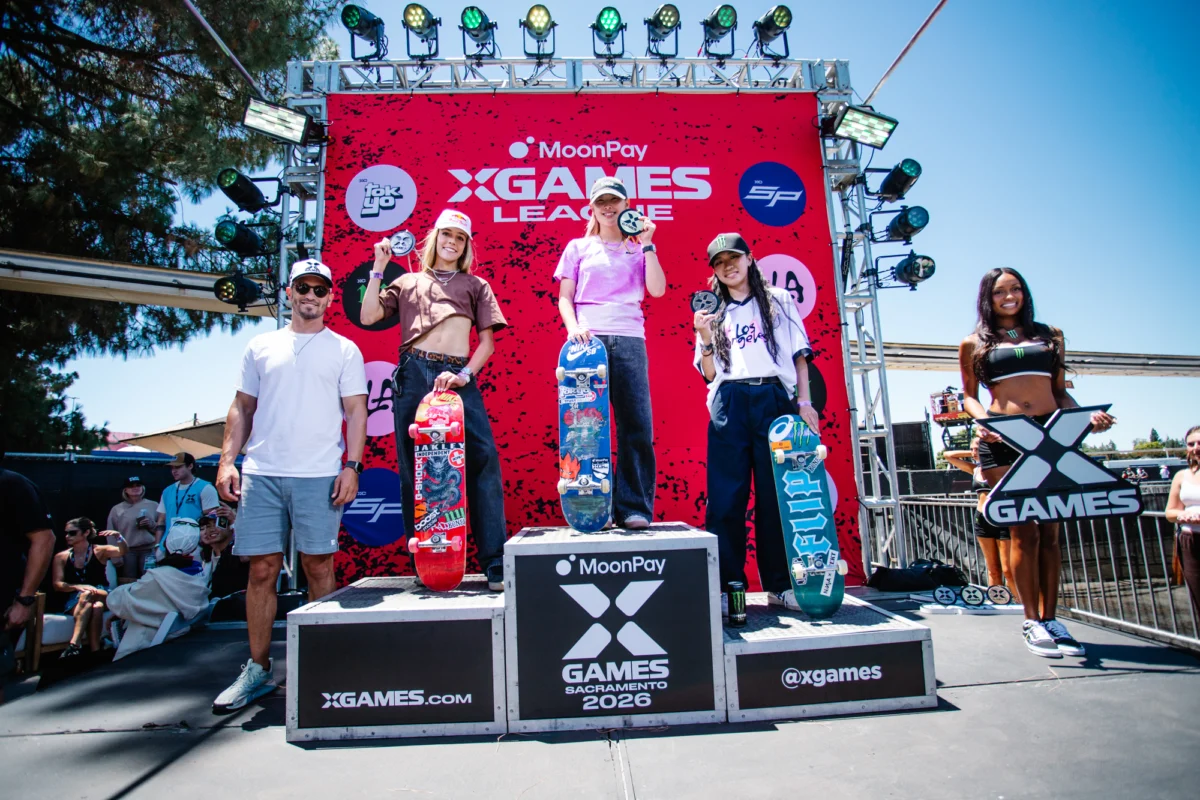
The day opened with a display of youth dominance in the Monster Energy Women’s Skateboard Street Final. In a field of competitors ranging from 14 to 28 years old, it was the 19-year-old rising star Miyu Ito (XC Tokyo) who claimed gold. Her run was a clinic in technical precision, featuring a frontside boardslide on the handrail and a flawless kickflip up the step-up. Ito’s victory marked her fifth career X Games medal.
She was joined on the podium by 16-year-old Chloe Covell (XC New York), who secured silver, and Liz Akama (XC Los Angeles), who captured bronze in a triumphant return to competition following a two-year hiatus due to an ankle injury.
Gui Khury’s Vert Dynasty
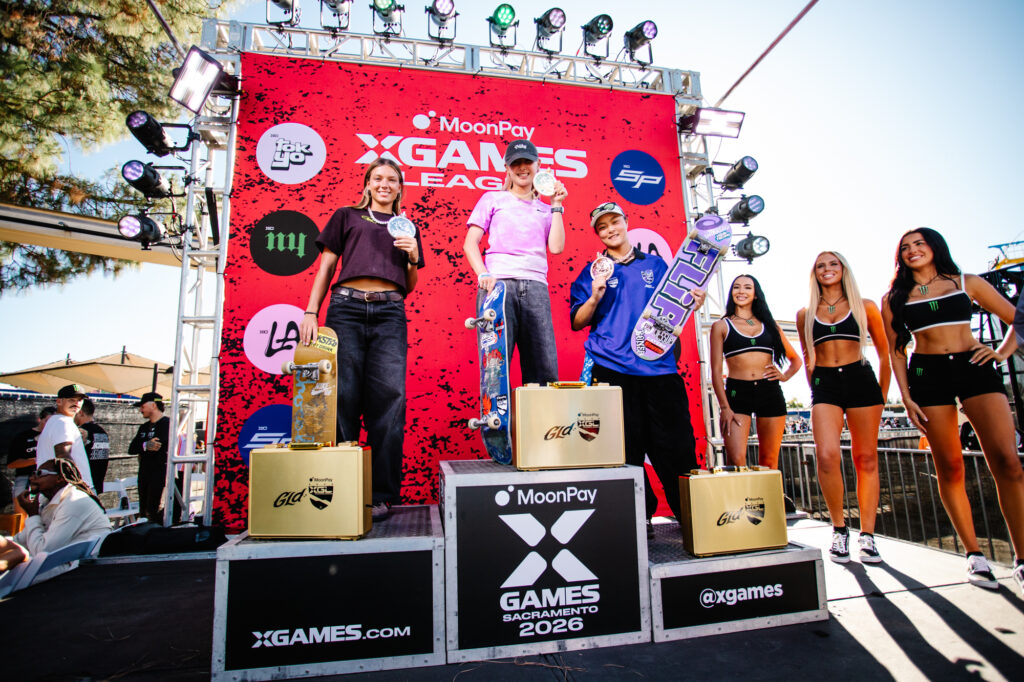
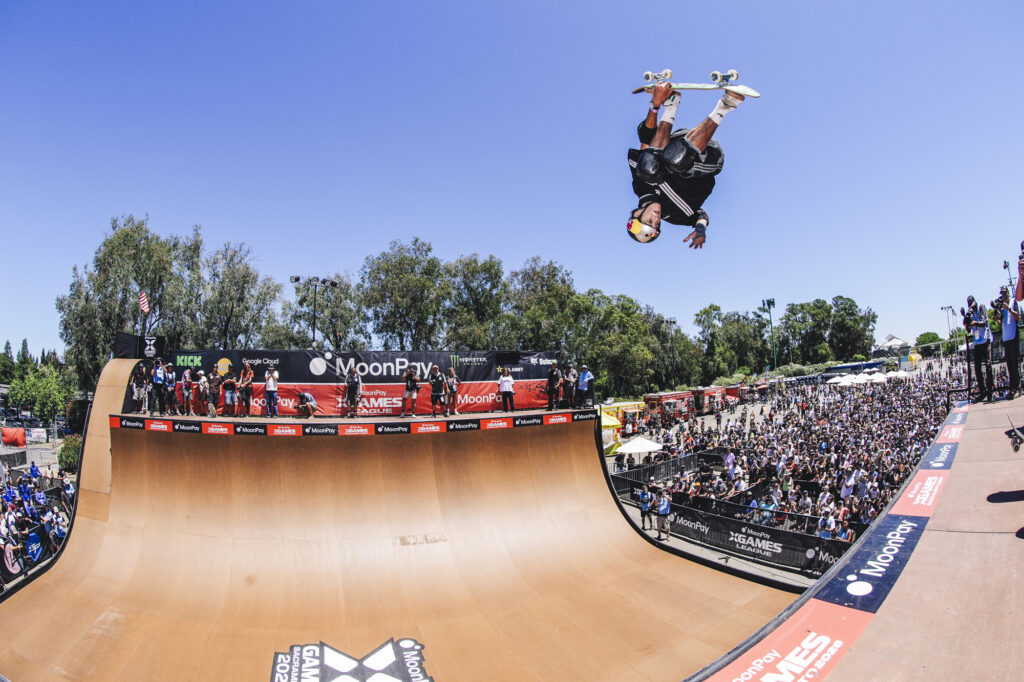
If the street course was about technical finesse, the Men’s Skateboard Vert Final was about raw power and altitude. Gui Khury (XC São Paulo) continued his historic run, securing his fifth consecutive gold in the discipline. His performance—highlighted by an alley-oop backside 540 kickflip Indy 900 and a body varial 900—solidified his status as the most decorated teen competitor in X Games Vert history. Despite fierce competition from silver medalist JD Sanchez (a Free Agent who defied pre-event mock draft rankings) and bronze medalist Tom Schaar (XC Los Angeles), Khury’s dominance remained unassailable.
The Legend Continues: Men’s BMX Street
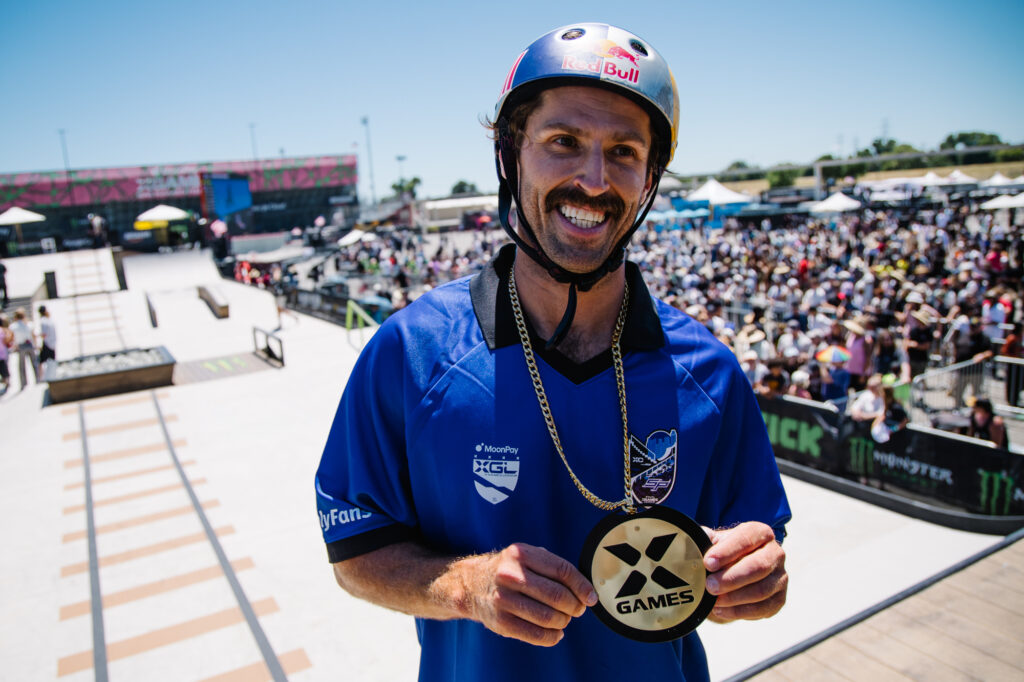
In one of the most anticipated moments of the weekend, 35-year-old Garrett Reynolds (XC São Paulo) proved that age is no barrier to excellence. In his third and final run, the veteran surged past his rivals to claim his 17th career X Games gold. Reynolds, who has now medaled in 22 of the 24 BMX Street contests in X Games history, performed with a level of surgical precision that left the crowd in awe. Kevin Peraza (XC Tokyo) took home silver, while Jordan Godwin added a bronze to his growing trophy cabinet.
Ozawa’s Debut Brilliance
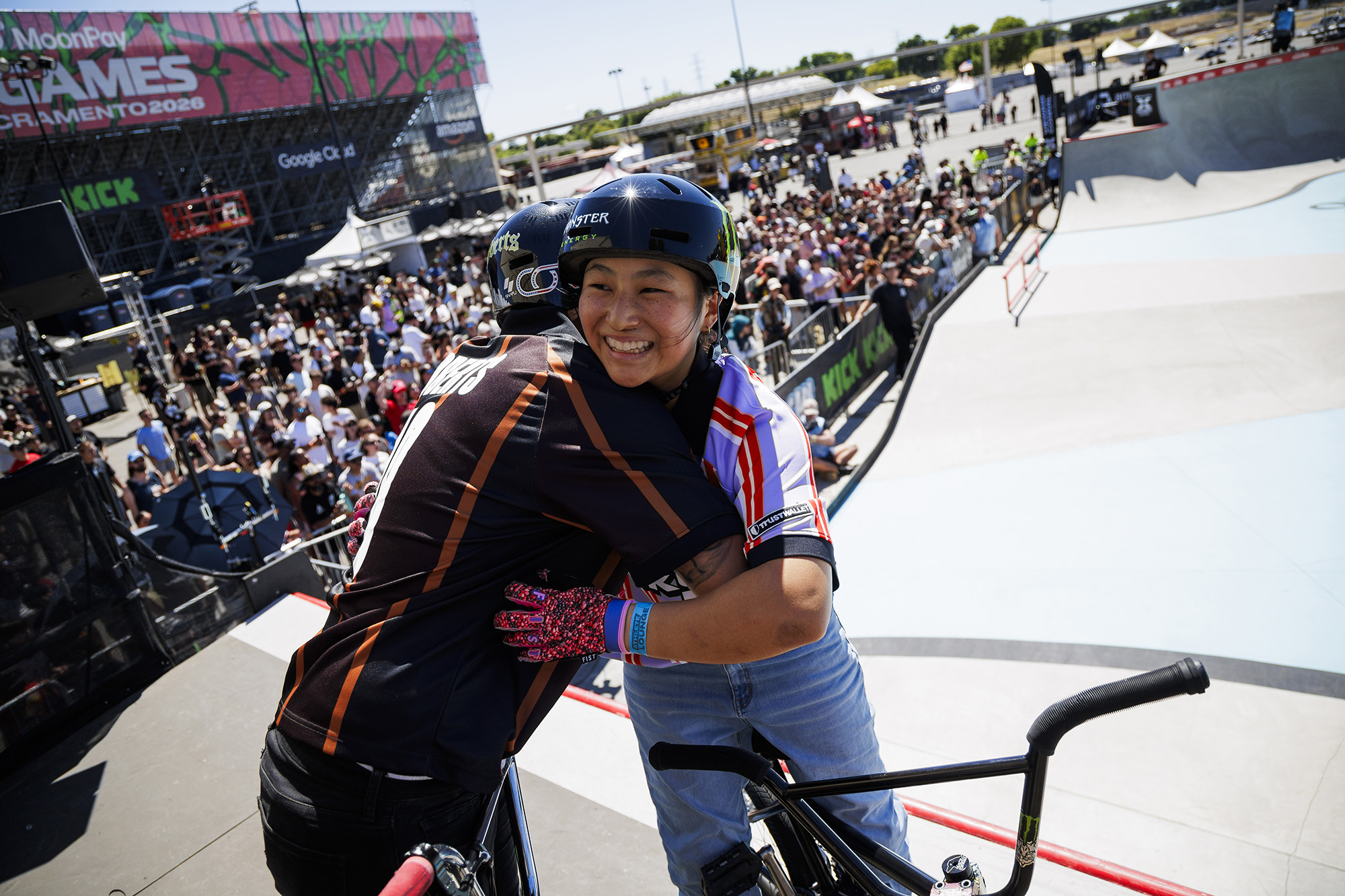
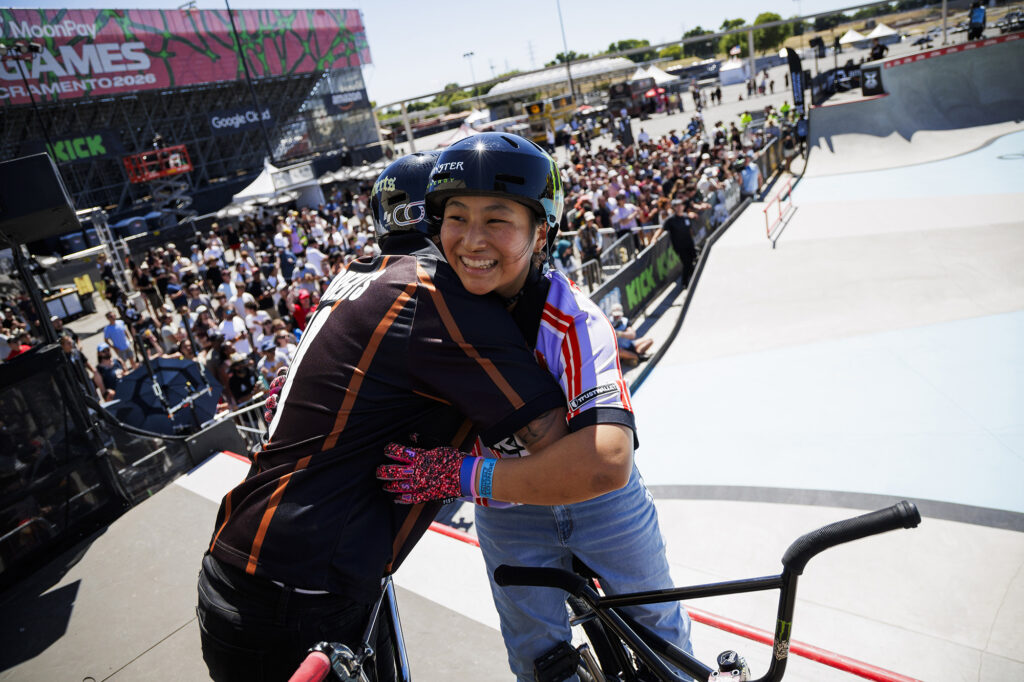
The Women’s BMX Park Final saw a changing of the guard as 16-year-old debutant Miharu Ozawa (XC Tokyo) snatched gold from two-time champion Hannah Roberts (XC New York). Ozawa’s score of 95.33 in her third run was a masterclass in park flow and trick density, signaling the arrival of a new powerhouse in the women’s BMX circuit.
The Williams Factor: Dirt Best Trick
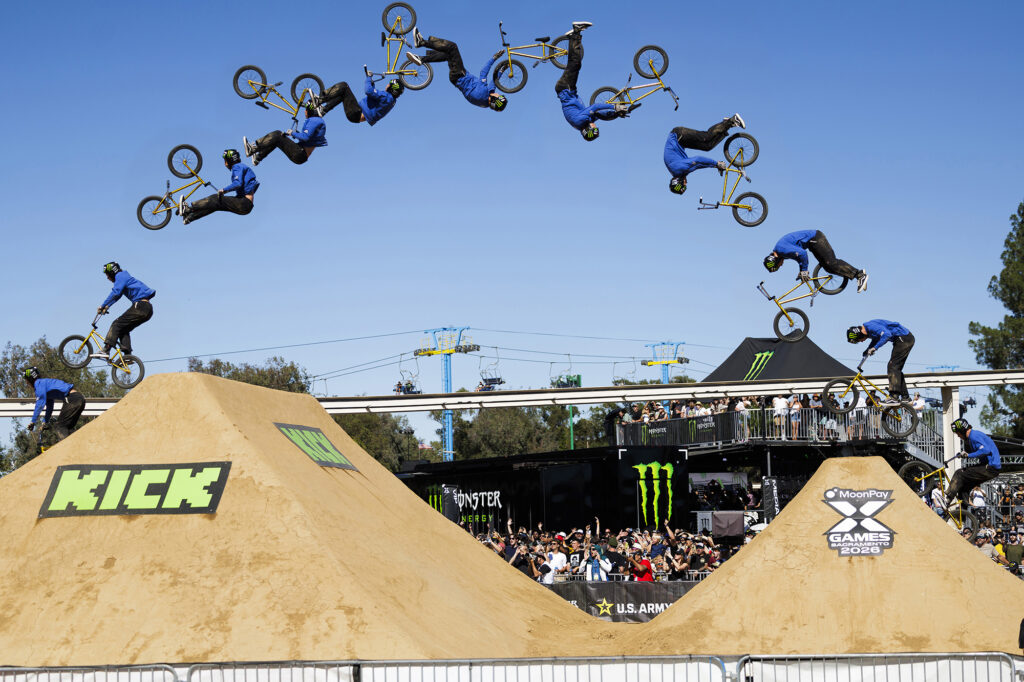
The Stake Men’s BMX Dirt Best Trick Final was arguably the highlight of the weekend, featuring a high-stakes rivalry between Ryan Williams (XC São Paulo) and Brady Baker (XC Los Angeles). Williams, attempting to secure a four-peat, pulled off the impossible: the first-ever frontflip cannonball nothing front bikeflip in competition. The victory was a emotional win for Williams, who dedicated the performance to his son.
Afternoon Showstoppers: Street Best Trick and Women’s Vert
The late-afternoon sessions saw Miyu Ito return to the podium to secure her second gold of the weekend in the Women’s Skateboard Street Best Trick, while Juni Kang (Korea) made history with a win in the Men’s Skateboard Street Best Trick, cementing his place as a breakout star. The festival concluded with a heart-warming and storybook finish in the Women’s Skateboard Vert Final, where 11-year-old Mia Kretzer (XC Los Angeles) captured gold, proving that the future of the sport is in exceptionally capable hands.
Supporting Data: The Impact of the League Format
The success of the Sacramento event is quantifiable through both participation and performance metrics. With 100 athletes competing under the new club structure, the "team" aspect added a layer of strategic depth. Athletes were not just riding for themselves; they were riding for the prestige of their respective clubs.
- Medal Distribution: The balanced distribution of medals across the four clubs (Los Angeles, New York, São Paulo, and Tokyo) suggests that the inaugural draft process was effective in creating competitive parity.
- Technical Progression: The number of NBD (Never-Been-Done) tricks recorded at this single event represents a statistical outlier compared to previous years, suggesting that the competitive league structure is driving athletes to push their personal limits further and faster.
- Athlete Longevity: The presence of both 11-year-old champions and 35-year-old legends like Garrett Reynolds illustrates the unique multi-generational appeal of the sport.
Official Responses: Voices from the Podium
The sentiment among the athletes was one of excitement regarding the new league structure. "I love what X Games is doing," said Gui Khury after his Vert victory. "I love this new format. It’s about the team, it’s about the club, and it’s about pushing the level of riding every single time we drop in."
Garrett Reynolds echoed this sentiment, emphasizing the importance of the fan connection. "The people of NorCal are amazing. There’s a real die-hard fan base here, which is amazing. It makes you want to pull the run you’ve been practicing for months."
For the younger athletes, the X Games League provides a clearer path to professional recognition. Miharu Ozawa, following her gold medal, reflected on the nerves of her debut: "I held back a little bit in the first run, but in the second and third, I gave it all. I was able to enjoy it, so I’m really happy."
Implications for the Future of Action Sports
The inaugural MoonPay X Games Sacramento 2026 has set a high bar for the remainder of the season. By integrating a club-based system, the league is effectively building "franchise value" into action sports, a move that is expected to attract broader sponsorship, increased television viewership, and deeper fan engagement.
The Road Ahead
The momentum generated in Sacramento will carry over to the international stage as the league travels to Chiba, Japan, for its second stop on July 4–5. This will be a critical test of the league’s global infrastructure. Following the Japan event, the season will culminate at the MoonPay X Games Championship at the Caesars Superdome in New Orleans from July 24–26.
With a $500,000 team prize purse on the line, the stakes in New Orleans will be at an all-time high. The championship will not only crown individual winners but will also determine the inaugural club champion—a title that is already shaping up to be the most coveted accolade in the history of the sport.
As the X Games League continues its expansion, the Sacramento event serves as a blueprint for the future. By balancing the raw, rebellious spirit of traditional action sports with the sophisticated structure of a professional league, the X Games have ensured their relevance for the next generation of riders and spectators alike. The "Sacramento Stage" is now closed, but the global tour has only just begun.