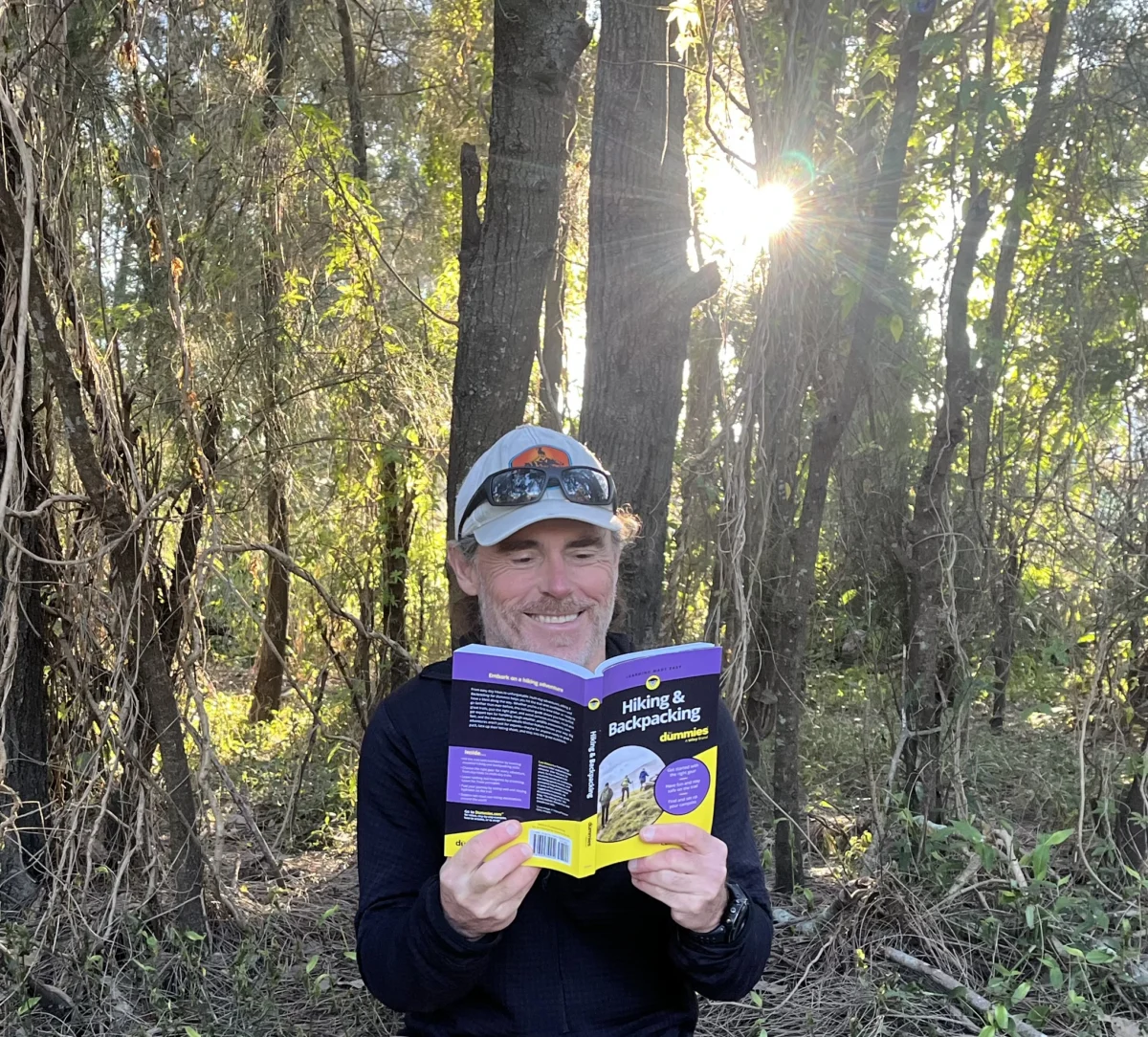
"How-to" literature is notorious for being dense, dry, and riddled with impenetrable jargon. For those seeking to immerse themselves in the great outdoors, the existing library of instructional texts often feels disconnected from the visceral, unpredictable, and joyous reality of life on the trail. Recognizing this gap, publisher Wiley—the legendary house behind the For Dummies series—approached a seasoned wilderness expert to bridge the divide between technical proficiency and accessibility.
The result is Hiking & Backpacking for Dummies, a comprehensive manual that distills four decades of global trekking experience into a user-friendly, modular format. By blending the publisher’s iconic, no-nonsense instructional style with the author’s deep, firsthand expertise, the book aims to demystify the backcountry for a new generation of adventurers.
Main Facts: The Anatomy of the Guide
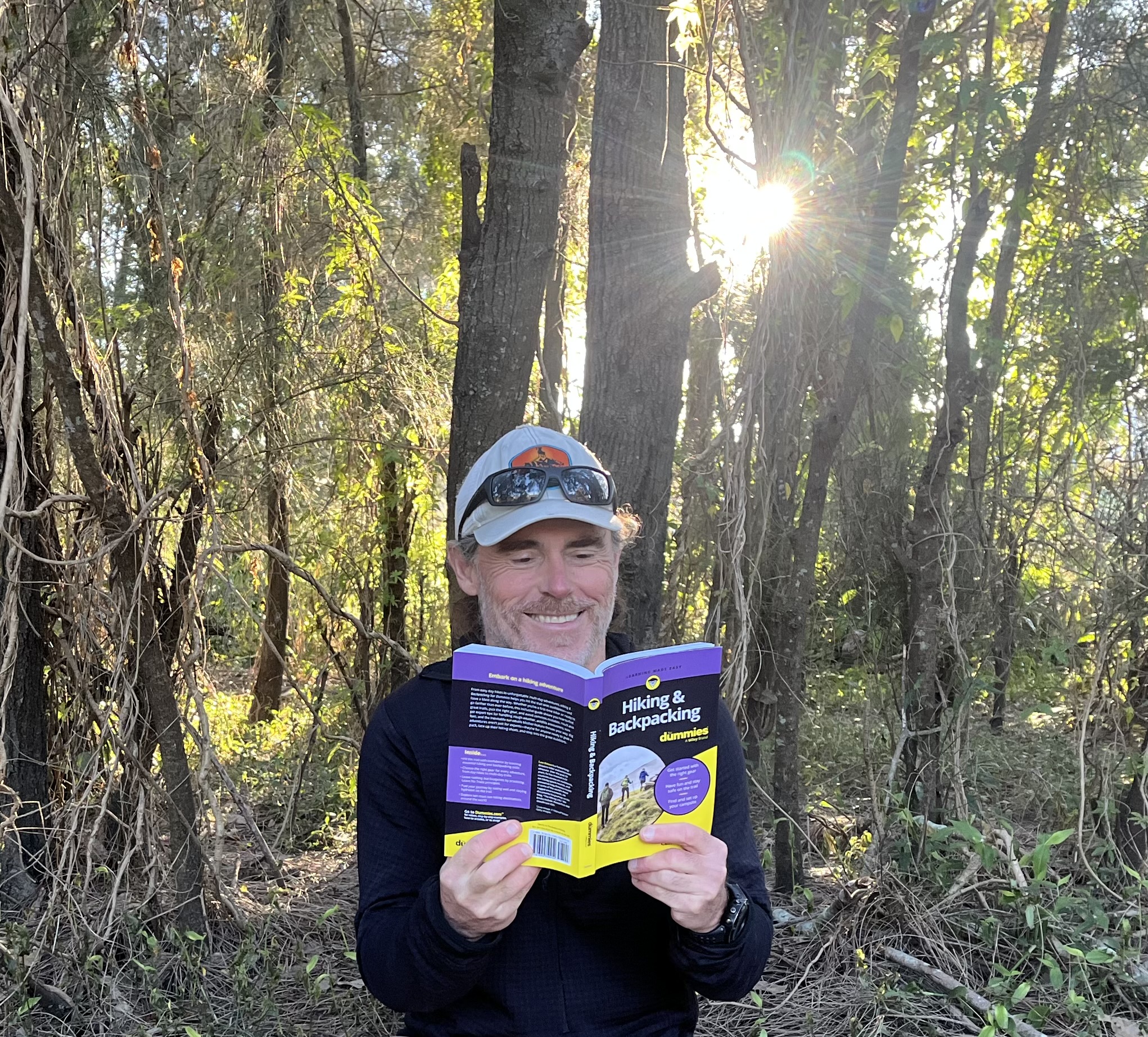
Hiking & Backpacking for Dummies is designed as a practical, non-intimidating handbook for both novices taking their first steps and experienced hikers looking to refine their craft. Spanning over 300 pages, the book is structured into six distinct parts comprising 28 modular chapters.
Unlike conventional travelogues or inspirational coffee table books, this work is strictly educational. It serves as a "trailhead" for those who feel overwhelmed by the complexities of gear selection, route planning, and safety protocols. The book’s core philosophy is simple: provide the necessary tools to allow readers to explore the wilderness safely, efficiently, and with minimal environmental impact.

Each section is designed to be navigated in any order, allowing readers to jump directly to the topics that interest them most—whether that is the intricacies of choosing a sleeping system or the life-saving protocols for high-altitude acclimatization.
A Brief Chronology of a Publishing Powerhouse
To understand the significance of this collaboration, one must look at the pedigree of the For Dummies brand. Launched in 1991, the franchise has become a global cultural touchstone, recognized for its yellow-and-black branding and its mission to make complex subjects understandable to everyone. With over 2,400 unique titles and 250 million copies sold, it is one of the most successful publishing ventures in history.

The publisher, Wiley, boasts a history that is as expansive as the wilderness itself. Founded in 1807, the company began its journey in the literary world, publishing seminal works from iconic figures such as Washington Irving, Edgar Allan Poe, and Herman Melville. As the 19th century progressed, the firm shifted its focus toward the academic and instructional sectors—a transition that paved the way for the instructional excellence associated with their modern catalog. The inclusion of a dedicated hiking and backpacking guide into this massive repository of human knowledge signals a growing recognition of outdoor recreation as a vital, skill-based pursuit worthy of rigorous documentation.
Supporting Data and Methodology
The efficacy of Hiking & Backpacking for Dummies lies in its source material: forty years of deep-woods experience. The author has traversed terrain ranging from the rugged Andes and the pristine wilderness of Lapland to the challenging landscapes of Copper Canyon and the Continental Divide.
The book is organized to address the specific phases of the hiking experience:
- Part 1 (Getting Started): Focuses on the "why" and "how" of planning. It addresses fitness, Leave No Trace principles, and the nuances of solo versus social trekking.
- Part 2 (Gearing Up): Offers a deep dive into the "Big Four" (backpack, shelter, sleeping bag, and pad), layering systems, and the long-standing debate between traditional boots and modern trail runners.
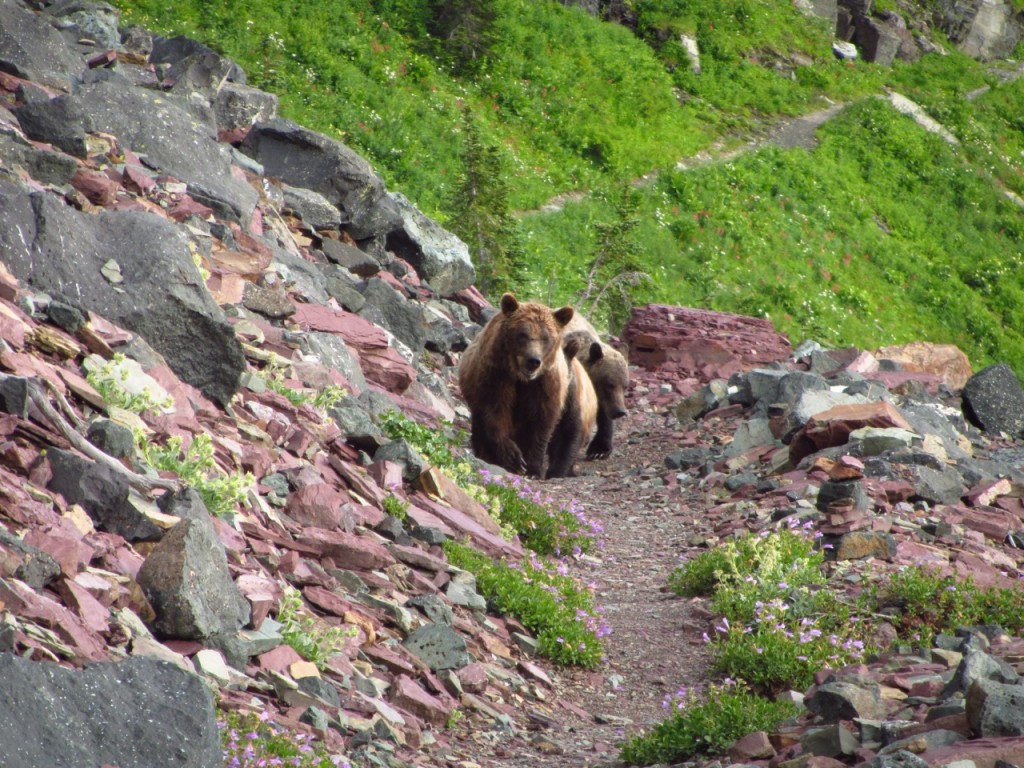
- Part 3 (On the Trail): Covers survival skills, including river fording and managing encounters with wildlife.
- Part 4 (Camping): Provides a masterclass in establishing a "home away from home," including tips for dispersed camping and efficient camp routines.
- Part 5 (Health and Safety): A crucial section on hydration, nutrition, and dealing with environmental hazards like electrical storms and flash floods.
- Part 6 (The Part of Tens): A signature For Dummies feature, offering curated lists of myths, common mistakes, and top-tier global hiking destinations.
Each section is bolstered by personal anecdotes that serve as case studies. For instance, the discussion on high-altitude hiking is informed by the author’s own acclimatization processes in the Cordillera Blanca of Peru, while the advice on downhill technique is rooted in observations of the Raramuri runners of Mexico.

The Philosophical Shift: Education Over Inspiration
While the author’s previous works in the Wanderlust series leaned heavily into the aesthetic beauty of the outdoors, Hiking & Backpacking for Dummies represents a pivot toward technical empowerment.
"The goal is to provide readers with everything they need to know to get started and progress safely," the author notes. This is a crucial distinction. In an era where social media often presents hiking as a curated, filtered experience, this book emphasizes the "grit" of the activity. It addresses the realities of being "hangry," the necessity of maintaining psychological objectivity when conditions turn sour, and the practicalities of the backcountry bathroom. By de-glamorizing the process, the book actually makes the activity more attainable; it replaces the fear of the unknown with the confidence of preparation.
Implications for the Future of Hiking
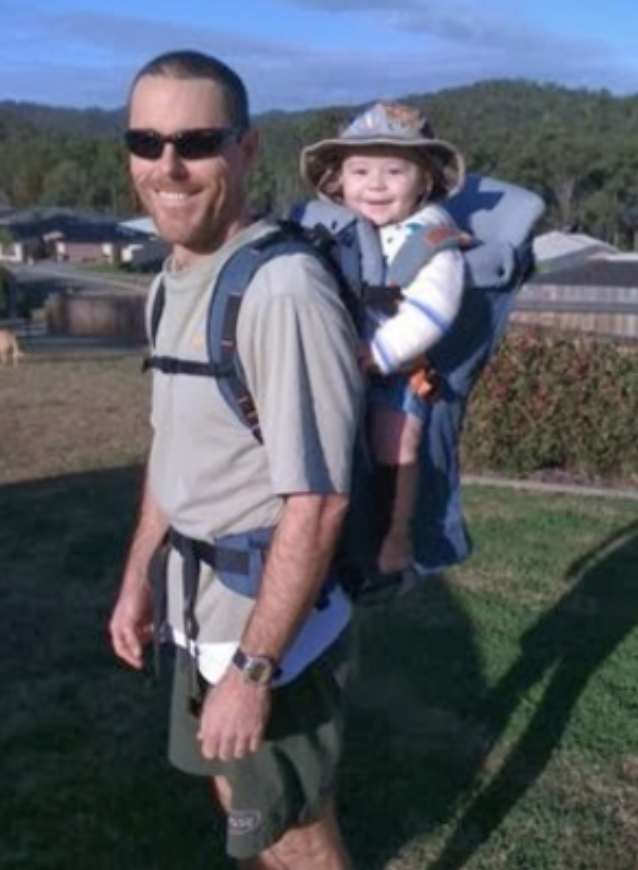
The publication of this book arrives at a time when the popularity of hiking and backpacking is at an all-time high. As more people seek refuge in the wilderness, the need for standardized, reliable safety information has never been more pressing.
By providing a clear, jargon-free roadmap, Hiking & Backpacking for Dummies has the potential to:
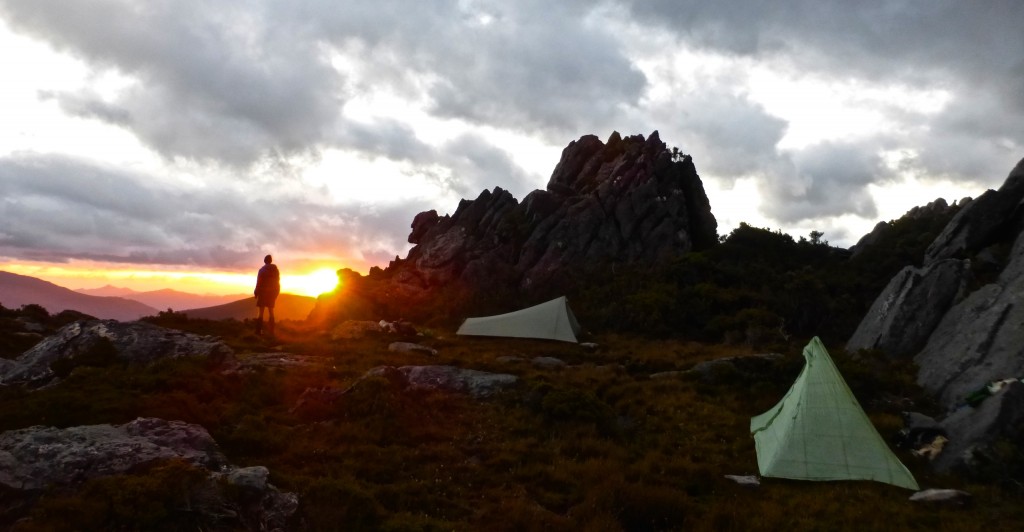
- Reduce Search and Rescue Incidents: By educating beginners on fundamental skills like navigation, gear selection, and environmental awareness, the guide acts as a preventative measure against common rookie mistakes.
- Foster Sustainable Practices: The integration of Leave No Trace principles throughout the text ensures that as the population of hikers grows, the impact on the environment remains minimal.
- Standardize Safety Protocols: In an age of conflicting advice from internet forums and influencers, having a reputable, vetted source of information provides a much-needed baseline for best practices.
Authorial Perspective: A Modest Launch
Perhaps the most humanizing element of this project is the author’s candid admission regarding the book’s launch. By his own account, his aptitude for marketing is "about as good as [his] skill at line dancing or macroeconomics."
Following the book’s release, the author opted for a "master strategy" that involved heading immediately into the wilderness for a trek in eastern Nepal. This, in many ways, underscores the authenticity of the project. The author is not merely a theorist; he is a practitioner. As he notes, the book is the culmination of countless miles and years of trial and error. Whether one is planning their first weekend trip or looking to optimize their gear for a long-distance thru-hike, the guide stands as a testament to the idea that the best way to learn about the trail is from someone who has lived it.

Conclusion
Hiking & Backpacking for Dummies is more than just a reference book; it is an invitation to participate in one of the most rewarding human experiences. By stripping away the elitism often associated with technical outdoor manuals and replacing it with clear, actionable advice, the book serves as a bridge for those who have long felt the call of the mountains but lacked the confidence to answer it.
For those interested in picking up a copy, the book is available in both paperback and Kindle editions. Retailers and local bookstores can source the title using ISBN: 978-1394350254. As the hiking community continues to expand, this guide is poised to become a foundational resource, ensuring that the next generation of trekkers is not only well-equipped but also well-informed, safe, and deeply respectful of the wild places they visit.

Disclaimer: This article includes references to affiliate links. Purchases made through these links support the continued creation of quality, independent content for the hiking community.