By Ben Emanuel | July 31, 2026
While the record-breaking heat waves of summer 2026 have dominated headlines, a more insidious and long-term threat is quietly reshaping the American Southeast: a persistent, severe, and intensifying drought. Across the region, from the rolling hills of North Carolina to the watersheds of Georgia, the landscape is entering a critical period of hydrological stress. The current dry spell is not merely a seasonal anomaly; it is a symptom of a shifting climate and a growing mismatch between human water demand and the natural capacity of our river systems.
The State of the Basin: Main Facts
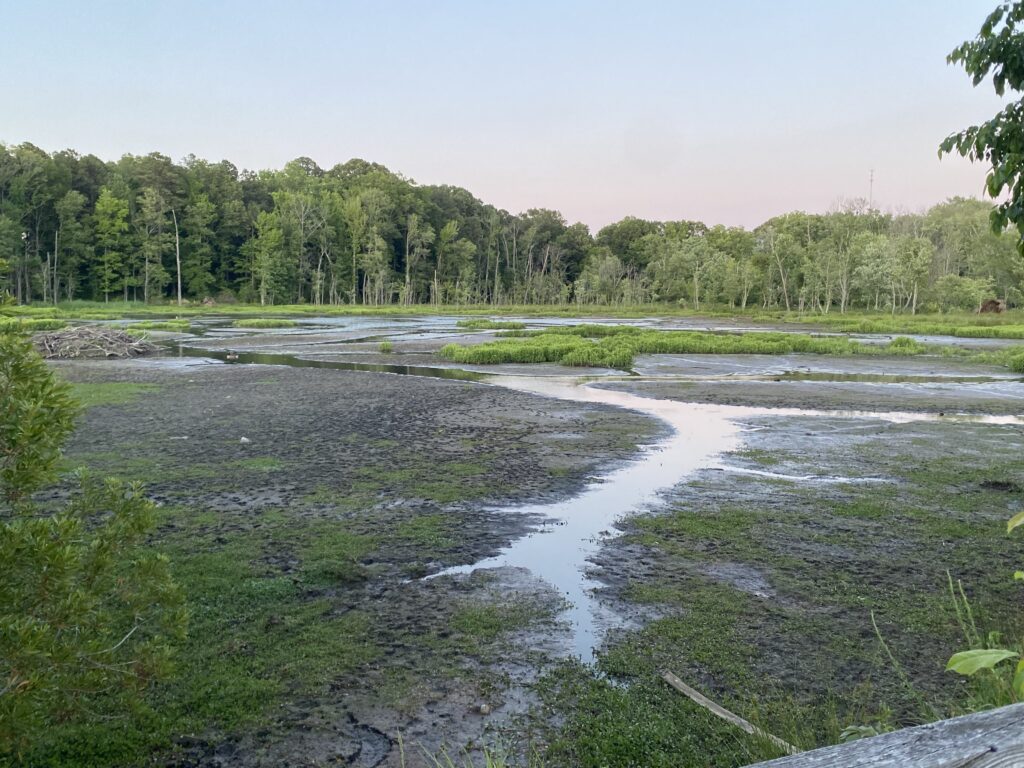
The U.S. Drought Monitor reports that vast swaths of the Southeast—particularly North Carolina—have been locked in severe or extreme drought conditions for months. The primary casualty of this prolonged dryness is the region’s network of rivers and streams. In many areas, water flows have plummeted to near-record-low levels.
Drought is a natural phenomenon, yet the current crisis is being exacerbated by human intervention. Our rivers are struggling under the cumulative weight of over-extraction, the alteration of natural flow regimes, and the rapid expansion of impervious surfaces. When we pave over watersheds, we destroy the land’s natural ability to absorb rainwater, preventing the recharge of groundwater that would otherwise sustain streamflow during dry periods.
The crisis is compounded by a "deficit of recharge." The current drought did not begin in the summer; it began with an uncharacteristically dry winter. In the Southeast, the cooler months are vital for replenishing the baseflow of our rivers. Because the winter of 2025-2026 failed to deliver sufficient precipitation, the region entered the summer heat with a "water debt" it could not pay off.
Chronology of the 2026 Drought
The trajectory of the current drought reveals a disturbing departure from historical norms:
- Winter 2025–2026: The foundational deficit. Unseasonably low rainfall during the recharge months left groundwater tables and reservoir levels at alarming pre-summer lows.
- Spring 2026: Instead of the typical "wet season" providing a buffer, the drought intensified. This deviation from the expected meteorological pattern left ecosystems vulnerable before the summer heat even peaked.
- Early Summer 2026: While Georgia experienced intermittent, moderate rainfall that briefly alleviated surface-level dryness, the deep-seated hydrological drought persisted.
- Mid-Summer 2026: Persistent heat waves began to rapidly evaporate remaining surface moisture, leading to record-low stream flows and high-stress scenarios for aquatic wildlife and municipal water supplies.
Supporting Data and Hydrological Implications
The environmental data emerging from this summer paints a sobering picture. When river flows drop early in the season, the impacts on riverine ecosystems are exponential, not linear. As water levels fall, temperatures rise, and dissolved oxygen levels drop. This creates a lethal environment for fish and aquatic insects.
The recent, tragic fish kill on the Chattahoochee River in Atlanta serves as a harrowing case study in "weather whiplash." Rapid oscillations between extreme drought and sudden, intense flash flooding—caused by the parched ground’s inability to absorb water—have created volatile conditions that threaten biodiversity.
Furthermore, the data indicates that our reliance on outdated water management models is failing. Population growth, the proliferation of urban sprawl, and the skyrocketing water demands of energy-intensive industries—such as the rapid expansion of regional data centers—are placing unprecedented pressure on a system that is already struggling to maintain a baseline of health.
The Human Element: Implications for Communities
The drought is not merely an environmental concern; it is a direct threat to human security. As river levels recede, the "margin of error" for municipal water supplies vanishes.
Communities that depend on surface water must contend with two major challenges:
- Water Scarcity: Reduced supply means increased competition between residential, industrial, and agricultural users.
- Water Quality: Lower flows concentrate pollutants. As water volume decreases, the impact of wastewater discharge and runoff from the landscape becomes more acute, requiring more aggressive—and expensive—treatment processes to ensure the water remains safe for consumption.
The implications for recreation are equally significant. River-based economies, which rely on fishing, paddling, and tourism, are seeing cancellations and closures. The loss of these activities is not just an economic blow; it represents a loss of the public’s connection to, and appreciation for, their local waterways.
Official Responses and Strategic Shifts
Advocacy groups like American Rivers are calling for a fundamental shift in how the Southeast approaches water management. The current reactive "crisis management" model must be replaced by a proactive, "efficiency-first" strategy.
Planning for the "Dry" When it is "Wet"
The most critical takeaway from the 2026 drought is the necessity of foresight. Water utilities and state governments must be mandated to plan for drought conditions during periods of abundance. This includes:
- Smart Infrastructure: Investing in "green" infrastructure that mimics natural hydrology, such as permeable pavements and restored wetlands, which help recharge groundwater.
- Efficiency Mandates: Implementing long-term water conservation policies that go beyond temporary "drought stage" restrictions. This includes upgrading aging, leaky infrastructure and incentivizing water-efficient technology in new commercial and residential developments.
- Natural Flow Protection: Protecting the integrity of river basins to ensure they can survive the inevitable cycles of dryness without collapsing.
Conclusion: A Call to Action
The 2026 drought is a harbinger of the challenges to come. As the climate continues to change, the "new normal" for the Southeast will be characterized by greater volatility. We can no longer treat water as an infinite resource that will always be replenished by the next storm.
For the individual, the path forward involves rigorous water conservation: fixing plumbing leaks, reducing outdoor water waste, and becoming a steward of the local watershed. For the policymaker and the utility manager, the task is much larger: it is the modernization of our relationship with our rivers.
We must protect our natural flows, integrate nature-based solutions into our urban landscapes, and ensure that our water planning is as resilient as the ecosystems we depend on. The rivers of the Southeast are the lifeblood of our communities; if we do not act to protect them now, the drought will do more than just dry up our streams—it will permanently diminish the quality of life for everyone in the region. The time to build for the next drought is not when the taps start to run dry, but now, while we still have the opportunity to make a difference.