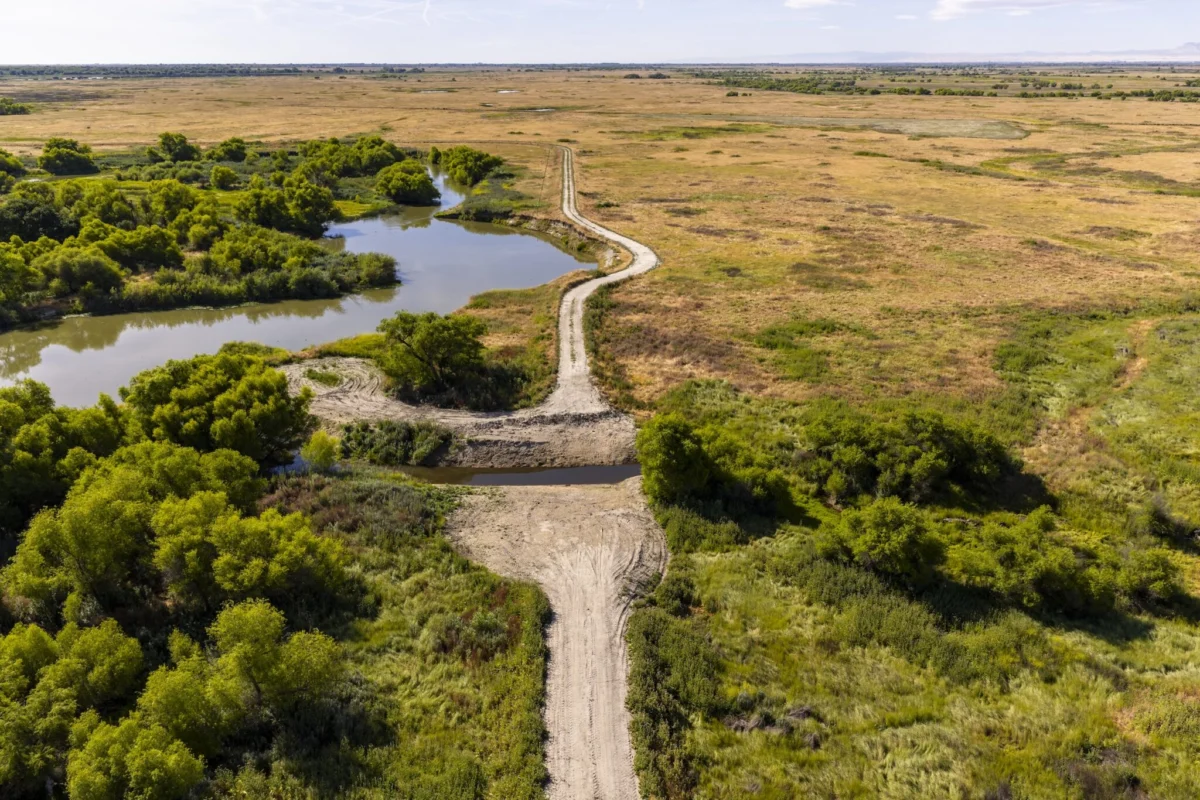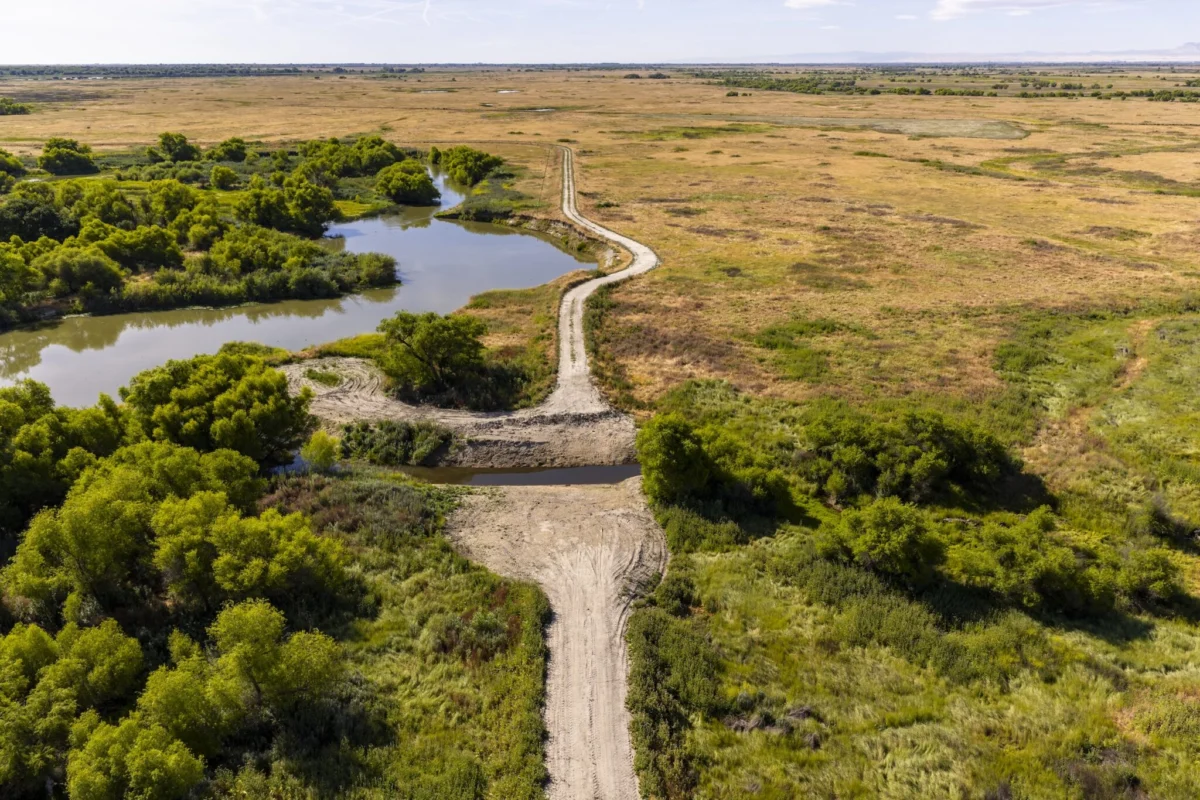
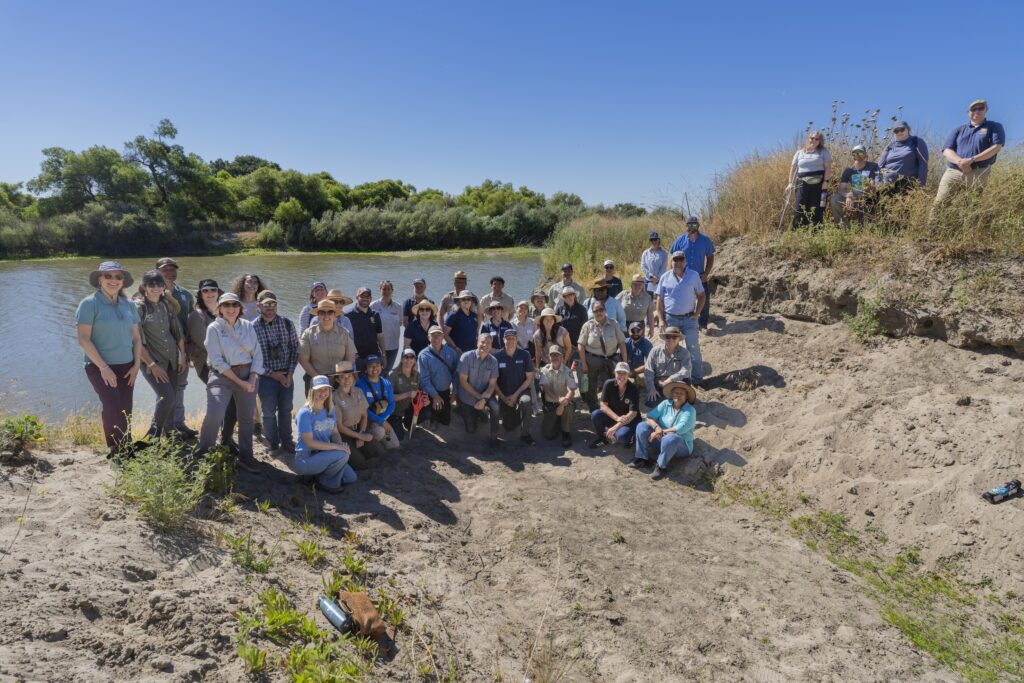
On the crisp, golden morning of June 11, 2026, the silence of the San Joaquin Valley was broken by a long-awaited sound: the rush of water reclaiming its ancestral path. At the Great Valley Grasslands State Park, located just outside of Merced, a diverse coalition of Tribal leaders, state officials, environmental scientists, and community members gathered to witness a historic transformation. They were there to mark the completion of the Grasslands Floodplain Restoration Project, a monumental effort that has finally reconnected the San Joaquin River to more than 220 acres of its historic floodplain.
For the attendees, the energy was palpable—a mixture of relief, pride, and profound historical acknowledgment. This was not merely the conclusion of a construction project; it was the final, critical step in a 15-year odyssey to undo decades of landscape degradation and restore the ecological heartbeat of one of California’s most vital waterways.
The Magnitude of the Restoration
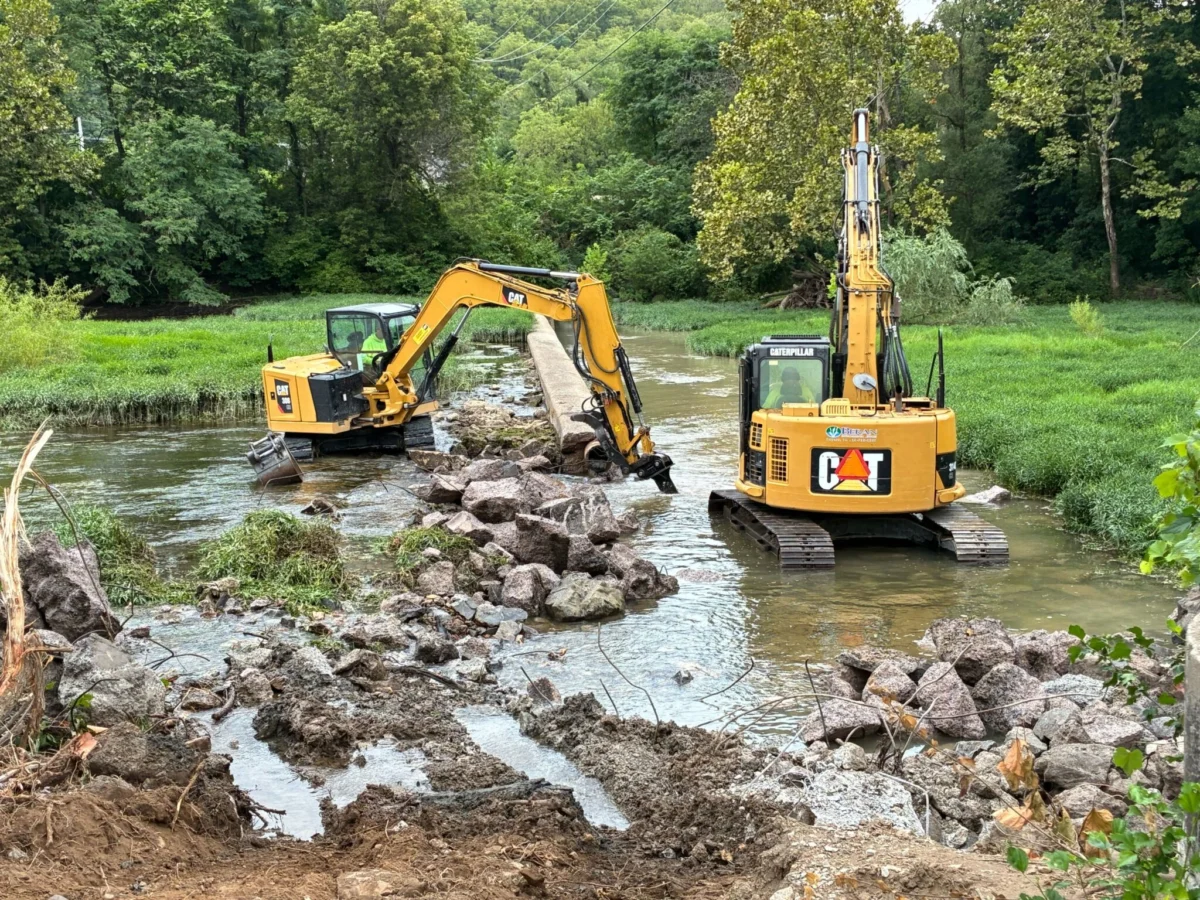
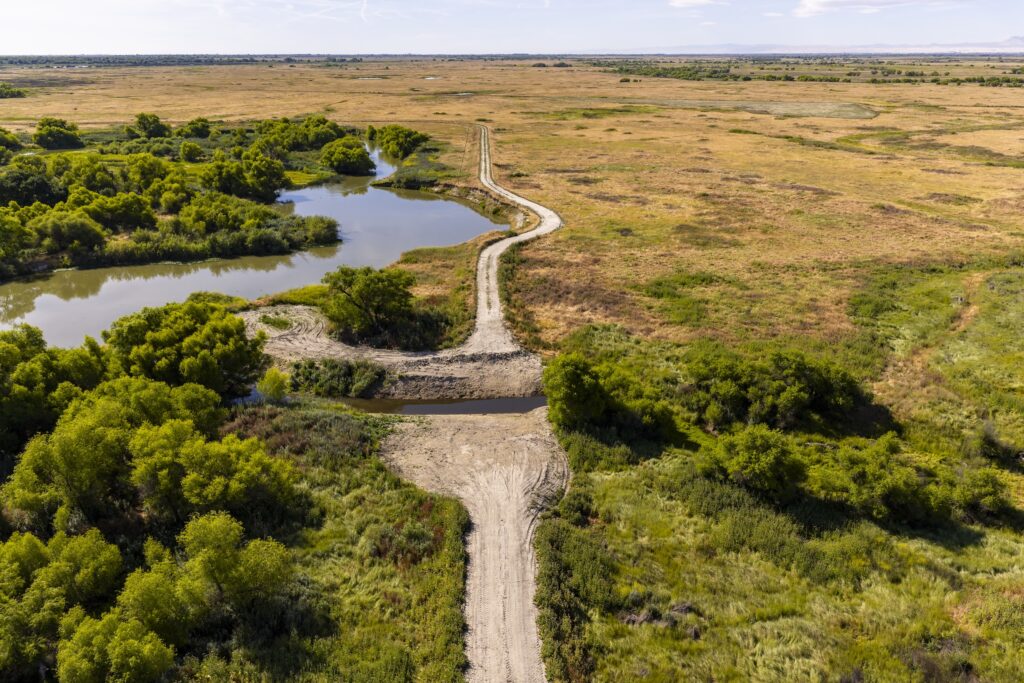
The Grasslands Floodplain Restoration Project stands as a cornerstone of modern ecological engineering in California. Completed in February 2026, the project involved the strategic breaching and removal of obsolete levees that had severed the river from its surrounding wetlands for over 75 years.
By restoring the river’s ability to naturally inundate the grasslands, the project addresses several urgent regional needs. It provides a sanctuary for threatened and endangered species, facilitates critical groundwater recharge, and preserves one of the last remaining undisturbed expanses of native grasslands in the San Joaquin Valley. This initiative, spearheaded by American Rivers in close collaboration with California State Parks, River Partners, and Flow West, was timed to coincide with California State Parks Week, serving as a beacon of what can be achieved through persistent, cross-sector partnership.
A Chronology of Persistence
The story of this landscape is one of unexpected origins and long-term stewardship. The park itself exists thanks to a 1982 land donation by Joseph Gallo, a legendary figure in the California dairy industry. Gallo gifted thousands of acres to the U.S. Fish and Wildlife Service and the state of California, with the express hope that the land would serve as a permanent sanctuary for wildlife.
However, the land arrived with a "scar" from the 1950s: a sprawling network of levees. These were not built for flood control, but rather to contain cattle. Even after the grazing ceased, the embankments remained, acting as artificial walls that prevented the San Joaquin River from accessing its floodplain. This alteration allowed invasive, non-native plant species to dominate the landscape, choking out the native grasses that had thrived for millennia.
The path to restoration began in earnest 15 years ago. It was a journey defined by bureaucratic hurdles, environmental setbacks, and the sheer difficulty of working within a dynamic, flood-prone landscape.
- 2011–2015: Initial assessments and feasibility studies were conducted to determine the best approach for levee modification.
- 2016–2020: The project navigated complex permitting processes and secured vital funding through California’s Proposition 1 and Proposition 68, as well as the California State Parks Cannabis Watershed Protection Program.
- 2021–2025: Construction faced recurring delays. Because the site is naturally flood-prone, record-breaking weather events frequently sidelined crews for months at a time.
- February 2026: Final construction and the removal of key levee segments were officially completed.
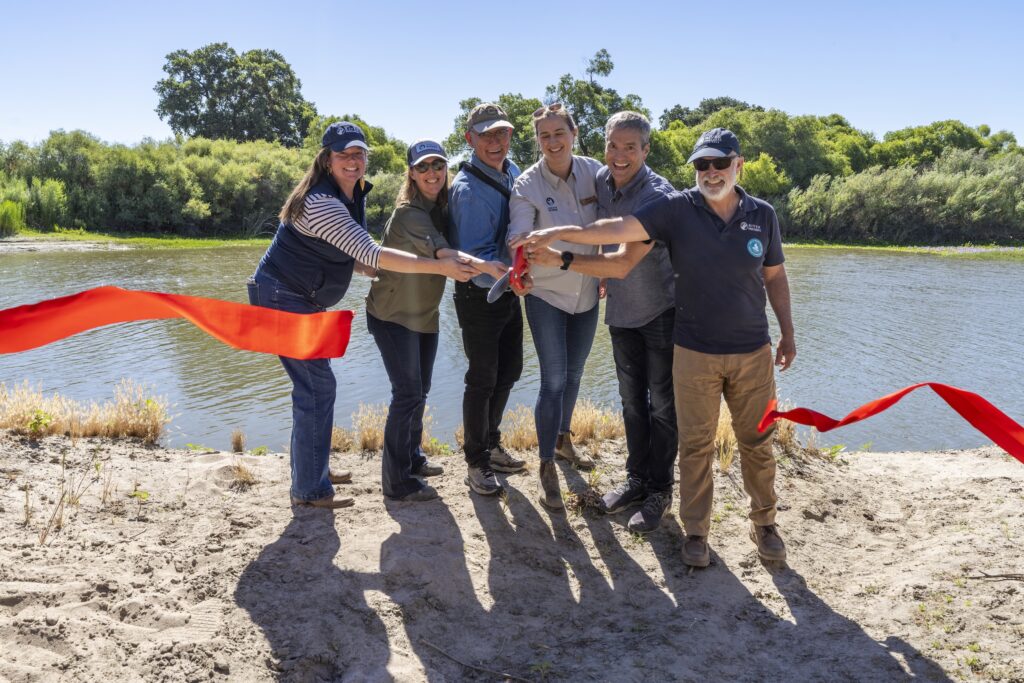
- June 11, 2026: The official dedication ceremony, where a ribbon was cut at the notch point, allowing the river to flow freely for the first time in nearly eight decades.
Scientific Data and Ecological Significance
The ecological stakes of this project are immense. Floodplains are among the most biologically productive ecosystems on Earth. By allowing the river to return to its natural rhythm, the project facilitates a "natural cleaning" of the land: seasonal flooding smothers invasive plants that require dry conditions and encourages the return of native wetland vegetation.
For the endangered Chinook salmon, this reconnection is a lifeline. Juvenile salmon require specific nursery environments—slow-moving, nutrient-rich waters—to grow and gain the strength needed for their arduous journey to the ocean. The floodplain acts as a "fish factory," providing abundant food sources like zooplankton. Preliminary research from similar projects suggests that salmon reared on floodplains grow faster and exhibit higher survival rates than those kept in the main river channel.
Furthermore, the project provides a tangible solution to the region’s groundwater crisis. With aquifers in the Central Valley severely depleted by decades of industrial agricultural pumping, the ability of this floodplain to act as a giant sponge—absorbing water and allowing it to percolate down into the water table—is a high-value outcome for local water security.
Official Responses and the "Relay" of Stewardship
The celebration featured an esteemed lineup of speakers who emphasized that this project was, in essence, a relay race.
"Restoration is neither a sprint nor a marathon," noted Dr. Ann Willis, California Regional Director for American Rivers. "It is a relay. We are passing the baton to the next generation to care for this land."
California Natural Resources Secretary Wade Crowfoot spoke to the broader state vision, while Chairperson Kathy Perez of the Northern Valley Yokut Ohlone Tribe offered a moving acknowledgment of the land’s original stewards. Their participation underscored the importance of integrating traditional ecological knowledge with modern engineering.
A unique component of the project’s success was the partnership with the private sector. The team from Cox Enterprises traveled from Atlanta to witness the results, reflecting a growing trend of corporate investment in long-term watershed health. For Cox, the project represents a measurable, permanent impact on groundwater replenishment and biodiversity.
Implications for the Future of California’s Central Valley
The completion of this project is a tipping point for the Central Valley, historically referred to as "park-poor." While California boasts 280 state parks, the vast majority are concentrated along the coastline or nestled in the mountains, leaving inland residents with limited access to public green space.
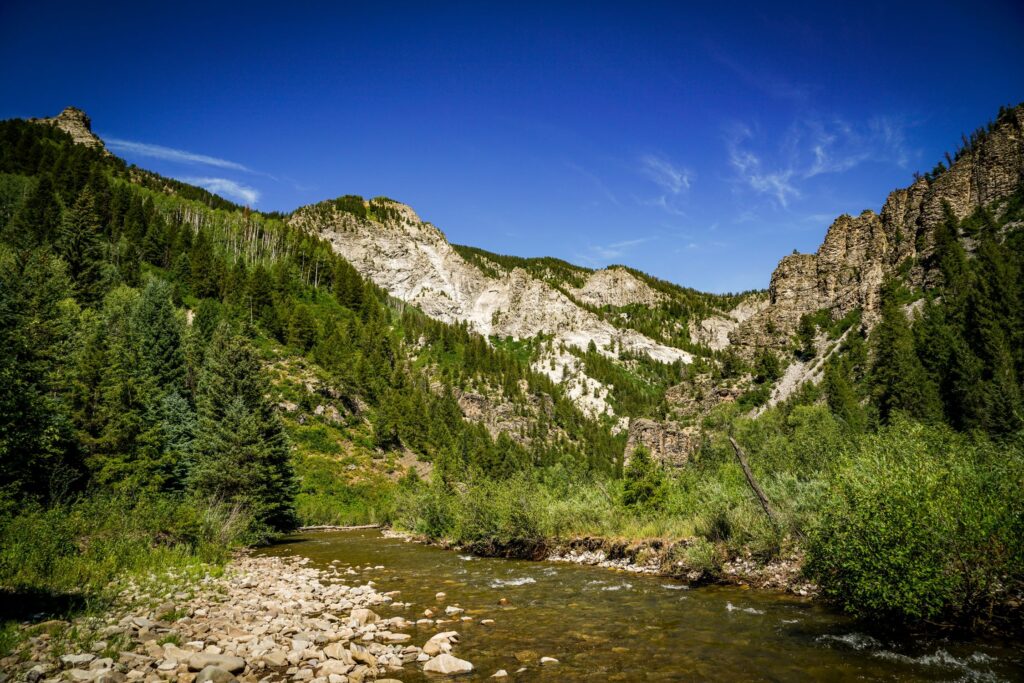
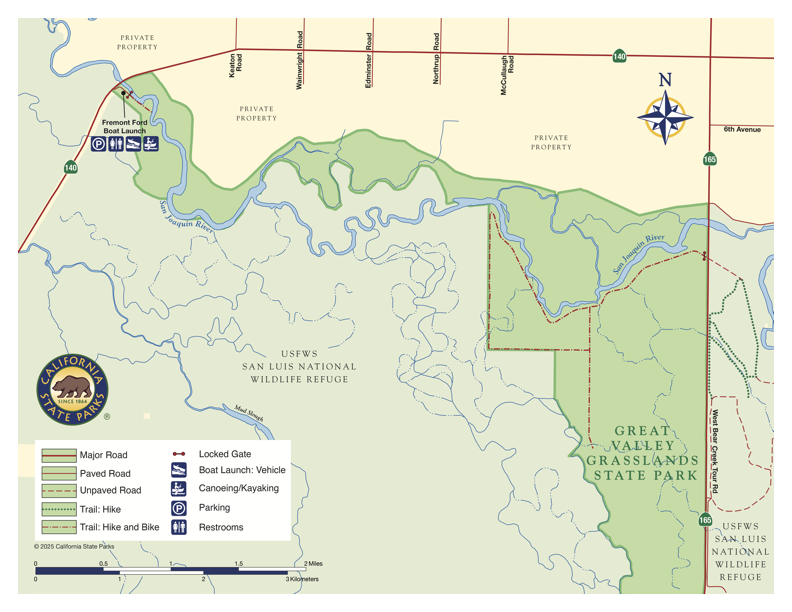
The Great Valley Grasslands State Park is poised to change this narrative. State Parks is currently gathering public input to develop a comprehensive General Plan, which will eventually introduce trails, interpretive signage, and visitor facilities, transforming this previously inaccessible landscape into a public destination.
Moreover, the success at Great Valley Grasslands is serving as a blueprint for future initiatives. American Rivers and the state are already collaborating on the restoration of an additional 1,000 acres of floodplain north of the river. This effort is being bolstered by Governor Gavin Newsom’s "State Parks Forward" initiative, which aims to expand the state park system significantly, including the development of the 874-acre San Joaquin River Parkway in Fresno.
Conclusion: A Living Legacy
As the ceremony concluded on that June morning, the sight of the water moving into the newly opened channel served as a powerful metaphor. The river, long constrained by the industrial needs of the mid-20th century, has finally been given the freedom to be itself again.
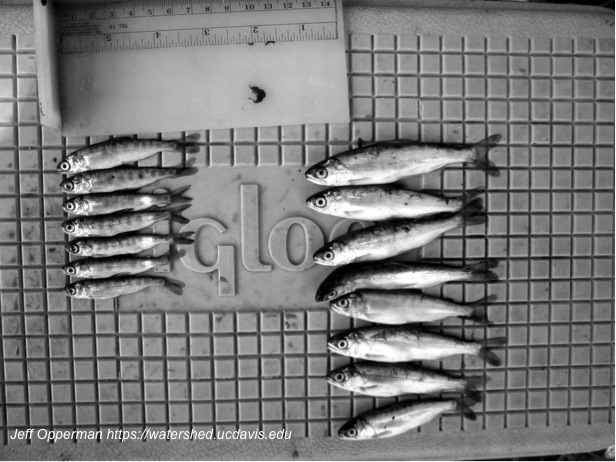
For the people of the San Joaquin Valley, the project offers more than just environmental benefits; it offers a reconnection to their own geography. The grasslands are beginning to heal, the salmon have a path to maturity, and the community has gained a new, expansive wild space. The 15-year wait is over, but in many ways, the life of this landscape is only just beginning. As the "baton" of stewardship is passed to the public and future generations, the Great Valley Grasslands stand as a testament to the fact that when we listen to the river, it will always find its way home.