Executive Summary: A Nation in the Dark
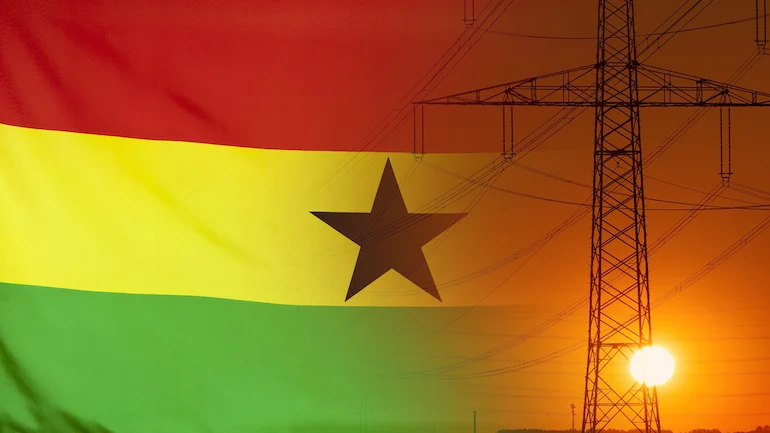
On July 29, 2026, the Republic of Ghana experienced one of its most significant systemic power failures in recent memory. The blackout, which commenced in the early hours of the morning, plunged the capital city of Accra, the commercial powerhouse of Kumasi, and vast swathes of the country’s northern regions into total darkness.
For 18 agonizing hours, millions of Ghanaians—from residential households to critical industrial sectors—were left without electricity. While power restoration efforts began shortly after the initial collapse, the ripple effects of the failure lingered for days, highlighting the fragility of the nation’s National Interconnected Transmission System (NITS). Preliminary findings released by the Ghana Grid Company (GRIDCo) point to a catastrophic lightning strike as the catalyst, though the incident has reignited a fierce national debate regarding the resilience, maintenance, and future security of Ghana’s energy infrastructure.
Chronology of the Collapse
The timeline of the July 29 incident serves as a stark reminder of how rapidly an interconnected power grid can unravel.
The Initial Disturbance
At exactly 3:11 AM, the stability of Ghana’s national grid was compromised. A sudden, massive electrical disturbance occurred on the NITS. In a cascading effect characteristic of grid instability, this anomaly forced multiple generating plants across the country to trip simultaneously. This automatic safety mechanism, designed to protect expensive hardware from irreparable damage, essentially severed the nation’s power supply in a matter of milliseconds.
The Immediate Response
As the grid collapsed, the control rooms at GRIDCo were thrust into emergency operations. The utility company immediately activated its contingency protocols, coordinating with key stakeholders in the power sector—including independent power producers and the Electricity Company of Ghana (ECG)—to isolate the fault and begin the slow, delicate process of "black-starting" the grid.
The Restoration Effort
By the afternoon of July 29, efforts to restore power were underway, prioritizing critical infrastructure such as hospitals and water treatment facilities. However, the complexity of the grid meant that restoration was not uniform. While some neighborhoods saw the return of electricity by late evening, many parts of the country remained in darkness for well beyond the 18-hour mark. In the days following the event, sporadic outages continued to plague consumers as the system struggled to stabilize under the weight of re-energizing the entire national network.
Official Findings: The Lightning Theory
GRIDCo, the state-run transmission utility, has been under intense pressure to explain how a single event could bring a national economy to a standstill. According to preliminary investigations, the root cause was a lightning strike—a natural phenomenon that, while common in West Africa, has exposed critical vulnerabilities in the nation’s lightning protection systems for high-voltage transmission lines.
While the "lightning strike" narrative provides a technical explanation for the trip, it has raised questions among energy experts. Critics are asking why a single strike could cause a total national collapse rather than a localized outage. GRIDCo has promised a "comprehensive investigation," acknowledging that while the lightning was the trigger, the extent of the failure suggests underlying structural weaknesses that require immediate remediation.
Contextualizing ‘Dumsor’: The History of Power Insecurity
To understand the public frustration surrounding the July 29 incident, one must understand the term “dumsor.” Derived from the Akan language, it translates literally to “off and on.” For many years, dumsor was not just a term, but a way of life for Ghanaians, representing a period of chronic, unpredictable power shortages that hampered economic growth and decimated small businesses.
In recent years, the government had touted a stabilization of the sector, claiming that the era of chronic load-shedding was largely a thing of the past. The addition of natural gas to the energy mix, coupled with a more robust management of thermal plants, had indeed led to a period of relative consistency. However, the events of July 29 have shattered the illusion of stability, proving that the grid remains highly susceptible to external shocks.
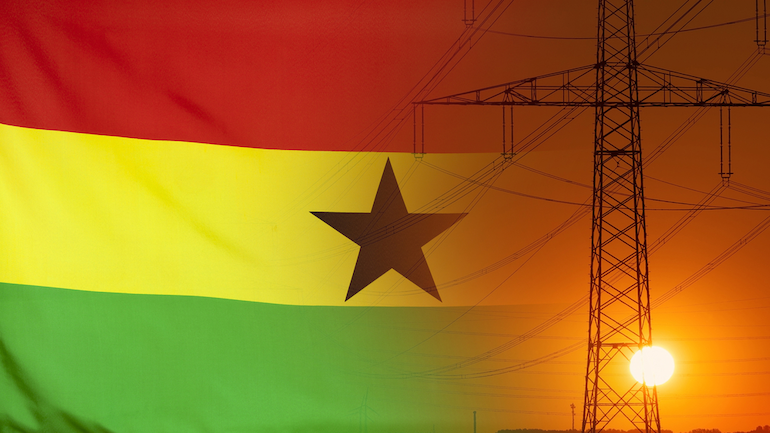
Supporting Data: The Energy Mix and Vulnerabilities
Ghana’s energy landscape is a complex tapestry of legacy infrastructure and modern thermal additions. Understanding the components of this grid is essential to evaluating its current performance.
1. The Hydropower Backbone
For decades, the Bui Dam and the Akosombo Dam have served as the bedrock of Ghana’s power supply. However, these facilities are aging. Decades of operation without the necessary capital-intensive overhauls have left them susceptible to maintenance-related failures.
2. Thermal and Gas Integration
The transition toward natural gas has been a double-edged sword. While gas-fired power plants provide the necessary capacity to meet rising industrial demand, they have introduced a dependency on fuel supply chains. Any interruption in gas supply—whether due to infrastructure failure at the processing plants or upstream issues—can lead to immediate supply gaps.
3. The West African Power Pool
Ghana is a significant player in the West African Power Pool (WAPP). It is not only an exporter of electricity to neighboring nations but is also a participant in a regional energy market that relies on cross-border transmission. When Ghana’s grid fails, the impact is felt beyond its borders, affecting the regional energy stability and the economic agreements it holds with neighboring countries.
Implications for Ghana’s Economic Future
The economic impact of an 18-hour nationwide blackout is difficult to quantify but undeniably massive.
Impact on Industry
Manufacturing, cold storage, and digital services are the engines of Ghana’s growing economy. These sectors require "five-nines" reliability (99.999% uptime). An 18-hour outage results in spoiled inventory, damaged machinery, and lost production hours that cannot be recovered. For foreign investors, such systemic failures act as a deterrent, raising the "cost of doing business" in a region already battling global inflation and currency fluctuations.
Public Trust and Governance
The political ramifications are equally severe. Energy is a central campaign issue in Ghana, and the return of a "national blackout" on this scale serves as a potent political weapon. The government is now faced with the task of convincing a skeptical public that the grid is being modernized fast enough to handle both the climate challenges (such as increased lightning strikes) and the growing demand for electricity.
The Path Forward: Recommendations for Grid Resilience
As the investigation into the July 29 incident continues, industry analysts are calling for several critical actions to prevent a recurrence.
- Grid Hardening: The transmission lines, particularly those traversing high-risk areas prone to severe weather, must be retrofitted with advanced surge protection and lightning mitigation technologies.
- Decentralization: Moving toward a more decentralized microgrid structure would prevent a single fault at a major transmission node from triggering a nationwide shutdown. If parts of the grid could "island" themselves during a disturbance, the damage could be contained to specific regions.
- Infrastructure Maintenance: A shift from reactive maintenance to predictive, AI-driven maintenance is essential for the aging hydropower facilities.
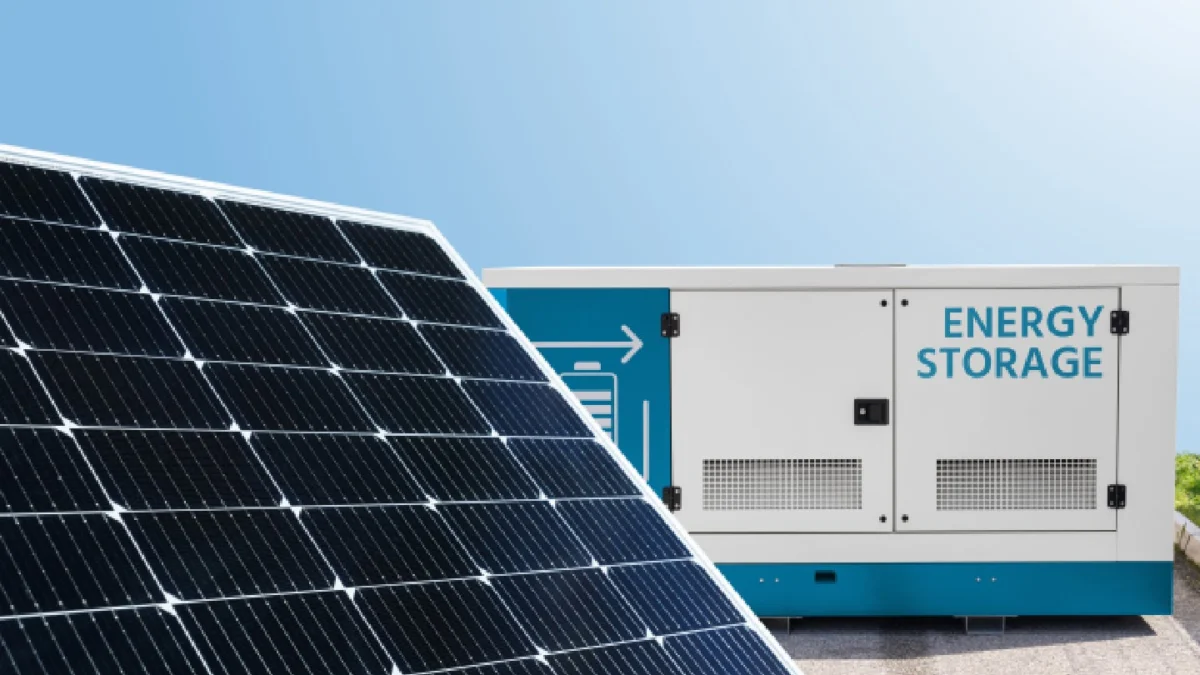
- Increased Storage: Investing in grid-scale battery storage would provide the necessary buffer to handle frequency fluctuations, allowing the system to absorb shocks without forcing plants to trip.
Conclusion: A Wake-Up Call
The events of July 29, 2026, serve as a stark reminder that in an era of climate change and technological dependency, power infrastructure is the most critical pillar of national security. While a lightning strike may have been the proximate cause, the total collapse of the grid was a systemic failure that demands a systemic response.
For Ghana to move beyond the shadow of dumsor and fulfill its potential as a regional energy leader, it must move beyond temporary fixes. The government and GRIDCo now face a pivotal moment: they can either treat this as an isolated incident or use it as the catalyst for a fundamental, state-of-the-art reconstruction of the nation’s energy future. The world is watching, and more importantly, the citizens of Ghana are waiting to see if the lights will stay on for good.