In a significant move to bolster the United States’ transition toward a carbon-neutral power sector, EDF Renewables North America has announced the execution of two long-term power purchase agreements (PPAs) with Nevada’s primary utility provider, NV Energy. These 25-year contracts secure the total output of the Winston Energy Project, a massive hybrid solar and battery energy storage system (BESS) facility slated for development in Lyon County, Nevada.
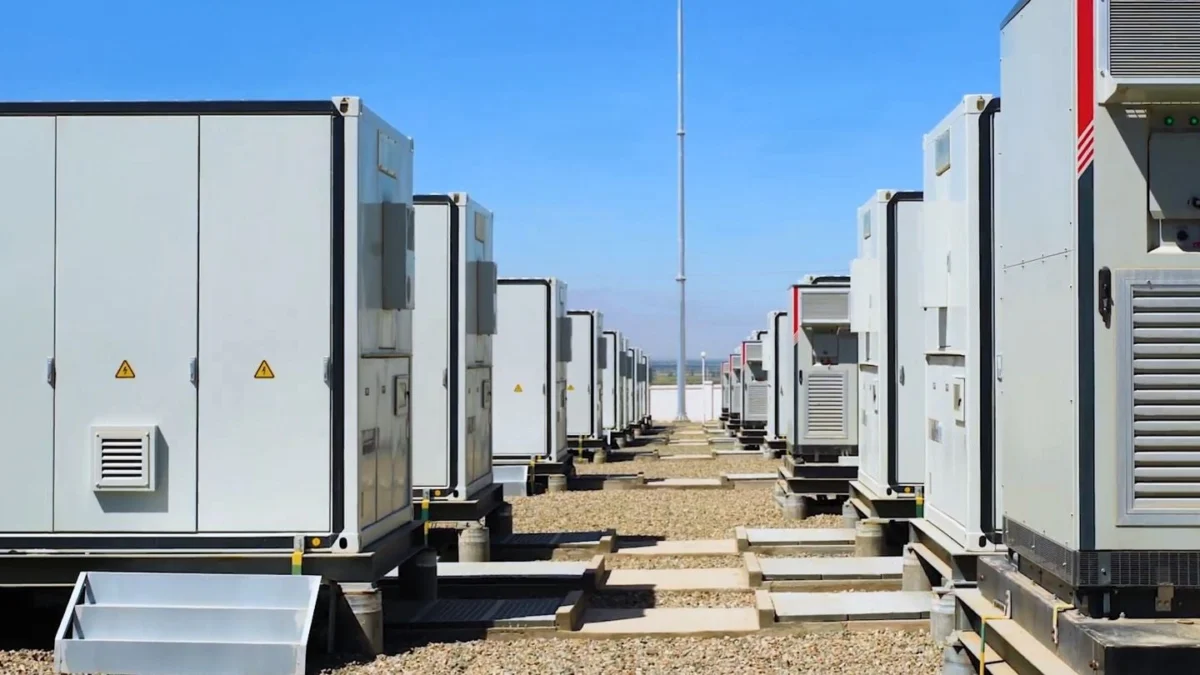
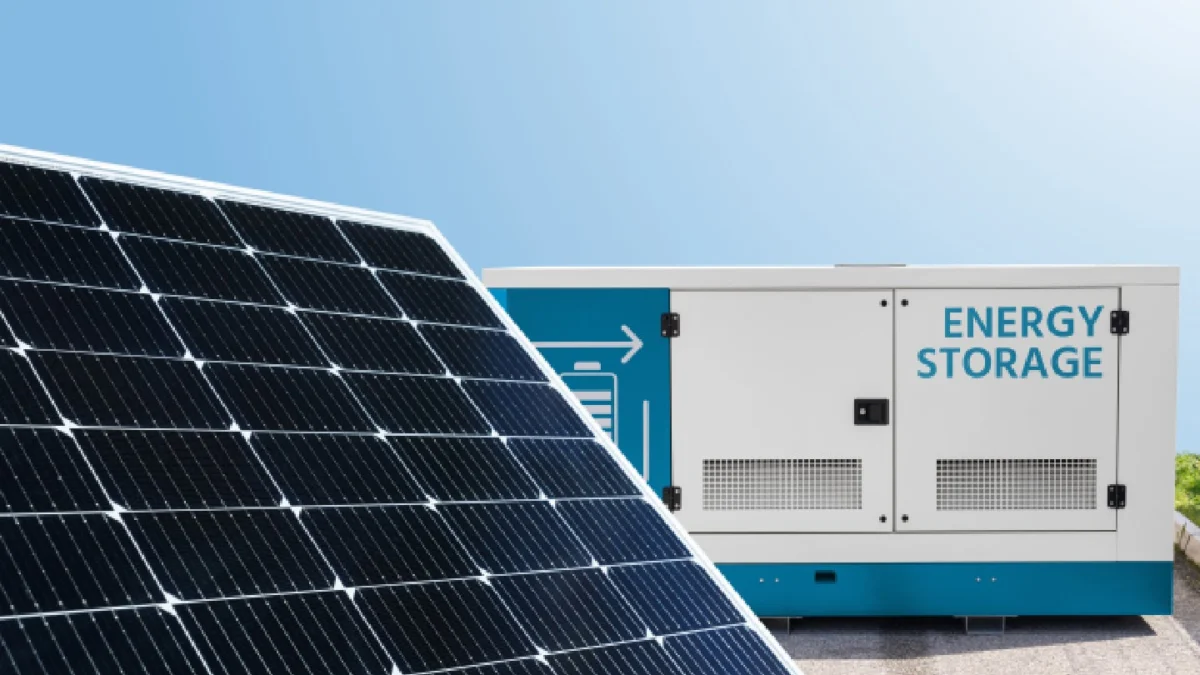
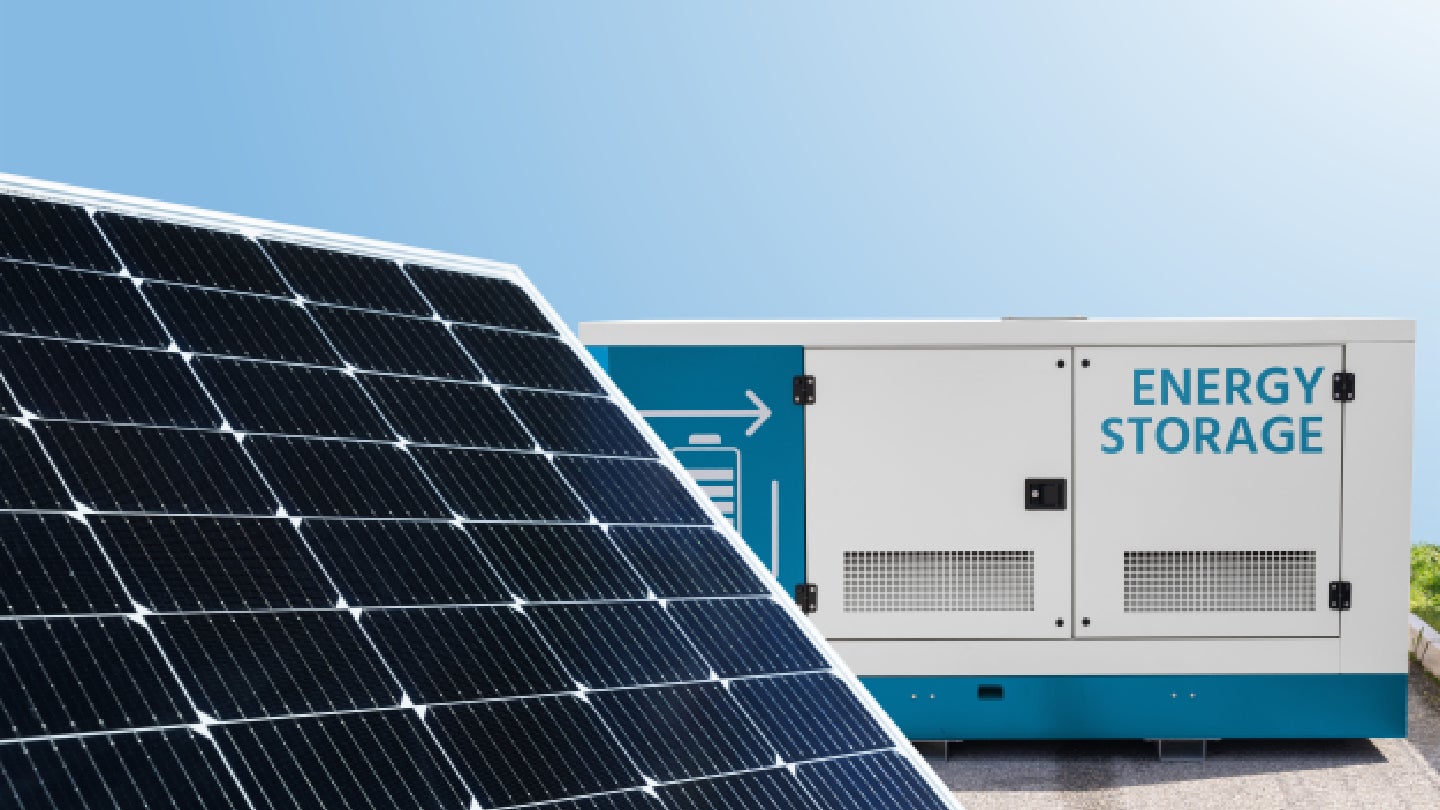
As regional grids across the American West face increasing pressure to balance the intermittency of renewable energy with rising consumer demand, the Winston Energy Project stands as a template for future utility-scale infrastructure. By integrating 400MW of alternating current (AC) solar generation with a 400MW/1.6GWh battery storage facility, the project aims to provide a reliable, dispatchable stream of clean energy that can power the grid even after the sun sets.
The Scope of the Winston Energy Project: Key Facts
The Winston Energy Project is designed to be a centerpiece of Nevada’s renewable energy portfolio. Spanning private land in Lyon County, the facility leverages the state’s high solar irradiance to maximize output.
- Generation Capacity: 400MW of solar energy.
- Storage Capacity: 400MW / 1.6GWh of BESS, allowing for four hours of discharge.
- Operational Timeline: Construction is expected to commence shortly, with a target grid-connection date of October 2029.
- Output Metrics: The facility is projected to deliver approximately 1.11 terawatt-hours (TWh) of renewable energy annually—sufficient electricity to supply roughly 100,000 Nevada homes.
The integration of storage is critical. Unlike traditional solar farms that are at the mercy of daylight hours, the Winston project’s 1.6GWh battery array allows the utility to "time-shift" energy, releasing stored solar power during peak evening demand hours when the grid typically relies on fossil-fuel-burning "peaker" plants.
Chronology and Development Roadmap
The path to this agreement reflects the methodical planning required for projects of this magnitude. While the official announcement of the PPA comes in late 2026, the groundwork began years prior, involving rigorous site selection, environmental impact assessments, and grid interconnection studies.
- Early Planning (2024–2025): EDF Renewables conducted feasibility studies for the Lyon County site, focusing on solar exposure, topographical suitability, and proximity to NV Energy’s existing transmission infrastructure.
- Regulatory and Permitting (2025–2026): The project navigated state and local regulatory hurdles, securing the necessary zoning and environmental permits required for development on private land.
- The KKR Milestone (June 2026): A pivotal moment in the company’s history occurred when EDF entered into a definitive agreement with private equity giant KKR. Under the deal, KKR was granted an irrevocable right to acquire EDF’s North American power solutions assets. This transition marks a new chapter for the entity, providing the financial backing necessary to execute capital-intensive projects like Winston Energy.
- PPA Execution (August 2026): The signing of the two 25-year agreements solidifies the project’s bankability, ensuring long-term revenue certainty and allowing for the finalization of supply chain procurement.
- Construction Phase (2027–2029): With the PPAs secured, the project will enter a massive construction phase, expected to create over 400 jobs at peak capacity.
- Commercial Operation (October 2029): The projected date for full grid synchronization and the start of energy delivery to NV Energy customers.
Economic and Environmental Implications
Beyond the sheer wattage produced, the Winston Energy Project serves as an economic engine for rural Nevada. The project is estimated to generate approximately $100 million in tax revenue over its operational life, providing a substantial fiscal boost to Lyon County. This influx of capital will support local schools, infrastructure, and emergency services, demonstrating the tangible benefits of green energy development for rural communities.
From an environmental standpoint, the project is a formidable tool in the fight against climate change. By displacing the need for carbon-heavy generation, the facility is projected to prevent the emission of CO2 equivalent to taking more than 187,000 passenger vehicles off the road annually. This reduction in greenhouse gas emissions aligns with both Nevada’s state-level decarbonization goals and broader federal clean energy mandates.
Official Responses and Strategic Vision
The collaboration between EDF Renewables and NV Energy is built upon a history of successful projects. For both entities, the Winston Energy Project is not merely an infrastructure investment, but a strategic alignment of goals.
Jacqueline de Fresart, Associate Director of Origination and Power Marketing at EDF Renewables North America, emphasized the importance of this relationship in a recent statement: "We are delighted by our continued partnership with NV Energy and our ability to contribute paired solar and storage solutions which provide efficient, sustainable, and reliable energy to its customers. We look forward to more opportunities together and to accelerate decarbonization in North America."
The sentiment reflects a shift in the renewable energy industry: the transition from viewing solar as a supplementary energy source to treating it as a primary, reliable component of the grid. By pairing solar with large-scale storage, EDF is helping to solve the "duck curve" problem—the mismatch between peak solar generation during the day and peak energy consumption in the early evening.
The Changing Landscape of North American Energy
EDF Renewables, with a legacy spanning over 35 years and a portfolio featuring 26GW of solar, wind, and storage capacity, remains a dominant player in the energy transition. The company’s integrated approach—combining grid-scale power with emerging sectors like electric vehicle (EV) charging services—positions it uniquely to navigate the complexities of the modern energy grid.
However, the industry is in a state of flux. The June 2026 agreement with KKR signifies a broader trend of private equity involvement in the energy sector. As capital markets become increasingly focused on Environmental, Social, and Governance (ESG) criteria, the acquisition of renewable portfolios by institutional investors provides the necessary liquidity to scale projects rapidly. This transition does not diminish the operational expertise of the EDF team; rather, it provides a stable platform for the company to continue its mission of delivering sustainable energy solutions.
The Future of Hybrid Energy
The Winston Energy Project is emblematic of the "hybridization" trend currently dominating the U.S. renewable sector. As interconnection queues across the country remain clogged with thousands of gigawatts of proposed projects, utility companies and developers are prioritizing projects that provide "firm" or "dispatchable" power.
A project like Winston Energy—which combines generation and storage—is far more valuable to a grid operator than a stand-alone solar plant. Because it can control when energy is injected into the grid, it reduces the need for expensive grid upgrades and minimizes the risk of energy curtailment.
As we look toward 2029 and beyond, the Winston project will be monitored closely by industry analysts. Its success will likely dictate the pace of future investment in Nevada and similar arid regions. With 100,000 homes set to benefit from this clean, resilient energy supply, the project is a testament to what is possible when aggressive corporate strategy meets long-term utility planning.
The combination of significant job creation, substantial tax contributions, and a massive reduction in the state’s carbon footprint ensures that the Winston Energy Project will be remembered as a milestone in the American West’s journey toward a cleaner, more sustainable energy future. By bridging the gap between renewable potential and consumer reliability, EDF Renewables is not just building a power plant; it is building a foundational component of the next-generation American grid.