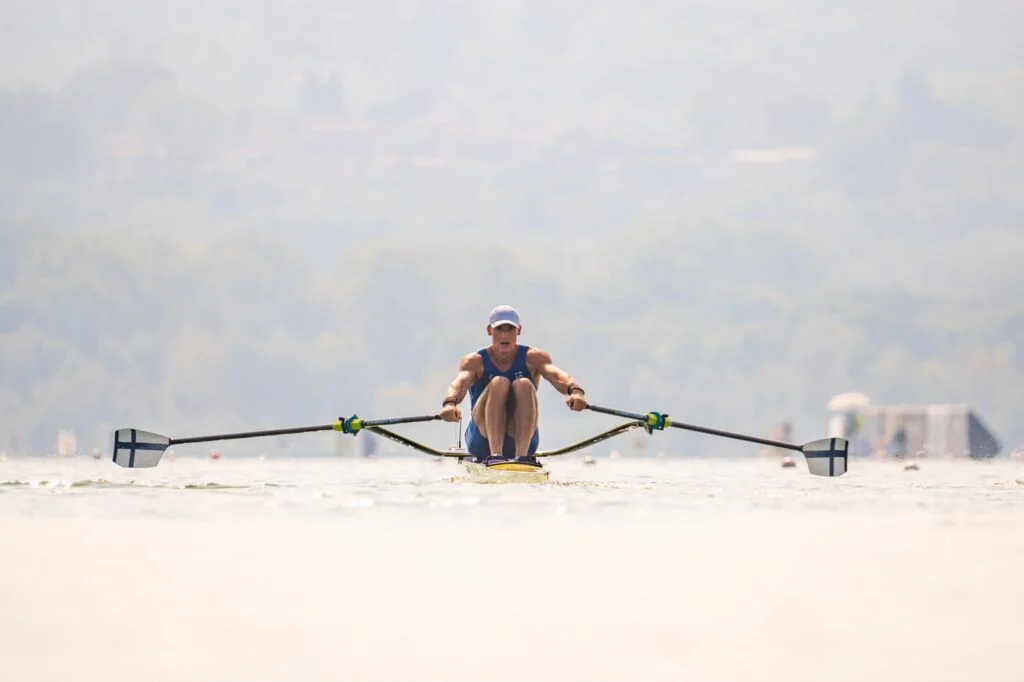
Bled, Slovenia – In a remarkable display of athletic prowess, unwavering determination, and profound camaraderie, a contingent of Finnish Masters rowers recently concluded their challenging yet triumphant campaign at the World Masters Rowing Regatta in Bled, Slovenia. Drawing parallels to the demanding scenarios depicted in reality television’s "Special Forces" concepts, where elite military units undertake formidable tasks in extreme conditions, the Finnish rowers faced their own crucible of physical and mental endurance. Far from a mere recreational outing, this classical Masters rowing competition pushed athletes to their absolute physical limits amidst breathtaking scenery, forging unforgettable memories and solidifying a burgeoning national community.
The World Masters Rowing Regatta, a pinnacle event for rowers aged 27 and above, annually attracts thousands of participants from across the globe, celebrating the enduring spirit of competitive rowing beyond the elite Olympic circuit. Bled, with its iconic lake nestled amidst the Julian Alps and its historic rowing legacy, provided an awe-inspiring, albeit demanding, backdrop for this year’s contest. For the Finnish "special forces" unit, comprising seasoned athletes from various clubs including NRC, Smark, Turun Soutajat, and Tako, alongside a Finnish coxswain from Germany’s Ruderklub Hamburg Allemannia, the regatta was a true test of their mettle. Their journey to Bled was not just about winning medals, but about embracing the extreme demands of the sport, fostering national unity, and pushing personal boundaries.
Main Facts: The Crucible of Bled
The World Masters Rowing Regatta in Bled, Slovenia, held over five intense days, brought together an astonishing 4,600 athletes from numerous nations, all vying for supremacy in their respective age categories. For the Finnish delegation, this event represented the culmination of dedicated training and a shared passion for rowing, transcending club loyalties.
Key Highlights:
- Venue: Lake Bled, Slovenia, renowned for its picturesque beauty and historic association with international rowing events.
- Participants: Approximately 4,600 Masters rowers (aged 27+) from around the world. The Finnish contingent included athletes from NRC, Smark, Turun Soutajat, Tako, and a Finnish cox from Ruderklub Hamburg Allemannia.
- Competition Format: Classical 1000-meter sprint races across various boat classes (singles, doubles, quads, eights) and age categories. Starts were staggered every three minutes, with all heats consistently sold out, reflecting the event’s immense popularity.
- Finnish Success: Turun Soutajat secured multiple gold medals, underscoring the high caliber of Finnish Masters rowing. The overall Finnish performance was commendable, despite some promising races being canceled due to adverse weather.
- "Special Forces" Metaphor: The Finnish team embraced a "Special Forces" reality TV concept to describe their rigorous daily routines and high-pressure racing conditions, highlighting the extreme physical and mental demands of the regatta. This metaphor aptly captured the spirit of perseverance required to navigate the logistical challenges and intense competition.
- Community Building: Beyond individual and club achievements, the regatta served as a powerful catalyst for strengthening the "Masters Rowing Finland" community. The shared experiences in Bled led to the formal establishment of a dedicated WhatsApp group and plans for a more organized presence at future international events, including a national tent.
- Spirit of Competition: The regatta was characterized by a warm, inclusive atmosphere, fostering both fierce but fair competition and a profound sense of global camaraderie among athletes who share a lifelong dedication to the sport.
The event’s unique blend of competitive rigor, challenging conditions, and unifying spirit left an indelible mark on the Finnish participants, cementing their commitment to Masters rowing and inspiring future generations of athletes.
Chronology: A Week of Extreme Operations
The journey to Bled and the subsequent five days of competition unfolded as a series of meticulously planned "operations," mirroring the structured yet unpredictable nature of a special forces mission. Every dawn brought new challenges, demanding adaptability, resilience, and an unwavering team spirit.
Pre-Regatta Preparation and Arrival:
Months, if not years, of dedicated training preceded the trip to Bled. Masters rowers, often balancing demanding professional careers and family lives, commit significant time to maintaining the peak physical condition required for international competition. This involves early morning practices, weekend training camps, and meticulous attention to diet and recovery. The anticipation for Bled 2026, often framed euphemistically as a "self-improvement retreat" in professional circles, was palpable. Upon arrival in Bled, the sheer scale of the event, with thousands of athletes converging on the tranquil lake, immediately set the stage for the intense week ahead. The picturesque beauty of the Slovenian landscape, while inspiring, did little to soften the looming competitive demands.
Dawn Patrol: The Daily Gauntlet:
Each day began long before sunrise, echoing the "before the rooster crows" start time of the special forces analogy. Sleep, often curtailed by nervous excitement or the sheer logistics of travel, was a luxury. The first "extreme challenge" of the day often involved seemingly mundane tasks transformed into high-pressure missions: locating a matching pair of socks in dim light, coaxing an unfamiliar coffee machine to life, or, crucially, finding the ubiquitous 10mm spanner ("kymppiavain") essential for fine-tuning boat rigging.
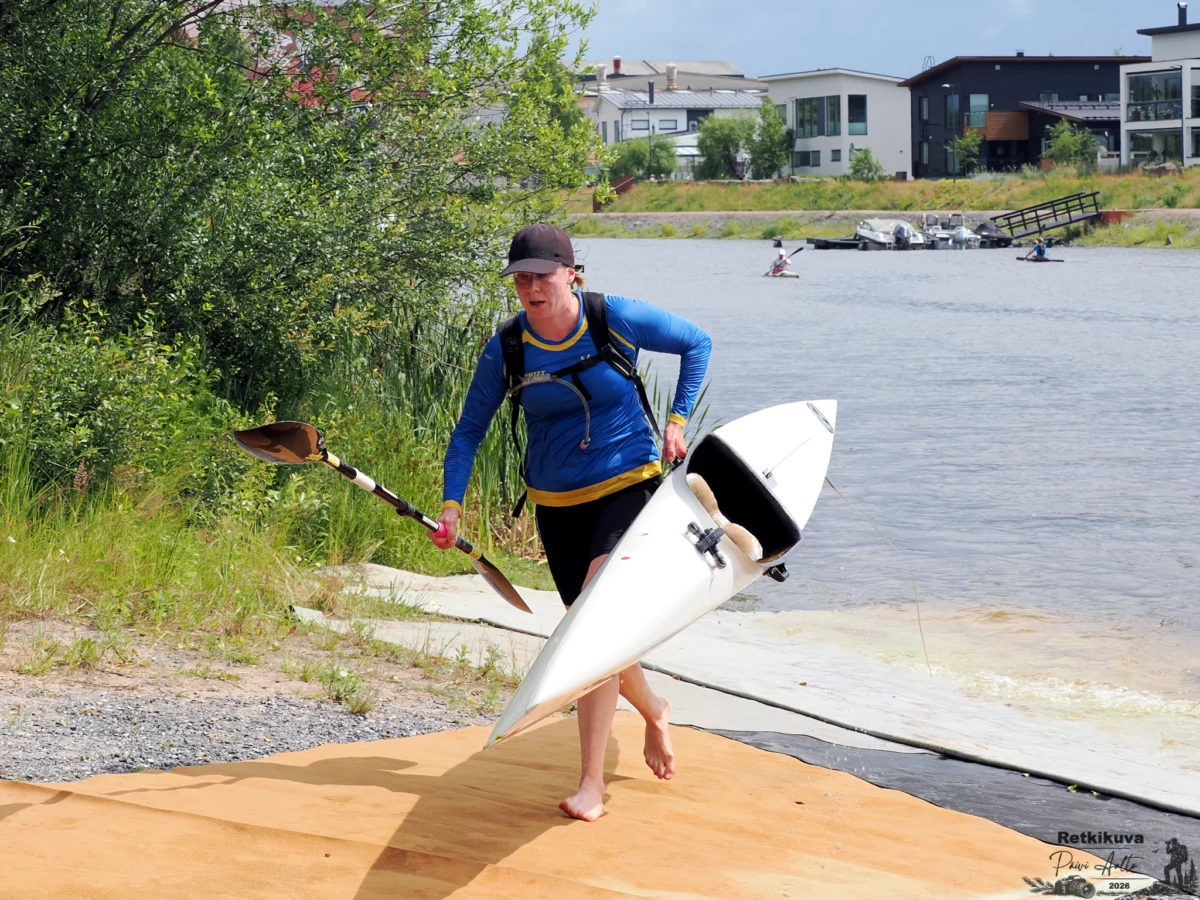
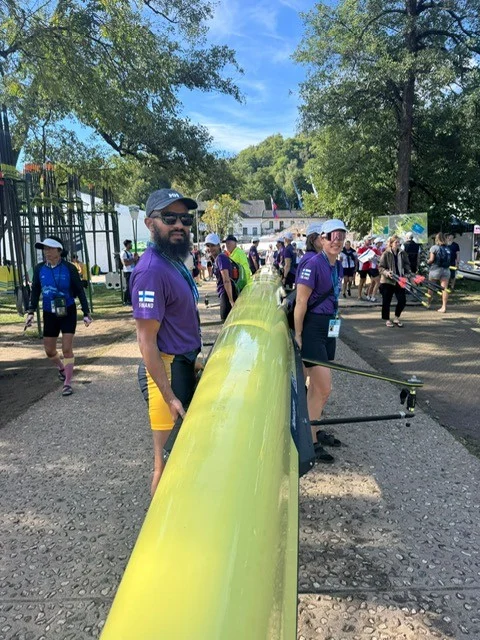
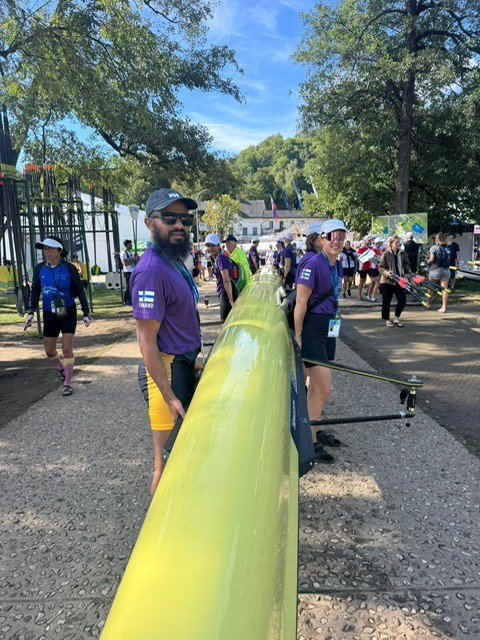
Once personal readiness was achieved, the focus shifted to team logistics. Heavy racing shells, often weighing over 100 kg for an eight, had to be meticulously transported from storage areas high up on the field down to the lake’s edge. This arduous task, performed under challenging pre-dawn conditions – be it slippery mud from overnight rain or the emerging heat of the morning sun – required synchronized effort and careful coordination, a true test of physical strength and teamwork.
Logistical Sprints and Adaptability:
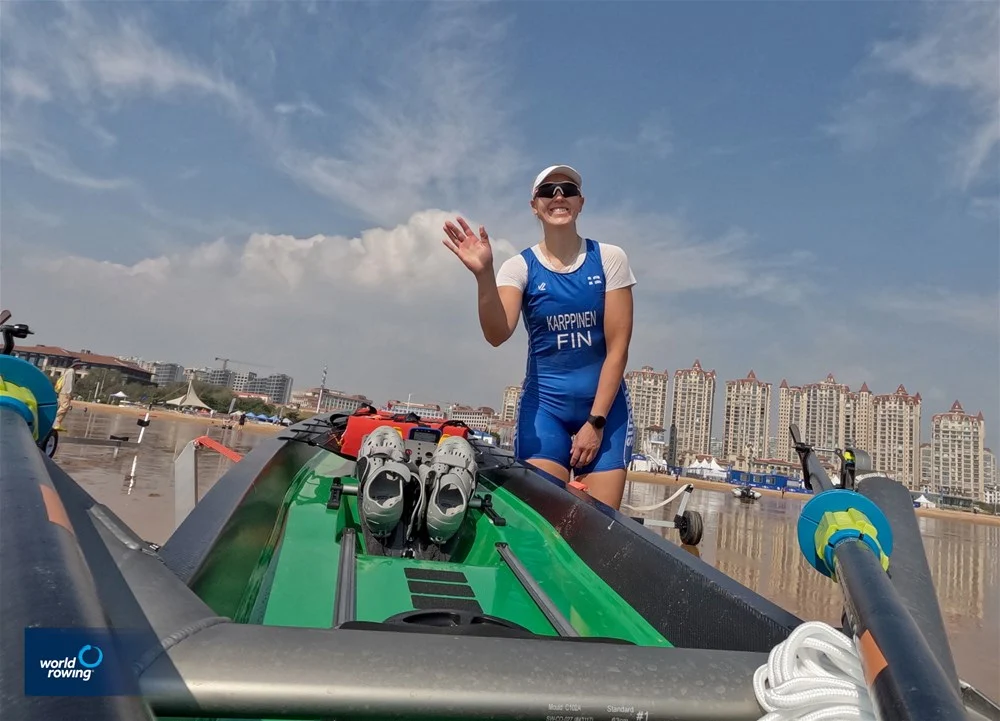
With boats launched, the pre-race routine intensified with a series of urgent "sprints." Athletes would dash to collect their race numbers, retrieve specific oars, locate a potentially delayed bow rower, or secure a coveted spot on an ergometer in the crowded warm-up hall. These seemingly minor tasks were critical for ensuring a smooth and timely start, adding layers of stress to an already demanding schedule.
The weather in Bled proved to be an unpredictable adversary, demanding constant adaptation. On some days, participants endured torrential rain, with temperatures plummeting to 14°C, turning pathways into ankle-deep mud. On others, the sun beat down relentlessly, pushing temperatures to a scorching 35°C on the turquoise waters of the lake. Yet, true to the "special forces" spirit, there was no complaining. The elite Masters unit navigated every climatic challenge with stoicism, recognizing that such extremes are an inherent part of outdoor endurance sports.
Battle Missions: The 1000-Meter Grinders:
The core "battle missions" consisted of the 1000-meter races, each an anaerobic test of will and physiological capacity. From the solitary focus of the single scull to the synchronized power of the eight, every stroke demanded 100% of the athletes’ oxygen uptake and muscular endurance. While the official Masters distance is 1 kilometer, the intensity made it feel significantly longer. As one rower aptly put it, the first race might feel like 2 kilometers, but by the fifth start on the final day, it felt like a grueling 3 kilometers. The encouraging words and expert coaching, notably from Anne of VVV, resonated throughout the Finnish boats, ensuring that every crew, including those from Tako, powered through to the finish line, regardless of the perceived distance.
A dramatic turn of events occurred when thunderstorms forced the cancellation of some of the most anticipated races. This was particularly frustrating for the Finnish contingent, as it robbed some of their strongest crews of the opportunity to compete for additional gold medals. However, the resilient spirit prevailed. In a highlight of internal rivalry and camaraderie, two Finnish crews – Smark International and a combined Tako/NRC boat – found themselves lining up against each other in the D-series mixed eights. A friendly wager was struck before the start: the losing crew would buy celebratory drinks for the winners. This good-natured competition, set to be settled at the Finnish Rowing Federation’s autumn gala, epitomized the balance between fierce rivalry and mutual respect that defines Masters rowing.
Post-Race Camaraderie and Departure:
As the regatta drew to a close, the competitive intensity gave way to a celebratory atmosphere. Despite the physical exhaustion, the mood across the race venue was warm and infused with a palpable "we-spirit." It was a true festival of sport, characterized by honest competition and a powerful sense of global community. Athletes from diverse backgrounds connected through their shared passion, creating a vibrant international tapestry. The Finnish "special forces" demonstrated exemplary teamwork and mutual aid throughout, assisting each other with boat handling, logistics, and moral support, transcending individual club affiliations. The departure from Bled was marked by a deep sense of accomplishment, physical weariness, and the satisfaction of having pushed beyond perceived limits.
Supporting Data: The Anatomy of Masters Rowing and Bled’s Allure
To fully appreciate the achievements of the Finnish Masters rowers, it’s essential to understand the context of Masters rowing, the unique appeal of Bled as a venue, and the logistical intricacies of such a massive event.
Masters Rowing: A Growing Phenomenon:
Masters rowing is a vibrant and rapidly growing segment of the sport, catering to athletes typically aged 27 and above, with categories extending into their 80s and beyond. Unlike junior or elite rowing, which often focuses on Olympic aspirations, Masters rowing emphasizes lifelong participation, health, and community, alongside a competitive drive. Athletes are grouped into age categories (e.g., A: 27+, B: 36+, C: 43+, D: 50+, etc.) to ensure fair competition. This structure allows rowers to continue pursuing their passion, challenge themselves, and stay physically active long after their "prime" competitive years. The spirit of Masters rowing is one of sportsmanship, mutual encouragement, and the joy of participation, often leading to deep friendships that span continents. The physical demands, particularly in sprint races like the 1000m, remain incredibly high, requiring exceptional cardiovascular fitness, muscular strength, and technical proficiency. For many, it’s a way to maintain a competitive edge and a disciplined lifestyle.
Bled: A Historic and Picturesque Arena:
Lake Bled, Slovenia, is not merely a beautiful tourist destination; it holds a revered status in the international rowing community. Its calm, clear waters, sheltered by the surrounding Alps, offer ideal conditions for racing. Bled has a rich history of hosting major rowing events, including the World Rowing Championships multiple times (most recently in 2011), establishing its reputation as a world-class regatta venue. The iconic Bled Island with its church, framed by the medieval castle perched on a cliff, provides a stunning backdrop that is unparalleled globally. This blend of natural beauty and historical significance elevates the World Masters Rowing Regatta from a mere competition to an experience that transcends the ordinary. However, its natural setting can also lead to unpredictable weather patterns, as the Finnish team experienced, adding another layer of challenge.
The Logistics of a Mega-Regatta:
Organizing an event for 4,600 athletes with over 10,000 individual entries (as each athlete can enter multiple races) is a colossal undertaking. The regatta operates on a tight schedule, with races starting every three minutes from dawn until dusk over five days. This requires meticulous planning for lane assignments, boat movement, athlete staging, and results processing. The fact that all starts were "sold out" highlights the immense global demand for participation, underscoring the popularity and prestige of the World Masters Regatta. The rapid succession of races means that athletes often have limited recovery time between their events, especially those competing in multiple boat classes or with combined crews, further intensifying the physical and mental challenge. The logistical "operations" described by the Finnish team – from finding equipment to transporting boats – are common to all participants, but their success hinges on individual preparedness and collective team effort.
Finnish Rowing in the International Context:
The presence and success of Finnish clubs like Turun Soutajat, NRC, Smark, and Tako at a global event like Bled signify a healthy and active Masters rowing scene in Finland. These clubs contribute significantly to the national rowing landscape, fostering talent and promoting lifelong engagement with the sport. Their participation in international regattas not only provides valuable competitive experience but also raises the profile of Finnish rowing on the global stage. The inclusion of a Finnish coxswain from a German club further demonstrates the interconnectedness of the international rowing community and the diverse paths Finnish athletes take in their sporting journeys. The medals brought home by Turun Soutajat serve as an inspiration for other Finnish Masters rowers and reinforce the idea that age is no barrier to achieving competitive excellence.
Official Perspectives and Athlete Reflections
While the article is primarily a participant’s report, it offers valuable insights into the experiences and sentiments of the Finnish Masters rowers, akin to official responses from the "special forces" unit itself. The author, Maija Laurikkala-Dewes, provides a personal yet universally relatable account of the regatta’s impact.
Maija Laurikkala-Dewes’s Narrative:
As the author, Maija Laurikkala-Dewes’s voice frames the entire experience, drawing the powerful analogy to "Special Forces" reality TV. This narrative choice isn’t merely for dramatic effect; it genuinely captures the essence of the challenges faced. Her detailed descriptions of the early morning logistical "missions" – the frantic search for socks, the coffee machine, the essential 10mm spanner, and the arduous boat transport – paint a vivid picture of the relentless demands. Her perspective underscores that success at this level involves not just raw power on the water but also meticulous planning, problem-solving under pressure, and unyielding resilience. The way she describes the 1000m race feeling like 2k or even 3k by the end of the regatta is a candid reflection of the immense physical toll. Her gratitude to VVV’s Anne for "proactive coaching" highlights the importance of expert guidance even for experienced Masters athletes. Ultimately, her report conveys a deep sense of accomplishment and the transformative power of shared extreme experiences.
The Impact on Participating Clubs:
For clubs like Turun Soutajat, their gold medals are a source of immense pride and validation for their training methodologies and the dedication of their athletes. Such achievements serve to inspire younger members and attract new participants to Masters rowing. While direct quotes from club officials are not provided, the collective sentiment would undoubtedly be one of immense satisfaction and recognition of the athletes’ hard work. The "good team and mutual aid spirit" demonstrated across club lines speaks volumes about the collaborative ethos fostered by such events, even among rivals. The friendly wager between Smark and Tako/NRC, to be settled at the autumn gala, exemplifies the healthy competitive spirit and enduring friendships forged through rowing.
The Broader Finnish Rowing Federation’s Perspective (Inferred):
As this article is published on the Melonta- ja soutuliitto (Finnish Canoeing and Rowing Federation) website, it implicitly reflects the Federation’s support for Masters rowing. The success of Finnish rowers on the international stage is a testament to the strength and vitality of the sport within the country. The Federation would likely view these international participations as crucial for developing national talent, promoting a healthy, active lifestyle across all age groups, and strengthening the Finnish rowing community. The enthusiasm for future events in Copenhagen and Varese, and the plans for a "Masters Rowing Finland" tent, suggest a growing national infrastructure and support system for these athletes. This fosters a sense of belonging and ensures that the camaraderie experienced in Bled extends far beyond the regatta itself.
Individual Transformation and the "Self-Improvement Retreat":
The mention of "Bled 2026" being euphemistically labeled as a "self-improvement retreat" in work calendars, only for its true, arduous nature to be revealed post-event, perfectly captures the dual reality of Masters sports. For these athletes, often professionals, the regatta is indeed a form of intense personal development – a test of character, discipline, and physical limits that provides a unique contrast to their daily routines. It’s a powerful reminder that the pursuit of excellence and challenging oneself physically remains deeply ingrained, regardless of age or profession. This "retreat" offers mental rejuvenation through physical exertion, providing a unique escape and a profound sense of achievement.
Implications: Forging a Lasting Legacy
The World Masters Rowing Regatta in Bled has left a lasting impact on the Finnish participants, extending far beyond the immediate thrill of competition and the gleam of medals. It has ignited a deeper sense of community and laid the groundwork for a more structured and supportive future for Masters rowing in Finland.
The Birth of Masters Rowing Finland:
Perhaps the most significant implication of the Bled experience is the formal establishment of the "Masters Rowing Finland" community. The humorous but poignant observation that few are allowed to "continue talking about rowing at work or among civilian crowds" after such an intense experience highlights a common challenge for passionate amateur athletes. This shared need for a dedicated space where the unique experiences, triumphs, and tribulations of Masters rowing can be openly discussed and celebrated led directly to the creation of a WhatsApp community. This initiative is crucial for maintaining the camaraderie forged in Bled, sharing training tips, coordinating future participations, and fostering a sense of belonging that transcends individual club affiliations. It transforms a fleeting international competition into a continuous national movement.
Looking Ahead: Copenhagen and Varese 2027:
The gaze of the Masters "special forces" has already turned to the 2027 season, demonstrating the long-term commitment and enthusiasm within the community. The upcoming Euromasters Regatta in Copenhagen (June 24-27, 2027) and the World Masters Regatta in Varese (September 8-12, 2027) are already marked on calendars. The proactive planning for these events, including the acquisition of a "Masters Rowing Finland" tent and other amenities, signals a commitment to enhancing the experience for future Finnish contingents. This national tent will not only provide practical benefits (shelter, a meeting point) but will also serve as a visible symbol of Finnish unity and presence at major international regattas, fostering an even stronger sense of team identity and support.
Promoting Lifelong Engagement in Sport:
The success and enthusiasm of the Finnish Masters rowers in Bled have broader implications for promoting lifelong engagement in sports. Their example demonstrates that competitive sport is not solely the domain of youth but can be a fulfilling and challenging pursuit well into adulthood and beyond. This encourages individuals of all ages to maintain active lifestyles, set ambitious goals, and reap the physical and mental health benefits of sustained athletic participation. Masters athletes often serve as powerful role models, showing that age is truly just a number when it comes to passion and perseverance.
Strengthening National Identity Through Sport:
The Finnish contingent’s performance and spirit in Bled also contribute to a subtle but significant strengthening of national identity through sport. Representing Finland on a global stage, even at the Masters level, instills a sense of pride and collective achievement. The mutual support, the friendly rivalry, and the shared celebration of success among Finnish rowers underscore the values of teamwork and resilience that are deeply embedded in Finnish culture. These experiences create shared narratives that bind the community together and project a positive image of Finnish sportsmanship internationally.
A Continuing Journey of Excellence and Camaraderie:
In conclusion, the World Masters Rowing Regatta in Bled was more than just a series of races; it was an extraordinary "operation" that tested the limits of the Finnish Masters rowers, revealed their unwavering spirit, and cemented their bonds. The "Special Forces" analogy aptly captures the dedication, the challenges, and the ultimate triumph of a group committed to excellence. As the "Masters Rowing Finland" unit recovers and sets its sights on 2027, their journey serves as an inspiring testament to the enduring power of sport to challenge, unite, and enrich lives. The call to join the Masters Rowing Finland "special forces" and participate in future adventures is a clear invitation to a community where the passion for rowing knows no bounds.
Text: Maija Laurikkala-Dewes