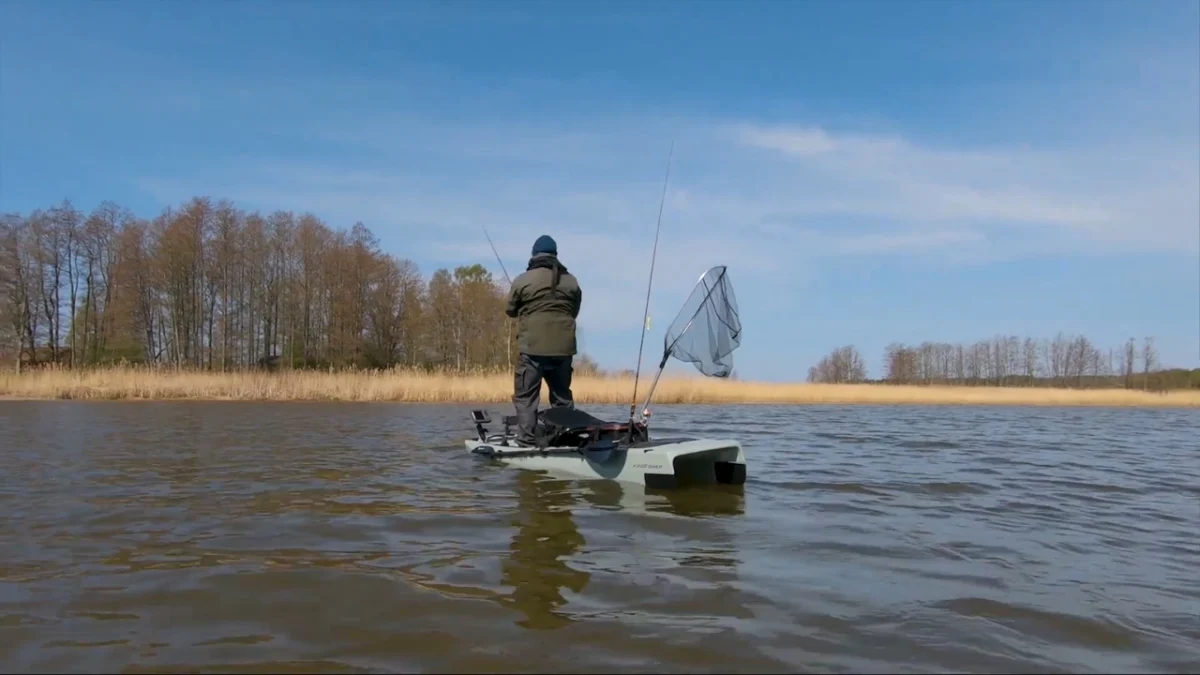
Pulling a trophy fish from the depths while seated in the cockpit of a kayak is one of the most exhilarating experiences an angler can have. The tension of the line, the maneuverability of the craft, and the intimacy of being inches from the water’s surface create a unique bond between person and prey. However, as any veteran of the sport will tell you, not every fight is destined to end on a dinner plate.
There is a distinct, often unwritten code among seasoned kayak anglers: knowing when to keep a fish and when to release it is just as vital as knowing how to set the hook. Some species are better left in the "drink"—whether due to their muddy flavor profiles, excessive bone structures, health-related toxicity, or the sheer logistical nightmare of processing them in a small, unstable vessel.
The Taxonomy of the Unwanted: Why Some Fish Get a Bad Rap
Generally, the fish that experienced anglers tend to avoid fall into three distinct categories. First are the "mudsuckers," freshwater species that occupy the lower rungs of the aquatic food chain and often absorb the earthy, silt-heavy flavors of their environment. Second are the oily, predatory saltwater species that can possess a metallic, battery-acid tang if not handled with surgical precision. Finally, there are the "trash fish"—species that, while edible, are so labor-intensive to clean or so prone to harboring parasites that they are rarely worth the effort.
Chronology of the Catch: From Hook to Hazard
The degradation of a fish’s quality often begins the moment it is pulled from the water. For the kayak angler, time is the enemy. Unlike a larger boat with a built-in fish hold and a dedicated cleaning station, a kayak provides limited space and minimal cooling capacity.
- The Catch: The struggle begins. In a kayak, you are fighting the fish and your own center of gravity.
- The Handling: Immediate decisions are required. Is this fish worth the space in the cooler? Is it legally safe to keep?
- The Processing: If the fish is kept, the lack of a stable surface makes proper bleeding, gutting, and filleting a precarious affair.
- The Consumption: The final test of quality, where diet and environment dictate the flavor.
Official Guidance: Flavor is Subjective, Safety is Not
While an angler’s palate is personal, federal health agencies provide objective, science-backed warnings regarding the consumption of certain species. The Food and Drug Administration (FDA) and the Environmental Protection Agency (EPA) track invisible threats, specifically mercury accumulation and chemical runoff, which are often concentrated in long-lived, apex predators.
The “Choice to Avoid” List
Regulatory bodies explicitly warn consumers about high-mercury species. This list frequently includes:
- King Mackerel: Often contains high levels of mercury due to its position in the food web.
- Marlin and Swordfish: These giants accumulate heavy metals over decades of growth.
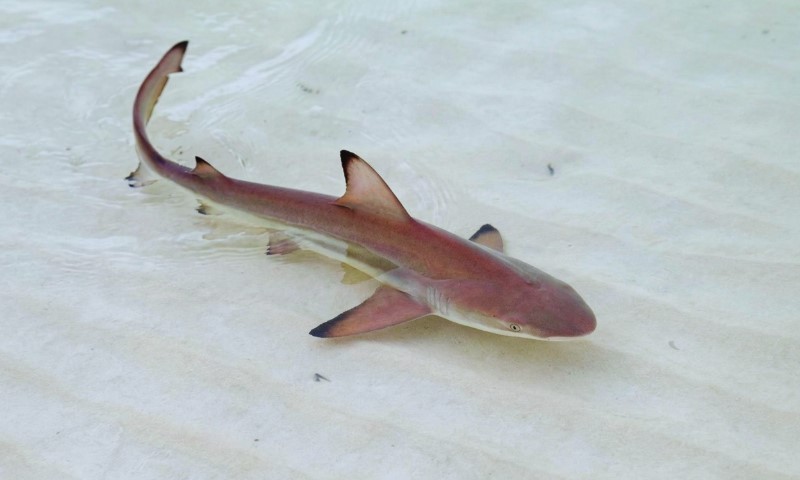
- Shark: Beyond the mercury risk, they require specialized handling to prevent urea contamination.
These agencies emphasize that water quality is not static. A fish species that might be safe to consume from a pristine mountain lake may be under a strict consumption advisory in a nearby industrial or urban waterway due to local pollutants.
A Practical Guide to Questionable Catches
Below is an analysis of 12 species that frequently test the patience and stomachs of anglers, ranked by the frequency of complaints and the complexity of their preparation.
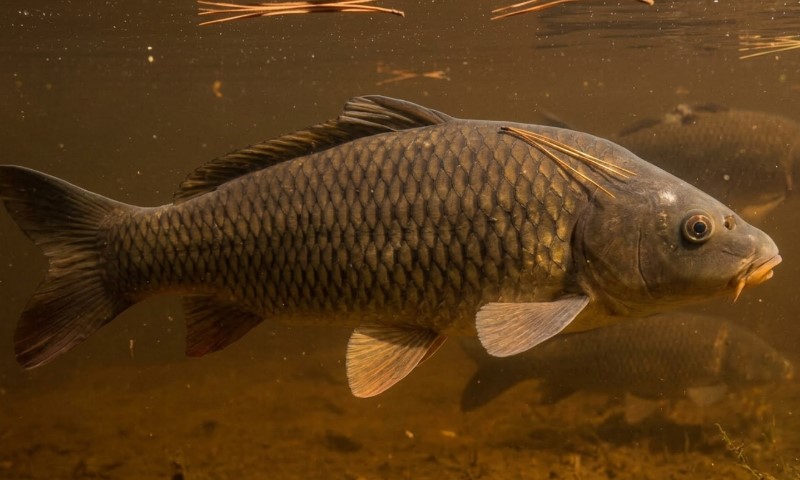
1. Common Carp (The Mud-Dweller)
Carp are environmental barometers. Their bottom-feeding habits mean they reflect the health—and the flavor—of their immediate surroundings. In stagnant, warm ponds, they are notorious for a muddy, "geosmin"-heavy flavor. Furthermore, their complex "Y-bone" structure makes them a nightmare for the novice filleter.
- The Verdict: Keep only from clean, flowing water. Smoking is the preferred method to mask the earthy notes.
2. Bowfin (The Prehistoric Mush)
Bowfin possess unique enzymes that break down muscle fibers rapidly upon death. Without immediate, aggressive icing, the meat turns into a "cotton-like" mush that is arguably inedible.
- The Verdict: If you cannot ice it instantly, release it.
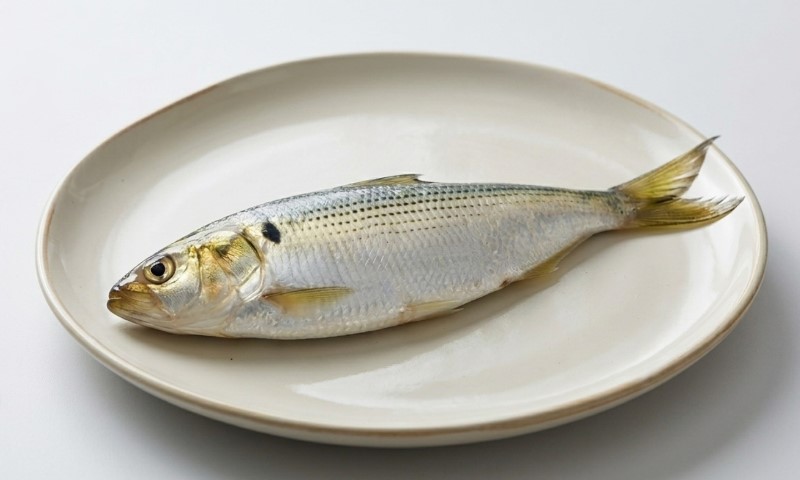
3. Gizzard Shad (The Bait of Choice)
Packed with intramuscular bones and high oil content, these fish turn rancid almost immediately. They are the "fast food" of the river—better served as bait for catfish than as a main course for humans.
- The Verdict: Keep them in the bait bucket, not the frying pan.
4. Large Bluefish (The Oily Fighter)
Bluefish are aggressive, but their strong, fishy flavor is polarizing. To make them palatable, they must be bled immediately and the dark "blood line" trimmed away. On a kayak, the "crime scene" left behind by bleeding a large bluefish is often not worth the effort.
- The Verdict: Only keep if you are committed to immediate, messy processing.
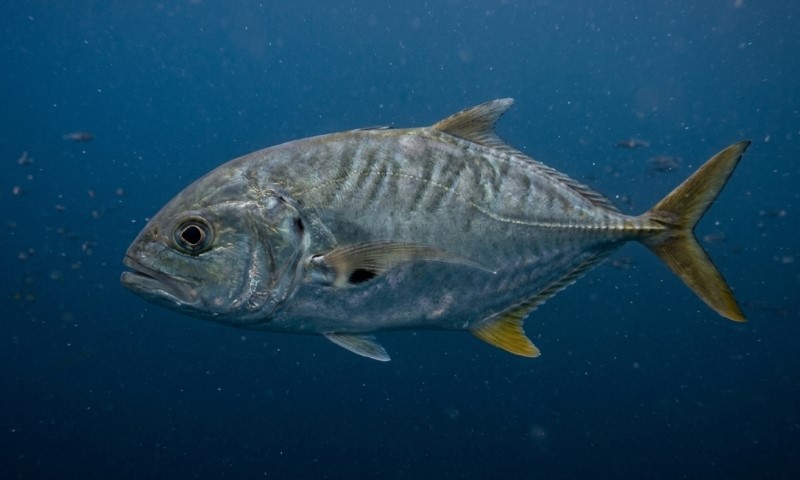
5. Jack Crevalle (The Metallic Slugger)
These fish are pound-for-pound the strongest fighters, but their meat is dark, bloody, and gamey. The "under 5 lbs" rule is a common standard among anglers who do choose to eat them.
- The Verdict: Leave the bulls to fight another day.
6. Bigmouth Buffalo (The Misunderstood Native)
Often confused with carp, these are actually native to North America. Their reputation as a "trash fish" is largely cultural, though their heavy scales require professional-grade equipment to process.
- The Verdict: A hidden gem if properly scored and fried, but labor-intensive.
7. Freshwater Drum (The Grunter)
Their firm, sometimes rubbery texture divides opinion. Furthermore, they are often subject to localized mercury advisories.
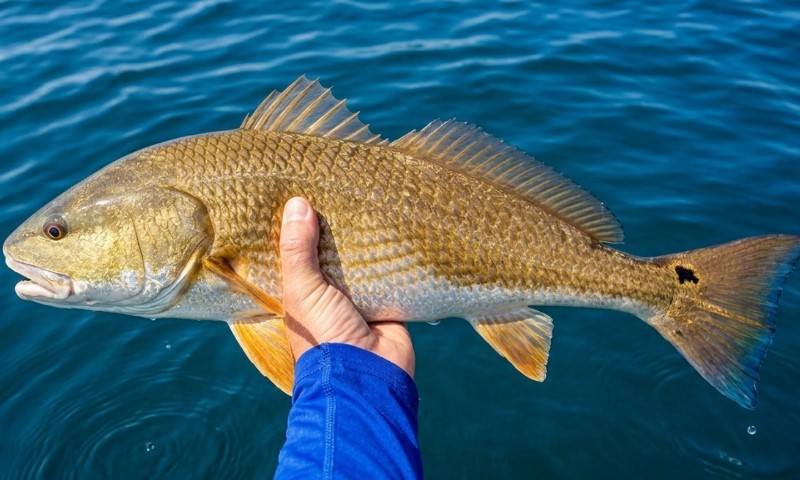
- The Verdict: Check local health boards before keeping.
8. Large Black Drum (The Worm Host)
While "puppy drum" are excellent eating, the older, larger bulls are prone to "spaghetti worms"—harmless but visually unsettling parasites. Their meat is also notoriously coarse.
- The Verdict: Catch-and-release the trophy-sized fish; keep only the smaller specimens.
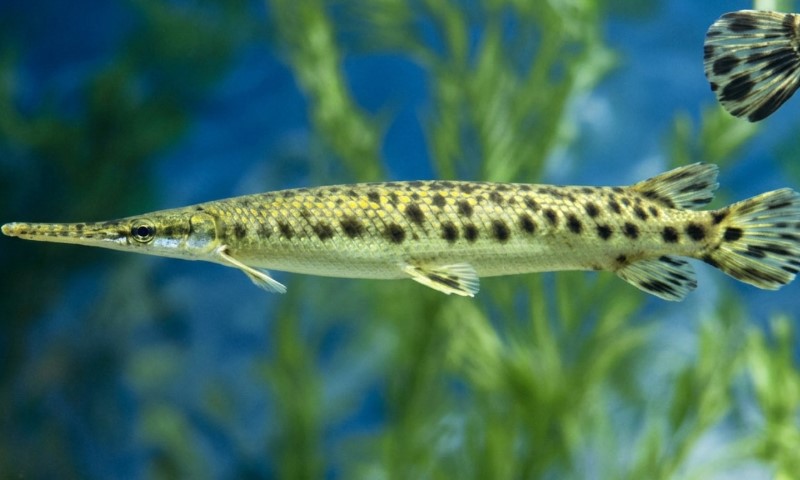
9. Gar (The Armored Tank)
Gar flesh is surprisingly firm and white, but the real danger lies in the roe (eggs), which are toxic to humans. Additionally, their armor-like scales require tin snips or heavy-duty shears to breach.
- The Verdict: Only for the highly experienced processor. Never consume the roe.
10. Barracuda (The Ciguatera Gamble)
Barracuda are the primary carriers of Ciguatera, a heat-stable toxin that cannot be cooked out. It is a gamble that most seasoned anglers refuse to take.
- The Verdict: Photograph and release.
11. Shark (The Urea Problem)
Sharks excrete urea through their skin. If not bled and soaked in milk or lemon juice, the fillet will taste strongly of ammonia.
- The Verdict: Usually better left to the ocean.
12. Pelagic Giants (Mackerel, Marlin, Tuna, Tilefish)
These fish are susceptible to scombroid poisoning, caused by histamine buildup if the fish is not chilled immediately. Maintaining the cold chain on a kayak for a massive fish is a logistical impossibility for most.
- The Verdict: High-risk, high-maintenance. Avoid unless you have a support vessel.
Implications for Modern Stewardship
The rise of the "rough fish" movement has encouraged a broader appreciation for species once discarded, but it also carries a responsibility. Ethical angling is defined by the impact we have on our local ecosystems.
When we harvest a fish that we are not prepared to process correctly, we are not just wasting a life; we are failing our role as stewards of the water. Kayak anglers, because of their smaller craft and lower environmental footprint, have a unique opportunity to lead by example.
By practicing selective harvest—taking only what we can properly handle, clean, and consume—we ensure that our waterways remain vibrant for the next generation. If you find yourself on the water with a "difficult" catch, remember: there is no shame in a successful, ethical release. In the quiet solitude of a kayak, the true reward is often the encounter itself, not the contents of the cooler.
Ultimately, the best catch is the one that respects the balance of the ecosystem, honors the difficulty of the fight, and ensures that the sport remains sustainable for years to come. Happy paddling, and tight lines.