Executive Summary: A Milestone for Nordic Energy
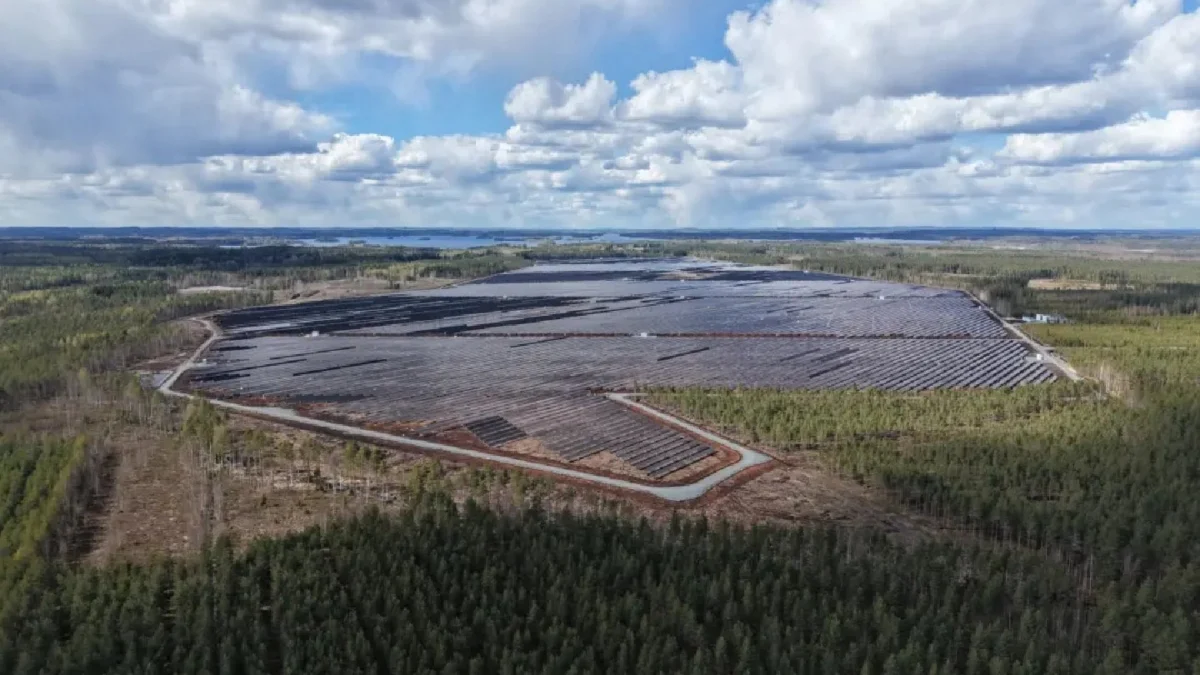
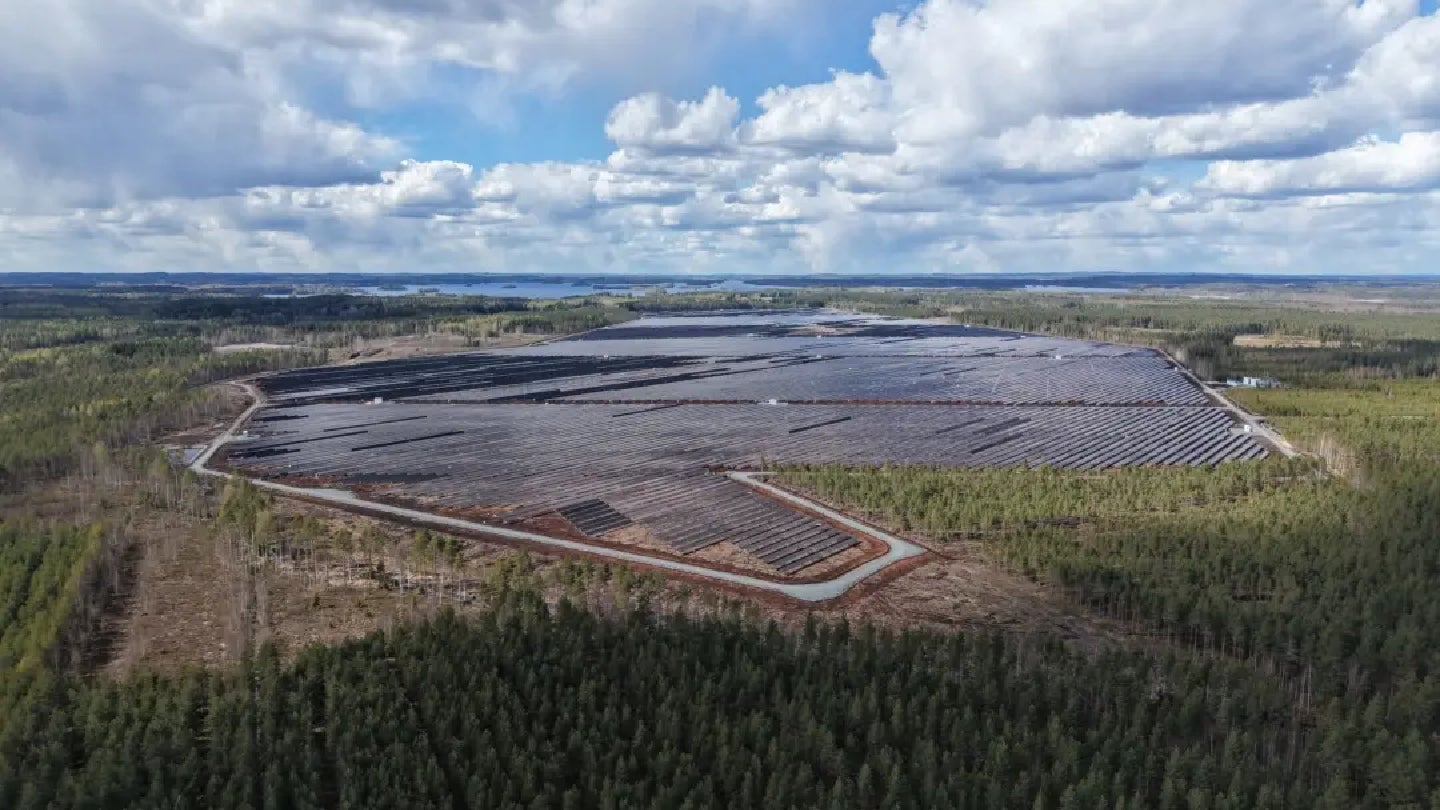
Finland has officially marked a significant milestone in its aggressive journey toward carbon neutrality with the successful inauguration of the Hallanvahti solar park. Located in the municipality of Joroinen in the North Savo region, the 129MW-peak (MWp) facility represents one of the most sophisticated utility-scale solar projects in the Nordic region. Owned and operated by the renewable energy investment firm Taaleri Energia, the park is now fully operational, having begun electricity generation in late June 2026.
With an annual output projected at approximately 140 gigawatt-hours (GWh), the facility is capable of powering roughly 18,000 Finnish homes annually. Beyond the raw output, the project serves as a masterclass in modern engineering, utilizing advanced bifacial solar technology and precision tracking systems to maximize energy capture in high-latitude environments.
Chronology of the Hallanvahti Project
The journey from concept to full-scale grid integration was characterized by strategic planning and rapid execution.
- February 2025: The project reached a critical financial turning point when the Taaleri SolarWind III Fund officially committed the investment required to bring the park to life. This move solidified the project’s viability and set the stage for construction.
- Early 2025 – Mid-2026: A rigorous construction phase commenced, involving complex engineering tasks. Because the site was situated on drained peatland, the project team had to implement specialized soil and water management protocols to ensure environmental integrity.
- June 2026: The park achieved commercial operation, successfully synchronizing with the Finnish national grid.
- Autumn 2026: Following a stabilization period, the official inauguration ceremony was held, bringing together project partners, local stakeholders, and members of the Joroinen community to celebrate the contribution of the site to the region’s energy landscape.
Supporting Data: Technology and Engineering Excellence
The scale of the Hallanvahti facility is difficult to overstate. Spanning approximately 200 hectares, the site is a testament to the advancements in solar efficiency.
Bifacial and Tracking Technology
The park features 204,000 bifacial single-axis tracking solar panels. Bifacial technology allows the panels to capture sunlight on both sides—utilizing direct rays on the front and reflected light (albedo) from the ground on the back. When combined with single-axis tracking, which follows the sun’s movement across the horizon throughout the day, the efficiency gain is substantial compared to traditional fixed-tilt systems.
Environmental Stewardship
Perhaps the most distinctive technical aspect of Hallanvahti is its location. Developing a solar park on drained peatland requires a delicate balance. Taaleri Energia, working alongside technical partners, prioritized the preservation of the existing peat layer. By carefully engineering the site to manage water flows, the project minimizes the risk of oxidation and greenhouse gas release that can sometimes occur when peatland is disturbed. This focus on "nature-positive" construction has become a hallmark of the project’s development phase.
Partnership Ecosystem
The project was a collaborative effort involving several high-profile industry players:
- Development: Etec Automation and its subsidiary, 3Flash Finland, provided the core development expertise.
- EPC (Engineering, Procurement, and Construction): Eltel Networks managed the end-to-end delivery and continues to oversee the facility’s ongoing maintenance.
- Financial Backing: The project received significant support from the EU’s InvestEU Fund and the NextGenerationEU instrument, underlining the project’s alignment with broader European sustainability goals. SEB provided the necessary debt financing to support the construction.
Official Responses and Strategic Vision
The leadership at Taaleri Energia views Hallanvahti not just as an individual asset, but as a blueprint for future renewable energy projects in the Baltic and Nordic regions.
Kai Rintala, Managing Director of Taaleri Energia
"Hallanvahti is a particularly significant project for us in Finland due to its ambitious scale, technology, and rapid delivery schedule," stated Kai Rintala. He emphasized that the project’s success is a direct result of the highly skilled partner ecosystem involved. "The Hallanvahti solar park will supply a significant volume of clean energy to the Finnish electricity market, strengthening both national resilience and the vitality of the local economy."
Petri Isotalus, Investment Director of Taaleri Energia
Echoing these sentiments, Petri Isotalus highlighted the investment thesis behind the project. "As electricity demand grows, renewable energy generation capacity is becoming an increasingly important investment theme. Hallanvahti is an excellent example of this. It is an important project for our fund investors, for Finland’s energy transition, and for local energy self-sufficiency."
Implications for the Finnish Energy Market
The inauguration of Hallanvahti comes at a pivotal time for Finland. The nation has been aggressively diversifying its energy mix, moving away from fossil fuel reliance and toward a grid dominated by wind, solar, and nuclear power.
Strengthening Grid Resilience
With a long-term power purchase agreement (PPA) already signed with Oulun Energia, the electricity generated at Hallanvahti is effectively "earmarked" for the market, providing price stability and a predictable supply of clean energy. This is essential for industries that are increasingly looking to decarbonize their operations through the electrification of processes.
A New Standard for Peatland Utilization
Finland has faced historical challenges regarding the use of peatlands. By successfully repurposing drained peatland for solar energy, Taaleri has demonstrated that land-use conflicts can be mitigated through innovative engineering. If this model can be replicated across other underutilized peat sites in Finland, it could open up a massive, untapped reserve of land for renewable energy, further accelerating the national energy transition.
Regional Economic Vitality
Beyond the kilowatt-hours, the project has provided a stimulus to the North Savo region. From the creation of construction jobs to the ongoing maintenance requirements handled by local networks, Hallanvahti serves as a long-term economic anchor. The presence of such a high-tech facility in a rural municipality demonstrates that the green transition is not just a metropolitan phenomenon but a nationwide economic engine.
Global Context: Taaleri’s Expanding Footprint
While Hallanvahti is a crown jewel in the Finnish portfolio, Taaleri Energia continues to operate on a broader canvas. Just last month, the company made headlines with the opening of the Čibuk 2 wind farm in Serbia. This 154MW facility, developed in partnership with Masdar, is located just 40km from Belgrade and represents a significant step in the energy transition of the Balkan region.
These international developments, coupled with the success of Hallanvahti, highlight a clear corporate strategy: Taaleri is leveraging European financial instruments and advanced technical expertise to scale renewable infrastructure rapidly across diverse regulatory and geographical environments.
Conclusion: The Path Ahead
The Hallanvahti solar park is more than a collection of 204,000 panels; it is a manifestation of the "Energy Transition" in action. By integrating cutting-edge bifacial technology with sensitive environmental management, Taaleri Energia has delivered a project that addresses the dual challenges of climate change and energy security.
As Finland continues to scale its solar capacity, the lessons learned in Joroinen—regarding both technical deployment and stakeholder engagement—will undoubtedly serve as a foundation for future infrastructure. For the residents of North Savo and the broader Finnish electricity market, the hum of the inverters at Hallanvahti is the sound of a cleaner, more resilient future. With the project now fully operational, all eyes will be on its performance metrics over the coming years as it proves that utility-scale solar is not only viable in the North but essential to the nation’s long-term economic and environmental prosperity.