In a significant stride toward stabilizing India’s transition to green energy, Juniper Green Energy has been awarded a major contract by the Solar Energy Corporation of India (SECI) to develop a 230MW Firm and Dispatchable Renewable Energy (FDRE) project. This round-the-clock (RTC) power initiative, situated in the renewable-rich state of Rajasthan, marks a pivotal moment in the company’s trajectory and underscores the evolving sophistication of India’s power procurement landscape.
The project, won through a competitive e-Reverse auction as part of SECI’s 1GW FDRE RTC tender, is designed to provide grid-scale power that mimics the reliability of traditional thermal generation—a critical requirement for maintaining grid frequency and stability as the share of intermittent renewables grows.
Core Facts: The 230MW FDRE Milestone
The agreement between Juniper Green Energy and SECI is anchored by a 25-year Power Purchase Agreement (PPA). Under the terms of the award, Juniper will supply electricity to the national grid at a tariff of Rs5.26 ($0.05) per unit.
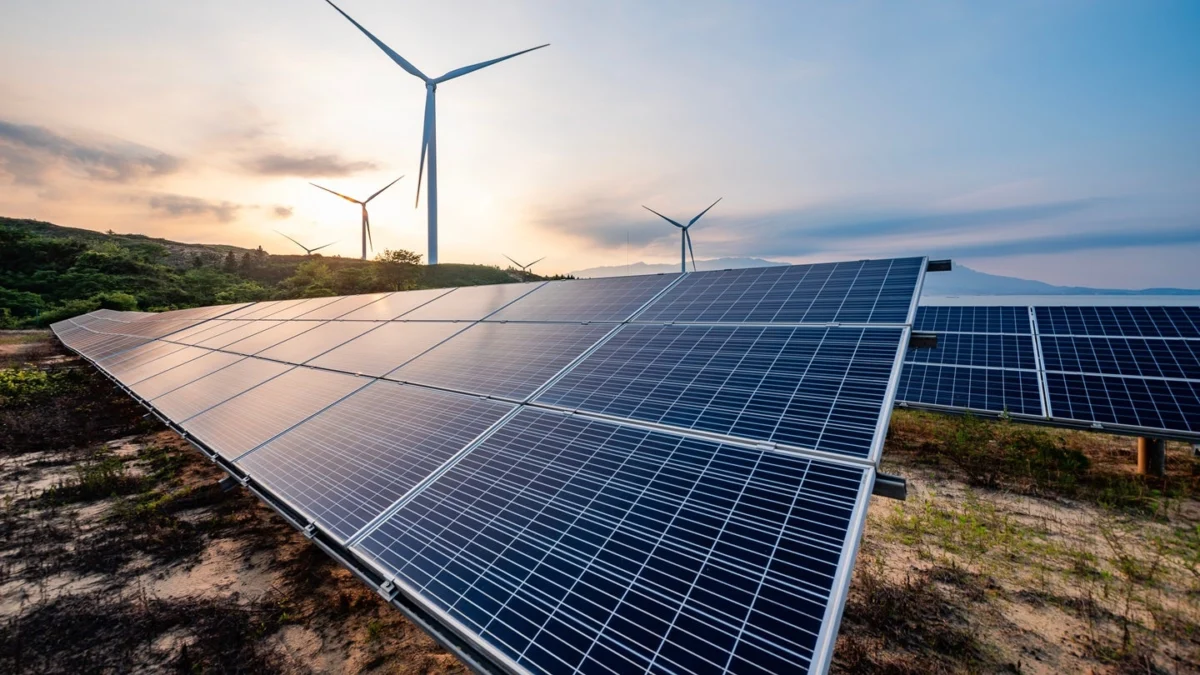
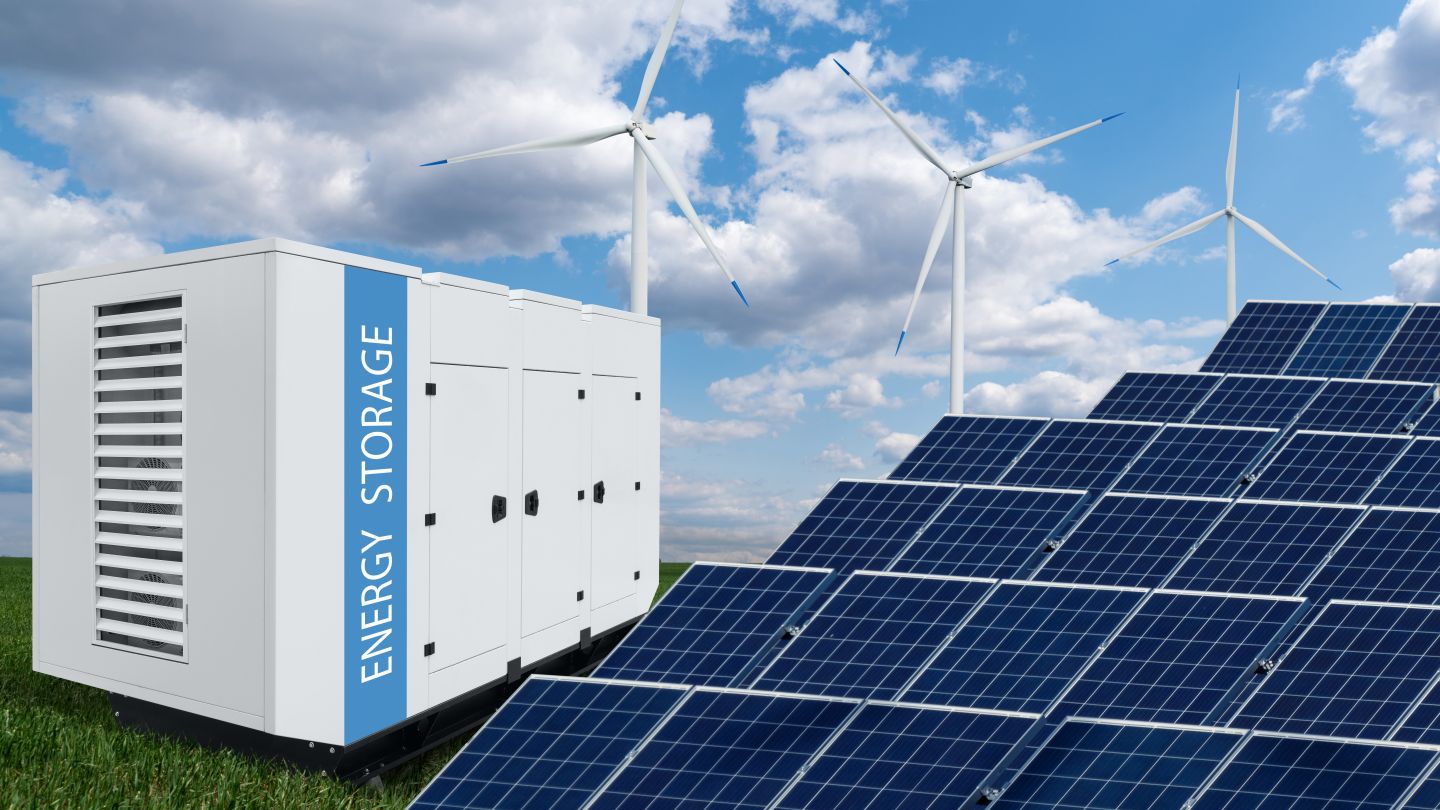
The scope of this project is substantial, representing a complex integration of hybrid technologies. To achieve the "firm and dispatchable" mandate, the company plans to install:
- 795MW-peak (MWp) of solar capacity.
- 75MW of wind power generation capacity.
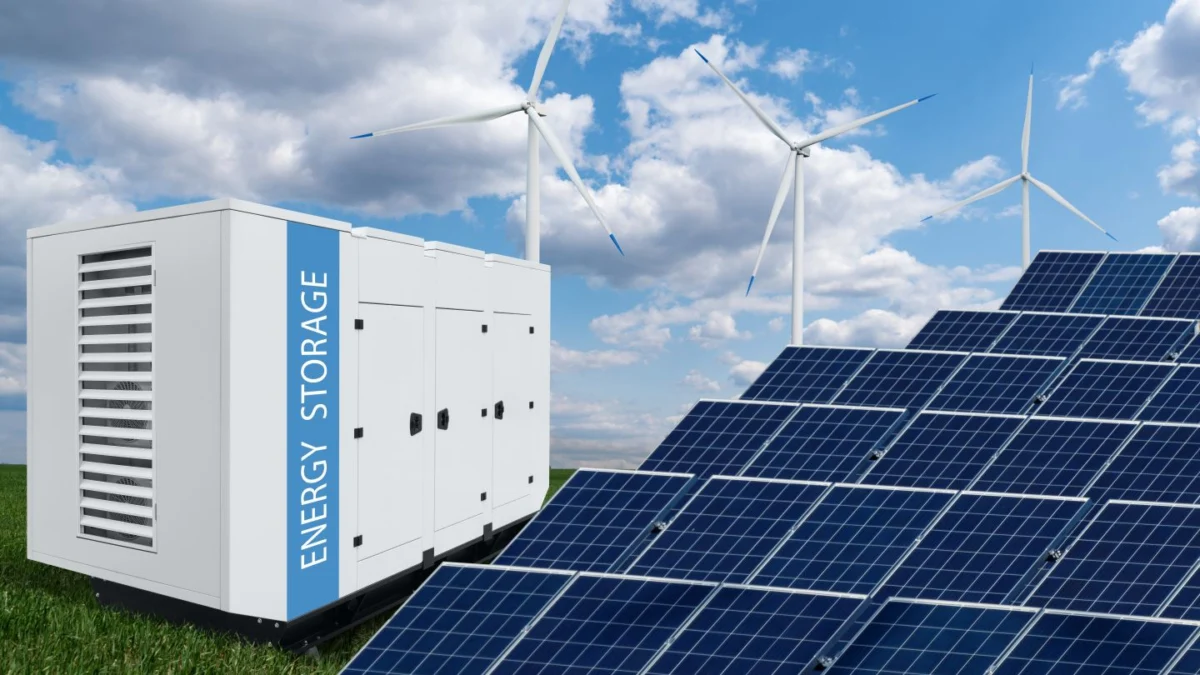
- 2.2GWh of Battery Energy Storage Systems (BESS).
By synthesizing solar and wind energy with massive battery storage, the project will ensure that power is not just generated when the sun shines or the wind blows, but is stored and dispatched to meet peak demand profiles, effectively solving the "intermittency challenge" that has long plagued large-scale renewable integration.
Chronology of Expansion: Juniper’s Rapid Growth
Since its inception in October 2018, Juniper Green Energy has rapidly evolved from a burgeoning player into a formidable force in the Indian renewable sector. The company’s growth strategy has been characterized by consistent commissioning of assets and an aggressive acquisition of new project mandates.
Recent Operational Milestones
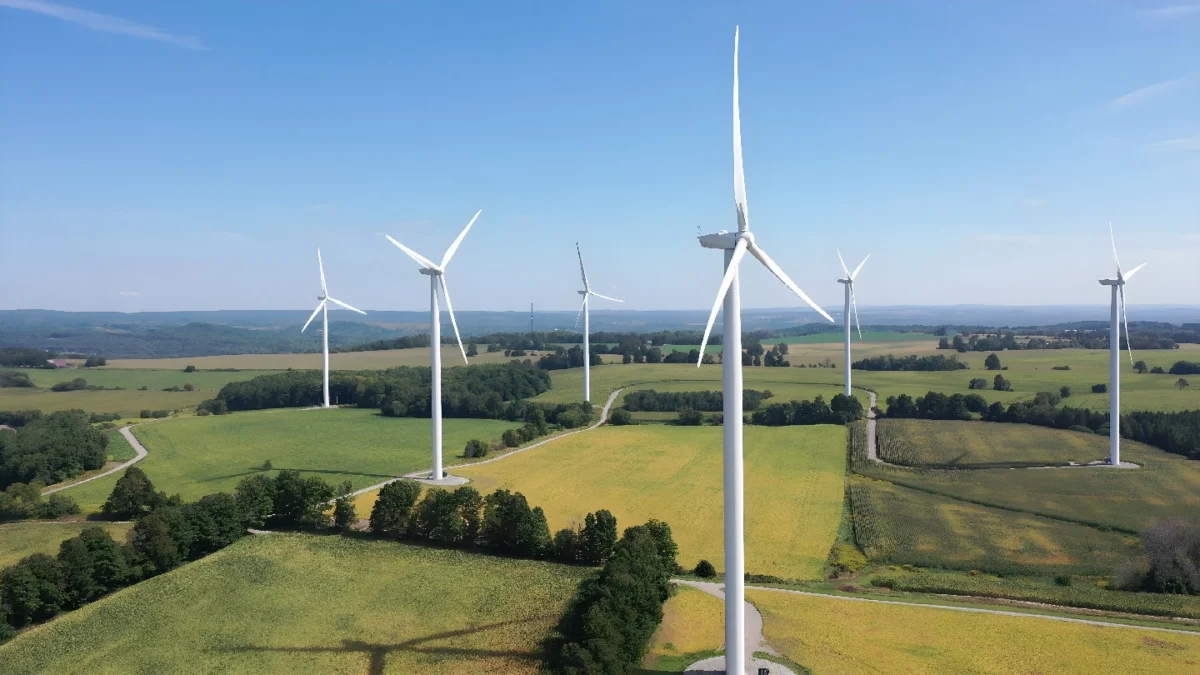
The company’s recent momentum is evidenced by its performance since July 2026. Within a short window, Juniper successfully commissioned 167MW of wind power capacity across five distinct projects. This expansion was facilitated by the installation of 37 high-capacity wind turbines—specifically, 27 turbines rated at 5MW each and 10 turbines rated at 3.15MW each—spread across the states of Gujarat, Rajasthan, and Maharashtra.
These additions brought the company’s total operational capacity from approximately 2.41GWp to 2.58GWp, a testament to the operational efficiency of the firm’s development teams.
Historical Context
Key milestones in the company’s history include:
- October 2018: Founding of Juniper Green Energy.
- July 2025: The full commissioning of a 217MWp solar power project in Chapalgaon, Maharashtra, which served as a blueprint for the large-scale integration efforts currently being undertaken.
- August 2026: Award of the 230MW FDRE contract, signaling a shift toward more complex, storage-integrated business models.
Supporting Data: Capacity and Infrastructure
The scale of Juniper’s portfolio reflects the broader ambition of the Indian renewable energy sector, which aims to achieve 500GW of non-fossil fuel capacity by 2030.
As of the latest reports, Juniper’s operational footprint stands at approximately 2.57GWp, complemented by 500MWh of battery energy storage already in operation. However, the company’s total pipeline is far more extensive. Including projects under construction, contracted assets, and recently awarded tenders, Juniper’s total portfolio exceeds 11GWp of renewable energy and 6.7GWh of storage.
The infrastructure required to manage these assets is significant. The company focuses on the end-to-end lifecycle of its projects:
- Development: Identifying high-irradiation solar sites and high-wind corridors.
- Construction: Managing supply chain logistics for turbine and solar module procurement.
- Operations: Utilizing remote monitoring and advanced data analytics to ensure maximum uptime and grid responsiveness.
The Significance of FDRE and RTC Power
The shift toward FDRE (Firm and Dispatchable Renewable Energy) and RTC (Round-the-Clock) power is perhaps the most important trend in the Indian energy market. Traditional renewable projects often faced "curtailment" risks, where power was generated during periods of low demand and wasted.
FDRE tenders require developers to provide power that is available on demand, similar to coal or gas-fired plants. This requires a sophisticated mix of solar, wind, and storage. By mandate, the developer must ensure that power is available even when natural resources are unavailable. This transition is essential for India’s decarbonization goals, as it allows the government to retire aging thermal plants without compromising the reliability of the national grid.
The Rs5.26/unit tariff reflects the premium associated with this reliability. While standard solar power costs are lower, the inclusion of storage and the guarantee of availability justify the higher price point for DISCOMs (distribution companies) seeking stable, carbon-free energy.
Implications for the Indian Energy Market
The success of the Juniper Green Energy project in Rajasthan carries several implications for the future of the power sector in India.
1. Market Competitiveness
The e-Reverse auction process continues to drive innovation. By requiring developers to integrate storage as part of the bid, SECI is forcing the industry to lower the costs of BESS technologies through scale. As storage costs fall, the competitive gap between fossil fuels and renewables will narrow further, making "firm" renewables the new standard.
2. Regional Economic Development
Rajasthan remains the epicenter of India’s renewable energy revolution. The state’s vast, arid land and high solar irradiation make it ideal for massive installations. This project will generate significant local employment, stimulate the regional manufacturing supply chain, and contribute to the state’s tax revenues through land usage and project infrastructure development.
3. Grid Stability
As the national grid integrates higher penetrations of renewable energy, the risk of instability increases. Projects like Juniper’s, which are designed to provide "firm" power, act as a buffer. The 2.2GWh of battery storage will serve as a stabilizer, providing frequency regulation and load-balancing services that are vital for preventing grid collapses.
4. Investor Confidence
The ability of a mid-sized independent power producer (IPP) like Juniper to win and manage a 230MW FDRE project demonstrates the maturity of the Indian capital markets regarding green financing. With a portfolio exceeding 11GWp, the company is attracting interest from both domestic institutional investors and international green bonds, highlighting the bankability of India’s energy transition.
Conclusion: A Path Toward Energy Security
The awarding of the 230MW FDRE project to Juniper Green Energy is not merely a contract win; it is a signal of the maturation of the renewable energy sector in India. By moving beyond simple generation to provide comprehensive, reliable, and dispatchable power, the industry is proving that green energy is capable of being the backbone of the economy.
As Juniper continues to scale its operations, the integration of 795MWp of solar, 75MW of wind, and 2.2GWh of storage will provide a blueprint for how utility-scale projects should look in the coming decade. With over 11GWp in its total pipeline, the company is well-positioned to remain a critical contributor to India’s Net Zero targets.
For the Indian consumer and the industrial sector, this project promises a future where energy is not only cleaner but more predictable, shielding the economy from the volatility of global fuel prices and the environmental impact of traditional power generation. As construction begins in Rajasthan, all eyes will be on the operational integration of these diverse technologies—a true test of the future of power in India.