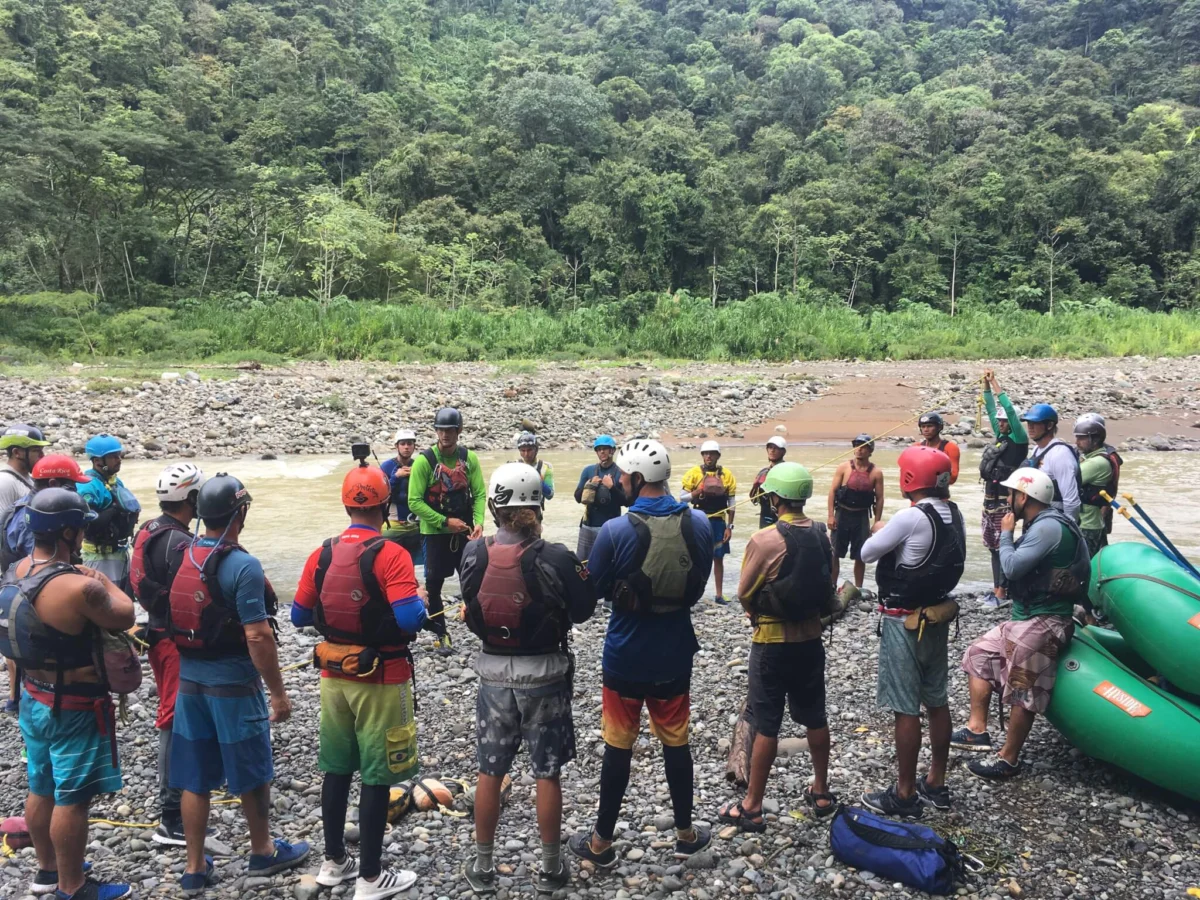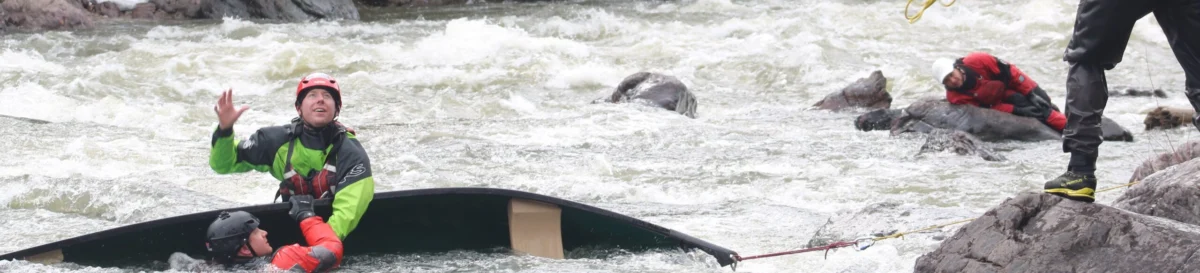
On January 26, a team of ten intrepid paddlers—led by Whitewater Rescue Institute (WRI) instructors Paul Heffernan, Matt O’Reilly, Frank Preston, and Cody Harris—departed from Lees Ferry, Arizona. Their objective: a grueling, 10-day, self-supported kayak descent of the Colorado River through the heart of the Grand Canyon.
While the physical feat of navigating 280 miles of one of the world’s most formidable river systems is impressive, the true treasure of this expedition was recovered only after the team returned home: a series of handwritten letters discovered in the depths of an anonymous paddler’s drybag. These dispatches, signed only by the moniker "Little Spoon," offer a rare, raw, and deeply human look at the logistics, psychological strain, and transcendent beauty of a self-supported Grand Canyon mission.
The Logistics of Autonomy
A self-supported trip through the Grand Canyon is the pinnacle of river expeditioning. Unlike commercial rafting trips where gear and supplies are ferried by motorized rafts, a self-supported kayak mission requires every participant to carry their entire life—food, shelter, cooking systems, and safety gear—within the confines of their own boat.
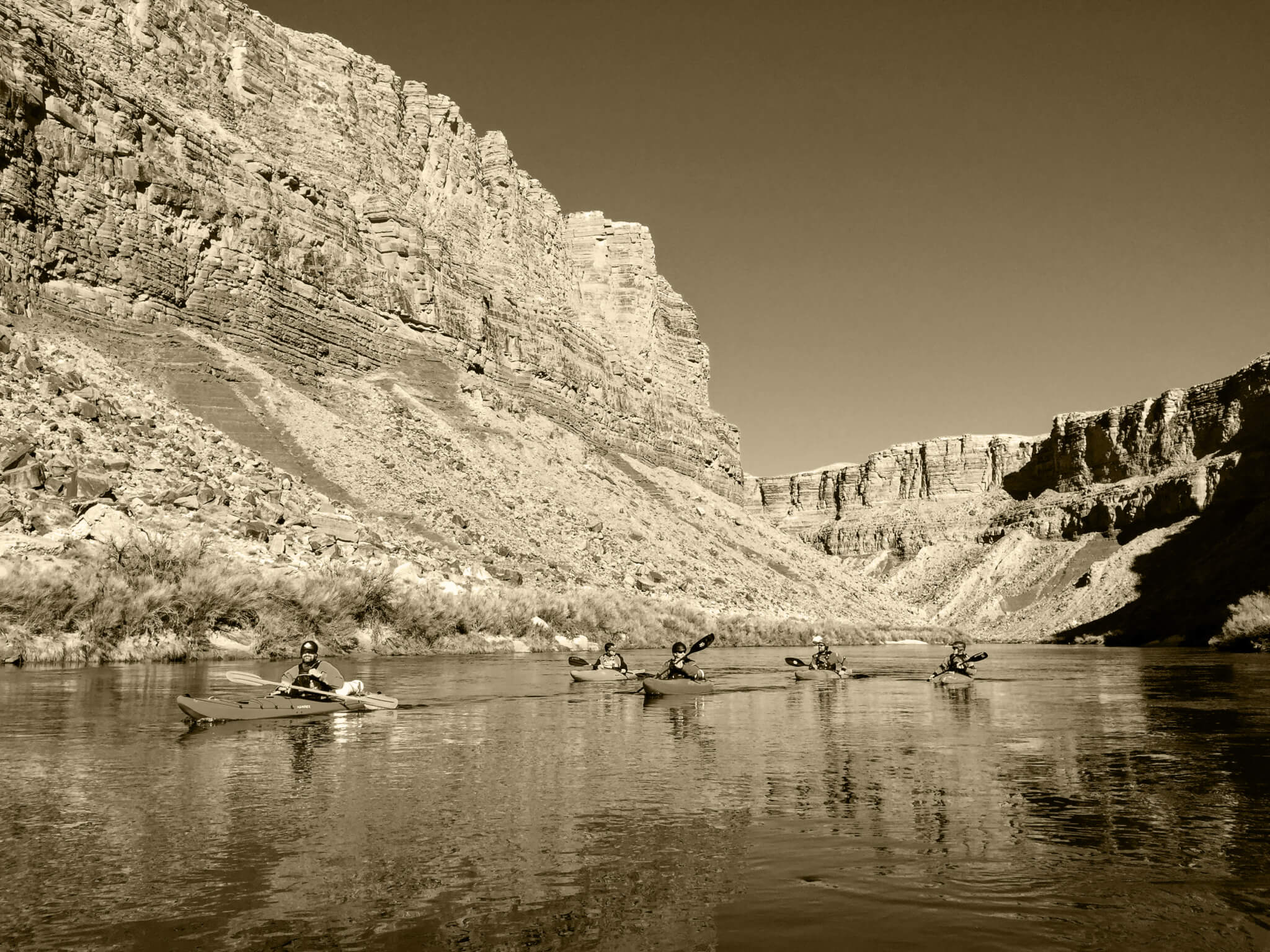
The expedition faced an immediate hurdle: the federal government shutdown. The ranger responsible for the final gear check had been furloughed, causing a delay that pushed the launch to 1:00 PM. This, combined with the complex, time-consuming process of packing 175 to 200 pounds of gear into individual kayaks, set a challenging tone for the trip. The boats, heavy and unwieldy, were described by the anonymous chronicler as responding "about as well as a hungry burro in sight of a barn."
To maintain true self-sufficiency, each of the ten paddlers managed their own independent food plan and kitchen setup. While this meant carrying extra weight, it provided an essential buffer for morale, allowing individuals to customize their fuel for the physically taxing days ahead.
Chronology of the Descent
Days 1–3: The Roaring 20s and the Inner Gorge
The first three days served as a baptism by fire. The group navigated the "Roaring 20s"—a series of rapids that set the pace for the journey. By Day 3, the canyon walls began to loom significantly higher, marking the transition into the Inner Gorge.

The author’s notes from this period highlight the importance of trial and error. Some team members struggled with inflatable sleeping pads, eventually resorting to sleeping on spare clothing, while the author found solace in a minimalist setup. The physical toll was beginning to show, but the spirit of the group remained high as they prepared for the legendary technical rapids downstream.
Days 4–6: The Heart of the Canyon
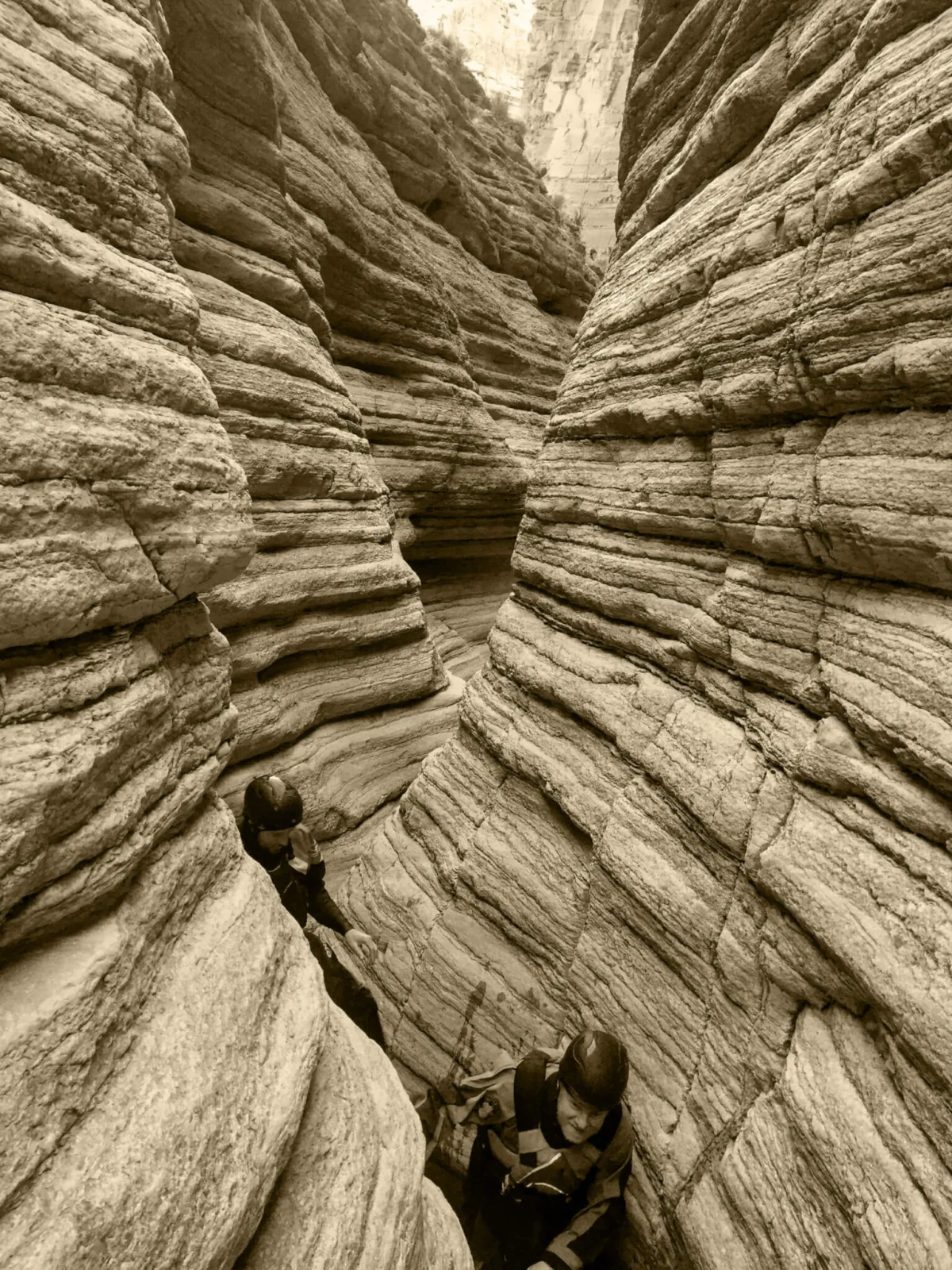
Day 4 brought the team to the geological and psychological threshold of the journey: the schist and granite layers of the Inner Gorge. Here, the river narrows, and the intensity increases. The group successfully negotiated high-stakes rapids like Hance, Sockdolager, Horn Creek, Granite, Hermit, and Crystal.
"I skirt the meat of the rapid while he [the leader] charges through the largest waves undeterred," Little Spoon wrote, emphasizing the crucial role of expert leadership in maintaining group confidence. By Day 6, the group reached Olo Creek, marking the halfway point of their journey and a deepening of their appreciation for the canyon’s unique topography, including the stunning Elves Chasm and Blacktail Canyon.

Days 7–10: Lava, History, and Reclamation
As the trip entered its final leg, the pace quickened. On Day 7, the team covered a staggering 34 miles, tackling the fearsome Lava Falls. By Day 9, the group reached Separation Canyon, a site of profound historical weight. It was here that three members of John Wesley Powell’s 1869 expedition famously decided to abandon the river, fearing the rapids ahead more than the unknown dangers of the desert rim.
The reflection provided in the letter is poignant: "The rapid now is gone. Drowned by the Hoover Dam… but in my mind’s eye, I can see its boiling eddies and turbulent waters and I understand their choice."
The journey concluded on Day 10 at Pearce Ferry. The transition from the narrow, confined canyon back to the open plain serves as a reminder of the river’s enduring power, even in the face of human engineering.

Supporting Data: The Anatomy of a Self-Support Trip
For those looking to replicate such a journey, the data extracted from these letters provides a masterclass in risk management and logistical preparation:
- Weight Management: A fully loaded boat in winter conditions reaches nearly 200 pounds. This necessitates advanced bracing and high-volume boat selection.
- Nutrition Strategy: Approaches varied from heavy, fresh vegetables and lentils to ultra-light freeze-dried meals. The latter proved more advantageous for waste management—a critical factor when every ounce of human waste must be packed out in a "groover" (a portable sanitation system).
- Water Sourcing: The team relied on natural springs and tributaries. Carrying 4 liters of water per person was standard, ensuring hydration in the arid climate.
- Safety Protocols: While the group utilized a communal fire pan, first-aid kit, and repair kit, the reliance on an experienced, dominant leader was the single most cited factor for success.
Official Perspectives on Canyon Stewardship
The WRI team’s expedition highlights the importance of "leave no trace" ethics in one of the most sensitive environments in North America. The management of human waste, particularly the use of PVC tubes and "Wag Bags," is not merely a regulation but a necessity for the preservation of the canyon’s fragile ecosystem.
When asked about the importance of such expeditions, seasoned river guides often point to the "education through immersion" aspect. These trips are not just about the thrill of whitewater; they are about understanding the geological time scale and the historical human struggle against the Colorado River.

Implications: The Future of the Colorado
The final days of the trip, specifically the float from Separation Canyon to Pearce Ferry, provided the team with a firsthand look at the impact of the Western drought. As the water levels of Lake Mead have receded, the river has begun to reclaim its original channel, cutting through old silt deposits.
This transformation offers a rare glimpse into a "reborn" river. The anonymous author notes that while the river is still ultimately constrained by the Hoover Dam, the current reality of the lower canyon is a testament to the river’s resilience. "We and our concrete dreams are merely a temporary distraction," the letter concludes.
Final Reflections
The journey of the WRI instructors serves as a powerful reminder that the Grand Canyon is not a static tourist destination, but a living, breathing, and occasionally hostile force of nature. For the paddler known as "Little Spoon," the trip was more than just a physical challenge—it was a lesson in humility, mentorship, and the enduring power of the wild.

The insights gathered from these lost notes provide a roadmap for future paddlers: respect the river, trust your leadership, pack light, and above all, remain conscious of your footprint. As the Colorado continues its relentless journey toward the sea, it remains the ultimate teacher for those brave enough to enter its depths.