On January 26, a team of four WRI instructors—Paul Heffernan, Matt O’Reilly, Frank Preston, and Cody Harris—embarked on an ambitious, self-supported kayak expedition down the Colorado River. Spanning 280 miles from Lees Ferry, Arizona, to Pearce Ferry, the ten-day journey through the heart of the Grand Canyon serves as a masterclass in logistics, endurance, and the raw, unforgiving beauty of one of the world’s most iconic waterways.
What makes this expedition particularly unique is the discovery of a series of personal letters and photographs recovered from the bottom of a drybag following the trip. Written by an anonymous member of the ten-person crew—who signed them only as "Little Spoon"—the journal offers an intimate, day-by-day account of the trials and triumphs of a self-supported mission. Beyond the personal narrative, these letters provide invaluable insights into the technical requirements, psychological stressors, and logistical realities of navigating the Grand Canyon without the support of commercial rafts.
The Logistics of Self-Support
In the world of whitewater paddling, a "self-supported" trip implies that every participant carries their own food, kitchen equipment, camping gear, and repair kits. Unlike commercial trips, where large rafts haul heavy supplies, this team opted for total independence. With ten paddlers using various boat types, the group faced a significant challenge: weight distribution and packability.
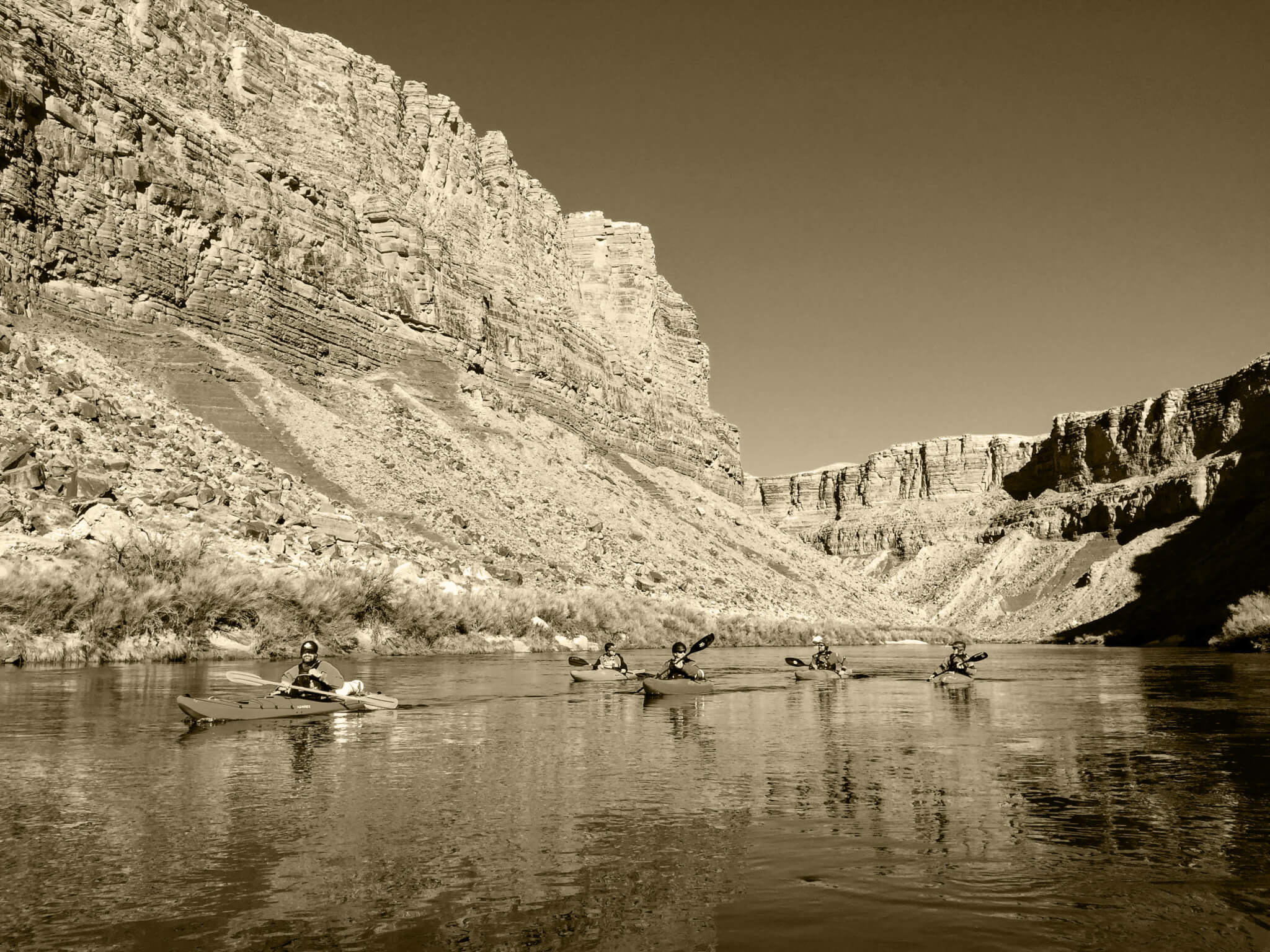
"The boats weighed somewhere in the neighborhood of 175–200 pounds," the journal notes. "They responded about as well as a hungry burro in sight of a barn."
The group’s strategy was to maintain complete autonomy. Each paddler was responsible for their own meal planning and caloric intake. Some opted for ultra-light freeze-dried meals to save space and reduce the waste load—a critical consideration when every piece of human waste must be carried out in a "groover" (a portable toilet system)—while others preferred vacuum-sealed, pre-made meals or fresh vegetables, accepting the added weight for the sake of culinary morale.
Chronology of the Expedition
Days 1–3: The Roaring 20s and the Inner Gorge
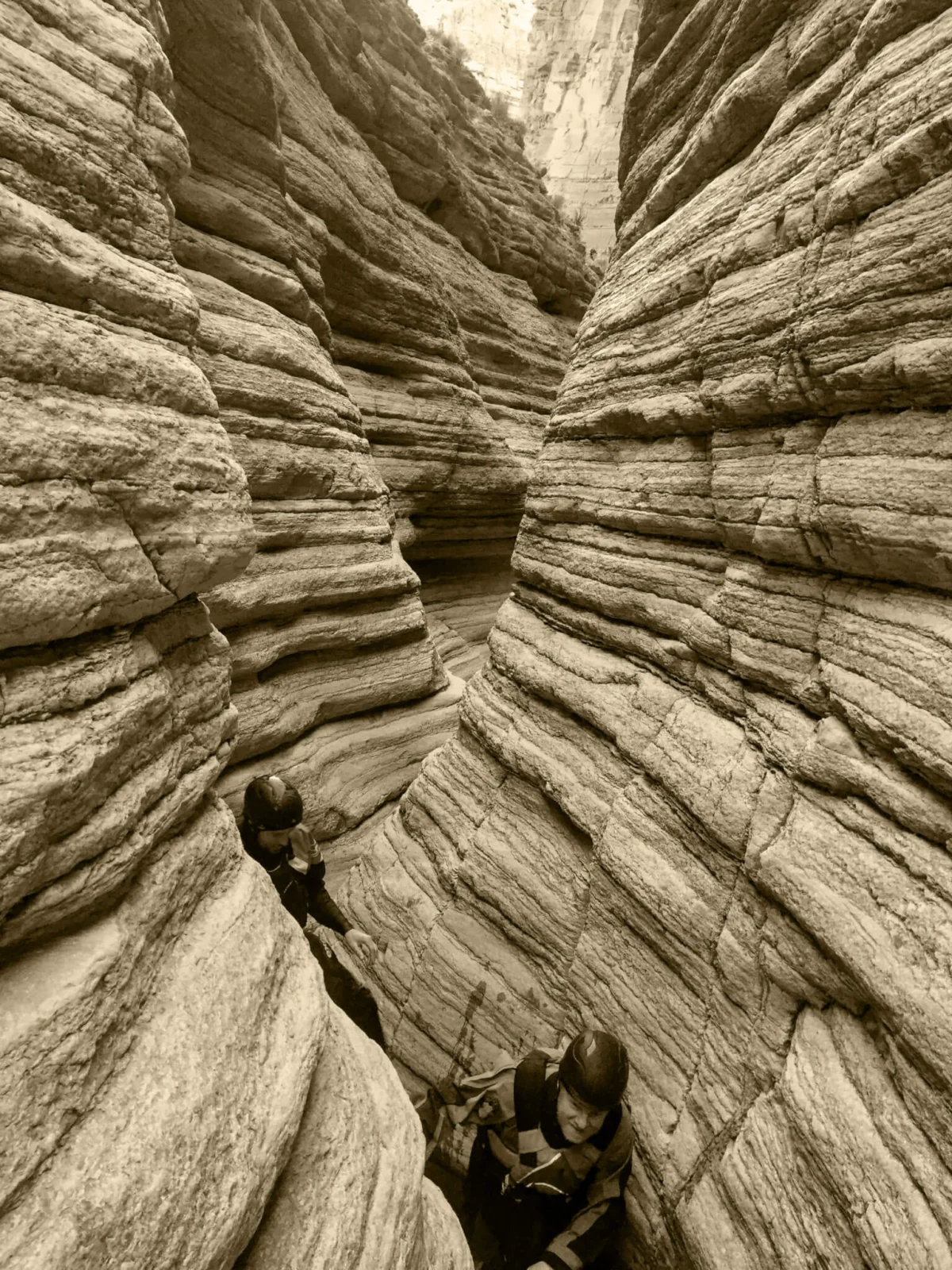
The expedition launched from Lees Ferry at 1:00 PM on January 26. The initial miles were characterized by the "Roaring 20s"—a stretch of whitewater that tests the mettle of any paddler. As the team moved deeper into the canyon, the scenery shifted from expansive desert vistas to the claustrophobic, awe-inspiring beauty of the inner gorge.

By Day 3, the team had reached the confluence of the Little Colorado River. The journal highlights a recurring theme: the necessity of mentorship. The "fearless leader" of the group provided the technical guidance required for the novices to navigate the increasing complexity of the rapids. The physical toll was evident; members who had struggled with gear choices, such as leaking inflatable sleeping pads, found themselves forced to adapt, often sleeping on spare clothing to survive the desert nights.
Days 4–6: Granite, Schist, and the Power of the River
Entering the inner gorge, the geological character of the canyon transformed. The dark, ancient layers of schist and granite began to loom over the river, providing a stark reminder of the canyon’s deep time. Navigating rapids like Hance, Sockdolager, Horn Creek, and Crystal, the team experienced the sheer power of the Colorado.
The anonymous author recounts the psychological shift during these days: "I skirt the meat of the rapid while he [the leader] charges through the largest waves undeterred. I can only hope to paddle as he does one day."

The journey included mandatory hikes to iconic sites such as Phantom Ranch, Elves Chasm, and Blacktail Canyon. These stops provided a necessary reprieve from the relentless physical exertion of paddling high-volume whitewater.
Days 7–10: The Legacy of Powell and the Reclaiming River
The final leg of the journey brought the team to Separation Canyon—a site of immense historical gravity. It was here that three members of the 1869 John Wesley Powell expedition famously chose to hike out of the canyon rather than face the treacherous, unknown rapids that lay ahead.
"I try to imagine this decision," the journal muses. "To have come this far. To have survived what at the time must have seemed impossible and, yet, to say ‘enough’."

As the team transitioned from the wild, roaring Colorado into the placid, dam-affected waters of Lake Mead, the expedition concluded with a reflection on human intervention. The drought-stricken reservoir had receded, allowing the river to carve through old silt deposits. The team witnessed the river reclaiming its path—a powerful metaphor for the persistence of nature against man-made infrastructure.
Supporting Data: The Reality of the "Groover"
A critical, often overlooked aspect of Grand Canyon expeditions is waste management. The journal offers a candid look at the logistical burden of the "groover." Each participant carried a 16-inch piece of 6-inch PVC pipe for waste containment. The anonymous author’s struggle to manage the space within their system serves as a stark reminder of the "Leave No Trace" ethics required in such a sensitive ecosystem. This data point is vital for any aspiring river guide or private paddler: self-support is as much about managing one’s own waste and resources as it is about navigating rapids.
Professional Insights: The WRI Perspective
For the Whitewater Rescue Institute (WRI), this expedition was more than a personal vacation; it was a field test of leadership, rescue protocols, and gear integrity. The inclusion of an anonymous, honest account of the trip provides a "lessons learned" document for the paddling community.

Key takeaways from the WRI instructors included:
- Gear Redundancy: The failure of inflatable sleeping pads underscores the need for robust, reliable equipment in remote environments.
- Caloric Efficiency: The success of freeze-dried foods in reducing the "groover" burden suggests that for long-duration self-supported trips, weight and waste management should dictate menu planning.
- Mentorship: The presence of a seasoned leader is the single greatest variable in the safety of a mixed-ability group.
Implications for Future Expeditions
The Grand Canyon remains one of the most strictly regulated and logistically complex paddling environments in the world. The WRI team’s experience highlights that success is not merely a product of physical fitness, but of mental fortitude and meticulous planning.
The "Little Spoon" journals suggest that the most challenging aspect of a 280-mile, ten-day self-support trip is not necessarily the rapids themselves, but the sustained, multi-day endurance required to manage one’s own life-support systems while moving through an environment that is indifferent to human presence.

As the Colorado River continues to evolve due to climate change and the changing state of the Hoover Dam and Lake Mead, the canyon provides an ever-shifting challenge. For the instructors at WRI, this expedition has provided a blueprint for future generations of river travelers. By documenting the grit, the fear, and the profound humility that accompanies the descent of the Grand Canyon, they have ensured that their journey serves as a resource for all who seek to test their limits against the currents of the Colorado.
In the words of the anonymous author, the river "will always carry on; we and our concrete dreams are merely a temporary distraction." This sentiment encapsulates the essence of the Grand Canyon: a place that humbles the proud and rewards those who are willing to respect its power.