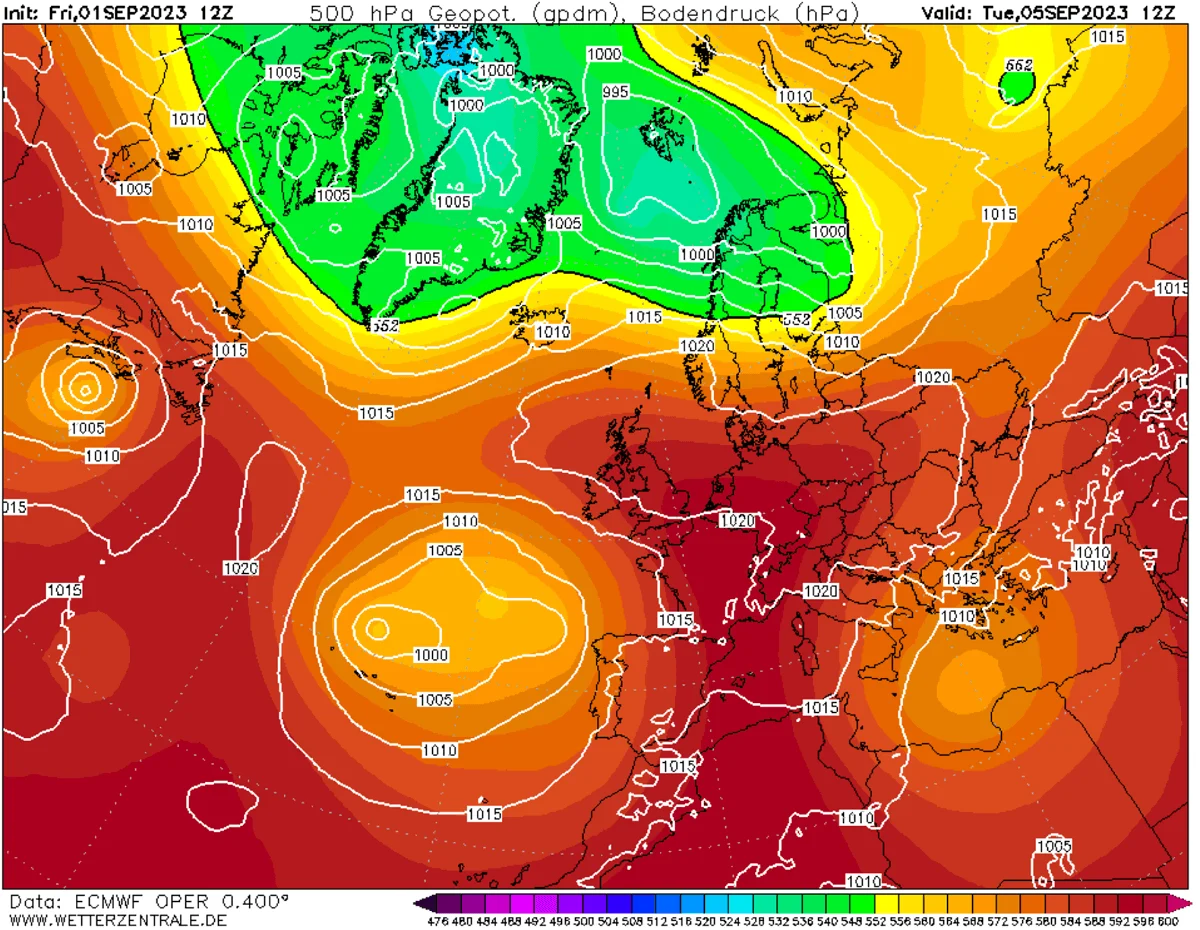
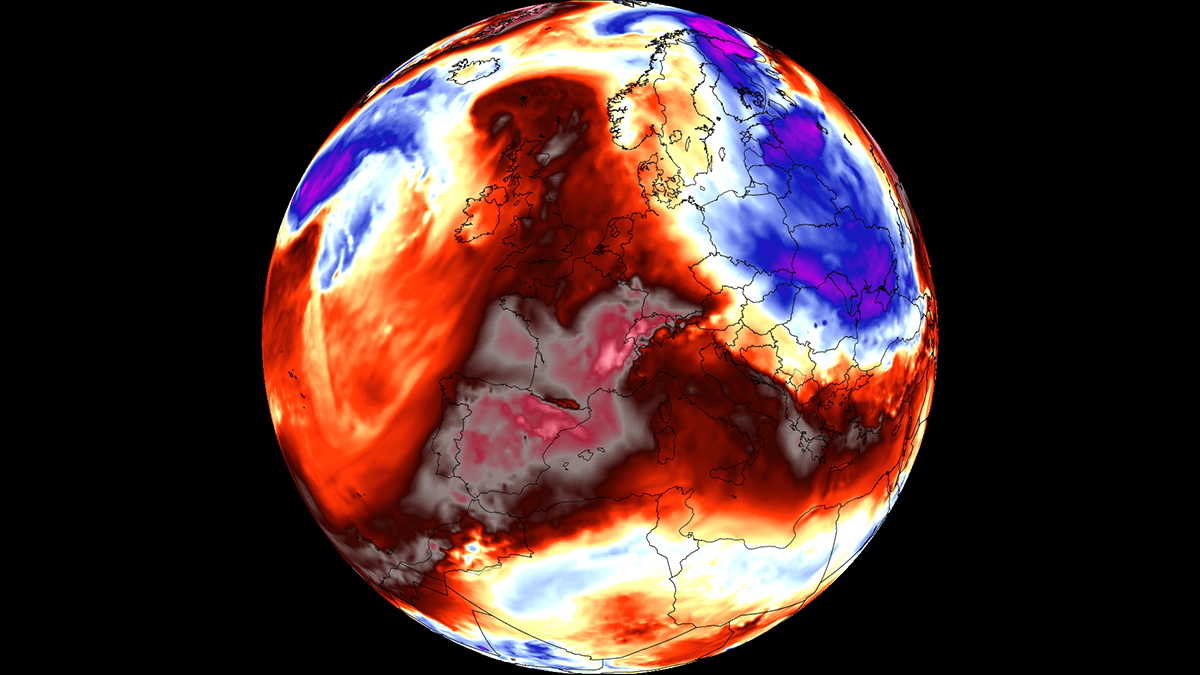
As the calendar turns to September, much of Europe is bracing for a punishing, late-season meteorological event. A powerful "heat dome"—a massive, stagnant high-pressure system—has locked over the continent, triggering an extreme thermal surge that is pushing temperatures well into the late 30s and, in some regions, crossing the critical 40°C threshold.
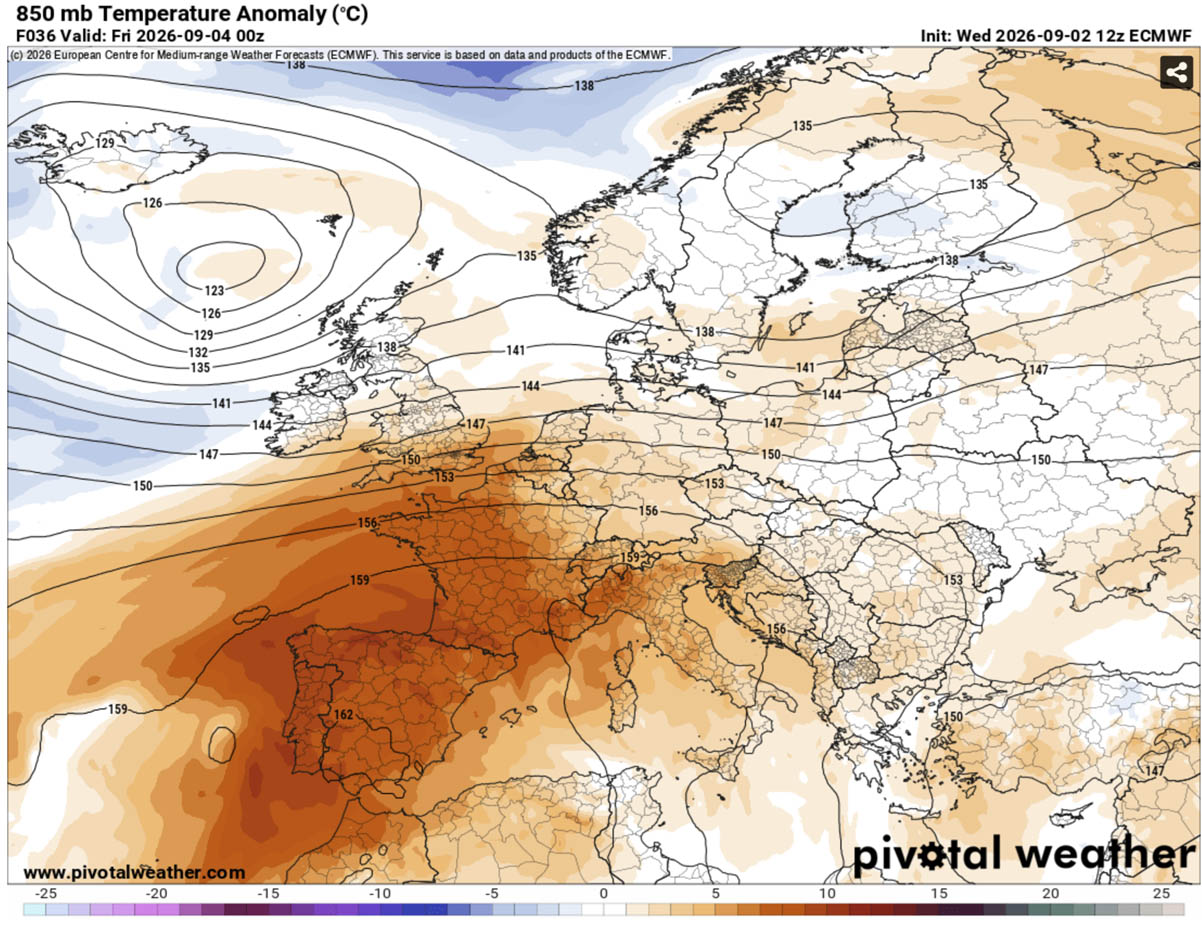
This atmospheric phenomenon, fueled by a deep, hot plume of air originating from North Africa, is not merely a seasonal anomaly; it is an intense, prolonged event that threatens to rewrite meteorological records for early September across Spain, France, Italy, and the Balkan Peninsula.
The Mechanics of the Heat Dome: A "Lid on a Pot"
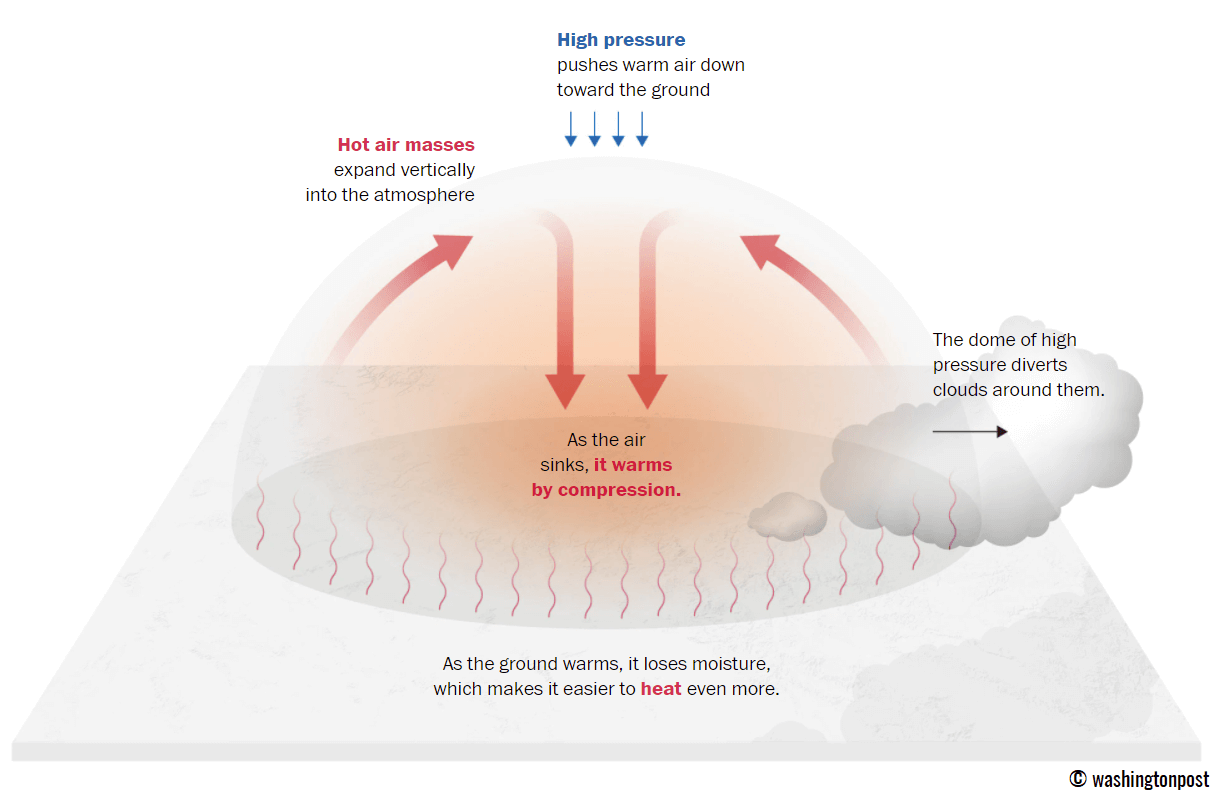
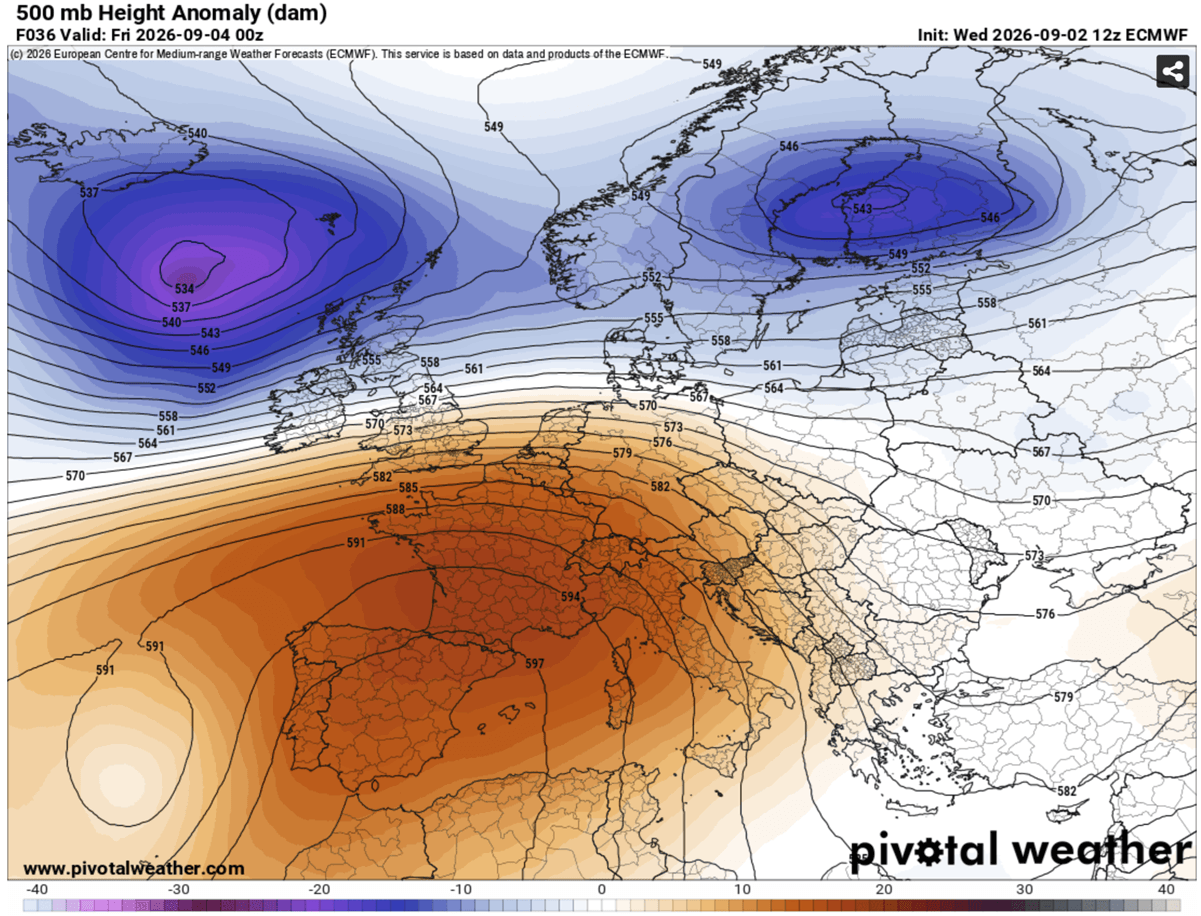
To understand the severity of the coming week, one must first grasp the mechanics of the heat dome. Meteorologically, this occurs when an upper-level high-pressure ridge parks itself over a vast geographic area. The system acts much like a lid on a boiling pot.
The mechanism is driven by subsidence: air in the upper atmosphere is forced downward, and as it descends, it undergoes adiabatic compression. This physical process causes the air to heat up significantly as it nears the surface. Because the high-pressure system is effectively "stuck" or blocked by surrounding atmospheric patterns, it traps this hot, dry air at the surface for an extended duration, preventing cooler maritime air from moving in to provide relief.
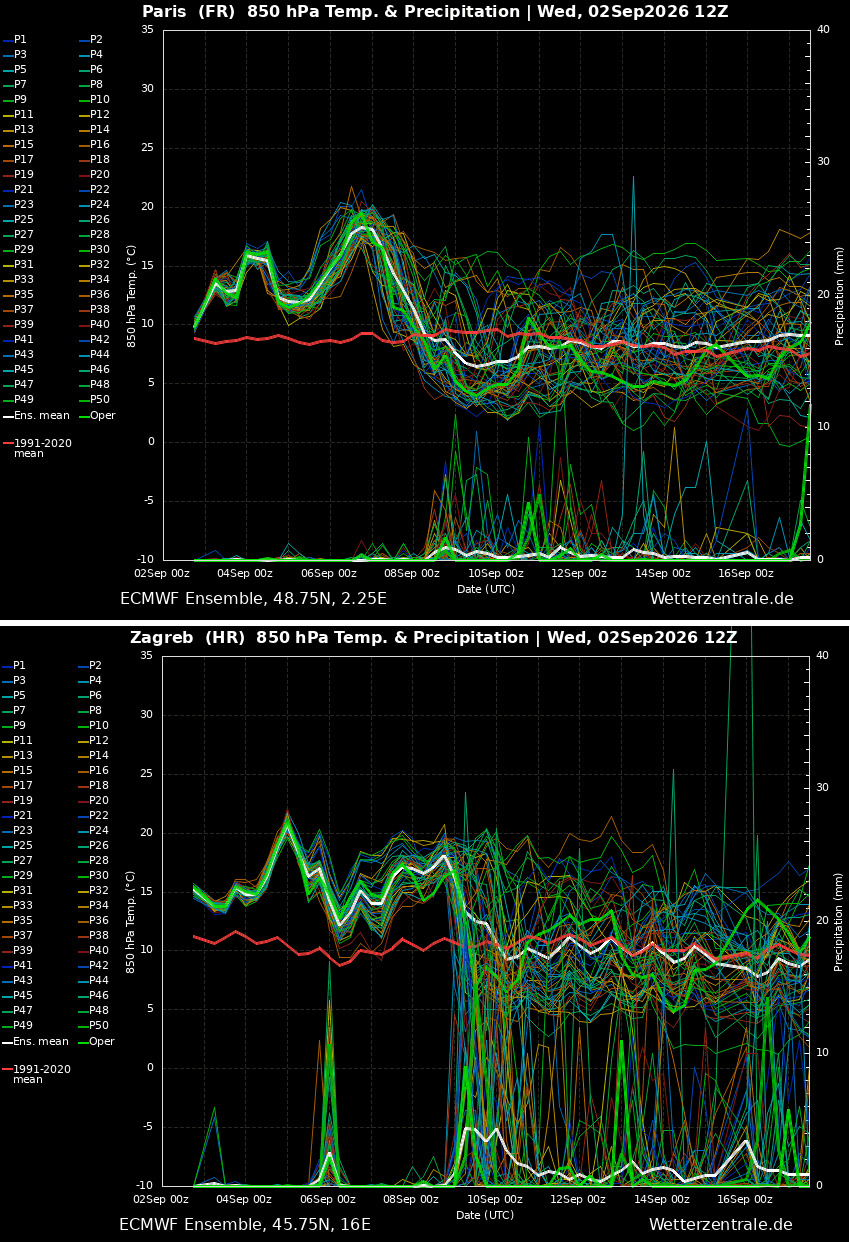
This specific event is characterized by its stability. Unlike transient warm fronts, this heat dome is anchored by a persistent blocking high, ensuring that the sweltering conditions will likely persist for several days, leading to a cumulative buildup of heat that impacts both the environment and human infrastructure.
Chronology of the Heatwave
The progression of this heatwave is methodical, moving from the southwest toward the heart of Europe:
- Thursday and Friday (The Iberian Peak): The initial brunt of the heat is focused on Spain and Portugal. Residents in south-central regions are currently facing daytime highs between 40°C and 44°C. The air mass is exceptionally dry, rapidly depleting soil moisture and setting the stage for increased wildfire risk across the Iberian Peninsula.
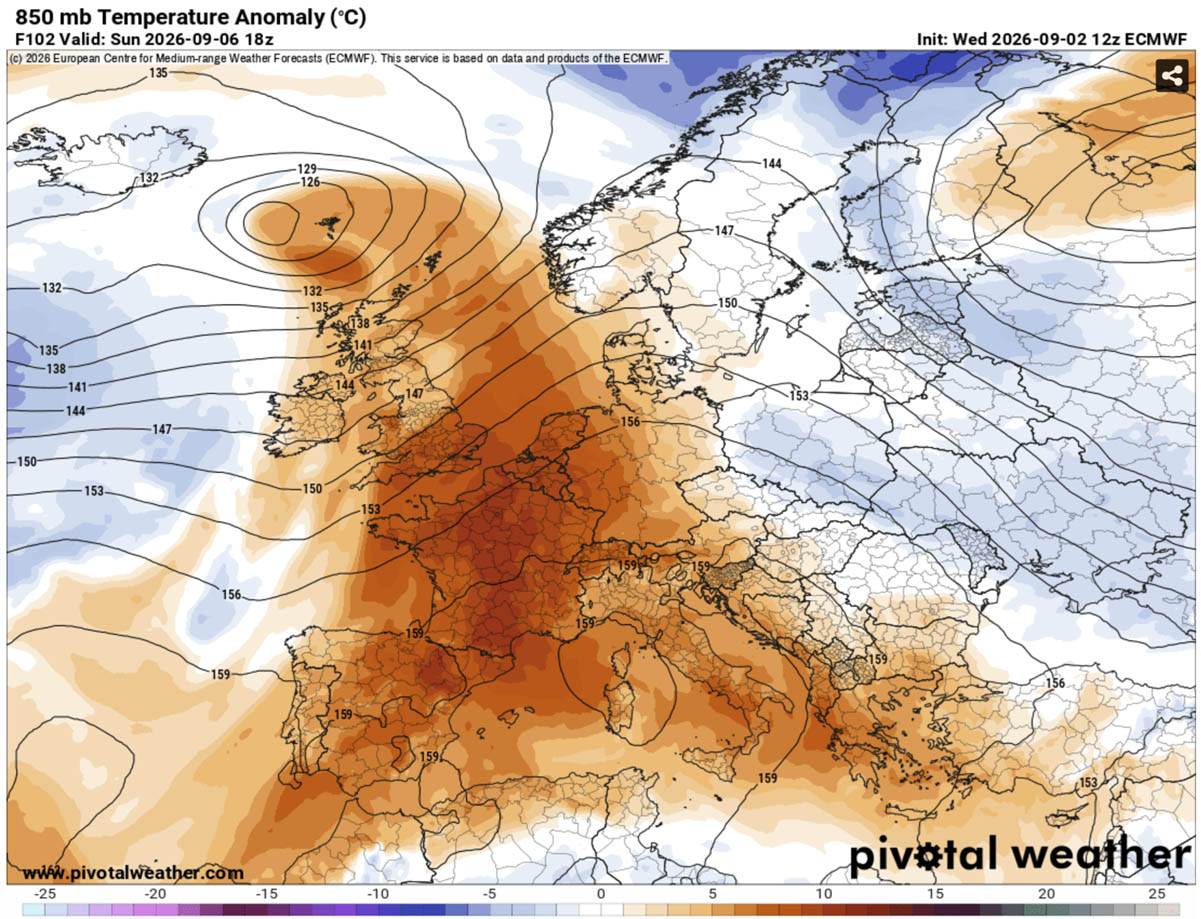
- Weekend Expansion: As the ridge shifts and expands, the core of the heat mass will migrate toward southern and central France, Italy, and the Balkan countries. By Saturday and Sunday, major urban centers across these regions will experience temperatures 10°C to 14°C above the long-term seasonal averages for early September.
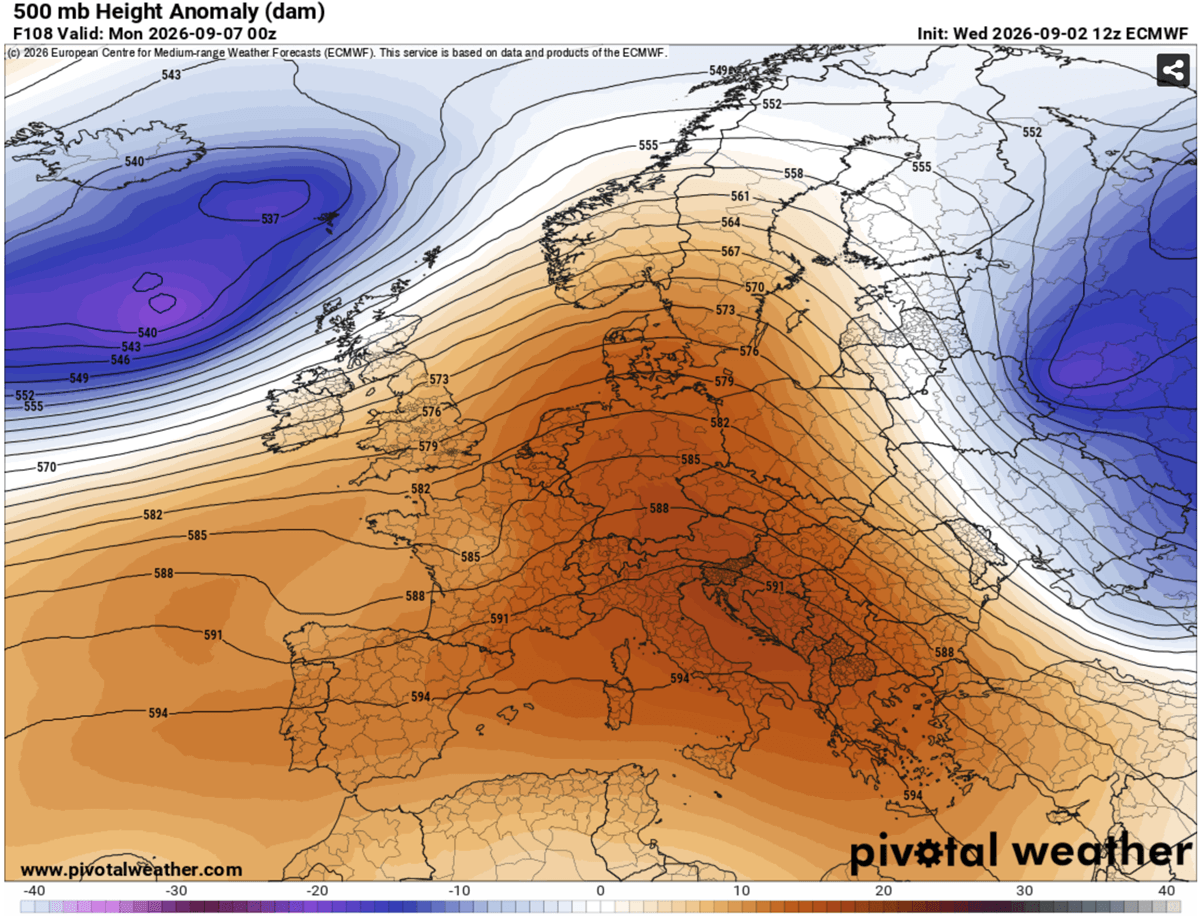
- Early Next Week: The heat dome will maintain its grip on the Mediterranean Basin and Central Europe. Forecast models indicate that while the intensity may fluctuate slightly, the "thermal ridge" remains stubbornly in place, ensuring that even nocturnal hours offer little respite.
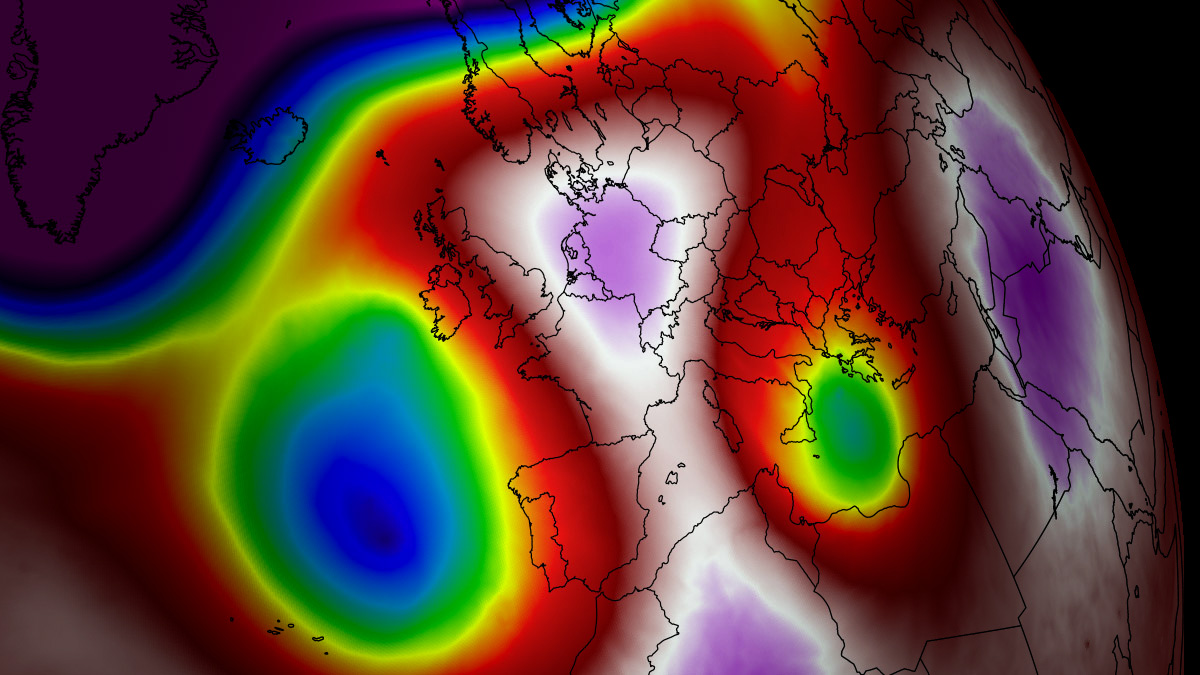
- Mid-Next Week (The Pattern Flip): Meteorologists are tracking a significant change in the North Atlantic synoptic setup. A deep, cold-air trough is expected to develop, eventually breaking the blocking high. By the middle of next week, this incoming maritime air mass is projected to trigger a sharp cooling trend, likely accompanied by scattered, much-needed rainfall.
Regional Breakdown of Temperature Extremes
The distribution of the heat is not uniform, with specific "hot spots" emerging based on local topography and the trajectory of the African plume.
Southwestern Europe
Spain and Portugal are currently the epicenter of the heatwave. The combination of intense solar radiation and the dry African air mass is pushing thermometers to levels rarely seen in September. Central and southern Spain are currently the most vulnerable, with heat alerts issued as temperatures consistently hover between 40°C and 44°C.
Western Europe and the UK
Southern and central France will bear the brunt of the heat within this sector, with temperatures expected to reach the mid-to-high 30s. Interestingly, the UK will experience a "pulse" of heat due to the shifting ridge; while not reaching the extreme 40°C levels of the south, south-central England and Wales will see mid-to-upper 20s, which is significantly warmer than typical early-September conditions for the region. Ireland and Scotland will remain relatively insulated, with temperatures peaking in the low 20s.
Southern Europe and the Balkans
Italy and the Balkan Peninsula are facing a prolonged period of heat that will last through Monday. The Po Valley in northern Italy and the Tuscany region are expected to see peaks of 38°C to 41°C. Similarly, the central Balkans and Greece are bracing for record-challenging temperatures as the hot air mass stagnates over the Mediterranean.
Implications: Public Health and Infrastructure Stress
The danger of this heatwave extends far beyond the thermometer reading. The primary concern among health officials is the lack of "nocturnal recovery."
The "Tropical Night" Crisis
A defining characteristic of this event is the persistent warmth during the night. In many urban corridors, temperatures are not expected to drop below 22°C to 25°C. When a human body is subjected to such temperatures for multiple consecutive nights, it cannot effectively dissipate the heat absorbed during the day. This leads to cumulative heat stress, which is particularly dangerous for the elderly, children, and those with cardiovascular or respiratory conditions.
Energy Grid Demand
The sustained nature of the heat dome places immense strain on regional energy grids. As households and businesses ramp up air conditioning usage to combat the heat, the demand for electricity spikes. In many parts of Southern Europe, this creates a high risk of grid instability. Furthermore, the heat affects the efficiency of power plants and transmission lines, creating a vicious cycle of supply-demand challenges.
Environmental and Agricultural Impact
The combination of record-breaking heat and dry, continental winds creates a critical fire weather environment. Dried mountain slopes and agricultural lands in the Mediterranean are highly susceptible to wildfires. Furthermore, the extreme heat threatens to accelerate the depletion of soil moisture, potentially impacting late-season harvests and increasing the long-term agricultural drought risk in affected regions.
Understanding the "Feel" vs. The "Reading"
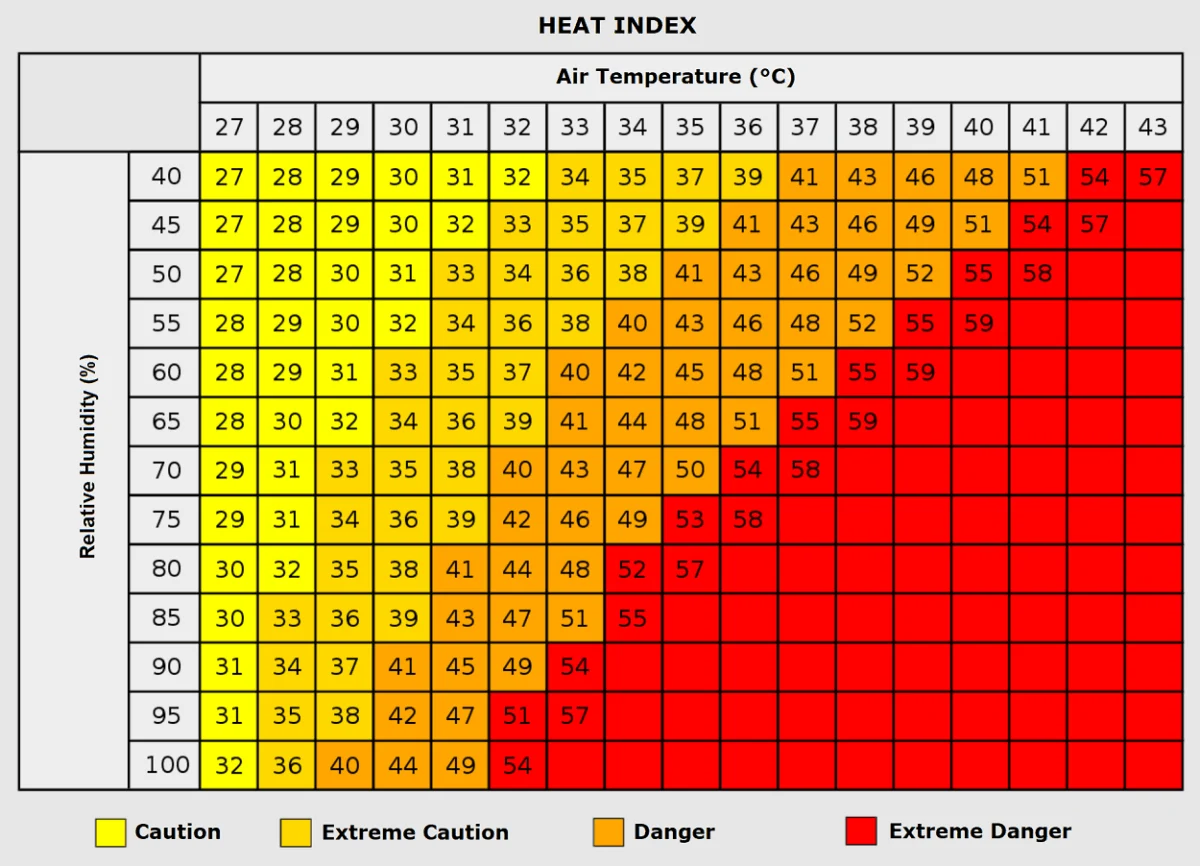
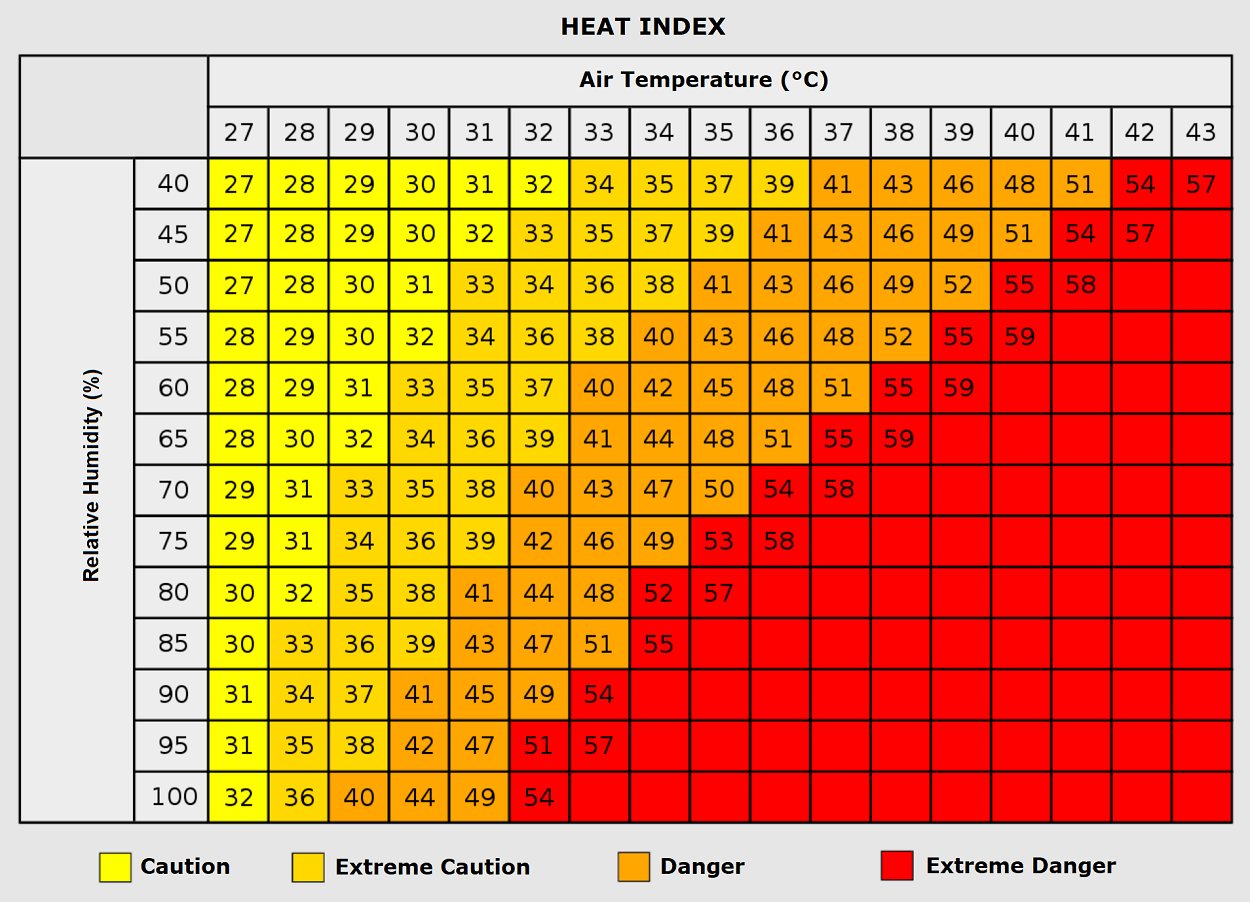
While meteorologists report the air temperature, the "Heat Index" is the figure most relevant to human safety. When high temperatures combine with high relative humidity, the body’s ability to cool itself through sweat evaporation is compromised.
For instance, an air temperature of 35°C might feel relatively manageable in dry conditions. However, if the humidity levels climb above 80%, the perceived "feel" temperature can soar toward 50°C. This creates an immediate risk of heat exhaustion and heat stroke, especially for outdoor laborers, construction workers, and farmers who cannot avoid exposure during peak sunlight hours.
Future Outlook: A Shifting Pattern
While the current outlook is grim, the long-term forecast offers a glimpse of relief. The interaction between the persistent Mediterranean high and the incoming Atlantic low-pressure system is the key to ending the event.
By next Wednesday, the atmospheric "lid" is expected to be lifted. As the ridge shifts eastward, the influx of a cooler, maritime air mass will likely terminate the heatwave. While the exact timing of this transition is subject to minor adjustments in the models, the trend toward a more dynamic, cooler, and potentially wetter pattern is becoming increasingly consistent.
As Europe navigates this late-summer crisis, the emphasis remains on safety. Health authorities recommend staying hydrated, avoiding strenuous activity during the heat of the day, and checking on vulnerable neighbors. As we look toward the remainder of the month, this event serves as a stark reminder of the increasing frequency and intensity of late-season heat domes in the European climate context.
For the latest updates, monitor regional meteorological agencies and stay informed on local heat-health alerts as this dynamic weather pattern evolves.