As the vernal equinox transitions into the full bloom of spring, the call of the wild becomes impossible to ignore. For outdoor enthusiasts, professional guides, and backcountry explorers, this season signifies more than just longer days—it marks a critical juncture for safety, preparedness, and professional development. Whether you are prepping for your first multi-day trek or gearing up for a summer season leading expeditions, the importance of robust wilderness medical training has never been more relevant.
This month, Wilderness Medical Associates (WMA) International is highlighting a vital push for certifications, unveiling significant updates to global resuscitation guidelines, and providing a roadmap for students displaced by the recent closure of Adventure Med.
The 5-Day WFR: A Standard for Remote Resilience
When you are hours or days from the nearest trailhead, the standard "911" response is not a reality. In the wilderness, you are the EMS system. The Wilderness First Responder (WFR) certification is the industry gold standard, designed to bridge the gap between initial injury and professional medical extraction.
Immersive Curriculum and Rigorous Standards
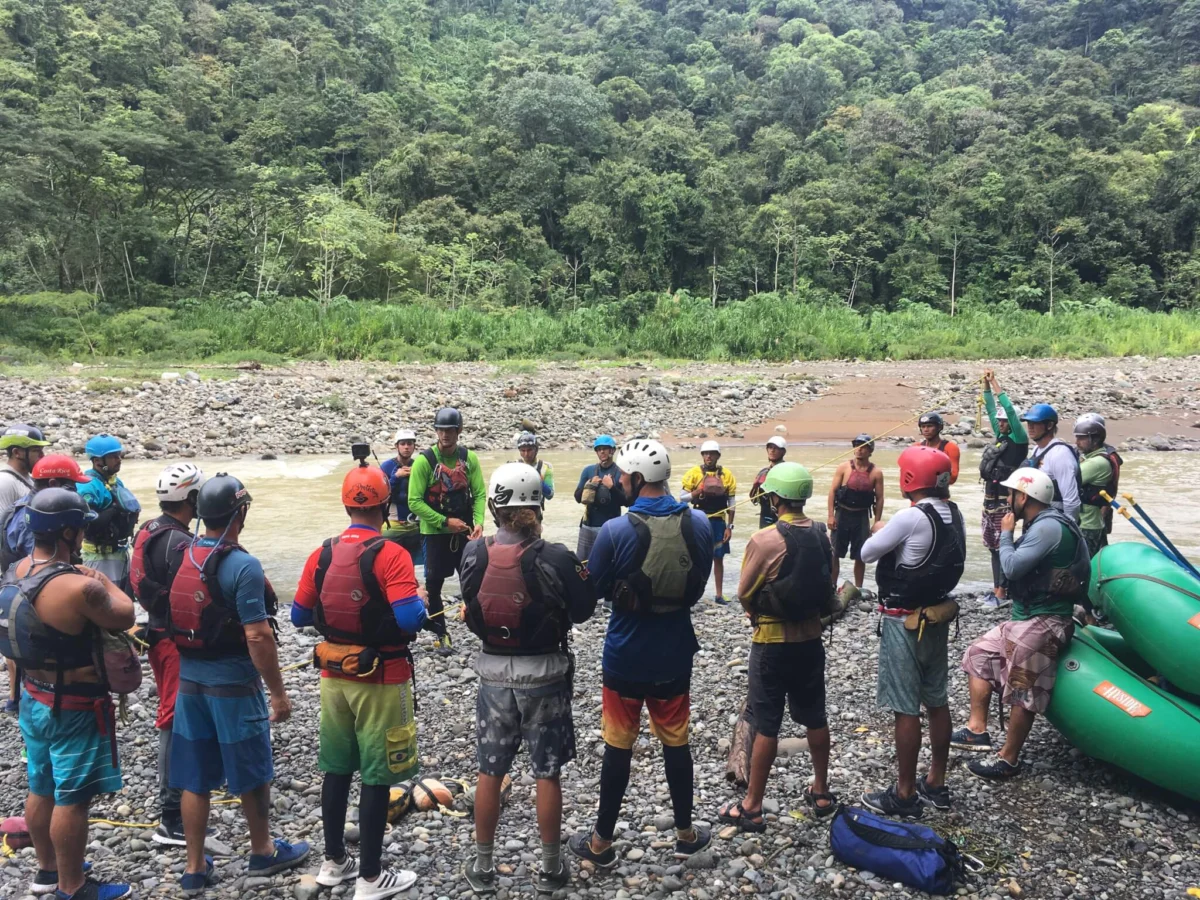
The 5-Day WFR program is an intensive, high-stakes course that demands both mental fortitude and practical aptitude. Over the course of five days, students undergo a hybrid training model, beginning with over 30 hours of rigorous pre-course study, followed by 45+ hours of immersive, hands-on, in-person training.
The curriculum is comprehensive, covering:
- Patient Assessment: Mastering the primary and secondary surveys in austere environments.
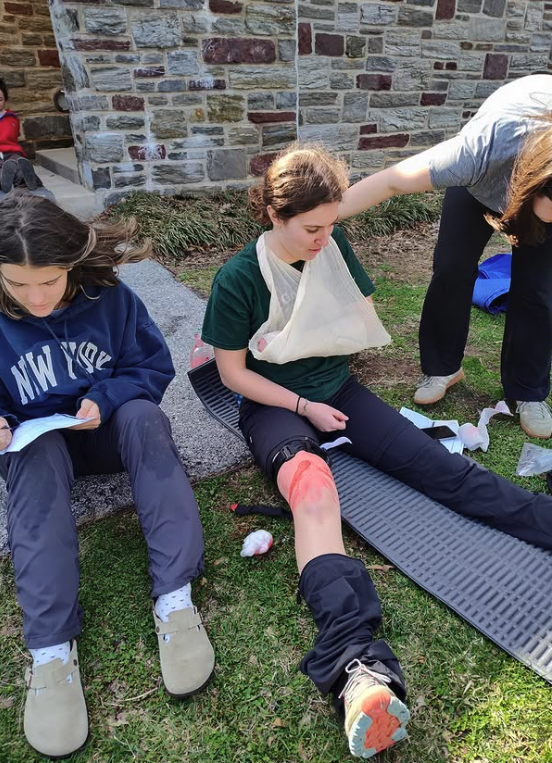
- Trauma Management: Advanced techniques in bleeding control, wound management, and fracture stabilization.
- Environmental Medicine: Mitigating the risks of heatstroke, hypothermia, and high-altitude illness.
- Backcountry Medical Protocols: Managing chronic conditions like anaphylaxis, severe asthma, and cardiovascular emergencies using WMA’s field-tested protocols.
- Specialized Skills: Including spine packaging, splinting, and the effective use of AEDs in remote settings.
This is a pass/fail certification, reflecting the real-world stakes of wilderness medicine. Successfully earning the WFR credential provides a robust, three-year validation of a practitioner’s ability to manage complex medical scenarios when professional help is unavailable.
May 2026 Course Schedule
Opportunities to achieve this certification are concentrated throughout the month of May. Aspiring students are advised to register at least four to six weeks in advance to complete the mandatory pre-course work.
- New London, Connecticut (May 18–22, $800): Facilitated by Healing All Wounds, LLC.
- Boulder, Colorado (May 20–24, $900): Facilitated by Global Emergency Medics.
- Mazomanie, Wisconsin (May 21–25, $1,100): Includes full room and board, facilitated by Lochsa Wilderness Education.
- Boulder Junction, Wisconsin (May 25–29, $855–$1,100): Facilitated by Resilient Ann.
- West Glacier, Montana (May 25–29, $695): Facilitated by Crane Marsh Wilderness Medicine, LLC.
Evolution of Life-Saving Protocols: New CPR Guidelines
Medical standards are not static; they evolve based on the continuous analysis of global resuscitation data. The International Liaison Committee on Resuscitation (ILCOR) has recently completed a review of resuscitation outcomes, leading to significant updates in the 2025 Basic Life Support (BLS) guidelines, which have now been fully integrated into the WMA curriculum.
The Return of Back Blows
In a notable shift, the protocol for conscious adults suffering from a complete airway obstruction has returned to a proven, multi-modal approach. Previously, guidance leaned heavily on abdominal thrusts. The updated standard now mandates an alternating cycle: five firm back blows followed by five abdominal thrusts. This cycle should be repeated until the obstruction is cleared or the patient loses consciousness.
Infant CPR: Reimagining Mechanics
The traditional "two-finger" technique for infant CPR has been officially deprecated. Clinical evidence suggests that the two-finger method lacks the compression depth necessary for optimal outcomes and contributes to rapid rescuer fatigue. Rescuers are now instructed to utilize the "two-thumb encircling hands" technique or the "heel-of-one-hand" technique on the lower half of the sternum. These methods ensure deeper, more effective compressions while preserving the physical stamina of the rescuer during long-duration resuscitation attempts.
Pediatric Pulse Considerations
Resuscitation triggers for pediatric patients have been refined. If a child displays a pulse of less than 60 beats per minute, it is now considered an indication for immediate intervention.
- Airway and Ventilation: Open the airway and provide Positive Pressure Ventilation (PPV) at a rate of one breath every two to three seconds.
- Reassessment: Re-evaluate after two minutes.
- Active CPR: If the pulse remains below 60 despite adequate ventilation and oxygenation, initiate chest compressions immediately.
- Opioid Intervention: In cases where an opioid overdose is suspected, the administration of naloxone remains a priority alongside standard resuscitation.
Navigating Industry Change: A Message to Adventure Med Students
The recent, sudden closure of Adventure Med has left many students and course hosts in a state of uncertainty regarding their certification status and recertification paths. WMA International, in coordination with the Wilderness Medicine Education Collaborative (WMEC), is working to provide a structured path forward for those affected.
Verifying Your Credentials
Because the Adventure Med office is closed, the verification of historical course records is currently impossible through their channels. Students are strongly encouraged to locate their personal documentation—including course certificates, syllabi, or proof of enrollment—to facilitate a transition to a new provider.
To be eligible for a recertification path within the WMEC framework, students must provide evidence of their original training meeting the following criteria:
- Full WFR: A minimum of 70 hours of overall instruction, with at least 45 hours performed in-person.
- WFR Recertification: A minimum of 16 hours of in-person instruction.
Strategic Options for Displaced Students
WMA is offering two specific pathways for former Adventure Med students:
- Discounted Full WFR: Students who do not meet the criteria for a simple recertification, or who prefer a refresher, are eligible for a reduced-rate enrollment in a full WFR course. Interested parties should inquire directly during the registration process.
- 3-Day Hybrid Recertification: WMA is prepared to offer custom 3-day hybrid recertification courses for groups. This is specifically targeted at former Adventure Med hosts who have a cohort of students needing re-credentialing. This course includes 12 hours of mandatory pre-course e-learning followed by 24 hours of hands-on, in-person instruction.
"We recognize that an unexpected institutional closure creates significant frustration for students who rely on these credentials for their livelihoods and safety," a WMA spokesperson stated. "Our goal is to ensure that no practitioner is left without a path to stay current."
Field Notes: Live from the Wild
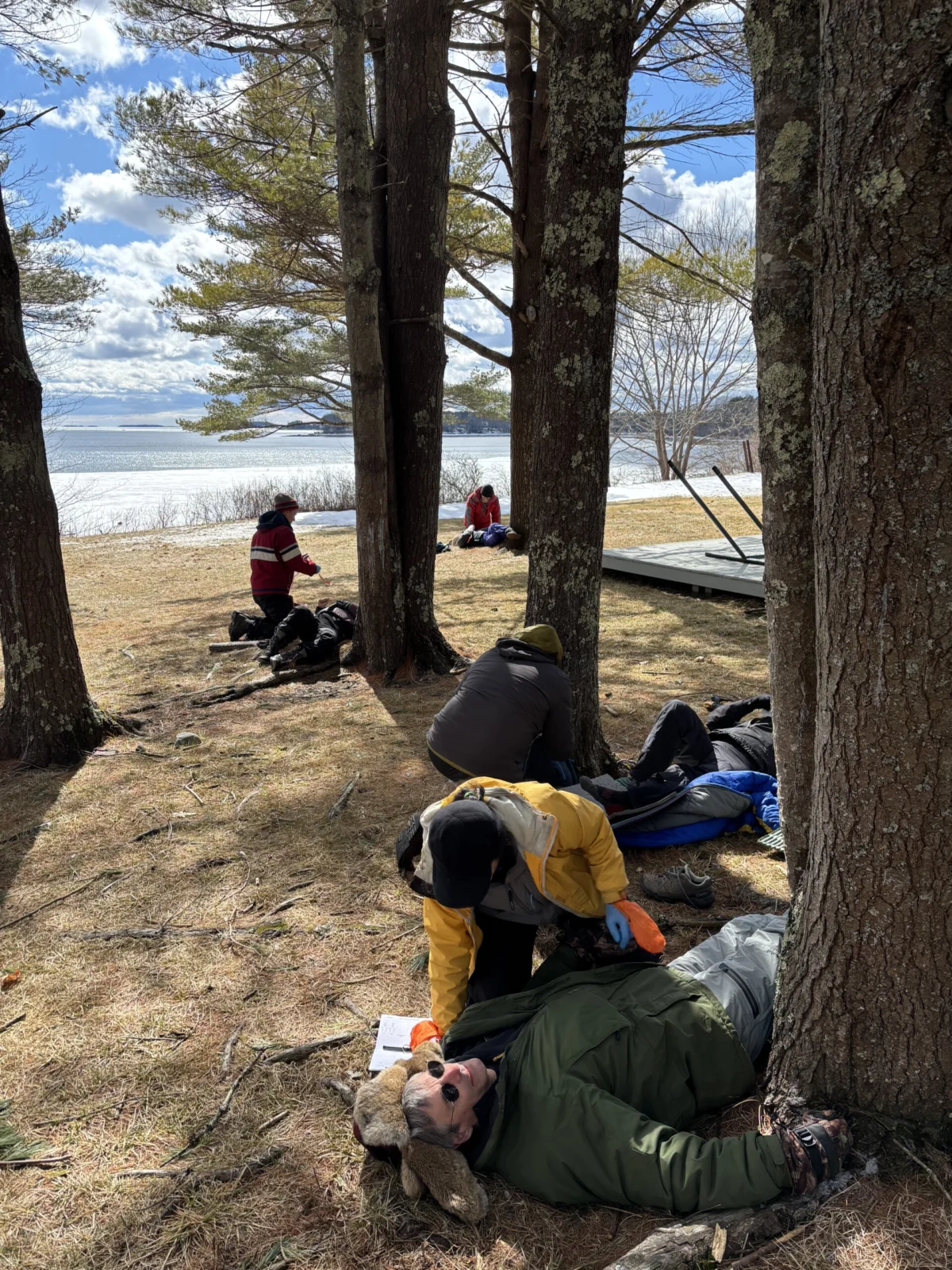
The essence of wilderness medicine is found not in the classroom, but in the field. Recent training sessions, such as those held at the L.L. Bean Outdoor Discovery Center in Freeport, Maine, serve as a testament to this philosophy.
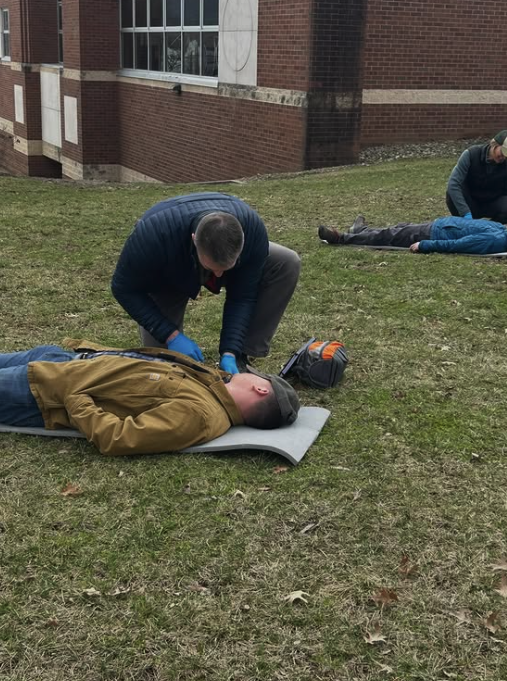
During a recent WFR Recertification course, instructor Eric Duffy noted the unique benefits of training in the elements. "The wind was howling the whole time, and we had an entire waterfront peninsula to ourselves," Duffy reported. "It allowed us to combine nature-based challenges with the clinical precision of BLS skills." By training in conditions that mirror the reality of the backcountry—where temperature, wind, and terrain affect every decision—students gain the confidence required to operate when the stakes are at their highest.
As spring turns to summer, WMA encourages all students and instructors to document their experiences. Whether it is a snapshot of a simulated splinting scenario in the mountains or a moment of reflection during a lecture, these images represent the commitment to safety that defines the wilderness community.
For those seeking more information on the May course schedule, the new CPR guidelines, or the transition pathways for Adventure Med students, please visit wildmed.com or contact the WMA office at (207) 730-7331. Preparation is the primary ingredient of adventure; ensure your skills are as ready for the season as your gear.