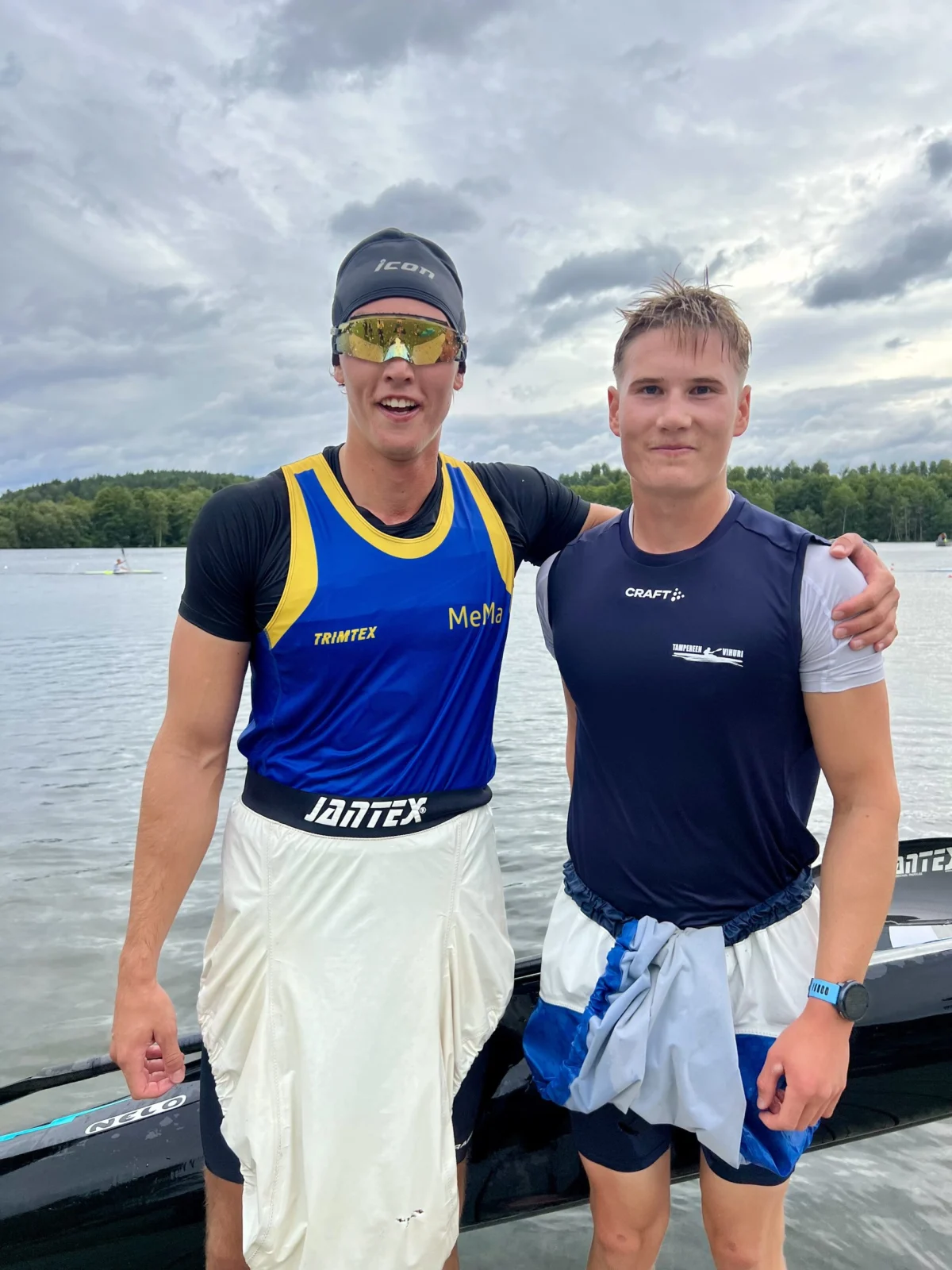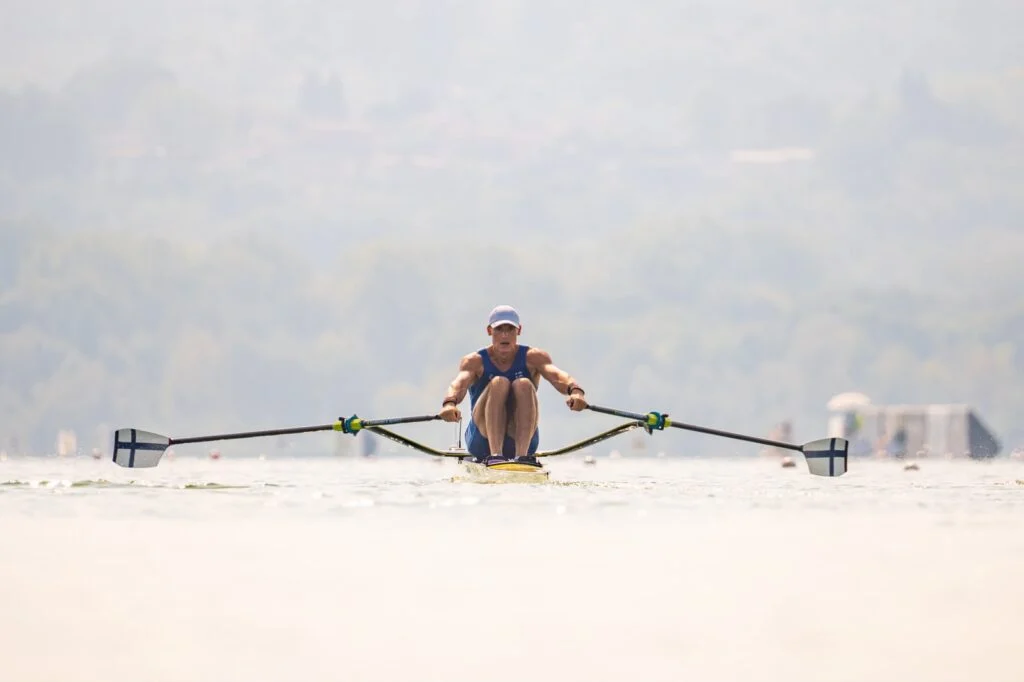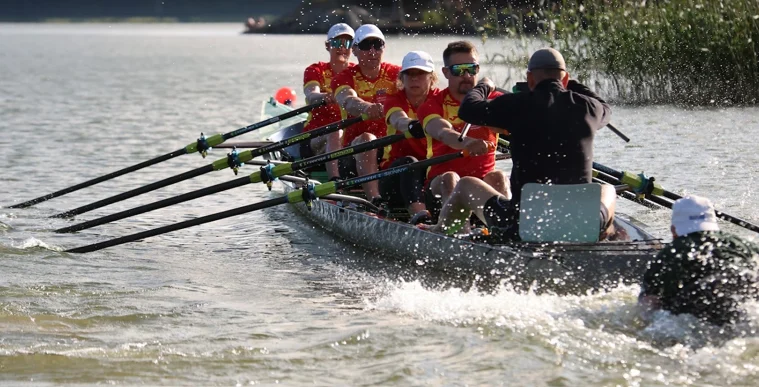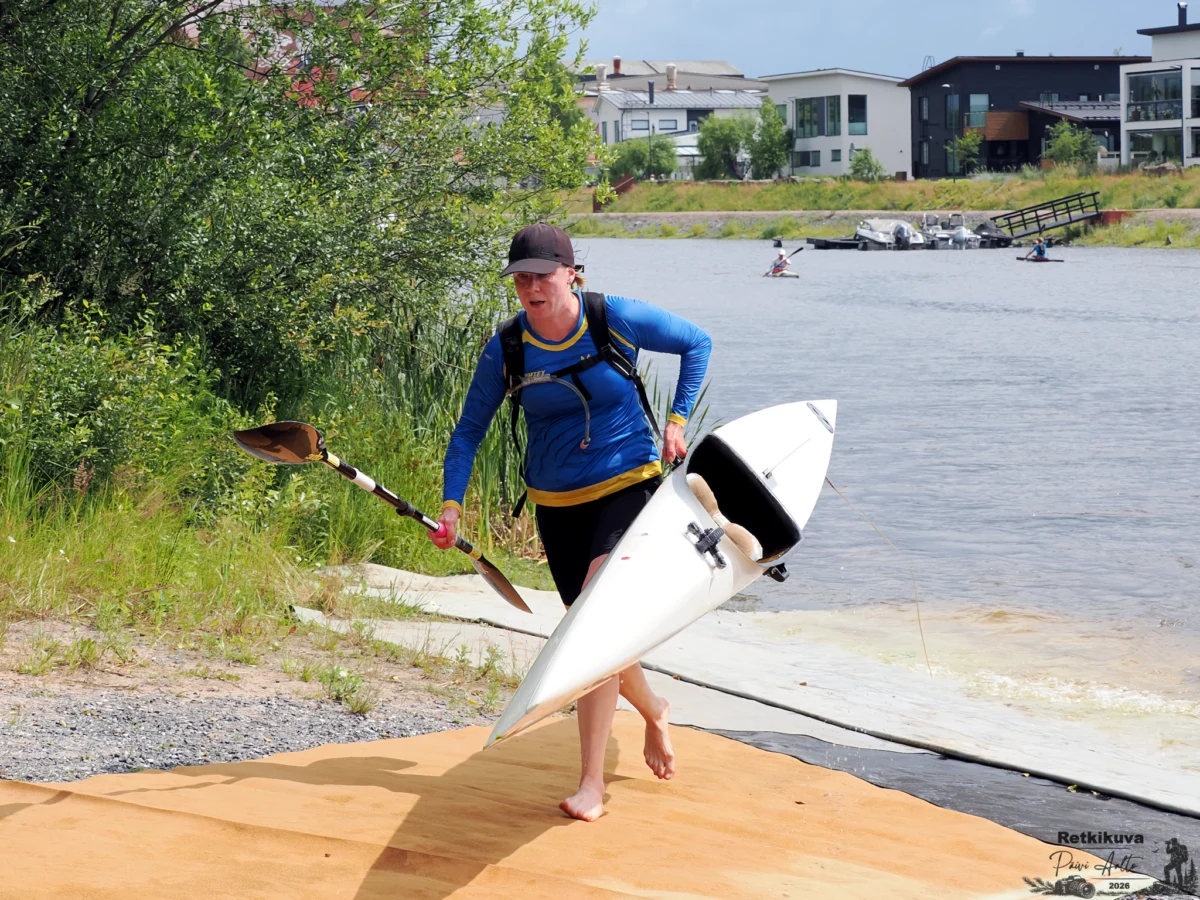
Pori, Finland – July 4, 2026 – The tranquil waters of the Kokemäenjoki River transformed into a crucible of endurance and skill on Saturday, July 4, 2026, as Pori hosted the eagerly anticipated Finnish Marathon Canoeing Championships (SM and NSM) and the fifth leg of the Finnish Cup. In a day marked by intense competition, strategic paddling, and the celebration of both seasoned champions and emerging talents, Miska Nummela of Tampereen Vihuri clinched his third consecutive national title in the Men’s General Series, while local hero Emmi Puputti-Vehkalahti, representing the organizing club Melamajavat, triumphed in the Women’s General Series.
The event, held amidst the scenic islets of the Kokemäenjoki delta, drew 60 athletes from 15 different clubs across Finland, all vying for national glory and crucial Finnish Cup points. Competitors and spectators alike lauded the impeccable organization by Melamajavat and the challenging yet picturesque new course, which wound through the river’s unique landscape, past natural formations, and beneath architectural bridges, evoking a cherished sense of traditional marathon canoeing.
The Main Facts: A Day of Champions and Close Contests
The 2026 Finnish Marathon Canoeing Championships delivered on all fronts, providing a compelling showcase of the sport’s demanding nature. Miska Nummela, already a dominant force in Finnish marathon canoeing, demonstrated his unparalleled consistency and power, securing his third consecutive gold medal in the Men’s General Series. His victory was not just a testament to individual prowess but also highlighted the strength of his club, Tampereen Vihuri, which saw multiple podium finishes throughout the day.
In the Women’s General Series, the atmosphere was electric as Emmi Puputti-Vehkalahti, an athlete deeply embedded in the local canoeing community through her affiliation with Melamajavat, powered her way to a well-deserved national championship. Her triumph was met with particular enthusiasm, resonating deeply within the host club and the broader Pori sporting community.
Beyond the senior categories, the championships also served as a vital platform for the next generation of Finnish paddlers. Young talents like Robin Lassenius (Vanajaveden Vesikot) in the U16 series and Ahti Ritala (Pirkka-Melojat) and Neea Bragge (Melamajavat) in the U14 series were crowned national champions, signaling a bright future for the sport. The collective success of clubs such as Kangasalan Melojat, Pirkka-Melojat, Tampereen Vihuri, and Melamajavat, who collectively amassed a significant number of medals across various age groups, underscored the depth of talent and the robust club structures nurturing these athletes.
The Kokemäenjoki River, with its strategic layout and welcoming conditions, proved an ideal host. The positive feedback from participants regarding both the efficiency of the event’s arrangements and the beauty and technical demands of the new course was a clear indicator of a successful championship that will undoubtedly be remembered fondly within the Finnish canoeing community.
Chronology of the Races: Strategy, Stamina, and Sprint Finishes
The morning of July 4, 2026, dawned clear and crisp over Pori, setting the stage for an ideal day of endurance racing. Competitors gathered at the Melamajavat boathouse, which served as the bustling competition center, a hub of activity with kayaks and canoes being prepared, last-minute strategies being discussed, and the palpable tension of pre-race anticipation filling the air. The atmosphere was one of camaraderie mixed with fierce competitive spirit, characteristic of the close-knit Finnish paddling community.
The Men’s General Series: Nummela’s Unchallenged Dominance
The Men’s General Series race was arguably the most anticipated event of the day, with all eyes on Miska Nummela. From the outset, Nummela showcased why he is considered the benchmark in Finnish marathon canoeing. He established an early lead, demonstrating a potent combination of raw power and intelligent pacing. His stroke rate was consistent, his technique flawless, allowing him to navigate the demanding course with remarkable efficiency. The "new route," with its intricate passages around the islets and under several bridges, demanded not only physical endurance but also acute navigational skills and the ability to maintain concentration over extended periods. Nummela handled these challenges with aplomb, steadily widening the gap between himself and the chasing pack.
As the race progressed into its latter stages, Nummela’s lead became insurmountable. He crossed the finish line with a commanding two-minute advantage over his closest rival, cementing his status as a three-time consecutive Finnish champion. This consistent performance speaks volumes about his dedication, his rigorous training regimen, and his unwavering mental fortitude under pressure.
Behind Nummela, however, the battle for the silver and bronze medals was far from decided. A thrilling contest unfolded between Tommi Ritala of Pirkka-Melojat and Eero Luoma of Merimelojat. These two paddlers, having pushed each other throughout the grueling course, entered the final stretch neck and neck. Spectators lining the riverbanks were treated to a dramatic sprint finish, a true test of remaining strength and will. In a photo finish that encapsulated the spirit of competitive marathon canoeing, Ritala managed to edge out Luoma by a mere five seconds, securing the silver medal. Luoma, despite missing out on silver, earned a hard-fought bronze, showcasing immense resilience and strategic paddling. This close finish underscored the depth of talent and the fierce competition among the top echelons of Finnish male marathon paddlers.
The Women’s General Series: Home Glory for Puputti-Vehkalahti
The Women’s General Series race captivated the local audience, largely due to the presence of Emmi Puputti-Vehkalahti. As a representative of the host club, Melamajavat, there was an added layer of expectation and support for her performance. Puputti-Vehkalahti responded to the challenge magnificently, delivering a masterful performance that combined powerful paddling with a deep understanding of the Kokemäenjoki’s currents and nuances.
Her victory was a testament not only to her physical capabilities but also to her profound connection with the sport and the local club. She navigated the course with determination, building a lead that, while not as vast as Nummela’s, was nonetheless decisive. She finished nearly two minutes ahead of her nearest competitor, Iida Lindeman of Tampereen Vihuri, who secured the silver medal with a strong performance. Saana Moilanen, also from Tampereen Vihuri, completed the podium, earning the bronze. The presence of two Tampereen Vihuri paddlers on the women’s podium alongside Puputti-Vehkalahti highlighted the competitive strength emanating from the Tampere region clubs.
Youth Categories: A Glimpse into the Future
The championships were not solely about the senior athletes. The youth categories, including the U16 and U14 series, provided an exciting glimpse into the future of Finnish marathon canoeing. These races, while shorter in distance, were no less intense, showcasing the budding talent and fierce determination of young paddlers.
In the U16 series, Robin Lassenius of Vanajaveden Vesikot displayed exceptional promise, paddling his way to a well-deserved Finnish championship title. His performance was characterized by youthful exuberance tempered with mature racecraft. The U14 categories saw Ahti Ritala of Pirkka-Melojat and Neea Bragge of Melamajavat crowned champions. Ritala’s victory, following closely on his father Tommi’s silver in the senior men’s race, pointed to a strong family tradition in the sport, while Bragge’s win added another gold to the host club’s impressive tally, further energizing the local supporters.
The success of these young athletes, combined with Emmi Puputti-Vehkalahti’s observations, underscored the robust grassroots development within Finnish canoeing clubs. The junior races were vibrant, competitive, and filled with the kind of raw enthusiasm that ensures the sport’s continued vitality.
Supporting Data: Athlete Dedication, Club Rivalries, and a Pristine Course
The narrative of the 2026 Finnish Marathon Canoeing Championships is incomplete without delving into the background of its champions, the foundational strength of the participating clubs, and the specific characteristics that made the Kokemäenjoki River an exemplary host.
Profiles in Endurance: Nummela and Puputti-Vehkalahti
Miska Nummela’s dominance in the Men’s General Series is a story of relentless pursuit of excellence. His third consecutive national title is no accident; it is the culmination of years of dedicated training, meticulous preparation, and an unwavering focus on race strategy. Nummela is known for his systematic approach to training, incorporating not only on-water paddling but also strength and endurance conditioning, and mental preparation. His ability to maintain peak performance year after year is a testament to his professionalism, even within the context of amateur sport. For Tampereen Vihuri, Nummela’s continued success serves as an inspiration and a benchmark for younger athletes aspiring to reach the pinnacle of the sport. His victories contribute significantly to the club’s prestige and attract new talent to its ranks.
Emmi Puputti-Vehkalahti’s victory, particularly on her home river, carries a special significance. Beyond the physical triumph, her win embodies the spirit of community and the delicate balance many elite amateur athletes must strike. As she articulated post-race, "Combining family life, work, club activities, and some personal paddling is not a simple equation. However, I feel immense gratitude that daily life has rolled on, and I have the opportunity to compete at this level." This sentiment resonates deeply with many athletes who juggle demanding personal and professional lives with the rigorous demands of competitive sport. Puputti-Vehkalahti’s journey highlights the immense personal sacrifice and disciplined time management required. Her involvement with Melamajavat extends beyond just competing; it encompasses contributing to the club’s operations and fostering its community spirit. Her win, therefore, is not just a personal achievement but a victory for the entire Melamajavat club, symbolizing the success that can be achieved through collective effort and individual dedication.
The Power of the Clubs: Fostering Finnish Talent
The distribution of medals across various clubs, particularly the strong showing by Tampereen Vihuri, Pirkka-Melojat, Melamajavat, and Kangasalan Melojat, illustrates the vibrant club culture that underpins Finnish canoeing. These clubs are more than just training grounds; they are communities that provide support, coaching, equipment, and the competitive environment necessary for athletes to thrive.
Tampereen Vihuri emerged as a powerhouse, securing medals in both men’s and women’s general series, underscoring their comprehensive training programs and the depth of their athlete pool. Their consistent performance at national championships cements their reputation as one of Finland’s leading canoeing clubs.
Pirkka-Melojat also demonstrated significant strength, particularly with Tommi Ritala’s silver and Ahti Ritala’s youth gold, showcasing their success in developing talent across generations. This intergenerational success is vital for the long-term health of any sport.
Melamajavat, as the host club, celebrated not only Emmi Puputti-Vehkalahti’s senior gold but also Neea Bragge’s U14 triumph, reflecting the effectiveness of their local development programs and the pride of performing on home turf. The energy and effort put into organizing the event undoubtedly drew on the same community spirit that fuels their athletic success.
Kangasalan Melojat also featured prominently on the podiums, further highlighting the widespread talent base in Finnish canoeing. These club rivalries, while intense during competition, are ultimately constructive, pushing athletes to greater heights and fostering a healthy competitive environment.
The Kokemäenjoki River and the Praised New Route
The selection of the Kokemäenjoki River and, specifically, the new course through its delta and islets, proved to be a masterstroke. The river, a significant waterway in southwestern Finland, offered diverse conditions suitable for marathon canoeing. The "luotojen alueella" (islet area) provided natural obstacles and strategic turning points, demanding technical skill and tactical awareness from the paddlers.
The "new route," which passed through these islets and under several bridges, received universal acclaim from the participants. Many described it as a "return to traditional marathon canoeing," a sentiment that speaks volumes about its design. This likely implies a course that was less about flat-water speed and more about navigating natural features, potentially involving tighter turns, varied currents, and perhaps even short portages (though not explicitly mentioned, it’s a staple of traditional marathon canoeing). Such a course tests a broader range of paddling skills, rewarding adaptability and endurance over raw power alone. The picturesque setting, with its blend of natural beauty and urban elements (the bridges), also enhanced the experience for both athletes and spectators.
The Melamajavat boathouse, serving as the competition center, was commended for its functionality and facilities. A well-organized start/finish area, adequate space for equipment, and efficient registration and results services are critical for a smooth event, and Melamajavat clearly delivered. The combination of an excellent course and superb organization contributed significantly to the overall success and positive reception of the championships.
Official Responses: Voices of Gratitude, Vision, and Success
The success of the Finnish Marathon Canoeing Championships in Pori was echoed in the sentiments of the athletes, organizers, and federation officials, all of whom underscored the positive trajectory of the sport in Finland.
Emmi Puputti-Vehkalahti: Balancing Life and the Love of the Sport
Emmi Puputti-Vehkalahti, still radiant from her victory, elaborated on her earlier remarks, offering a deeper insight into the life of an elite amateur athlete. "It’s a constant juggle, truly," she reflected, a slight smile touching her lips. "There are days when you question if you have the energy, if you can fit another training session in, or attend another club meeting. But then you remember why you do it – the feeling of the water, the challenge, the camaraderie, and moments like this. The support from my family, my employer, and especially my club, Melamajavat, is absolutely critical. Without that understanding and flexibility, it would simply be impossible. This victory isn’t just mine; it’s a testament to that collective support system."
She also expressed her joy regarding the youth participation. "It was a delight to see how bravely young people participated, even in the marathon race," she exclaimed. "It’s wonderful to follow the development of these promising athletes also in the future. They are the heart of our sport, and seeing their enthusiasm and skill gives me so much hope. Their energy is infectious, and it drives us older paddlers too." Her words highlight her role not just as a competitor but also as a mentor and an advocate for the sport’s future.
The Organizers: Melamajavat’s Pride in a Flawless Event
From the perspective of the host club, Melamajavat, the championships were a resounding success. "We are incredibly proud of how everything came together," stated a beaming Matti Virtanen, Event Director for Melamajavat. "Months of planning, countless volunteer hours, and the collective effort of our club members went into this. To receive such positive feedback from the athletes, especially regarding the new course, is immensely rewarding. We wanted to create an event that truly celebrated traditional marathon canoeing while showcasing the beauty of Pori’s Kokemäenjoki. Seeing Emmi win on home waters was the cherry on top; it truly encapsulated the spirit of Melamajavat."
Virtanen emphasized the collaborative nature of the event. "This wasn’t just Melamajavat; it was a partnership with the city of Pori and the Finnish Canoeing and Rowing Federation. Their support was invaluable. We believe this event has not only elevated marathon canoeing but also highlighted Pori as a premier destination for water sports."
The Federation’s Outlook: A Strong Future for Finnish Canoeing
Representing the national governing body, Ms. Anja Lehtonen, Competition Manager for the Finnish Canoeing and Rowing Federation (Suomen Melonta- ja Soutuliitto), offered an official assessment of the championships. "The Pori event was a shining example of what national championships should be," she commented. "The level of competition was exceptionally high, particularly in the general series, and Miska Nummela’s consistent excellence is a benchmark for all. Emmi Puputti-Vehkalahti’s victory on her home river, amidst her dedicated efforts for the sport, is truly inspiring."
Lehtonen further elaborated on the significance of the youth categories. "The strong participation and impressive performances in the U14 and U16 categories are particularly encouraging. This indicates that our clubs are doing excellent work in nurturing young talent, which is crucial for the long-term health and international competitiveness of Finnish canoeing. The successful integration of this event as the fifth leg of the Finnish Cup also reinforces the importance of this series in developing our athletes throughout the season." She concluded by commending Melamajavat for their exemplary organizational skills and the innovative course design, which she believed offered a fresh and challenging experience for the athletes.
Implications: Sustaining Momentum and Nurturing Future Champions
The 2026 Finnish Marathon Canoeing Championships in Pori carries significant implications for the future of the sport in Finland, impacting athletes, clubs, and the national federation.
Impact on Athletes: Setting New Benchmarks
For Miska Nummela, his third consecutive national title solidifies his legacy as one of Finland’s greatest marathon paddlers. This sustained dominance will undoubtedly fuel his ambition for international competitions, potentially inspiring a more focused push towards European or World Championship events. His consistent victories also set a high benchmark for aspiring paddlers, driving up the overall standard of competition within Finland.
Emmi Puputti-Vehkalahti’s victory is more than a personal achievement; it’s a powerful narrative for balancing elite sport with personal and professional life. Her success serves as a role model, especially for women in sport, demonstrating that dedication and passion can lead to national titles even amidst life’s many responsibilities. This narrative is crucial for attracting and retaining adult participants in the sport, ensuring a diverse and experienced talent pool.
The close finishes and strong performances of athletes like Tommi Ritala, Eero Luoma, Iida Lindeman, and Saana Moilanen highlight the competitive depth. These athletes, pushing the champions, are vital for maintaining a dynamic and challenging national circuit, which is essential for preparing Finnish paddlers for international challenges.
Future of Finnish Marathon Canoeing: A Healthy Trajectory
The robust participation, particularly from 15 different clubs and a significant number of youth athletes, paints a very optimistic picture for the future of Finnish marathon canoeing. The enthusiasm of the younger generation, as observed by Puputti-Vehkalahti, is the lifeblood of any sport. The success of youth programs in clubs like Pirkka-Melojat and Melamajavat is a direct indicator that the foundations are strong. This bodes well for Finland’s continued presence and potential success on the international marathon canoeing stage in the years to come.
The Finnish Cup series, with Pori hosting its fifth leg, plays a crucial role in this development. It provides consistent competitive opportunities, allowing athletes to track their progress, test their strategies, and accumulate valuable experience throughout the season. This structured competition pathway is essential for identifying and nurturing talent from the grassroots level to elite performance.
The Role of Pori and Melamajavat: A Blueprint for Hosting Success
The exceptional feedback on the event’s organization and the new course design establishes Pori and Melamajavat as a premier destination and host for national canoeing events. The praise for the "return to traditional marathon canoeing" route suggests a model that other host cities and clubs might emulate. By embracing the natural features of the Kokemäenjoki River and crafting a technically challenging course, Melamajavat has demonstrated how local geography can be leveraged to enhance the competitive experience.
This successful hosting venture could encourage Melamajavat to bid for future national or even international events, further cementing Pori’s reputation as a hub for paddle sports. It also reinforces the vital role that local clubs play not just in training athletes but also in the broader administration and promotion of their respective sports.
In conclusion, the 2026 Finnish Marathon Canoeing Championships in Pori was more than just a competition; it was a vibrant celebration of athleticism, community spirit, and the enduring appeal of marathon paddling. With strong performances from established champions, the rise of promising youth, and an impeccably organized event on a highly praised course, Finnish marathon canoeing appears to be in robust health, ready to paddle confidently into the future.
Text: Maija Harju
Photos: Retkikuva / Petri Hakosalo and Päivi Aalto