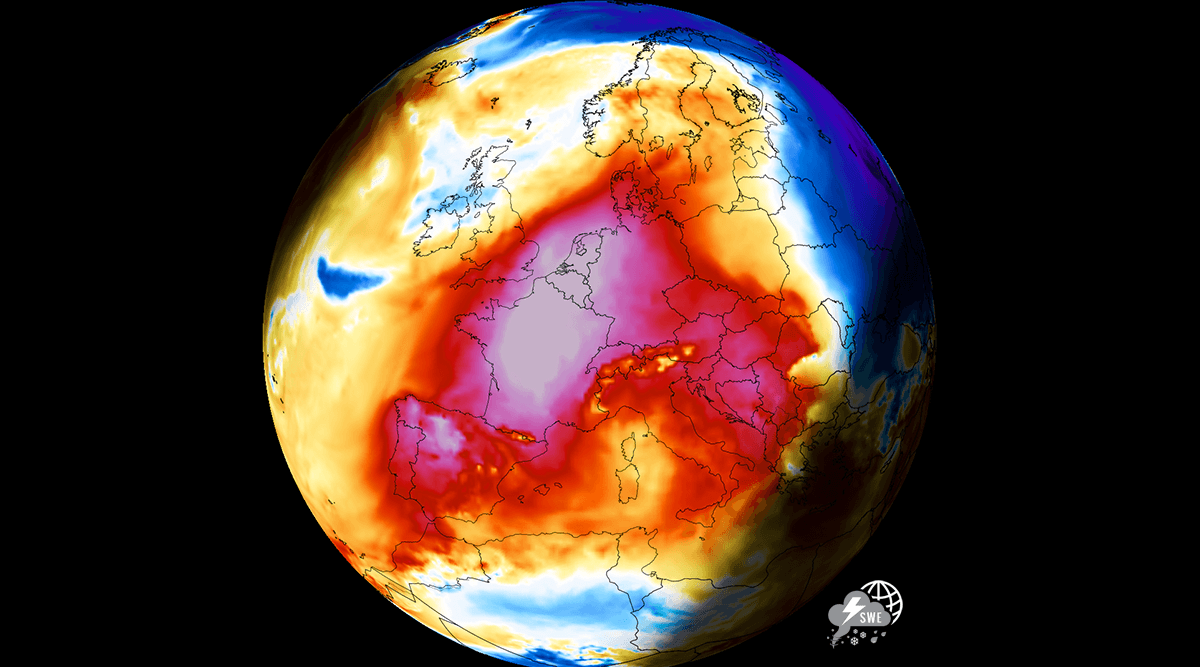
As mid-August 2026 unfolds, the European continent finds itself in the grip of a relentless atmospheric phenomenon. A high-amplitude upper-level ridge has locked the fifth major "Heat Dome" of the season over continental Europe, triggering a surge of extreme temperatures that are pushing widespread afternoon mercury readings past the 40°C threshold.
This latest thermal wave is not merely a transient spike in temperature; it is a manifestation of a robust, persistent high-pressure system that has essentially paralyzed the continent’s weather patterns. Driven by a powerful northward warm surge originating from the lower latitudes, upper-air thermal anomalies are climbing into the 99th percentile. From the sun-scorched valleys of the Iberian Peninsula to the normally temperate corridors of the United Kingdom, France, Italy, and the Balkan Peninsula, millions of residents are facing a week of extreme heat that threatens both public health and critical infrastructure.
Atmospheric Dynamics: The Mechanics of the "Heat Dome"
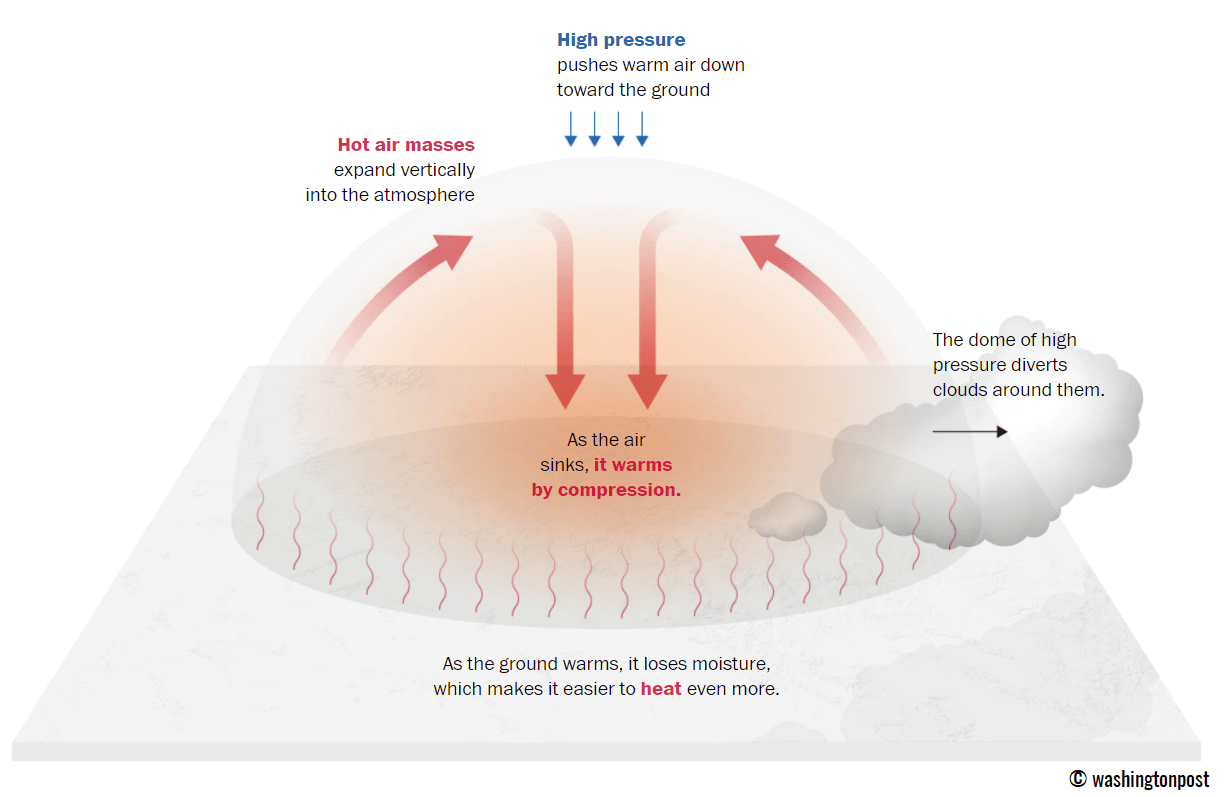
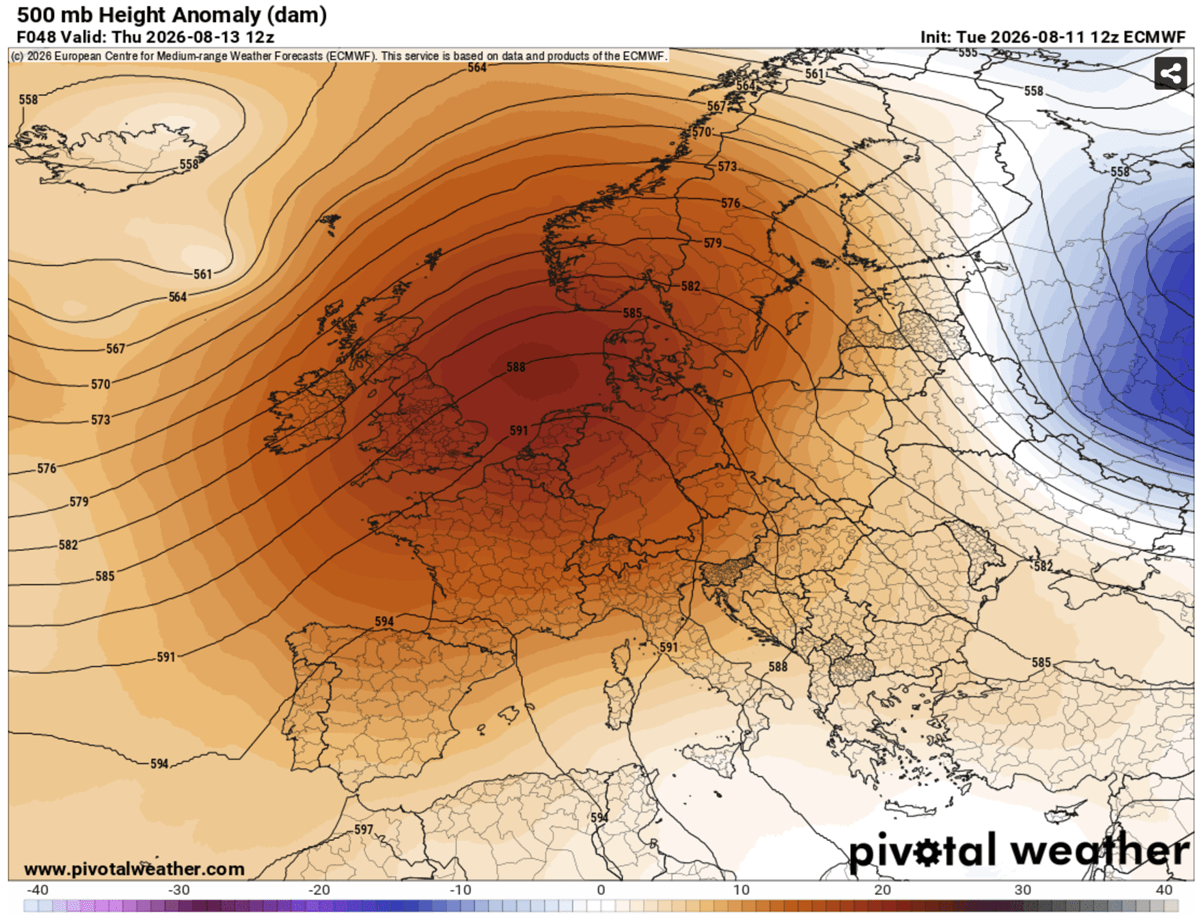
To understand the severity of this event, one must first grasp the physics of the Heat Dome. Often described as a "lid on a pot," a heat dome forms when a broad, persistent area of high pressure parks itself over a large geographic region. In this specific 2026 scenario, the upper-level ridge functions as an atmospheric barrier, trapping warm air at all levels.
As this high-pressure system stabilizes, air is forced to sink, or subside, toward the ground. This process triggers adiabatic compression—a phenomenon where the air heats up rapidly as it is squeezed by the descending pressure. The result is a self-reinforcing cycle: the sinking air dries out the atmosphere, cloud cover evaporates, and solar radiation reaches the surface with unchecked intensity. The ground warms the air above it, which rises and is then pushed back down by the high-pressure dome, effectively baking the landscape. When these conditions persist for days or weeks, as they have throughout this summer, the heat becomes cumulative, preventing the ground and urban environments from shedding heat even after the sun sets.
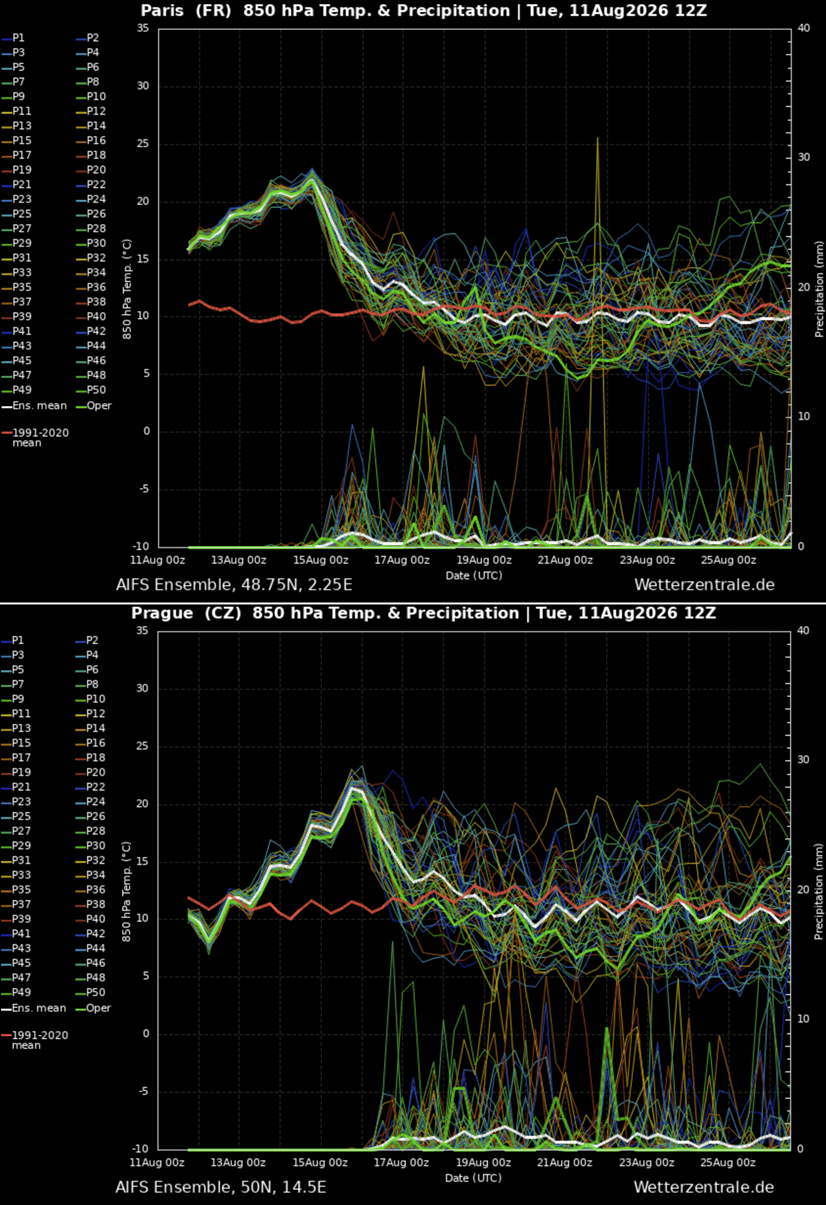
Chronology of the Thermal Surge
The progression of this heatwave follows a distinct, ominous trajectory across the European map.
Mid-Week (Wednesday – Friday): The Western Focus
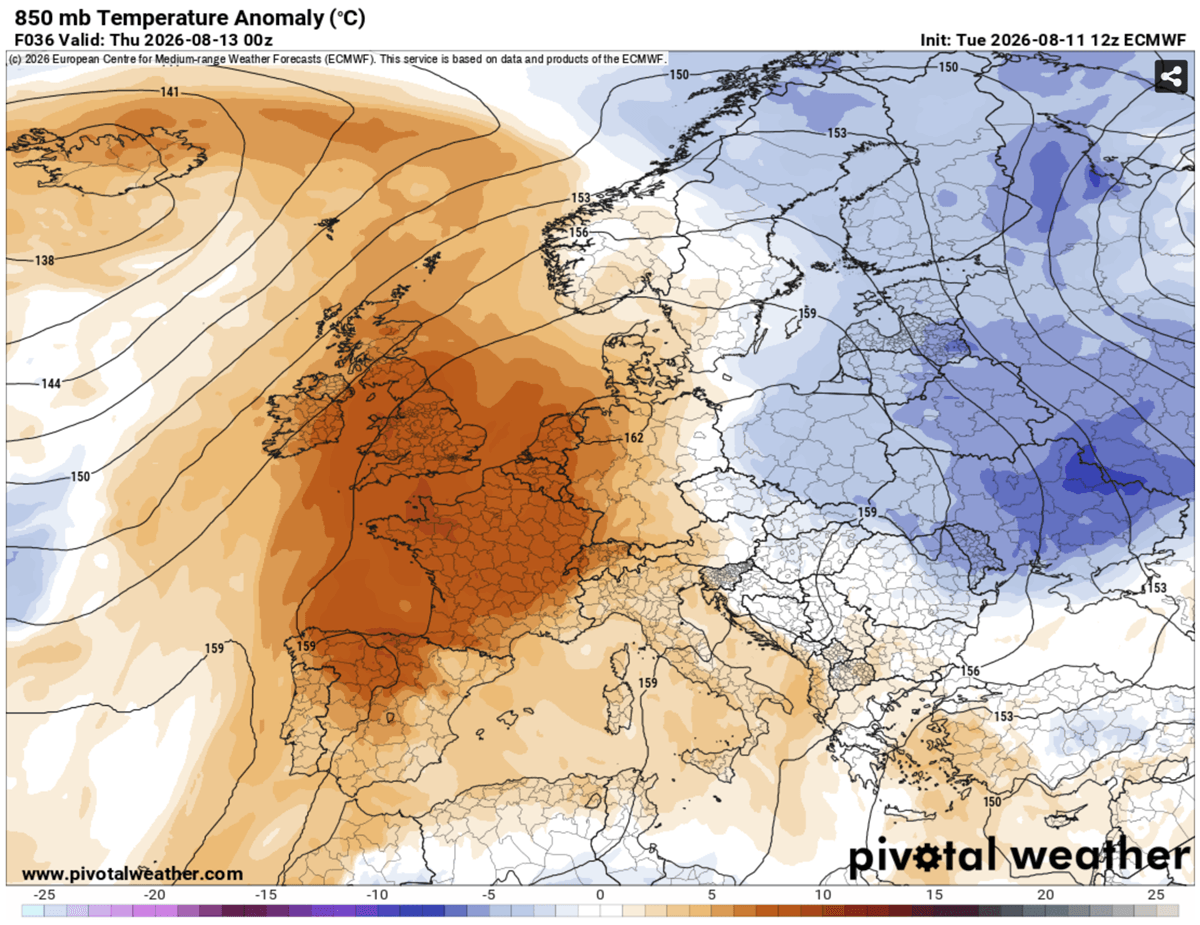
The initial phase of the surge centers on the far west. By Wednesday, the heat dome began to consolidate its influence, with temperatures climbing into the mid-30s across southern and central England and parts of Wales. By Thursday, the core of the dome transitioned over northern France and the English Channel. France, already accustomed to a challenging summer, faces peak temperatures ranging from 42°C to 43°C in central and southwestern regions. Simultaneously, the Iberian Peninsula is witnessing extreme conditions, with southern Spanish valleys anticipating highs of 44°C.
The Weekend Transition (Saturday – Sunday): The Eastern Shift
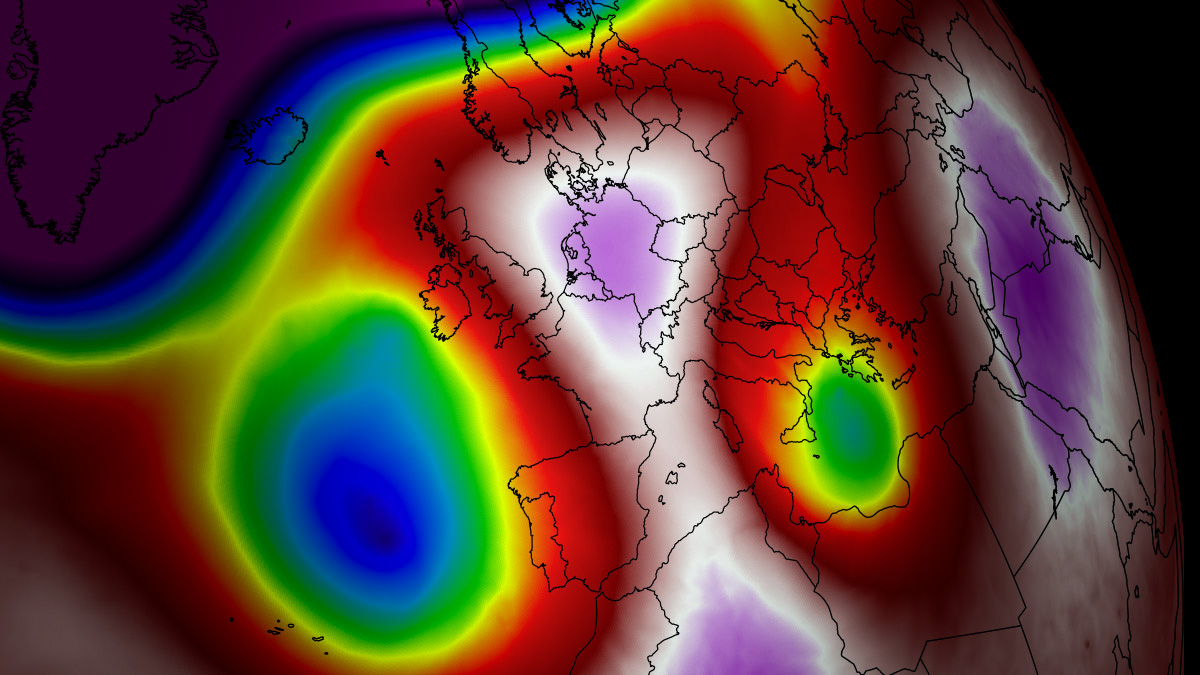
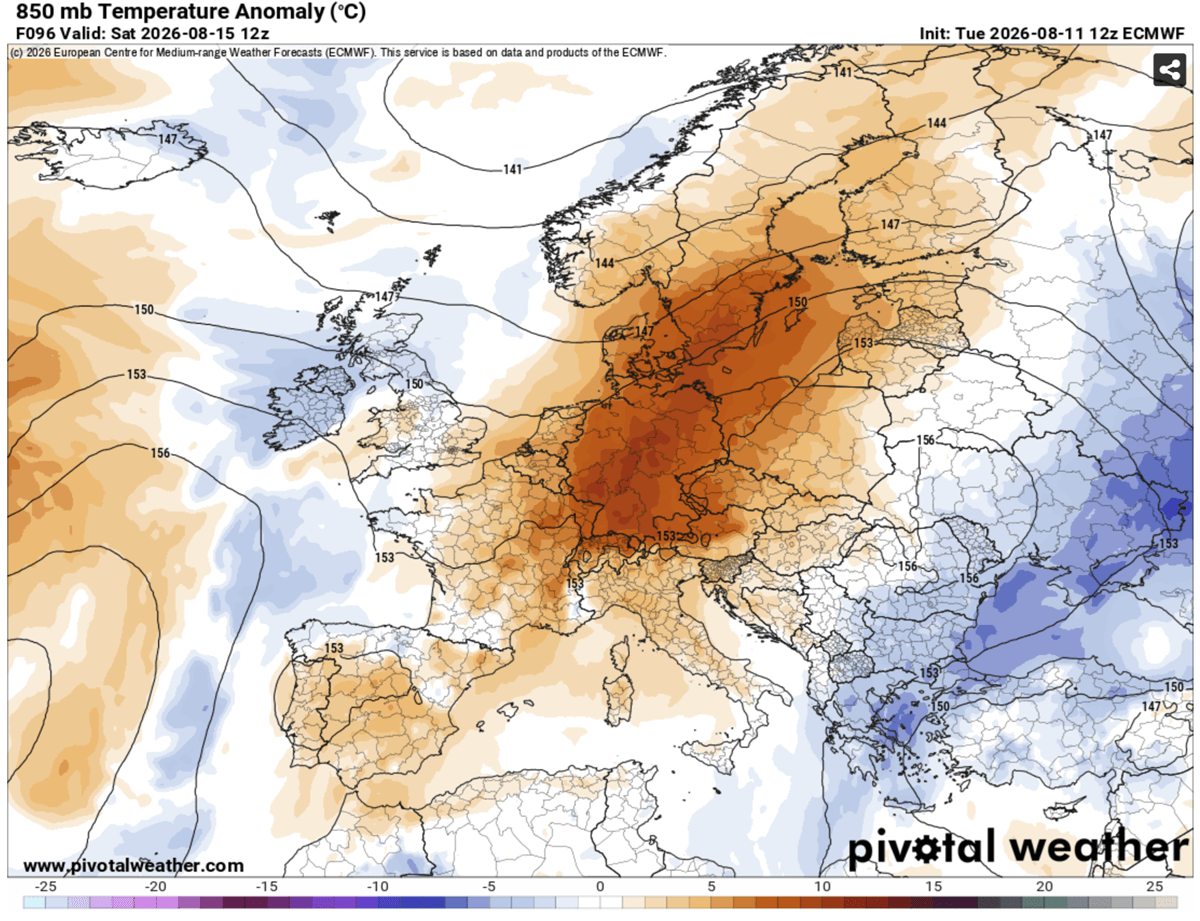
As the upper-level wave over the North Atlantic shifts, it forces the heat dome to become more elongated and move eastward. By Saturday, the focus of the extreme heat transitions toward Germany, the Benelux region, and the Alpine corridor. While Western Europe may begin to see some relief as maritime air from the Atlantic moves in, Central Europe—including Poland, the Czech Republic, and the Pannonian plains of Hungary and Serbia—will experience the peak of the heatwave. This shift ensures that the misery of the heat dome is distributed across the continent, affecting regions that may have been spared during the earlier days of the week.
Regional Breakdown of Temperature Extremes
The spatial distribution of this heatwave reveals a continent-wide threat, with specific hotspots facing potentially record-shattering figures.
The United Kingdom and Ireland
While the UK is accustomed to moderate summers, this week brings a severe test. England is projected to reach 38°C to 39°C by Thursday. Such temperatures in a region designed to retain heat are particularly dangerous for infrastructure, including rail transport and power grids. Ireland, while cooler, will see temperatures approaching the high 20s, significantly above their seasonal norms.
France and the Benelux
France remains at the epicenter of the current thermal event. The persistence of the dome has depleted soil moisture, exacerbating the heat. With daytime highs of 43°C, the country faces significant agricultural strain. The Benelux countries (Belgium, Luxembourg, and the Netherlands) are expected to peak between 36°C and 40°C by Friday, testing the limits of residential cooling systems that are not universally installed in northern European housing.
Italy and the Balkans
As the dome slides east, Italy’s Po Valley and the expansive plains of the Balkans (specifically Hungary, Croatia, and Serbia) will bear the brunt of the heat over the weekend. These regions are bracing for sustained temperatures between 38°C and 40°C. The "Pannonian furnace" effect, where heat becomes trapped in the low-lying basins of the Danube, poses a particular risk to the elderly and the infirm.
Implications: Public Health and Infrastructure
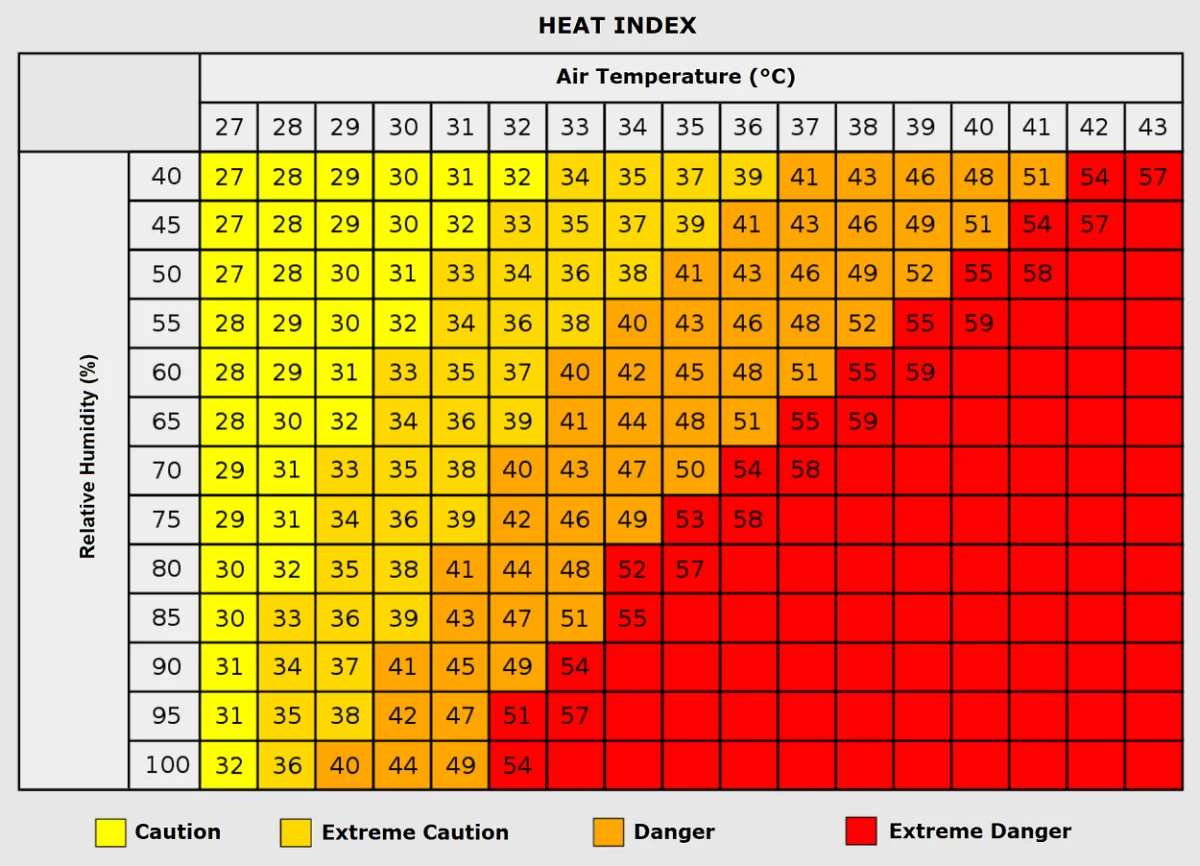
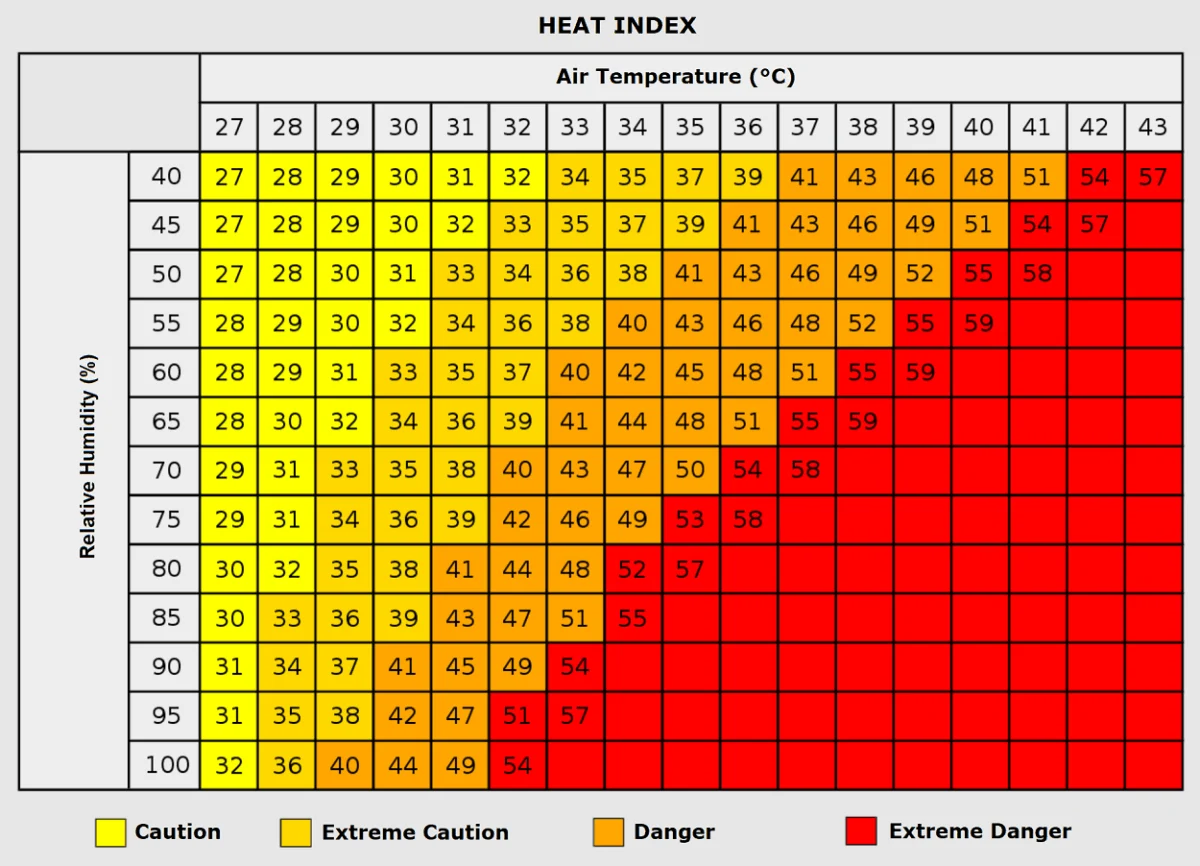
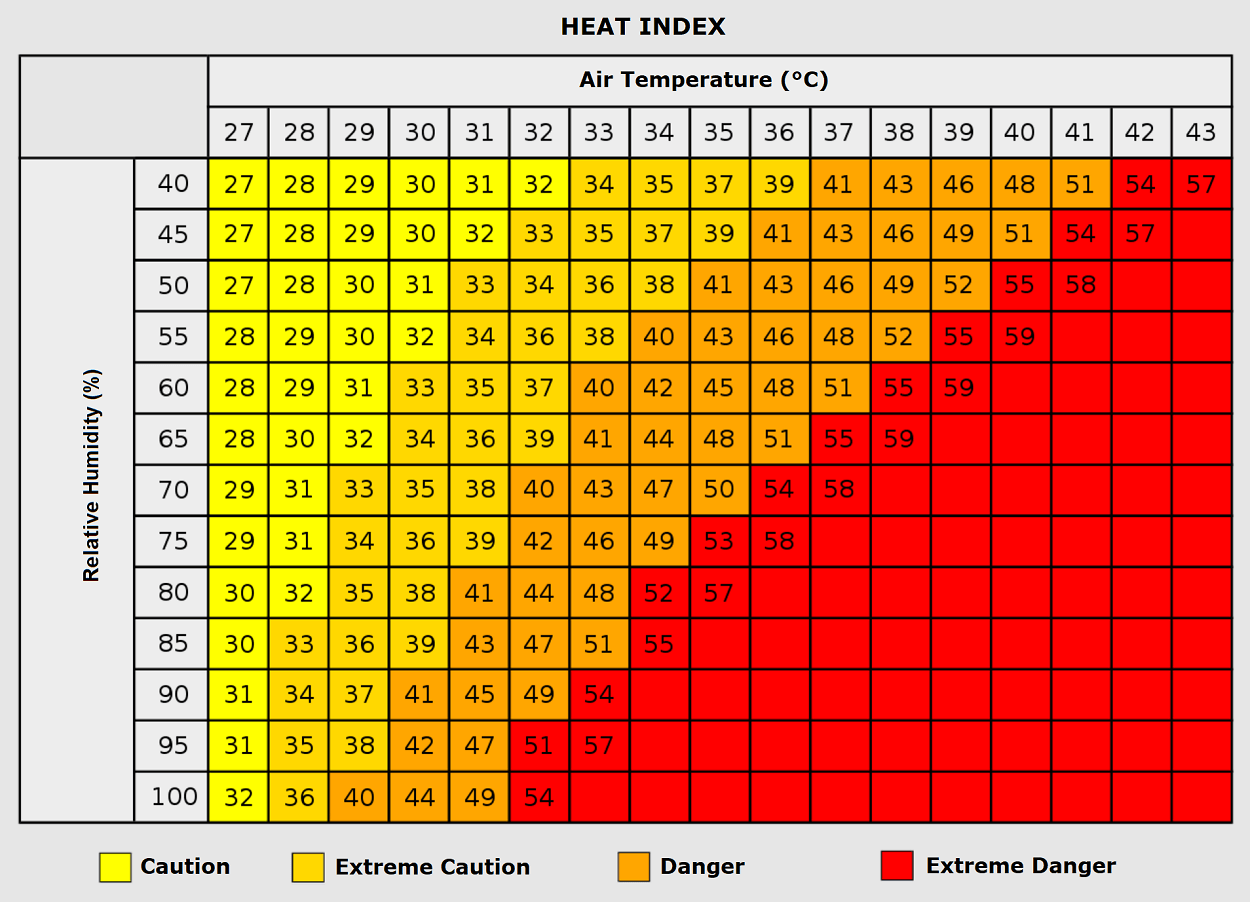
The most insidious aspect of this fifth heat dome is the phenomenon of "tropical nights." When overnight lows refuse to drop below 22°C to 26°C, the human body is denied its vital window for physiological recovery. This constant thermal stress increases the risk of heat exhaustion and heat stroke, which can escalate into severe cardiovascular and respiratory distress.
The Health Burden
Vulnerable populations, including the elderly, children, and those with pre-existing conditions, are at the highest risk. Furthermore, those living in urban "heat islands"—areas characterized by high concentrations of concrete, asphalt, and limited green space—will experience the highest nighttime temperatures. These materials absorb solar radiation during the day and re-radiate it at night, keeping urban centers significantly warmer than surrounding rural areas.
Grid and Economic Impact
The energy sector is under immense strain. As households and businesses turn to air conditioning and refrigeration to cope, the demand on the power grid skyrockets. This creates a precarious situation where the risk of brownouts or localized grid failure increases, potentially leaving residents without cooling during the peak of the heat. Additionally, the agricultural sector faces long-term losses; the combination of high heat and low soil moisture threatens to damage crops and increase the risk of forest fires, particularly in the dry, parched forests of southwestern Europe.
Scientific Perspectives and Future Outlook
Meteorologists and climate scientists are closely monitoring the synoptic setup. The persistence of five distinct heat domes within a single season suggests a trend toward more frequent "blocking" patterns in the atmosphere. This specific event is characterized by 850 hPa temperature anomalies—a key metric for measuring the heat of an air mass above the surface—that are 12°C to 16°C above the long-term averages for mid-August.
The data provided by high-resolution models, such as those from the European Centre for Medium-Range Weather Forecasts (ECMWF) and GFS, confirm that while this heat dome is robust, there is a potential for a "pattern flip" by early next week. The introduction of a more active trough from the Atlantic should eventually break the ridge, allowing for more seasonal, maritime air to penetrate the continent.
Conclusion
As Europe navigates the height of this fifth heat dome, the event serves as a stark reminder of the evolving nature of summer weather. The combination of record-breaking heat, the lack of nocturnal relief, and the widespread geographic reach of the high-pressure system creates a multi-layered crisis for authorities and citizens alike.
Public health officials continue to urge caution, emphasizing the need for hydration, the limiting of outdoor activities, and the protection of the most vulnerable. While long-range forecasts offer a glimmer of hope for cooler conditions by the end of the weekend, the immediate reality for millions remains one of survival against an unrelenting, record-setting thermal assault. The 2026 summer will likely be remembered as one defined by these atmospheric barriers—a testament to the power and danger of the modern Heat Dome.