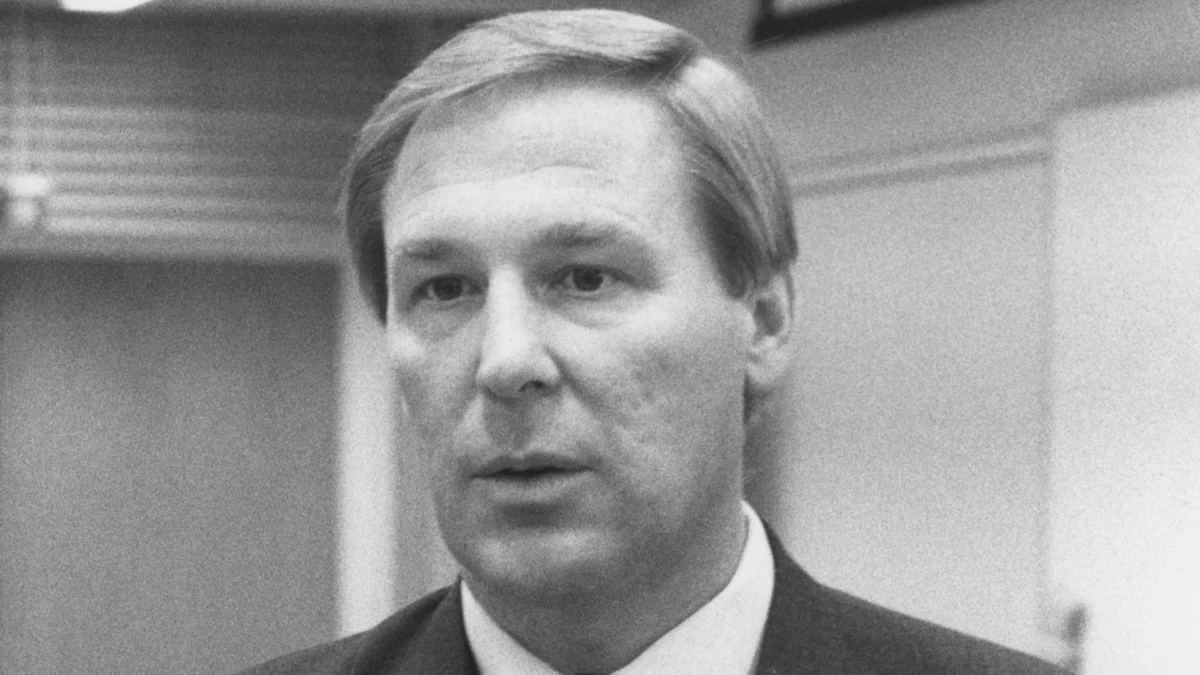
The Finnish sports community is in mourning following the passing of one of its most influential administrative figures, Jouko Purontakanen. A visionary leader whose career spanned over four decades, Purontakanen passed away on June 3, 2026, at the age of 78. His legacy is etched into the foundations of Finnish athletics, major international event management, and the organizational evolution of the Finnish Olympic Committee.
Known for his quiet authority, strategic foresight, and unwavering dedication to the development of Finnish sports culture, Purontakanen was a central architect of Finland’s sporting success during a period of significant transition. From his early days as a young administrator to his long-standing tenure at the helm of the Olympic Committee, he helped bridge the gap between amateur tradition and the modern, professionalized era of international sports.
Chronology: A Career Built on Excellence
Jouko Purontakanen’s journey began far from the executive boardrooms. Born in 1948, he was an active athlete in his youth, representing Raision Kuula in athletics. This grassroots experience provided him with a profound understanding of the challenges and needs of the Finnish sporting field.
The Formative Years (1970s–1980s)
Purontakanen’s administrative career trajectory was remarkably steep. He assumed his first major responsibility at the age of just 23, serving as the Executive Director of the SVUL Nuoret ry (the youth branch of the Central Sports Federation of Finland). This role served as his crucible, sharpening his management skills and establishing his reputation as a capable organizer.
In 1976, he transitioned to the Suomen Suunnistusliitto (Finnish Orienteering Federation), where he served as Executive Director for nine years. During this period, he was instrumental in professionalizing the federation’s internal processes. By 1985, his expertise was sought by the parent organization, SVUL, where he spent two years managing their sports department, preparing him for the challenges of national-level leadership.
The Architect of Major Events (1987–1997)
Purontakanen’s national prominence surged between 1987 and 1992, during his tenure as the CEO and Secretary General of the Finnish Athletics Federation (Suomen Urheiluliitto). It was during this time that he demonstrated his mastery of event logistics, a skill that would eventually lead to his defining achievements.
He served as the Secretary General for the 1994 European Athletics Championships in Helsinki. The success of these games—both in terms of organization and public atmosphere—cemented his status as a premier sports administrator. He followed this with an even more complex undertaking: the 1997 Ice Hockey World Championships, which were also held in Finland. His ability to navigate the different cultures of athletics and ice hockey—two of the most popular sports in Finland—demonstrated his versatility and logistical genius.
The Olympic Era (1996–2012)
In 1996, the Finnish Olympic Committee sought a leader capable of stabilizing and modernizing its operations. They turned to Purontakanen. His 16-year tenure as the Secretary General of the Olympic Committee (1996–2012) represents the zenith of his career. He presided over a total of eight Olympic cycles—four Summer and four Winter Games—during which he oversaw the training, support, and welfare of the Finnish delegation.
Supporting Data: The Purontakanen Legacy
The statistical impact of Purontakanen’s time at the Olympic Committee serves as a testament to his influence. Throughout his tenure from 1996 to 2012, Finnish athletes maintained a consistent presence on the global podium.
Olympic Performance Metrics (1996–2012)
- Total Medals Won: 46
- Gold Medals: 9
- Olympic Games Overseen: 8 (4 Summer, 4 Winter)
While the medal count provides a tangible metric, Purontakanen’s true value lay in his behind-the-scenes work. He was a pioneer in developing the "support network" model, ensuring that athletes had access to sports science, mental health support, and adequate funding. His tenure saw the professionalization of the Finnish coaching structure, ensuring that the country’s limited resources were directed toward the most promising talent.
Awards and Recognition
His contribution to Finnish society was officially recognized in 2011 when he was granted the honorary title of Liikuntaneuvos (Sports Counselor). This high-ranking Finnish title is reserved for those who have made a lasting impact on the nation’s physical culture.
In a poignant capstone to his career, Purontakanen was honored with the Lifetime Achievement Award at the Finnish Sports Gala (Urheilugaala) in January 2026, just months before his passing. The standing ovation he received from the assembled athletes and officials was a rare moment of unity in the sports community, reflecting the deep respect he had earned over five decades.
Official Responses and Tributes
The news of Purontakanen’s death prompted an immediate outpouring of grief and reflection from across the sporting spectrum.
The Finnish Olympic Committee issued a statement describing him as a "cornerstone of Finnish sports administration." The current leadership noted that the committee’s modern structure is heavily influenced by the principles of efficiency and transparency that Purontakanen implemented during his 16-year reign.
"Jouko was a man of action rather than words," a spokesperson for the Committee noted. "He believed that the best way to support an athlete was to remove the obstacles in their path, whether they were financial, organizational, or bureaucratic. He was a master of his craft, and his loss is felt deeply by all who had the privilege of working with him."
Colleagues from his time at the Finnish Athletics Federation remembered his ability to remain calm under the immense pressure of international events. "He treated a volunteer with the same respect as he treated an Olympic gold medalist," one former associate recalled. "That was his strength. He understood that the organization was only as strong as its weakest link."
Implications for the Future
The passing of Jouko Purontakanen marks the end of an era. As the Finnish sports sector faces new challenges—ranging from the digital transformation of fan engagement to the increasing costs of international competition—the foundations laid by leaders like Purontakanen are being tested.
Bridging the Past and Present
The current challenges in Finnish sport, such as the need to maintain competitiveness in an era of massive international investment in athletes, are echoes of the same problems Purontakanen faced in the late 1990s. His legacy provides a blueprint: prioritize infrastructure, support the individual athlete, and leverage major events to inspire the next generation.
A Lasting Influence on Governance
Purontakanen’s influence extended beyond medal tallies. He was a proponent of democratic governance within sports federations. He believed that the administrative arm of sports should serve as a stable platform upon which athletes could excel. His mentorship of a generation of younger administrators ensures that his methodology will continue to permeate the Finnish sports bureaucracy for years to come.
As the sports community moves forward, the "Purontakanen standard"—characterized by meticulous preparation, unwavering integrity, and a deep-seated love for the Finnish sporting spirit—remains the benchmark against which future leaders will be measured.
The flag at the Finnish Olympic Committee headquarters flew at half-mast this week, a final mark of respect for a man who, though rarely in the spotlight himself, was the invisible force behind so many of Finland’s brightest sporting moments.
Conclusion
Jouko Purontakanen was more than just a bureaucrat or an official; he was a custodian of Finnish sporting pride. From his early days in the orienteering tracks to the grand stages of the Olympic Games, he remained steadfast in his belief that sport is a fundamental pillar of national identity.
As the nation reflects on his life, it is clear that while the medals won during his tenure will fade, the organizational resilience he instilled in the Finnish sports system will endure. He leaves behind a legacy of excellence, professionalism, and a profound, quiet dedication to the athletes who represent the nation on the world stage. For Jouko Purontakanen, the race was long, the hurdles were many, but his finish line was one of undisputed success and respect.