In the landscape of modern youth sports, the Finnish Athletics Federation (Suomen Urheiluliitto) is spearheading a transformative approach. At the heart of their "Path to the Top Without Hurrying" (Hätäilemättä huipulle) program lies a fundamental philosophy: multi-sport competition. The "Future Stars" (Tulevat Tähdet) multi-sport competition series is not merely a contest; it is a strategic initiative designed to encourage children to step outside their comfort zones, embrace diverse disciplines, and cultivate a lifelong love for movement.
Main Facts: The "Future Stars" Initiative
The "Future Stars" program serves as a cornerstone of the Finnish Athletics Federation’s long-term athlete development model. By incentivizing young athletes to participate in a wide array of track and field events rather than specializing at a tender age, the federation aims to build robust physical literacy.
The program addresses a critical issue in modern youth athletics: early specialization. By rewarding participation across multiple disciplines—from the technical demands of pole vaulting to the endurance requirements of race walking—the program ensures that children develop a well-rounded athletic profile. This approach is rooted in the understanding that physical growth and development are non-linear; children mature at vastly different rates, and forcing them into a single track too early often leads to burnout, injury, and attrition.
Chronology of a Shift in Strategy
The evolution of this strategy has been years in the making. Historically, youth athletics in Finland, much like in many parts of the world, often pressured children to pick a "primary event" by the time they hit their early teens.
- The Recognition Phase: Sports governing bodies observed a concerning trend: declining physical literacy and increased early drop-out rates.
- The Pilot Phase: Local clubs, such as the Hämeenlinnan Tarmo Yleisurheilu, began experimenting with "multi-event based training" as a core operational philosophy.
- The Implementation: The "Future Stars" initiative was formalized to standardize this multi-sport approach nationwide, providing a framework for clubs to organize competitions that naturally encourage variety.
- The Current State: Today, the program is being integrated into the regular competition calendar, with clubs like Tarmo adopting "mini-event" formats that bundle multiple disciplines into a single registration process.
Supporting Data: Evidence from the Ground
The effectiveness of this approach is best observed at the grassroots level. In Hämeenlinna, the local athletics club has seen tangible results by prioritizing a multi-event foundation. Annika Rosberg-Haavisto, the club’s sports operations manager, notes that the impact is measurable.
"We have seen a significant increase in participation numbers in specific disciplines that were previously overlooked," says Rosberg-Haavisto. "Disciplines like race walking, hammer throw, and pole vaulting, which were once considered niche or too technical for younger children, are now staples in our local competition calendar."
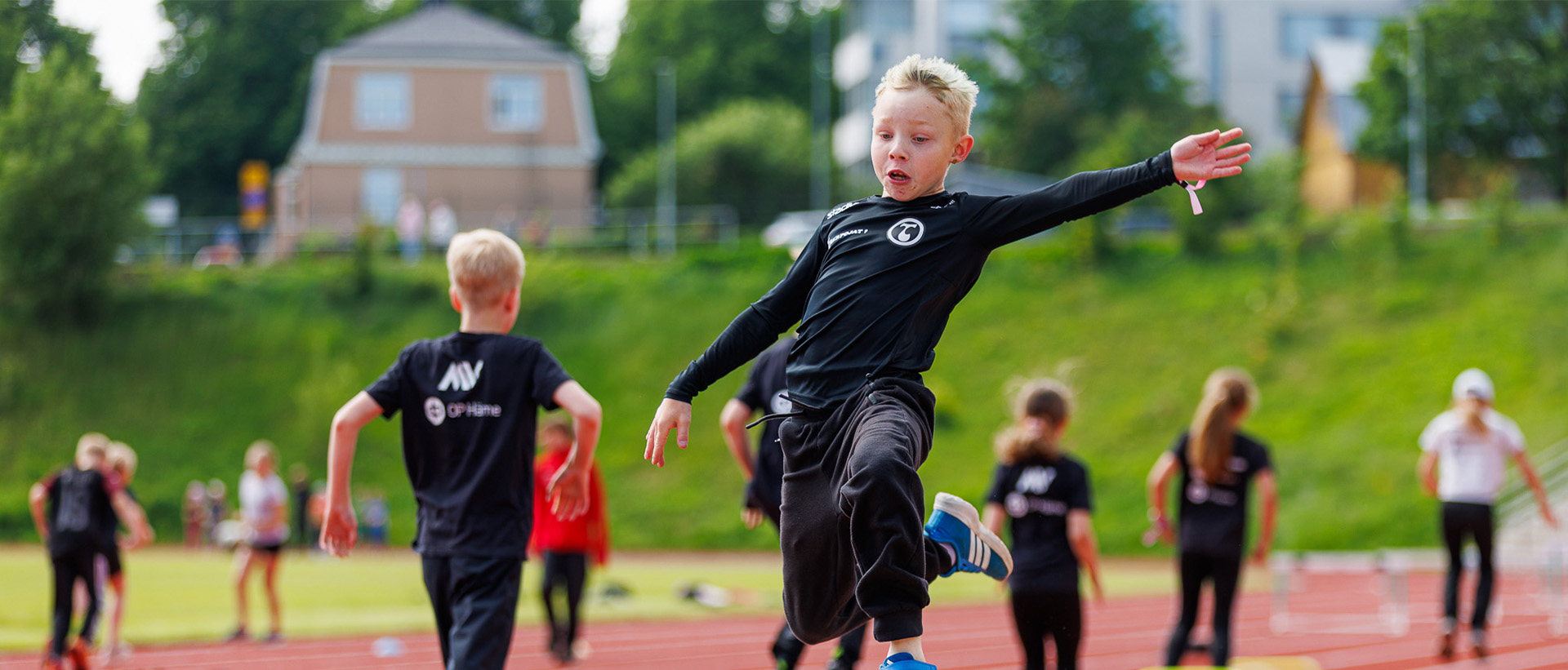
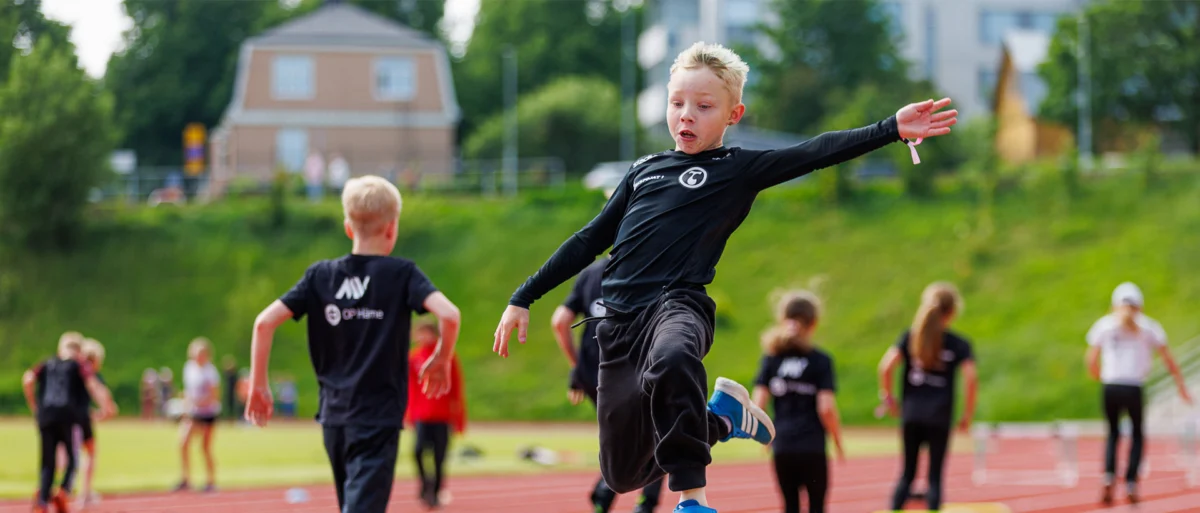
The data supports the pedagogical theory: when the barrier to entry is lowered and variety is incentivized, children do not just participate—they thrive. By making it easier for children to try new events, clubs are effectively democratizing the sport. The use of mixed-gender heats and the bundling of events into "mini-triathlons" have led to a surge in total athletic performances, proving that children are naturally inclined toward variety when the system supports it.
Official Responses and Perspectives
The success of the initiative is corroborated by both those running the programs and the young athletes themselves.
The Coach’s Perspective
Annika Rosberg-Haavisto emphasizes that the "Future Stars" concept is crucial for long-term health. "Children grow and develop at very different speeds. In the growth phase, the physical differences between children of the same age can be massive," she explains. "By coaching with a multi-event focus up to the 17-year-old age group, we provide a foundation that supports their growth, whether they eventually pursue a professional career or simply want to remain active adults."
The Athletes’ Perspective
For 11-year-old Julius Kelo and 12-year-old Eelin Mielonen, the program has changed how they view their sport.
"The best part is doing events that I wouldn’t have thought to try on my own," says Kelo. "I really enjoy triple jump and multi-event training. Learning a wide variety of techniques gives me a great foundation if I want to become a decathlete or heptathlete later on."
Mielonen adds, "Because the competition series lasts all year, it’s great that one bad result doesn’t define your entire season. You can perform well throughout the year. It keeps you motivated. I don’t have to make a ‘decision’ on one event yet; I can just be a versatile athlete and see which event I eventually like the best."

Implications for the Future of Finnish Sports
The implications of the "Future Stars" program extend far beyond the athletics track. The initiative is a direct response to a broader crisis in youth health.
The Crisis of Sedentary Lifestyles
Olympiakomitea (The Finnish Olympic Committee) and 40 partner sports federations have identified a critical juncture in the Finnish youth landscape. Statistics show that children are moving less, engaging in organized sports later, and dropping out earlier. The decline in fundamental motor skills—a byproduct of less spontaneous, unstructured physical play in daily life—has become a public health concern.
Redefining the "Club" Role
The shift proposed by the Olympic Committee is holistic. It is not just about producing gold medalists; it is about keeping children within the sports ecosystem. By moving away from early specialization, clubs are fostering environments where:
- Belonging is prioritized: Children feel they are part of a community rather than a production line.
- Diversity of movement is valued: The focus is on mastering the body rather than just the stopwatch.
- Sustainability is key: The goal is to build a lifelong relationship with physical activity.
Looking Ahead
The hope among proponents like Rosberg-Haavisto is that the "Future Stars" concept will eventually expand to older age groups, specifically the 14–15-year-old category. This is the age where drop-out rates are traditionally the highest, and a renewed, incentive-based approach to multi-sport competition could serve as a vital safety net.
In conclusion, the "Future Stars" multi-sport competition is more than a set of rules; it is a philosophy of patience. By encouraging young athletes to broaden their horizons, the Finnish athletics community is building a more resilient, capable, and enthusiastic generation of sports participants. Whether they reach the Olympic podium or simply maintain a lifelong habit of healthy movement, the children of Finland are the true winners of this structural change. The message is clear: the path to the top is not a sprint, but a diverse, well-rounded journey.