For over a century, the American landscape has been defined by a unique, bipartisan tradition of conservation. From the soaring peaks of the Grand Canyon to the rugged cliffs of Acadia, nearly half of the nation’s celebrated National Parks began their lives as National Monuments designated under the Antiquities Act. Yet, this cornerstone of American conservation is currently facing its most severe existential threat in history.
On July 13, 2026, the federal government issued a pair of sweeping proclamations that effectively slashed the boundaries of the Bears Ears and Grand Staircase-Escalante National Monuments by 90 percent. This administrative decision, which stripped away protections from nearly 3 million acres of land, represents a seismic shift in how the United States manages its natural and cultural heritage. As these iconic landscapes face an uncertain future, the implications for water security, tribal sovereignty, and the American economy have never been more profound.
A Legacy Built on the Antiquities Act
The Antiquities Act, signed into law by President Theodore Roosevelt in 1906, was designed to provide a swift, decisive tool for the protection of federal lands containing historic landmarks, prehistoric structures, and objects of scientific interest. Roosevelt himself utilized this authority to establish 18 National Monuments shortly after the law’s inception.
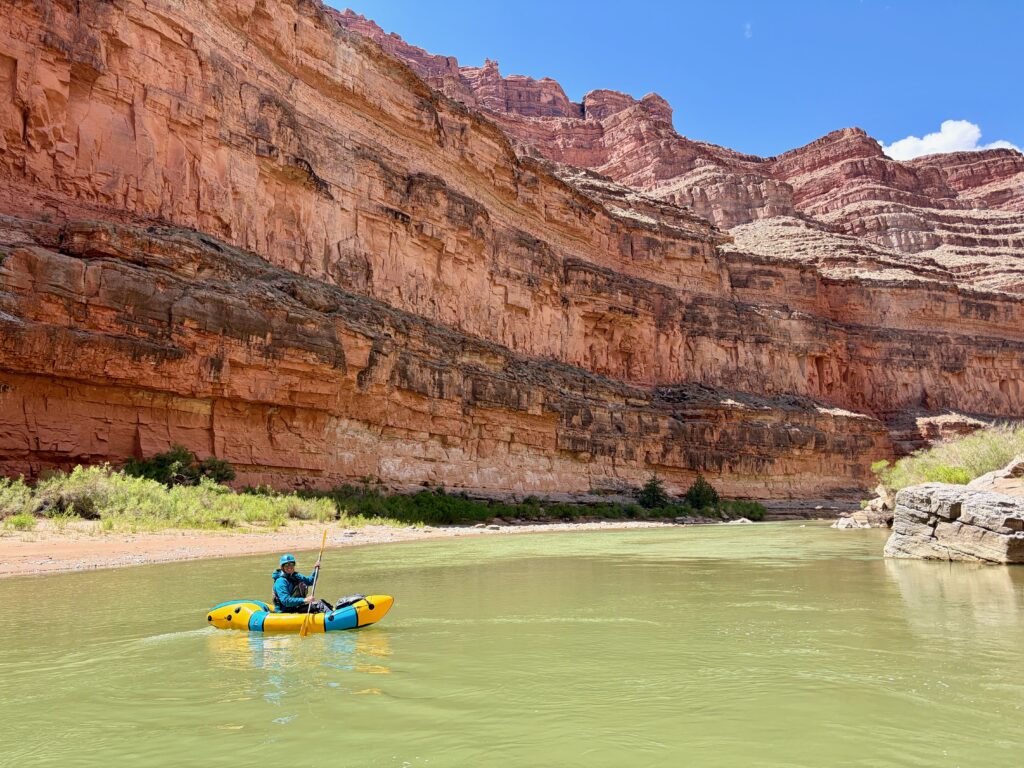
Over the last 120 years, forty different Presidents, representing both the Republican and Democratic parties, have relied upon this Act to safeguard the nation’s treasures. The logic behind the Act is simple: these lands represent the "natural water towers" of the country. By protecting the landscape, we protect the watersheds that provide clean, sustainable water to millions of citizens. In the last three decades alone, the 31 National Monuments designated across the United States have protected over 21,143 miles of rivers across 2,125 watersheds, ensuring the water security of more than 13 million people.
Economic Vitality and Gateway Communities
Critics of public land protections often cite economic concerns, yet data consistently proves that National Monuments serve as powerful engines for local development. When the Rio Grande Del Norte National Monument was designated in New Mexico, the gateway community of Taos experienced a 40% surge in tourism and a 20% increase in lodging tax revenue within a single year.
The narrative is identical in the Northeast. A recent study by the National Park Service found that the Katahdin Woods and Waters National Monument—which protects the East Branch of the Penobscot River—contributed $3.4 million to local economies in Maine. These lands do more than just attract tourists; they sustain vital ecosystems that support endangered Atlantic salmon, wild brook trout, and Canada lynx. When we protect a river, we are not merely preserving a waterway; we are maintaining the complex web of life that fuels the economy and supports downstream agriculture, including the traditional acequias of the Southwest.
Chronology of the Crisis
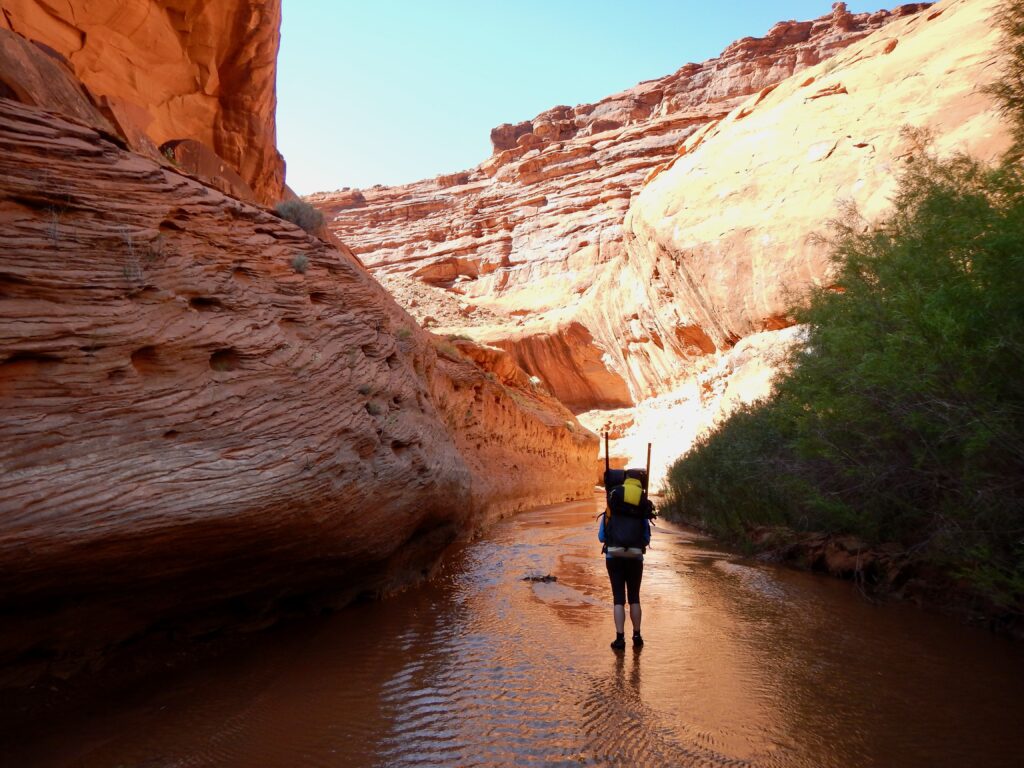
The recent reduction of the Bears Ears and Grand Staircase-Escalante monuments is the latest chapter in a volatile political tug-of-war.
- 1996: President Bill Clinton designates Grand Staircase-Escalante National Monument, recognizing its unparalleled paleontological, cultural, and geologic values.
- 2016: Following years of advocacy by the Bears Ears Inter-Tribal Coalition—comprising the Hopi, Navajo, Ute Mountain Ute, Zuni, and Ute Indian Tribes—President Barack Obama designates Bears Ears National Monument. It is the first time in history a monument is designated specifically to recognize the enduring cultural connection of Indigenous peoples to their ancestral homelands.
- 2017: A previous administration attempts to reduce the acreage of both monuments by approximately 2 million acres.
- 2021: The Biden administration reverses these reductions, restoring the original boundaries and reaffirming the importance of tribal co-management.
- July 2026: In an unprecedented move, the current administration issues proclamations reducing both monuments by 90%, leaving only 300,000 acres protected. The Bears Ears Commission—a body of tribal representatives vital to the land’s management—is disbanded, and tribal seals are removed from park signage.
The Human Connection: An Open-Air Cathedral
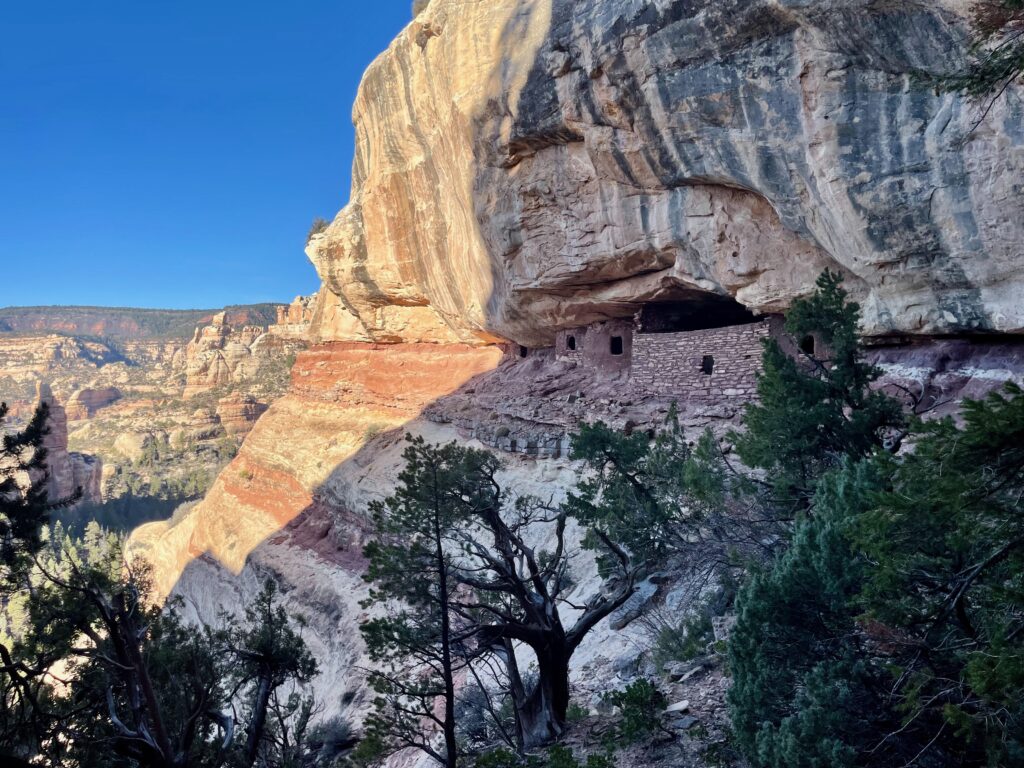
To understand what is being lost, one must look at the landscape itself. For thousands of years, the Ancestral Puebloan people have called these regions home. The cliff houses, kivas, granaries, and intricate rock art found throughout Bears Ears and Grand Staircase-Escalante are not merely historical artifacts; they are part of a living, breathing heritage.
For many tribal members, these lands remain essential for the harvesting of medicinal and ceremonial plants. The Bears Ears Inter-Tribal Coalition has long maintained that this is an "open-air museum and cathedral." To strip these lands of protection is to sever a multi-millennial connection between the land and its original stewards. The removal of tribal seals from the monuments’ signage is seen by many observers not just as a policy shift, but as a symbolic erasure of Indigenous history and sovereignty.
Implications for the Future of Public Lands
The implications of this 90% reduction are far-reaching. By removing federal oversight, the administration has opened the door for industrial development in areas that were previously recognized for their unique ecological and cultural sensitivity.
Furthermore, this move sets a dangerous precedent. If these two monuments—widely considered some of the most significant in the nation—can be decimated by executive fiat, no public land is truly safe. Across the country, other monuments that enjoy strong local and state support are now viewing this as a warning sign.
The opposition to this decision has been swift and vocal. Over 1,000 people recently mobilized across six cities in Utah, demonstrating that public sentiment remains firmly in favor of protecting these landscapes. The argument from proponents of conservation is clear: while there are certainly places in the country where development is appropriate and necessary, our most irreplaceable waterways and culturally significant sites should remain in the public trust.
A Call to Stewardship
As we look toward the future, the question remains: what kind of legacy are we leaving for the next generation? The defense of these monuments is not a partisan issue; it is a fundamental debate about the value of the American landscape.
The water that flows from these high-altitude mesas and canyons eventually reaches the taps of millions, sustaining wildlife, supporting agriculture, and providing recreation that fuels sustainable economic growth. By protecting these rivers and canyons, we are protecting the very foundation of our nation’s health and prosperity.
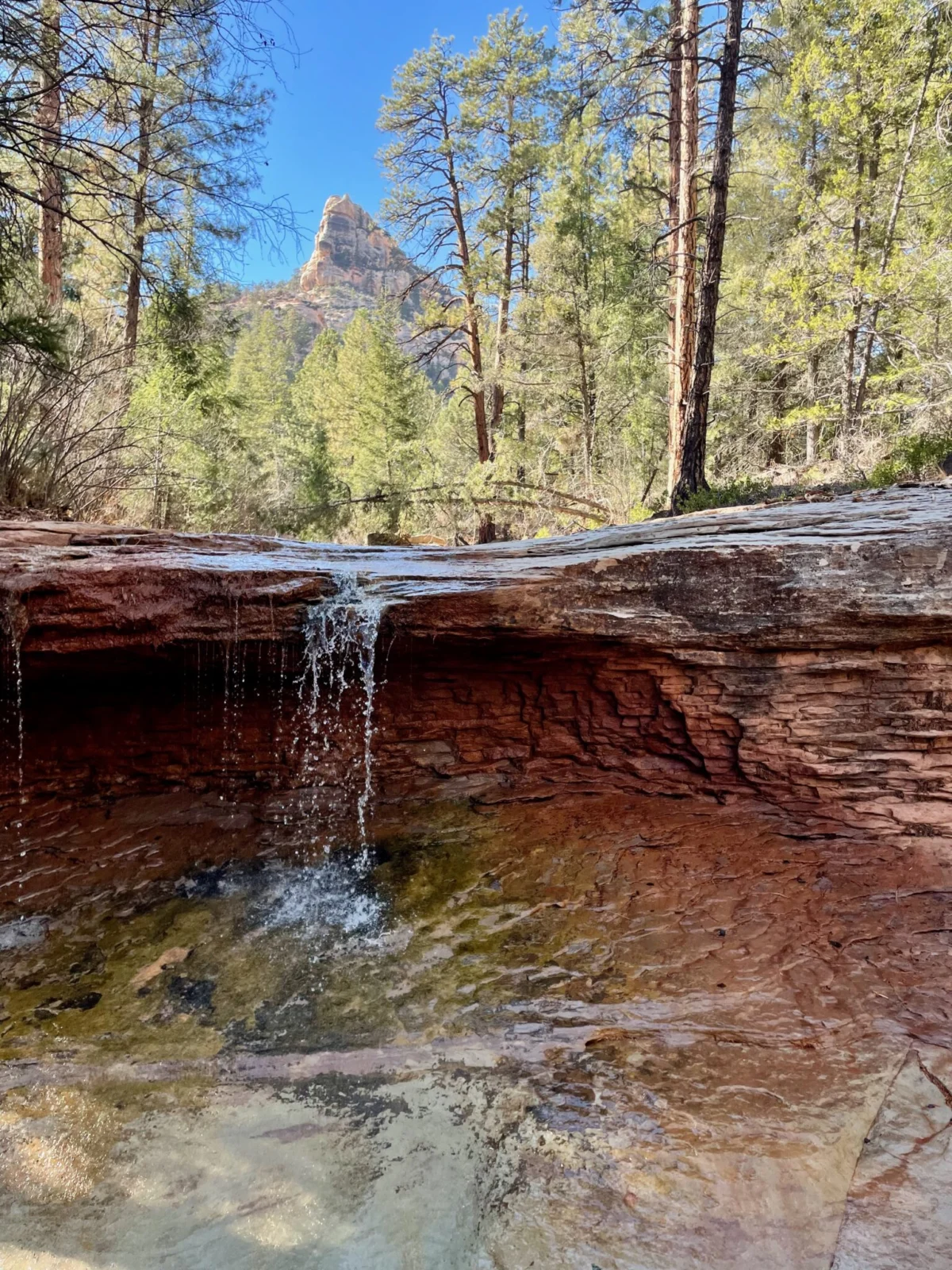
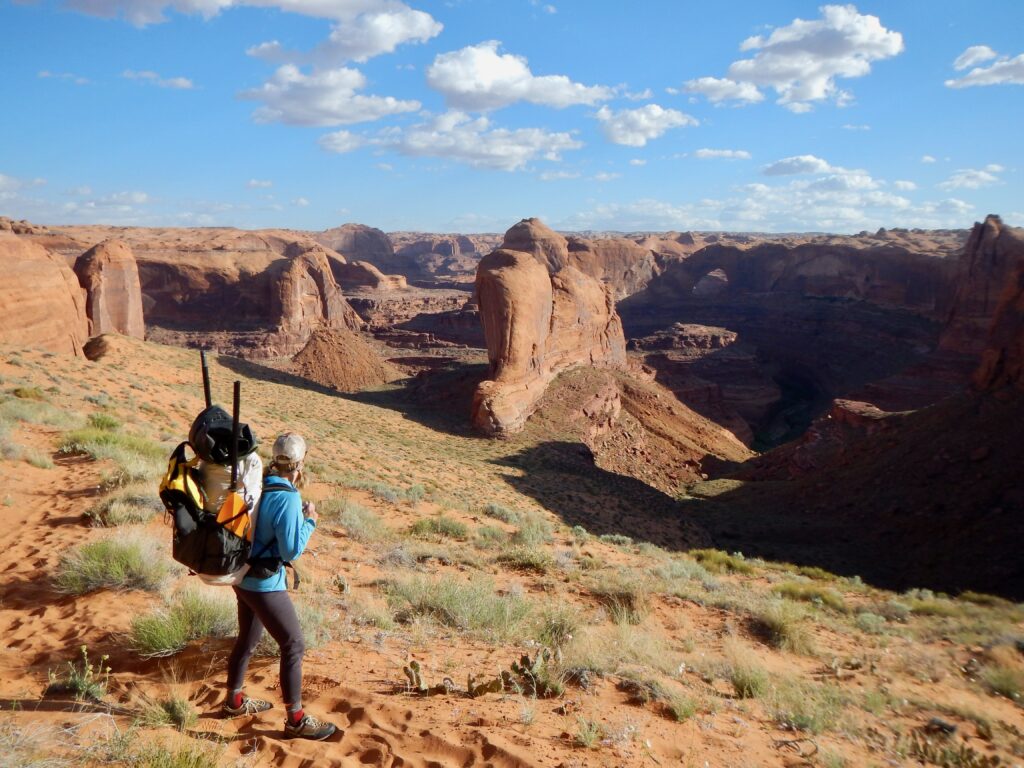
If you are a citizen concerned about the future of our national heritage, the time for engagement is now. Visit these places. See for yourself the red rock canyons, the sinuous river systems, and the ancestral sites that have been protected for generations. The story of our National Monuments is the story of our nation—it is a narrative of conservation, tribal respect, and the enduring belief that some things are too precious to be sacrificed for short-term gain.
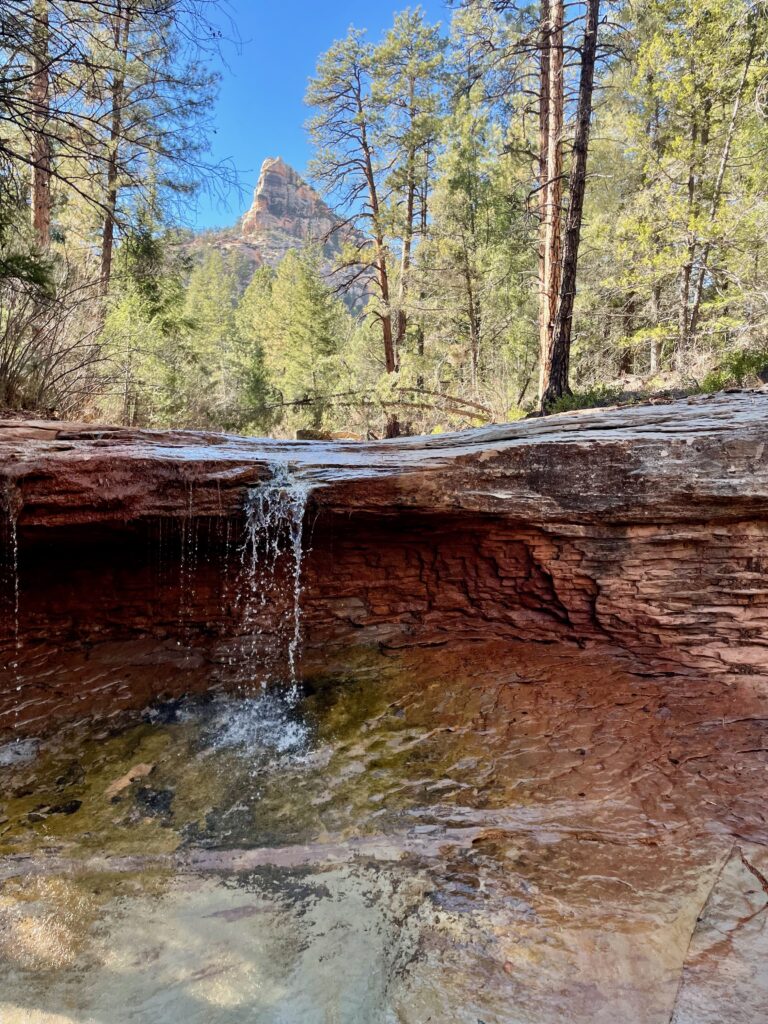
The protection of these lands is a public trust, one that requires constant vigilance. As the dust settles on the recent proclamations, the fight to restore these boundaries—and to ensure that the voices of tribal nations are heard—will likely define the next decade of American environmental policy. We must decide if we will continue to be a nation that preserves its history and its natural wonders, or one that allows them to be dismantled piece by piece.