BOULDER, Colo. (October 20, 2026) — For three decades, the X Games have served as the global stage for the impossible. From the dusty ramps of the mid-90s to the high-tech, multi-platform spectacle of the present day, the brand has defined the trajectory of action sports. Yet, for all its cultural influence and the millions of fans it has captivated, one piece of the infrastructure remained noticeably absent: a formal, unified home for the thousands of athletes who built the brand from the ground up.
Today, that changes. X Games has officially launched X Games Legends, the first formal alumni program in the brand’s 30-year history. Designed to recognize, reconnect, and provide essential support to the 4,600 athletes who have competed in the Summer and Winter Games since 1995, the initiative marks a strategic pivot toward long-term community stewardship.
The Foundation of a Legacy: Main Facts
The X Games Legends program is not merely a nostalgia project; it is a structural evolution. At its core, the program establishes a verified, members-only digital portal that serves as a hub for every current and former X Games competitor. Whether they are modern-day medalists or the pioneers who pushed the first boundaries of gravity, the program grants these athletes a permanent seat at the table.
Led by inaugural Legends Director Kristi Leskinen—a former X Games freeskier who understands the unique lifecycle of an action sports career—the program aims to bridge the gap between competitive glory and post-career transition. By leveraging the resources of the X Games Foundation, the program provides tangible benefits: financial education, mentorship opportunities, post-athletic career planning, and, perhaps most critically, a dedicated support system for brain health and mental wellness.
A Thirty-Year Chronology: From Underground to Mainstream
To understand the significance of this launch, one must look at the timeline of the X Games’ evolution.
- 1995 – The Genesis: The inaugural Extreme Games (as they were then known) took place in Rhode Island. It was an era defined by raw talent and a lack of institutional structure, where athletes were often treated as subcultural rebels rather than professional pillars.
- 2000s – The Era of Progression: As the Games grew into a global media juggernaut, the sports evolved rapidly. The mid-2000s saw the birth of the "Double Backflip" and the mainstreaming of sports like FMX and slopestyle. Athletes were pushing their bodies to the absolute limit, often without the safety nets or career-planning resources afforded to traditional stick-and-ball athletes.
- 2010s – Cultural Dominance: X Games cemented its status as the pinnacle of youth culture. The brand expanded internationally, creating global icons out of riders who were previously known only to a niche underground.
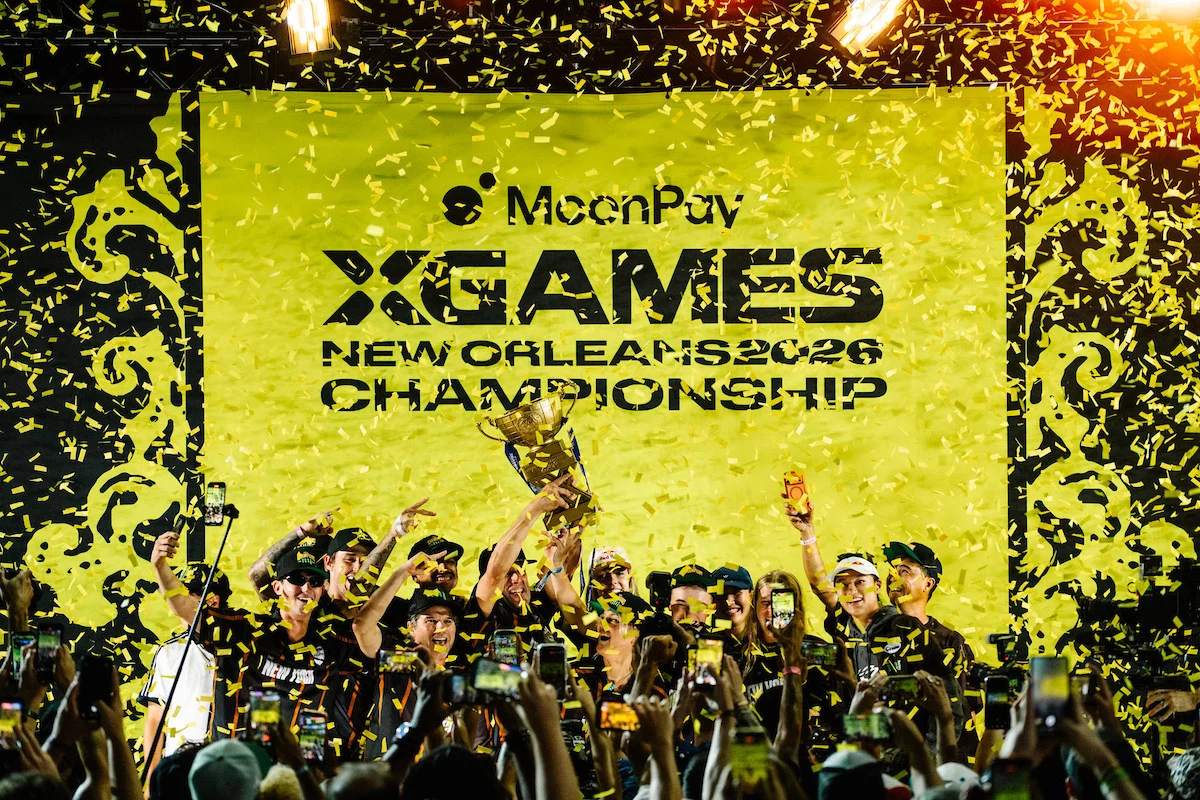
- 2020s – Professionalization: The recent transition under MSP Sports Capital and the launch of the MoonPay X Games League (XGL) in 2026 marked a shift toward a structured, team-based professional model.
- 2026 – The Completion of the Ecosystem: The launch of X Games Legends serves as the final, necessary piece of this professionalization. It acknowledges that the "athlete experience" does not end when the final buzzer sounds or the last ramp is cleared.
Supporting the Titans: Data and Impact
The scope of the Legends program is significant. With approximately 4,600 individual athletes having participated in the Games since inception, the program manages a massive, diverse database of talent. This demographic includes:
- The Pioneers: The 1990s cohort who established the foundational disciplines of BMX, skateboarding, and vert.
- The Innovators: The 2000s and 2010s cohort who introduced complex technical trickery and high-risk maneuvers.
- The Modern Elite: The current generation of XGL competitors who are balancing traditional contest success with the rigors of a year-round, team-based league.
The X Games Foundation, an independent 501(c)(3) entity, is the engine behind these resources. By providing financial literacy training, the program directly addresses a long-standing pain point in action sports: the "boom-and-bust" cycle of athlete income. By offering support for mental and brain health, the brand acknowledges the long-term physical toll inherent in high-impact sports like Moto X and big-air skiing.
Voices from the Ranks: Official Responses
The reception from the athlete community has been overwhelmingly positive, reflecting a deep-seated need for this level of recognition.
Travis Pastrana, a 17-time X Games medalist and a foundational figure in Moto X, emphasized the communal strength of the new program: "X Games Legends is an amazing platform giving back to all the athletes that helped build action sports over the years. The entire community together is stronger than any one of us on our own."
For those still actively competing, the program serves as a bridge to the past. Scotty James, an 11-time snowboarding medalist, noted the importance of lineage: "As someone who’s still competing, I think it’s really special to be part of a community that celebrates not just what we’ve achieved, but the impact we can continue to have on the sport and the next generation."
Kristi Leskinen, the architect of the program, highlights the emotional and professional value: "These athletes dedicated their lives to progressing their sports and building this culture. X Games Legends gives us a way to recognize that contribution, reconnect generations of competitors and create meaningful ways to support them long after their competitive careers end."
Implications: A New Chapter for Action Sports
The launch of X Games Legends carries profound implications for the industry at large. By formalizing the relationship between the brand and its alumni, X Games is signaling that action sports has reached a level of maturity comparable to the NFL, MLB, or the NBA.
1. Retention of Institutional Knowledge
By keeping legends connected, the X Games can now tap into decades of specialized expertise. These athletes are no longer "alumni" in the sense of being retired; they are a brain trust that can serve as mentors for the next generation of XGL talent.
2. Economic Stability
The integration of the X Games Foundation and the Legends program creates a more stable professional ecosystem. When athletes know that their career transition is supported, they are more likely to commit to the long-term growth of the sport, rather than viewing it as a short-term, high-risk endeavor.
3. Cultural Preservation
Action sports culture is notoriously fluid and often prone to forgetting its roots. By codifying the history through this program, X Games ensures that the narratives of the 90s pioneers are preserved and passed down to the fans and athletes of tomorrow.
4. Synergy with XGL
The recently launched MoonPay X Games League (XGL) provides the commercial structure, while X Games Legends provides the cultural and human infrastructure. Together, these two entities ensure that X Games is not just a seasonal event, but a year-round, self-sustaining ecosystem that values the human beings behind the highlight reels.
Conclusion: A Lifelong Connection
As X Games moves into its fourth decade, the launch of X Games Legends confirms that the brand has evolved from a series of events into a multi-generational community. Jeremy Bloom, CEO of X Games, summarized the sentiment best: "Athletes built X Games. There is no X Games without the generations of people who put everything they had into progressing their sports… X Games Legends is our way of saying: you helped build this, you will always be part of it, and you are always welcome here."
For the 4,600 athletes who have defined the last 30 years, this program is more than a membership—it is the recognition of a lifetime of work, sacrifice, and progression. The X Games have always been about pushing the limits of what is possible; now, with the support of the Legends program, they are ensuring that those who pushed those limits are supported for the rest of their lives.