Traversing Iceland on foot is widely considered one of the Nordic region’s ultimate tests of endurance and spirit. It is a coast-to-coast journey that demands a trekker transcend the familiar, moving through a landscape that feels less like a country and more like a primordial laboratory of geology. From the jagged glaciers and restless volcanoes to the expansive volcanic deserts, deep canyons, and crater lakes, the Icelandic backcountry is as unforgiving as it is staggeringly beautiful.
In late August and September of 2023, long-distance hiker and author, accompanied by his partner Kate “Swept Away” Pickett, set out to tackle this 600-kilometer (373-mile) odyssey. This report documents the initial two stages of their journey—a transition from the northern coastline at Hraunhafnartangi Lighthouse to the geothermal heart of Lake Mývatn.
Main Facts and Expedition Parameters
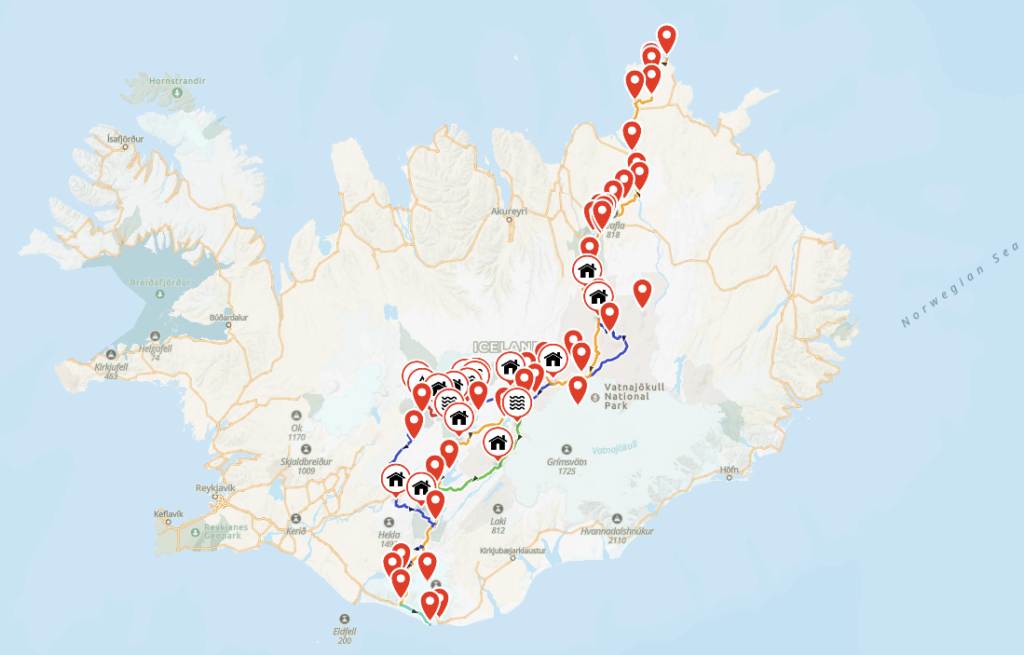
The Iceland Traverse is a significant undertaking, typically requiring between 17 and 22 days to complete. Depending on specific route variations, trailheads, and side trips, the total distance ranges from 520 km to 680 km, with an approximate total elevation gain of 13,508 meters (44,318 feet).
The Five Stages of the Traverse:
- Hraunhafnartangi Lighthouse to Ásbyrgi: 79 km (49 mi)
- Ásbyrgi to Reykjahlíð/Mývatn: 73 km (45 mi)
- Reykjahlíð/Mývatn to Dreki Hut (via Askja Caldera): 97 km (60 mi)
- Dreki to Landmannalaugar (via Nýidalur): 239 km (149 mi)
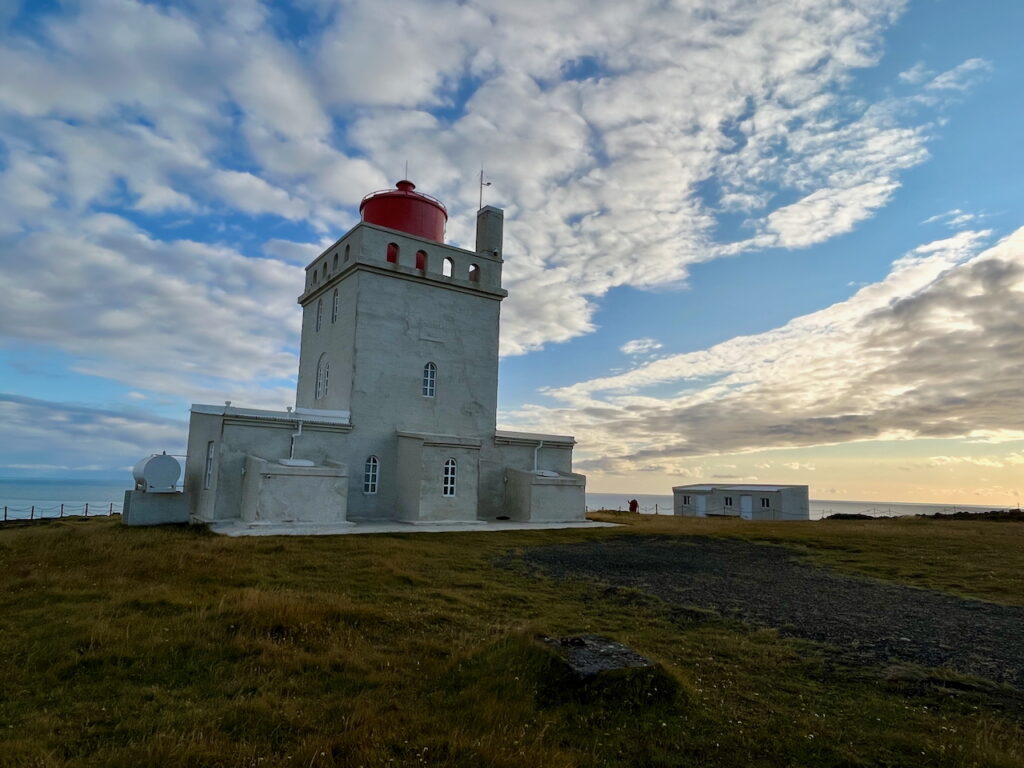
- Landmannalaugar to Dyrhólaey Lighthouse: 112 km (70 mi)
Preparation for such a route is not merely about fitness; it is about psychological and technical adaptability. A "storm-worthy" tent is not a suggestion—it is a necessity. The weather in the Icelandic interior can shift from serene to life-threatening within minutes, and the ability to maintain an ironic sense of humor while soaked or wind-battered is perhaps the most essential piece of gear one can pack.
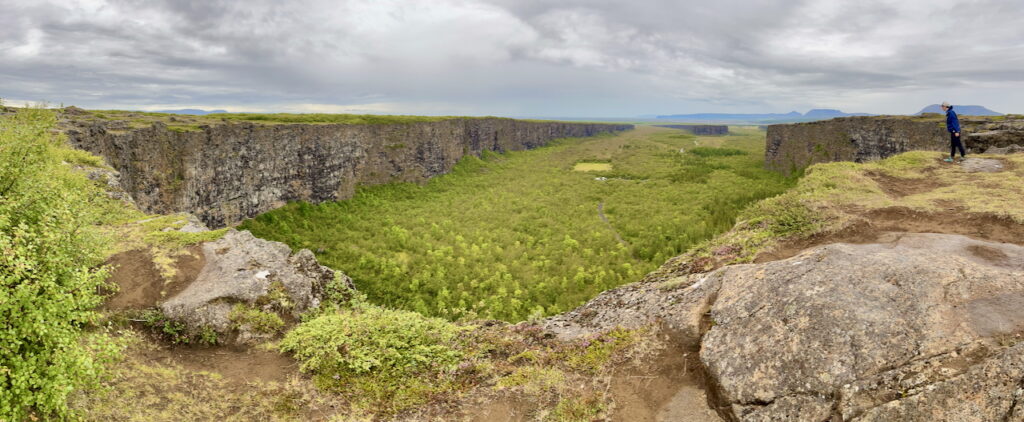
Chronology: From the Greenland Sea to the Volcanic North
The Northern Terminus: Hraunhafnartangi
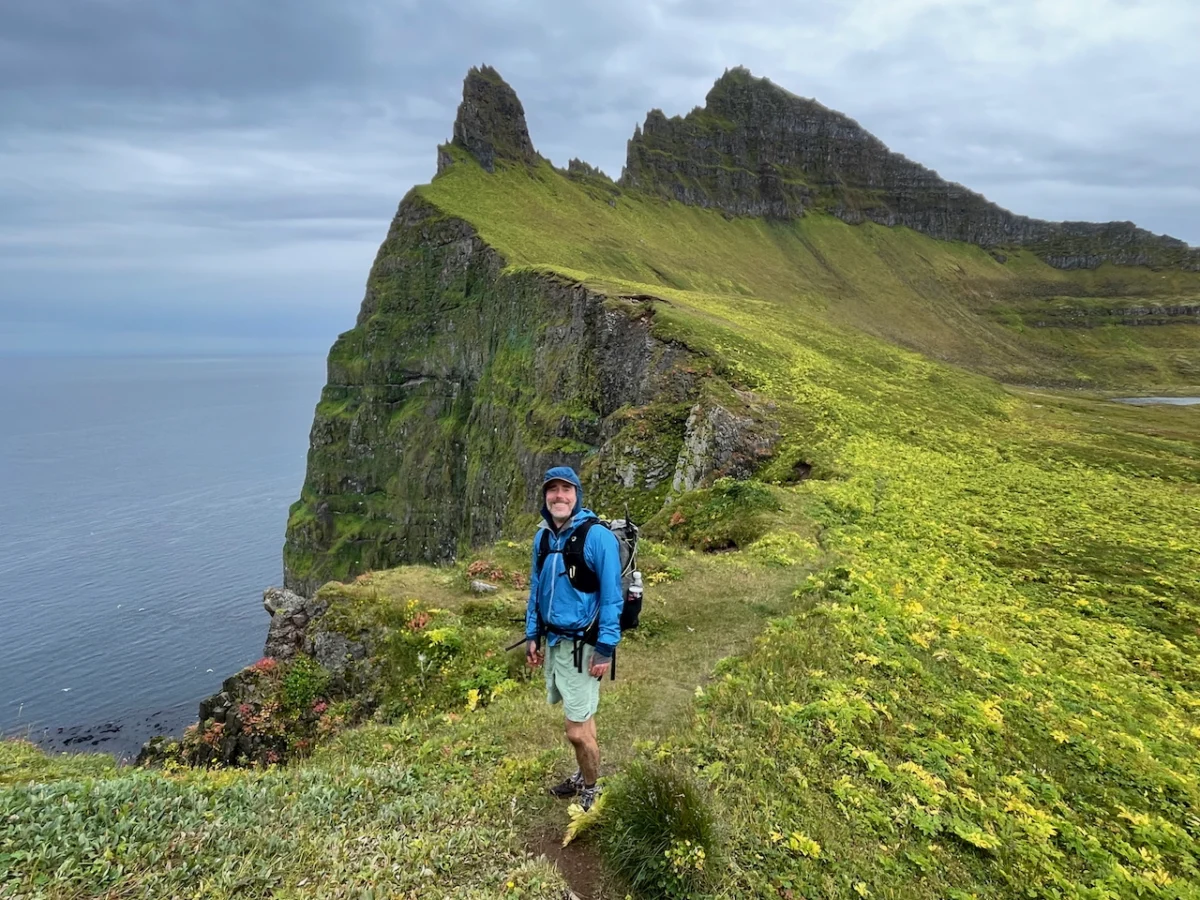
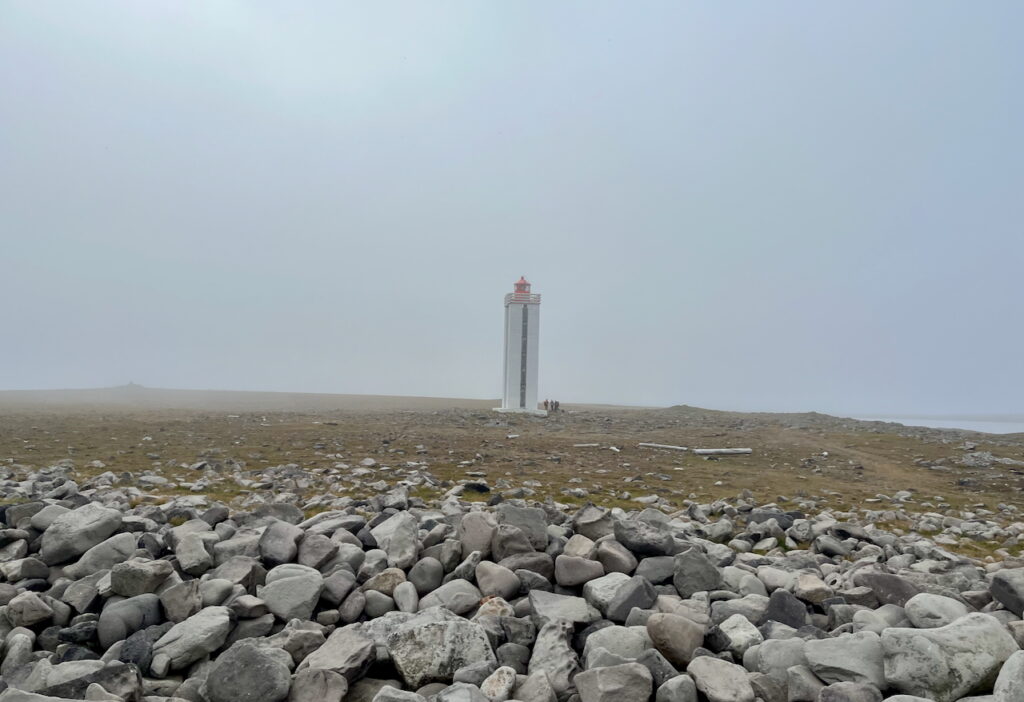
The journey began at Hraunhafnartangi Lighthouse, a lonely, wind-swept beacon on the Melrakkaslétta peninsula. This desolate stretch of coastline, littered with Arctic driftwood and facing the frigid Greenland Sea, serves as the stark opening chapter for the traverse. The first stage—a 79 km trek to the lush oasis of Ásbyrgi—offered a varied mix of terrain, including paved roads, dirt tracks, and rugged cross-country navigation.
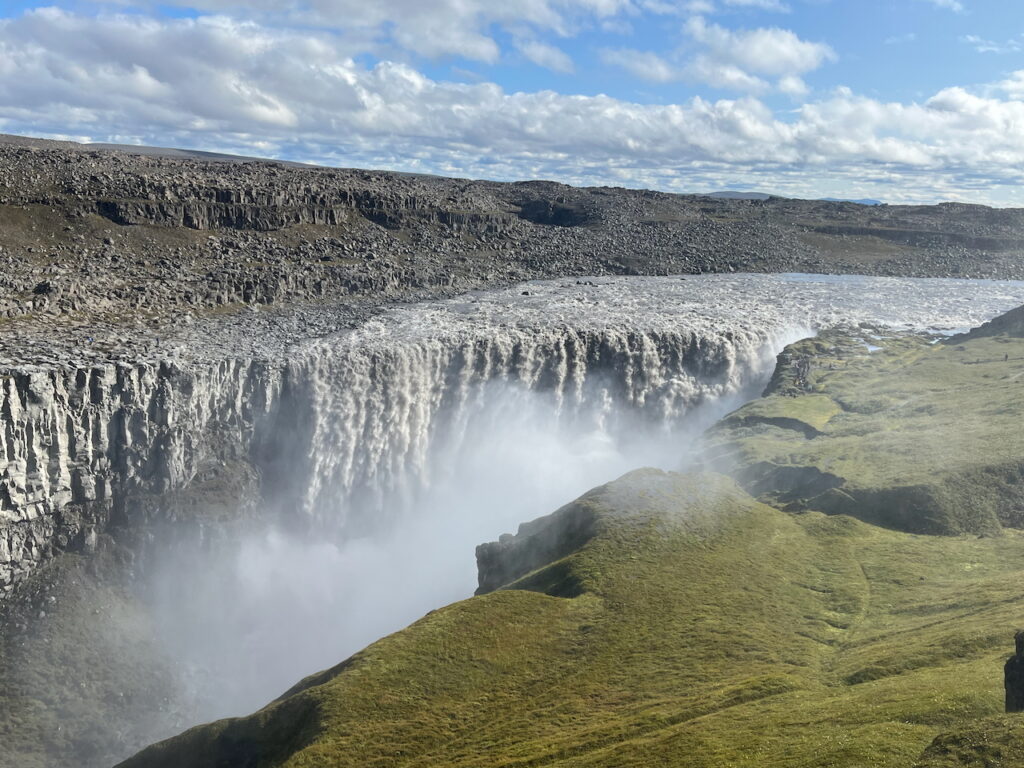
The Canyon and the Falls: Stage 2
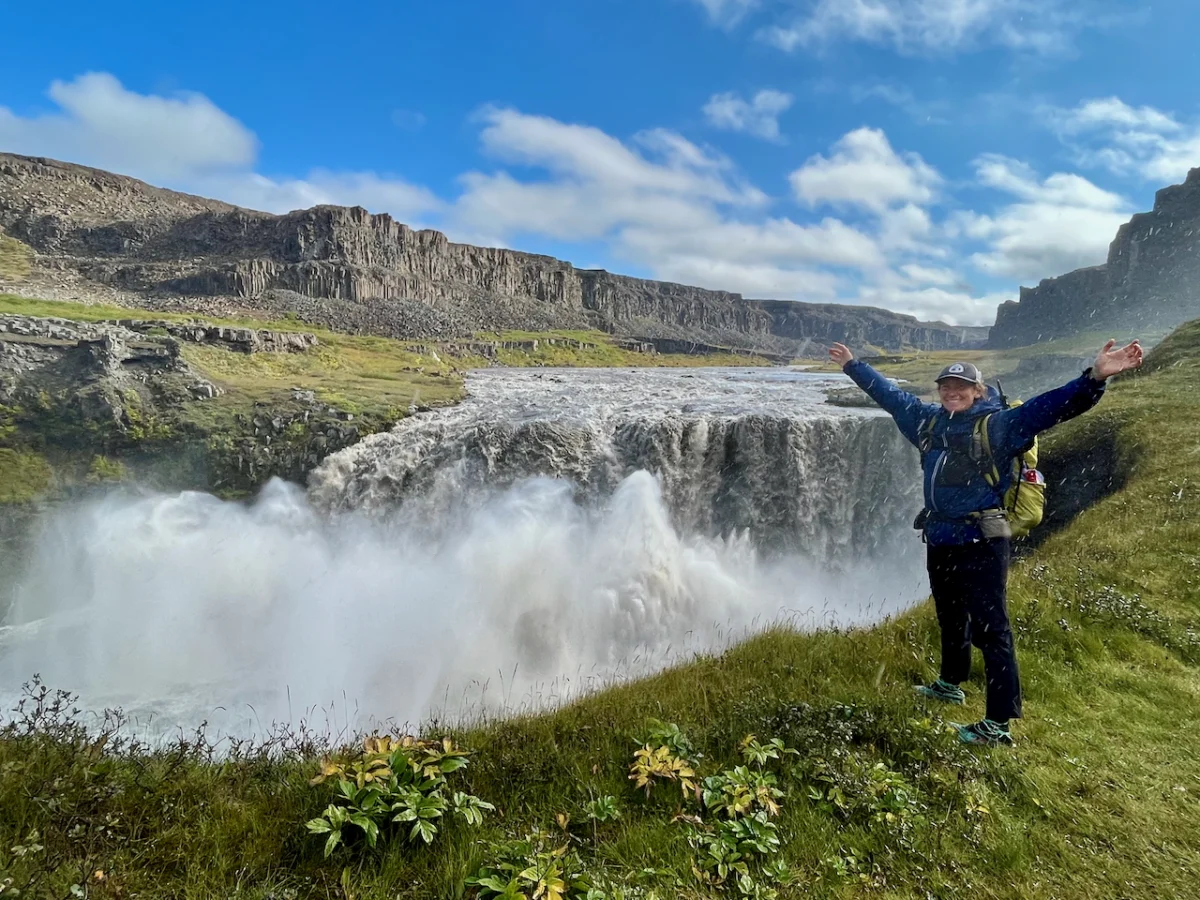
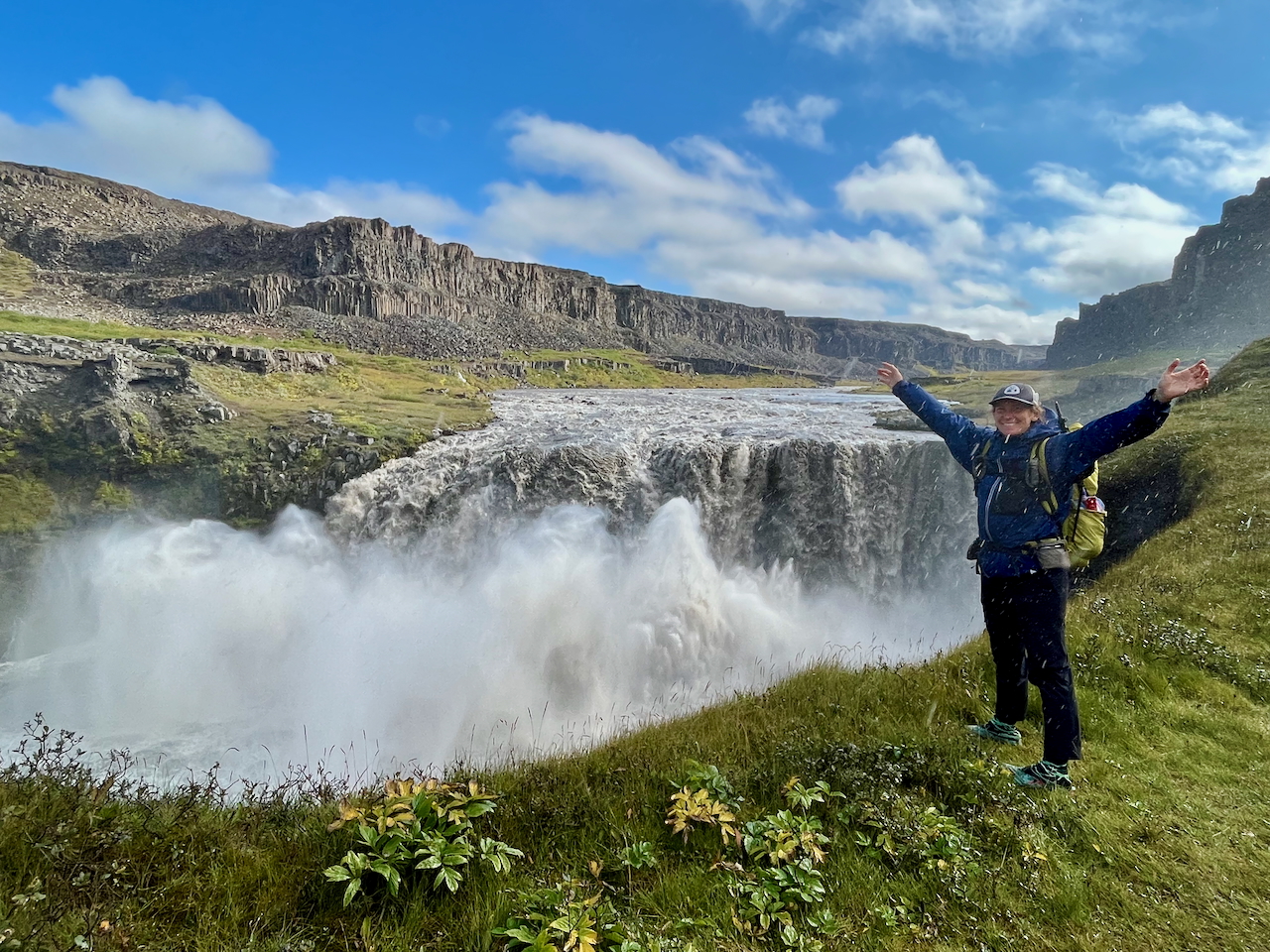
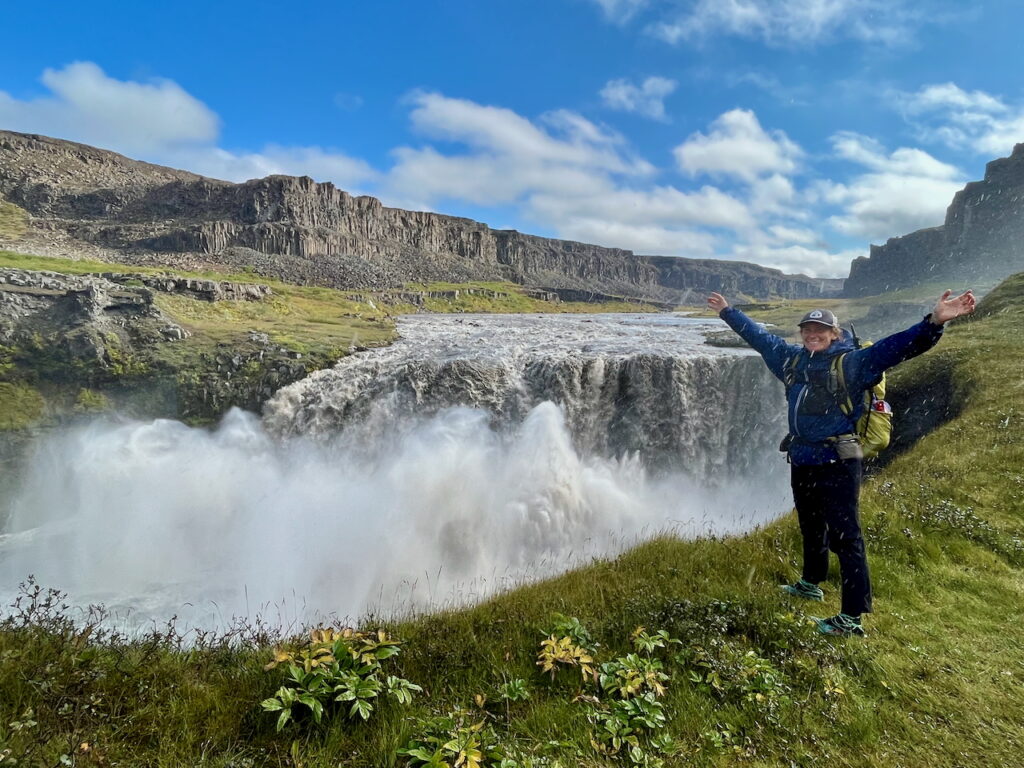
The second stage, spanning 73 km, moved the expedition into the Jökulsárgljúfur Canyon—often dubbed "Iceland’s Grand Canyon." This section featured the awe-inspiring basalt formations of Hljóðaklettar and the sheer power of Dettifoss, Europe’s most voluminous waterfall. Standing at the edge of Dettifoss, one can feel the ground shudder beneath them, a physical manifestation of the raw energy contained within the glacial meltwater.
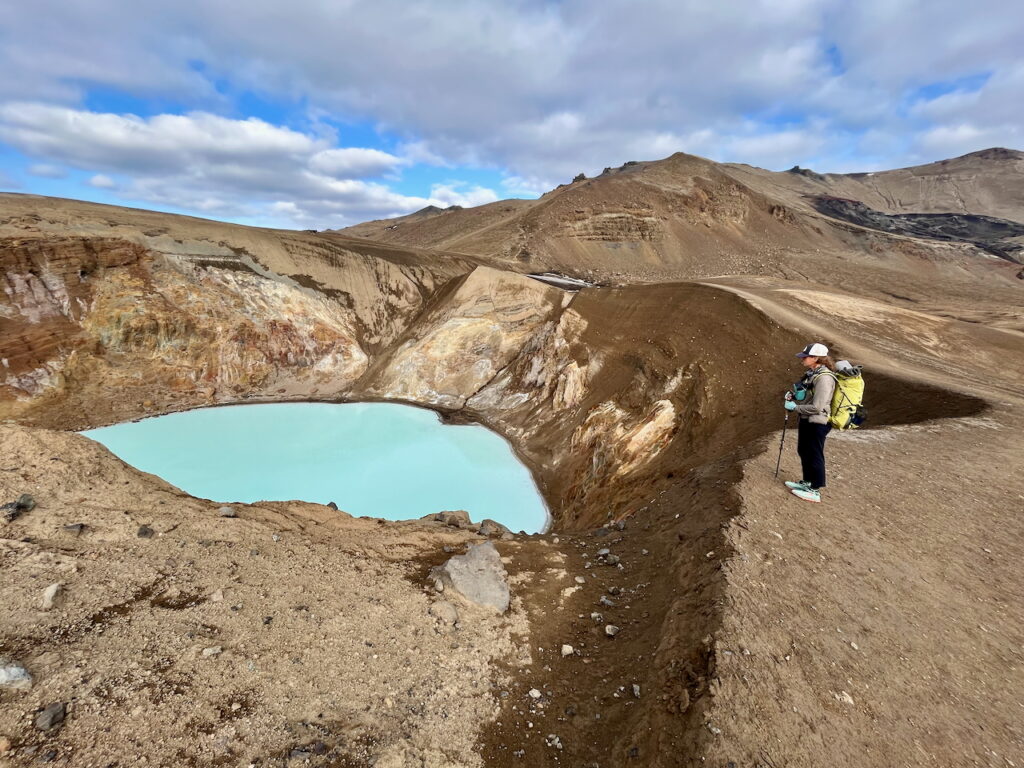
The route continued across a barren, volcanic plateau, passing the Krafla volcano, which has erupted 29 times since the settlement of Iceland in the 9th century. The stage concluded at the Earth Lagoon (formerly known as Mývatn Nature Baths), providing a much-needed geothermal reprieve after days of relentless, exposed hiking.
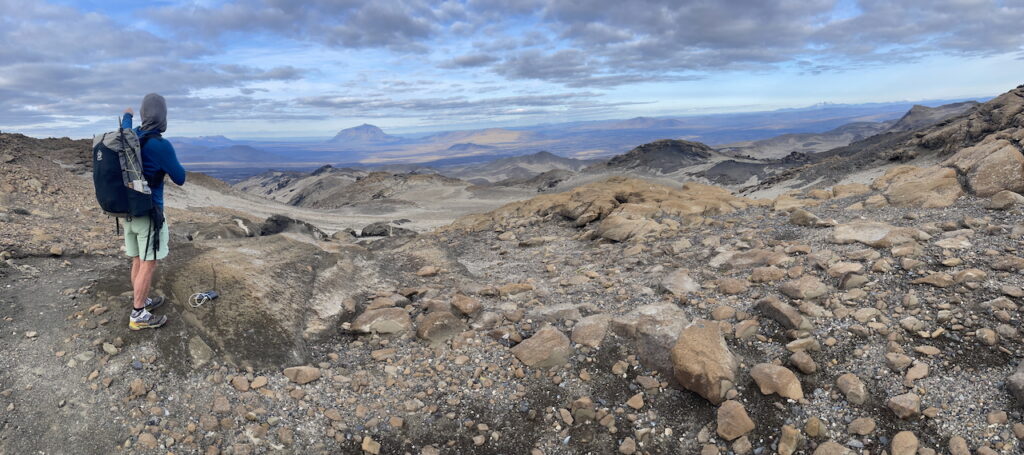
Supporting Data: Logistical Realities
Logistics for the Iceland Traverse are complex, particularly regarding transportation and resupply.
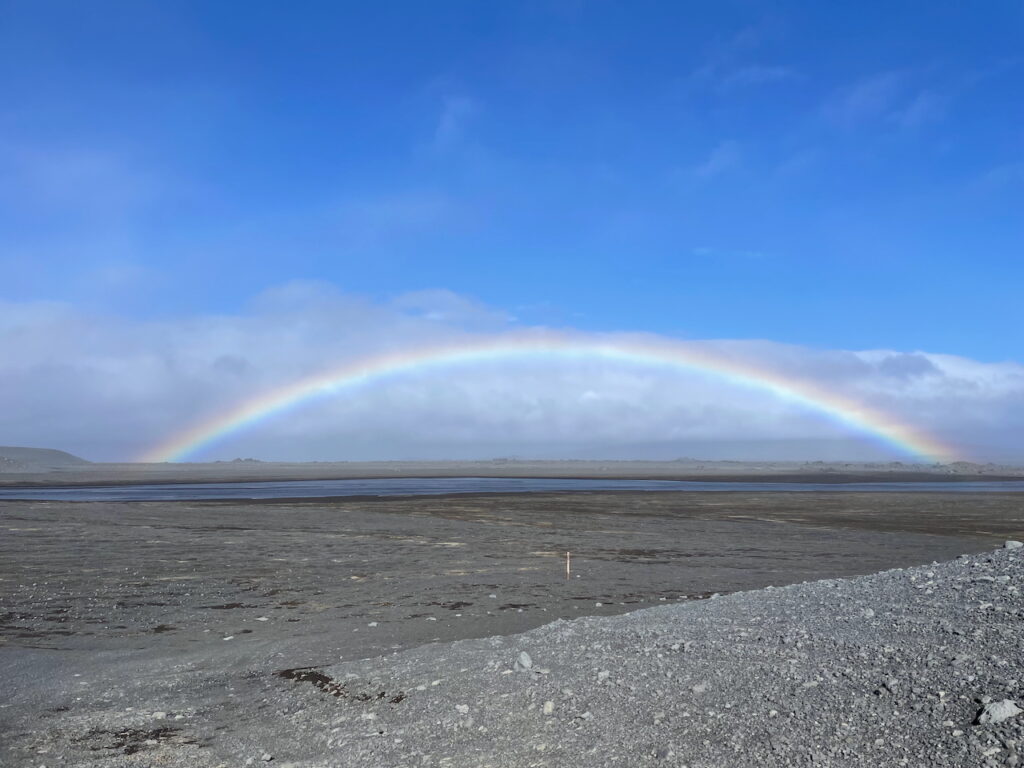
- Getting There: Public transport in the remote north is limited. The most viable strategy for hikers arriving in the northern region is to fly into Akureyri, take a bus to Húsavík, and then arrange a private shuttle or attempt to hitchhike to the lighthouse.
- Resupply: Hikers must plan carefully. The route passes through very few settlements. Most trekkers utilize a combination of pre-arranged food drops or carry substantial weight through the middle sections, particularly the stretch between Mývatn and the southern highlands.
- Water: While glacial rivers are abundant, their water is often silty and requires filtration or settling. However, the highland springs provide some of the cleanest, most refreshing water found anywhere in the world.
Expert Perspectives and Historical Context
The Vanishing Forests
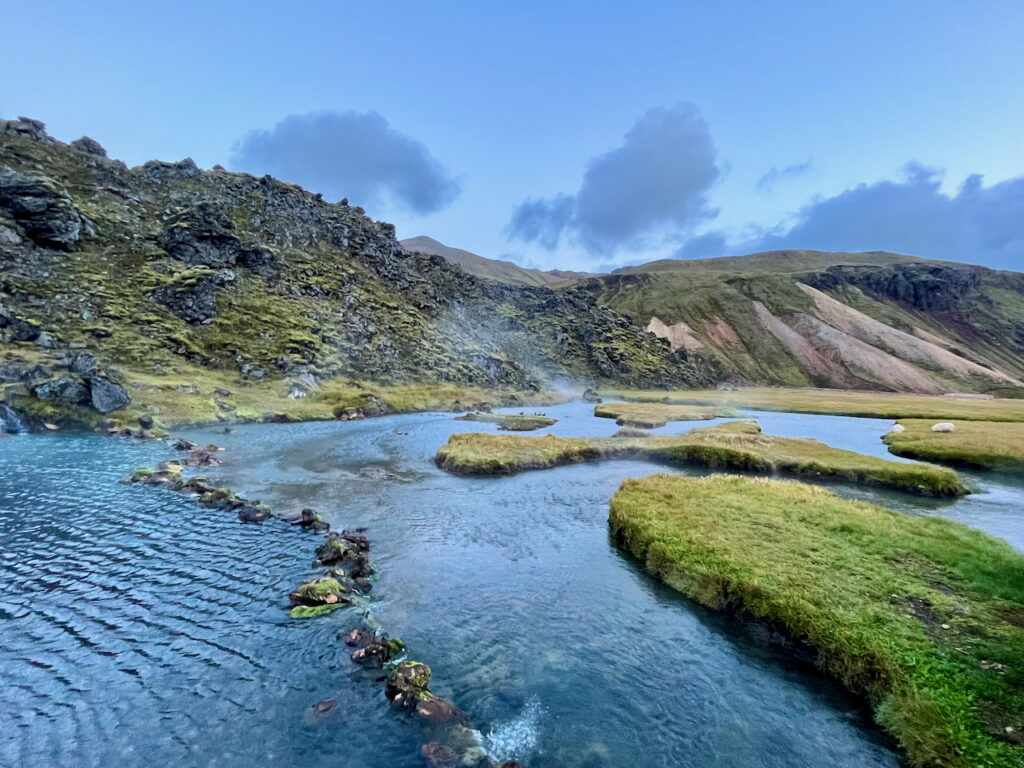
One of the most frequent questions from visitors is the lack of trees in Iceland. Historical records indicate that when the island was first settled, approximately 20–30% of the land was covered in birch forests. Centuries of deforestation for agriculture and fuel, combined with the island’s volatile volcanic nature, reduced this to just 1% by the 20th century. While reforestation efforts are underway, the current coverage remains at a modest 2%.
The Icelandic Horse
The journey is often shared with the Icelandic horse, a breed unchanged for over a millennium. These animals are famous not just for their resilience, but for their five distinct gaits, including the tölt—a smooth, four-beat gait that is highly prized for its comfort.
The Apollo Connection
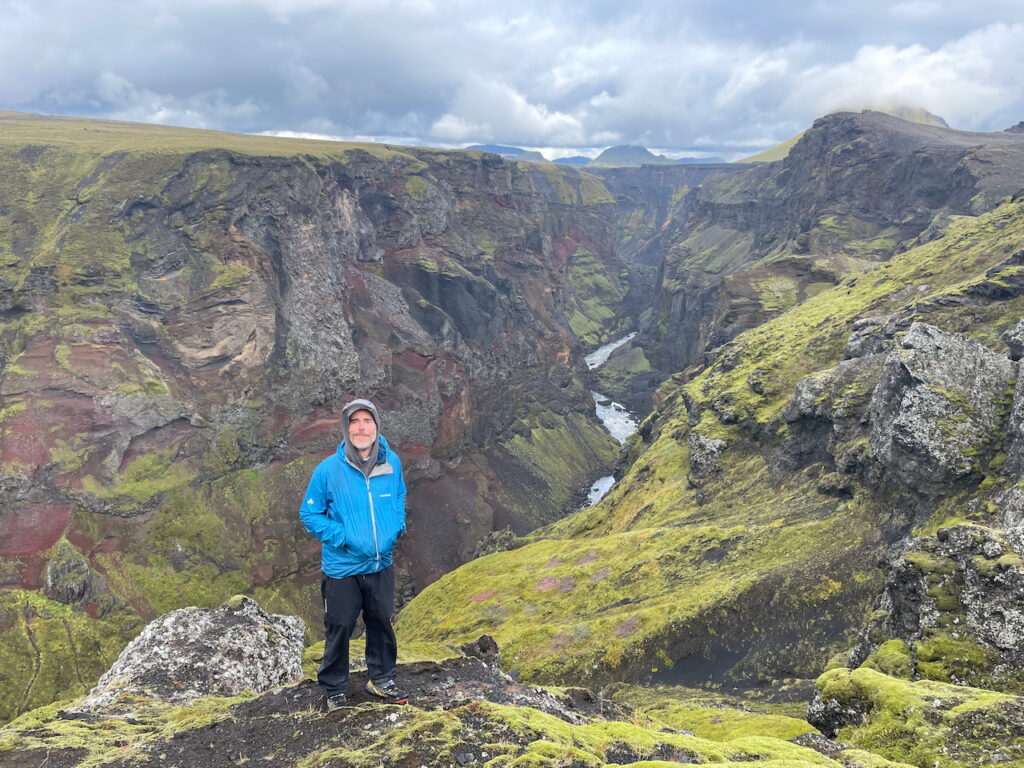
Interestingly, the area around the Askja Caldera (a key segment of the trek) was utilized by NASA in the 1960s to train Apollo astronauts for lunar missions. The desolate, cratered landscape provided the closest approximation to the surface of the moon on Earth, a fact celebrated by a monument near the Dreki Hut.
Implications for Future Trekkers
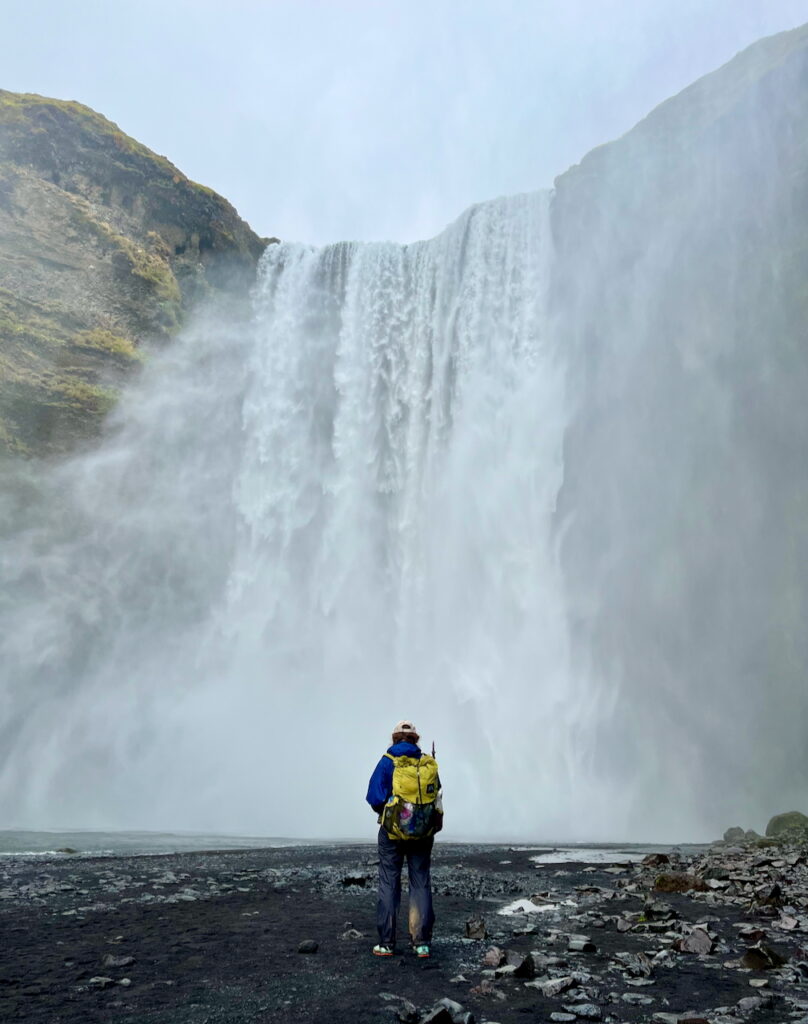
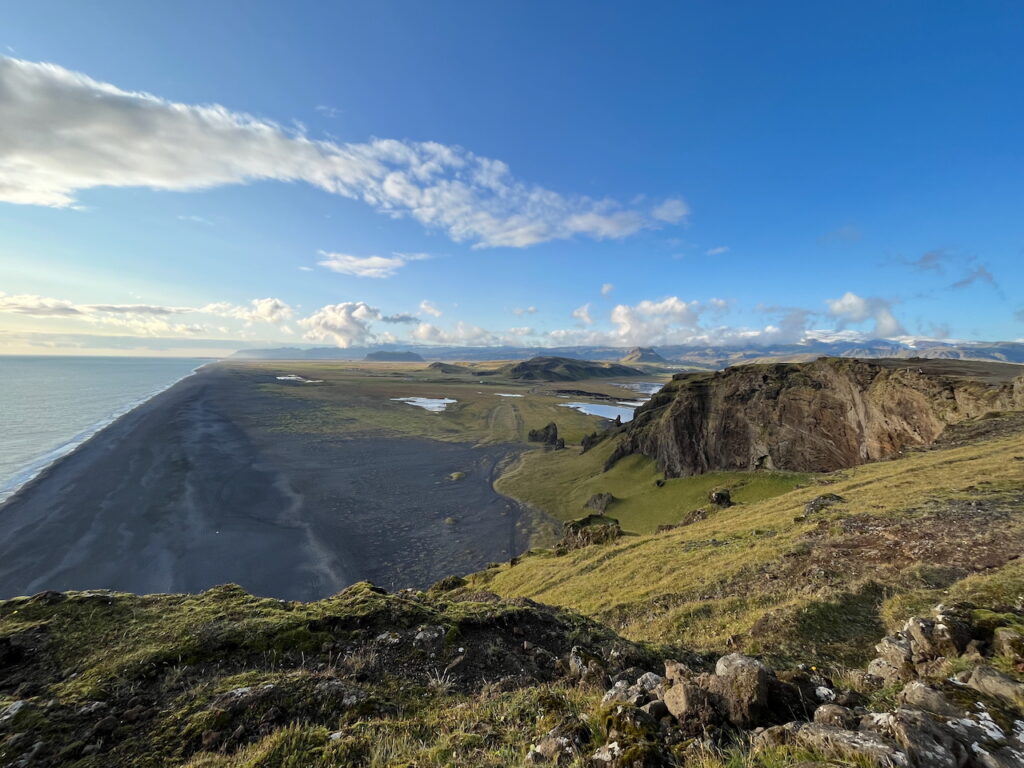
The Iceland Traverse is a humbling reminder of human insignificance in the face of geological time. The primary implication for any prospective hiker is the necessity of "planning for the worst and hoping for the best."
Critical Safety Considerations:
- River Crossings: These are the most common source of accidents. Hikers should never underestimate the strength of a glacier-fed stream, especially following heavy rainfall or warm days when meltwater increases.
- Weather Variability: In late August, the transition into autumn brings earlier sunsets and colder nights. Equipment must be tested and proven.
- Self-Reliance: Unlike the Appalachian Trail or the Camino de Santiago, there is no "easy out" in the heart of the Icelandic interior. Help may be days away.
For those who prioritize solitude, raw geological wonder, and the challenge of navigating a land that is still being born, the Iceland Traverse remains a pinnacle of global hiking. It is not a walk in the park; it is a profound engagement with the elements, a test of the soul, and a journey into the very foundation of the earth.
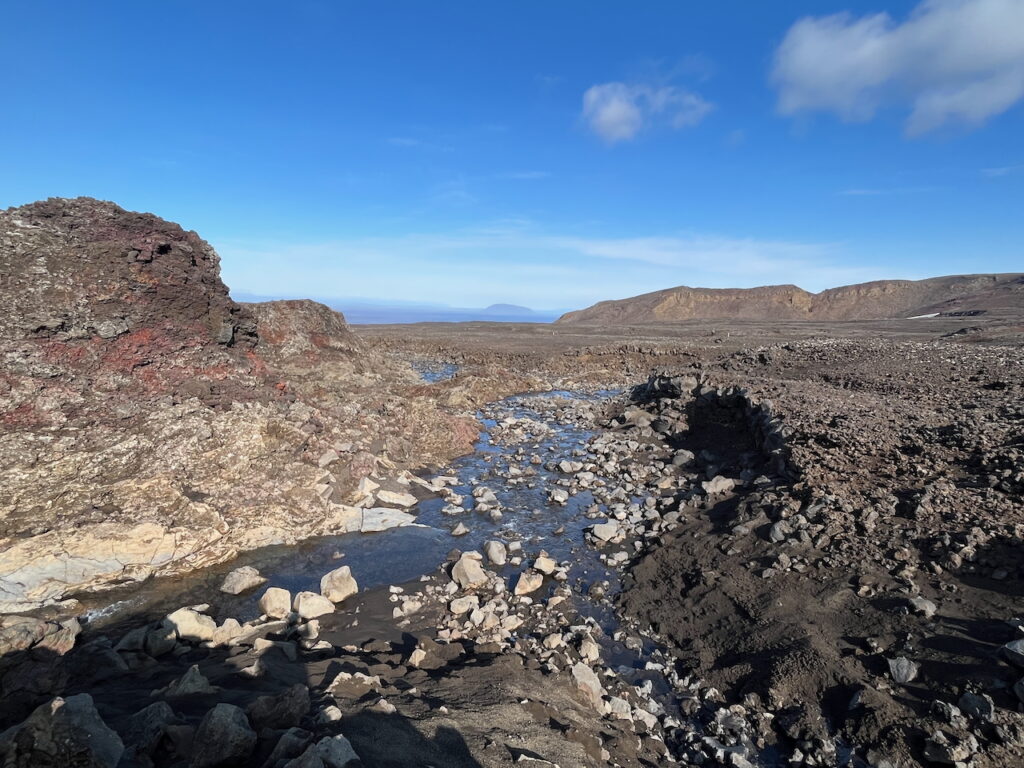
For those interested in the technical aspects of this journey, including a comprehensive gear list and detailed maps, the author’s documentation of his 2023 expedition serves as a vital resource for anyone planning to tackle this legendary route.