The Finnish Entomological Society’s recent excursion to Estonia served as a vivid reminder that one does not need to travel to the tropics to encounter extraordinary biodiversity. While Tallinn is often viewed through the lens of its medieval Old Town or modern digital economy, the surrounding countryside offers a starkly different narrative—a landscape teeming with life, much of which remains elusive to the casual observer.
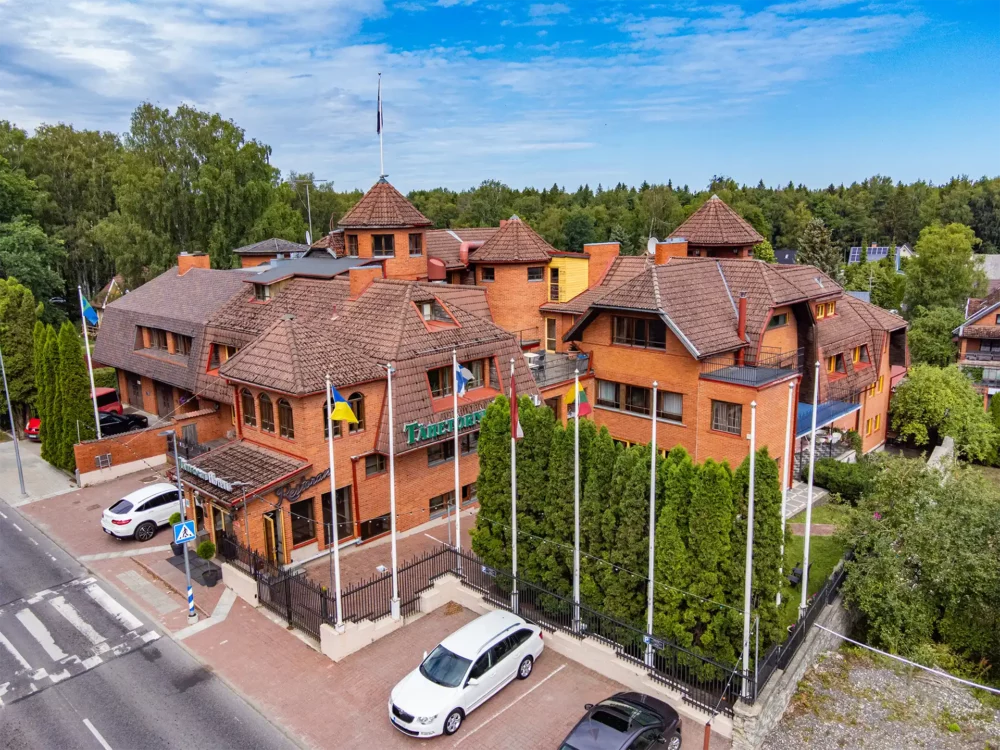
For the twenty-plus entomologists who gathered at the Tähetorn Hotel in Nõmme, the trip was more than a mere holiday; it was a targeted scientific survey of the unique micro-habitats that define the Estonian coastal region. Under the expert guidance of Juho Paukkunen, the expedition sought to document species that are either rare or entirely absent from the Finnish side of the Gulf of Finland, providing a rare opportunity to observe nature in a slightly more continental climate.
The Journey and the Setting: A Prelude to Discovery
The expedition began on a bright Saturday morning. The journey to the Tähetorn Hotel, an architectural curiosity featuring intricate red-brick towers and labyrinthine corridors, was marked by a desire to scout potential habitats along the route. However, the logistical realities of modern infrastructure meant that the initial plan to stop and sweep-net near the roadside was largely abandoned in favor of reaching the base camp.
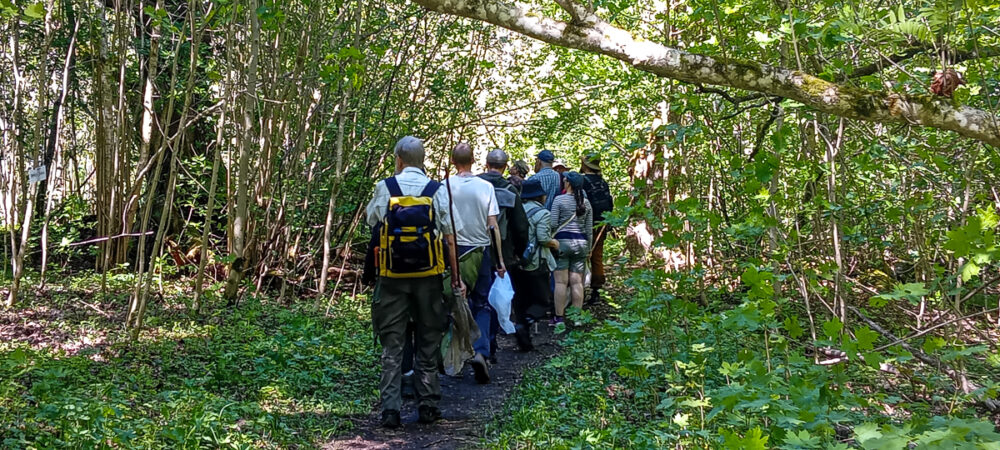
Upon arrival at the hotel, the early hours were spent in a nearby forest. While the day was still warming, the first signs of a productive weekend were clear: the presence of Pentatomidae (shield bugs) and the distinct drone of Cetoniinae (rose chafers) suggested that the insect activity was reaching its seasonal peak. This early success set a positive tone for the group, which soon swelled as members arrived from the ferry, their gear—nets, jars, and magnifying lenses—ready for the field.

A Sanctuary for the Small: Inside Urmas Jürivete’s Garden
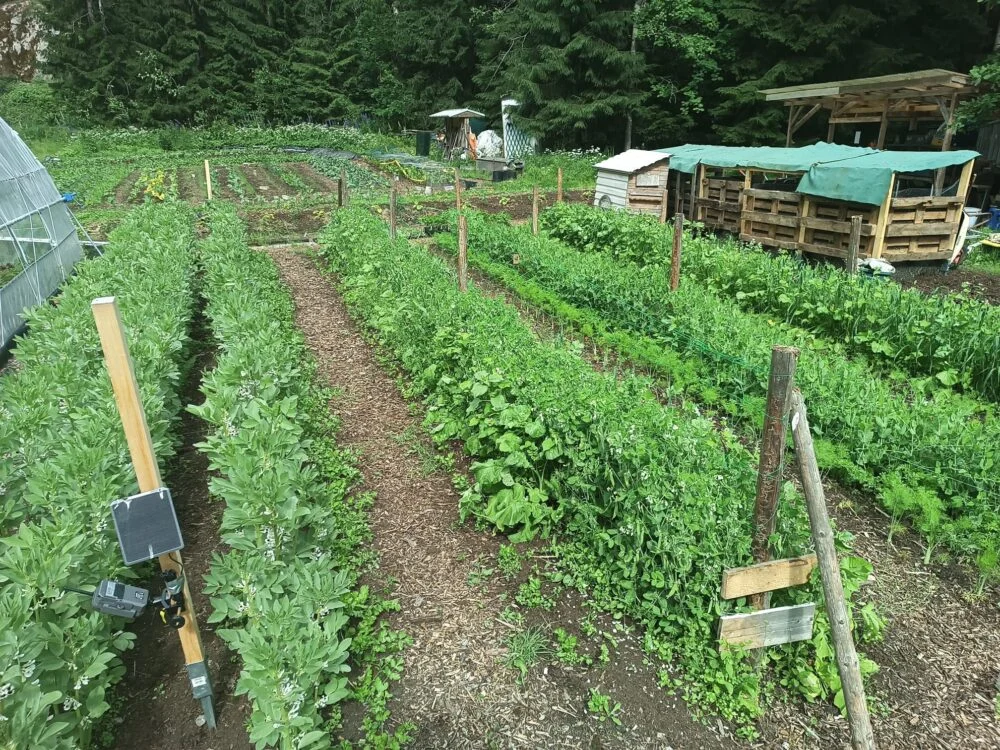
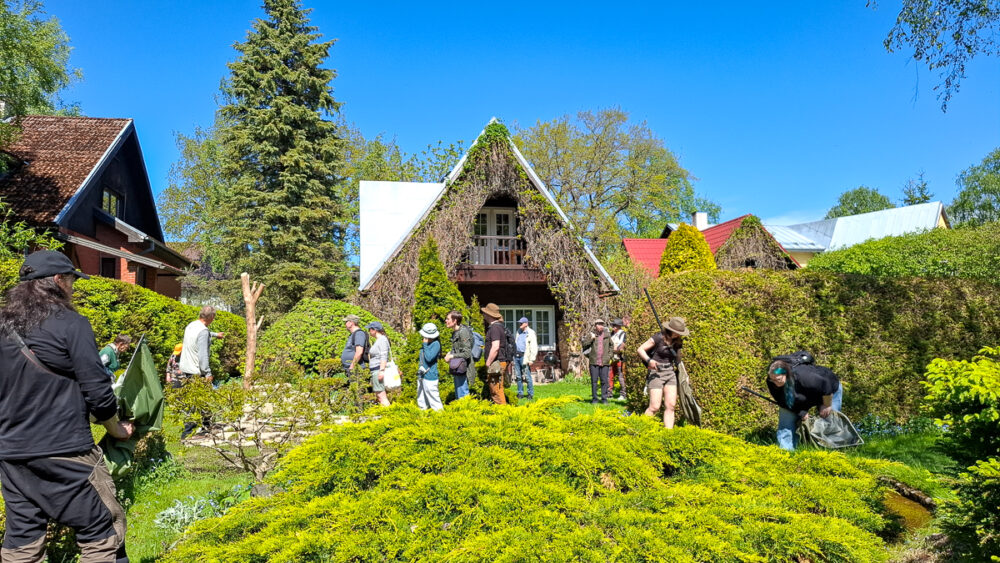
One of the most anticipated segments of the tour was a visit to the private garden of local entomologist Urmas Jürivete. A specialist in Lepidoptera and Hymenoptera, Jürivete has gained national recognition in Estonia—including features on the public broadcaster’s nature program, Osoon—for transforming his property into a model of insect-friendly landscaping.
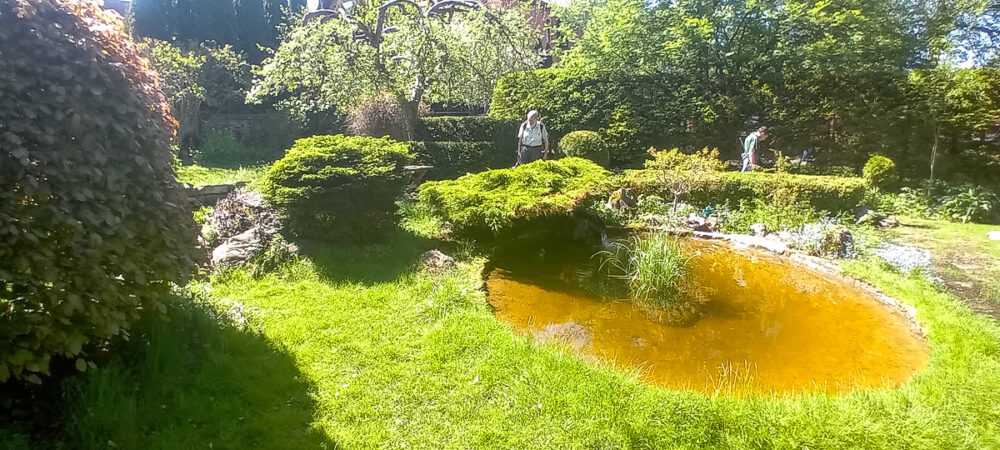
The garden serves as a living laboratory. Unlike traditional manicured lawns, Jürivete’s property is a deliberate, tangled biotope designed to support the full life cycle of native pollinators. Every shrub and flower is chosen for its functional value as a food source, and the garden is littered with strategic piles of decaying wood, providing essential nesting sites for solitary bees and wasps.
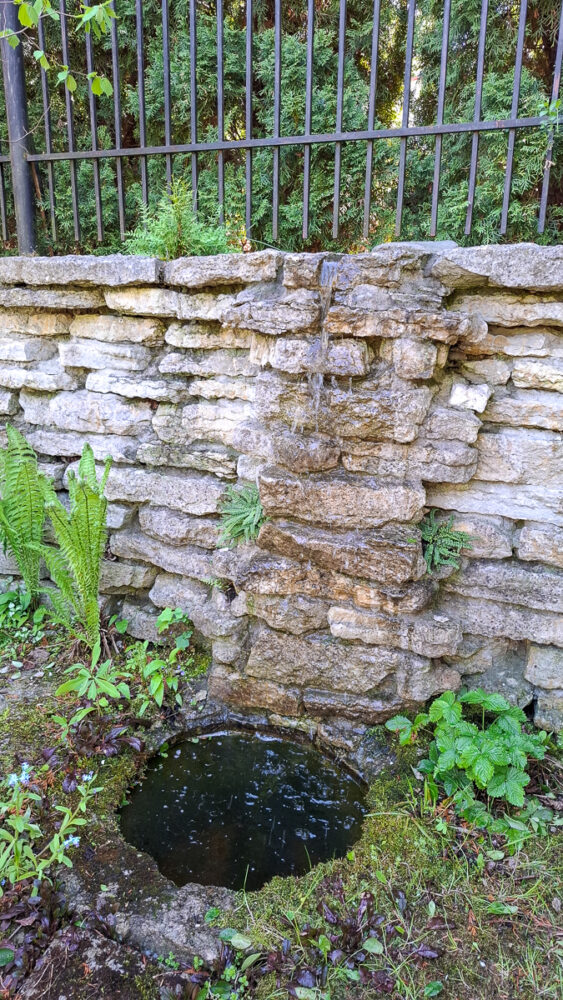
Perhaps the most impressive element was the integration of a stone wall into a cascading water feature, which creates a micro-climate of humidity and coolness, attracting species that would otherwise perish in the summer heat. Observing the balance between the small pond, where amphibians thrived despite recent predation, and the sun-drenched wood piles, the participants were struck by the sheer density of life that can be fostered in a suburban backyard when intentional design meets ecological understanding.
Into the Depths of Astangu: A Landscape of Conflict and Biodiversity
After the intimacy of the private garden, the group moved to the Astangu area. Astangu is a site of profound duality: it is simultaneously a sprawling, serene green space and a relic of 20th-century military ambition. The area is famous for the remnants of Peter the Great’s Naval Fortress, where massive limestone cliffs hide deep, damp tunnels originally intended for munitions storage.
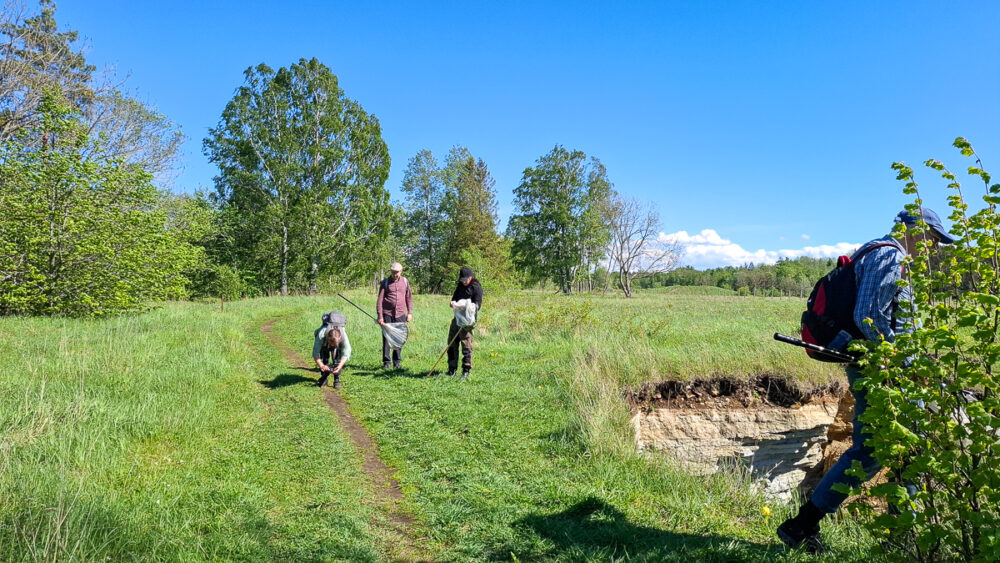
Today, these tunnels serve as vital wintering grounds for bats, while the limestone cliffs above—the Määeküla klint—provide the critical heat-sink environments required by thermophilic insects. As the group traversed the Kuusiku forest, the landscape opened into vast, unmanaged meadows.
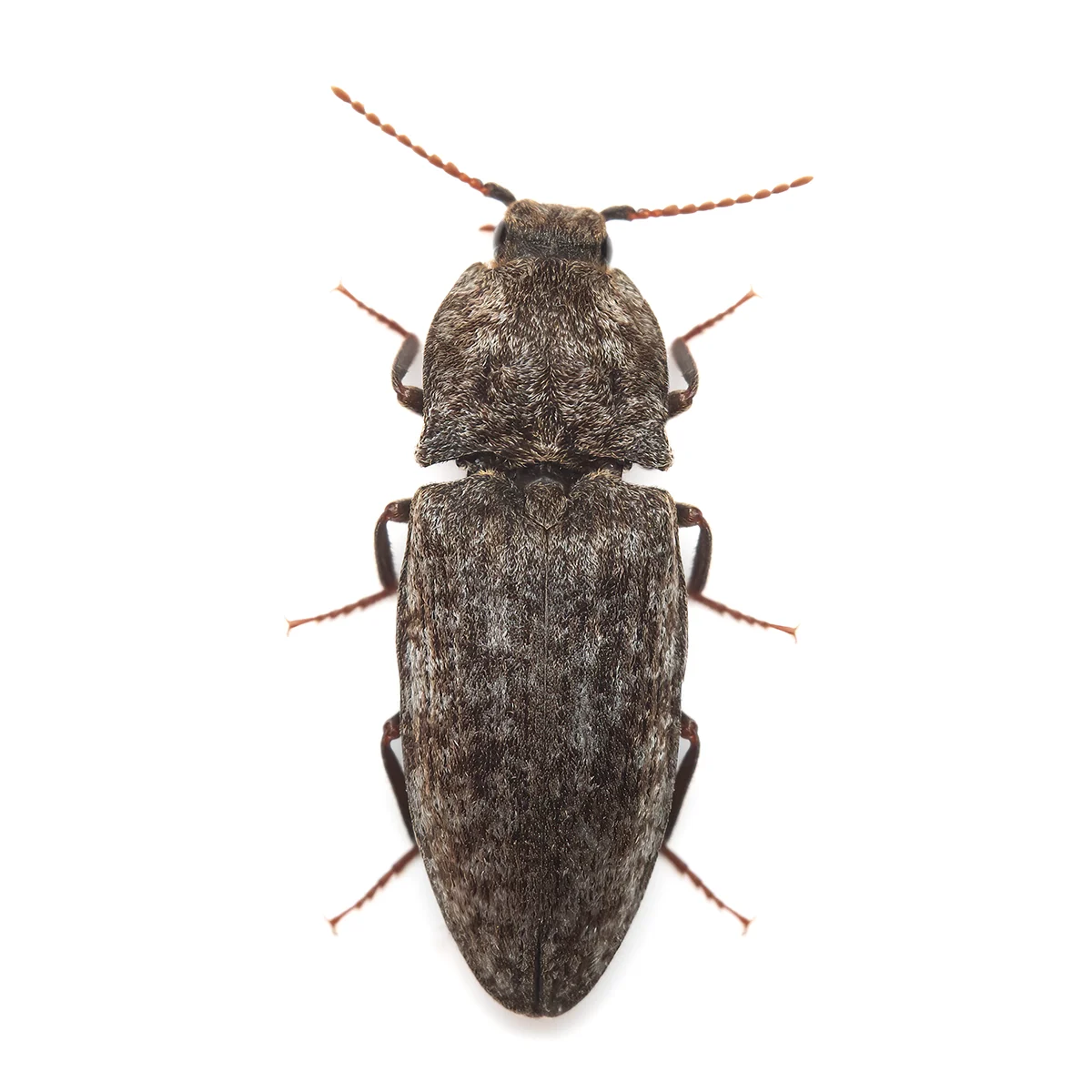
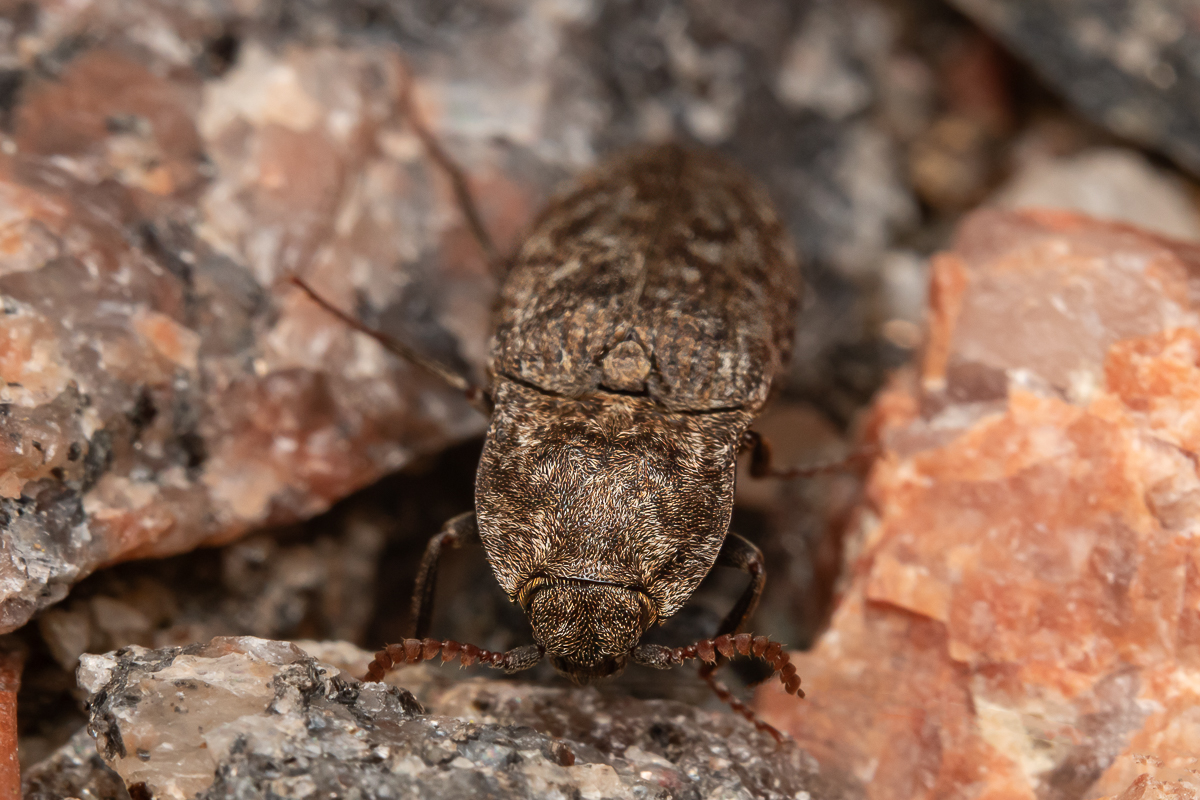
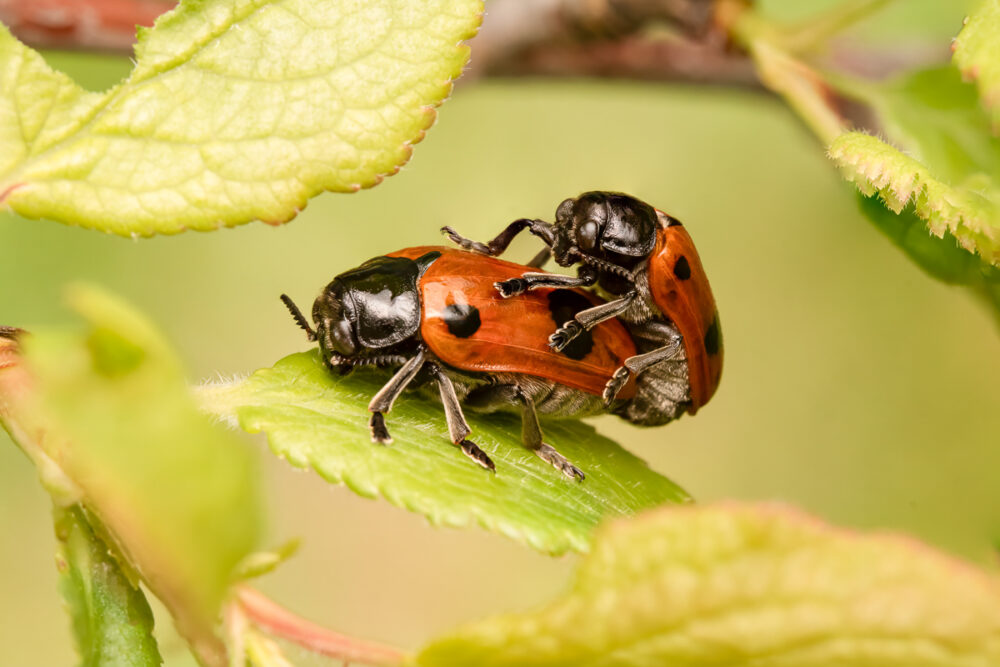
The geological history of the site has created a unique habitat known as an "alvar"—a limestone-based plain with thin soil that supports rare, drought-tolerant flora. Here, the expedition encountered species such as the ant-loving beetle (Clytra quadripunctata) and the unusual Coriomeris scabricornis, a bug species that highlighted the subtle biological differences between Estonian and Finnish populations. The discovery of a specimen of the sand click beetle (Agrypnus murinus), a rarity in Finland but common in the Estonian warmth, further underscored the value of the trip.
Supporting Data: The Science of the Small
The data gathered during the expedition, while preliminary, points to the critical importance of these "hot-spot" environments. The presence of Hydroporus incognitus, a small diving beetle found on a table during the evening session at the hotel, was a testament to the fact that scientific observation in these regions is not limited to the field; it is a constant, 24-hour process.
The distinction between the Charagochilus spiralifer (lenkopoikkolude) found in Estonia and its common relative, the Charagochilus gyllenhalii, served as a focal point for the group. As the participants noted, distinguishing between these species requires high-level expertise, a skill that is rapidly evolving within the community as new taxonomic data becomes available. These findings are not merely academic; they are vital for understanding the migration patterns and range expansions of species in a changing climate.
Official Perspectives and Ecological Stewardship
While the expedition was primarily a collaborative effort between enthusiasts, it reflects a growing European-wide trend toward "rewilding" and insect-focused conservation. The Estonian experience highlights a shift in perspective: where once a "messy" garden might have been considered a nuisance, it is now recognized as a vital component of the urban ecosystem.
Local conservationists emphasize that the preservation of sites like Astangu is not just about the insects themselves, but about the preservation of a historical and biological continuity that links the past, present, and future. The military ruins, once symbols of destruction, have been reclaimed by nature, offering a profound lesson in ecological resilience.
Implications for Conservation
The implications of the Finnish Entomological Society’s trip are twofold. First, it demonstrates the necessity of international collaboration in tracking biodiversity. Insects do not recognize national borders, and the exchange of knowledge between Finnish and Estonian experts is essential for mapping the distribution of species across the Baltic region.
Second, the trip highlighted the "privatization" of conservation. The success of Urmas Jürivete’s garden suggests that individual landowners can make a statistically significant impact on local biodiversity. If such practices were to be scaled up, the cumulative effect on pollinator populations could be transformative.
A Legacy of Exploration
As the group retired for the evening, navigating the complex staircases of the Tähetorn Hotel, the conversation remained centered on the day’s finds. These informal sessions are, in many ways, the heart of the society—a place where the rigid data of the field is tempered by the camaraderie of shared discovery.
The final day of the trip would see the group following in the footsteps of the 1926 Vanamo Society expedition, a historical nod to the long-standing tradition of Finnish-Estonian biological exchange. As the sun set over the Estonian landscape, it was clear that while the insects might be small, the impact of these expeditions is immense, keeping the spirit of exploration alive in a world that often feels fully mapped.
For those interested in the ongoing results of the survey, the society continues to update its findings via social media platforms, encouraging a new generation to look closer at the world beneath their feet. The journey across the Gulf of Finland is short, but the biodiversity found on the other side is a world away—a testament to the enduring richness of our shared northern home.