By Samuli Haapasalo
Published: August 25, 2026
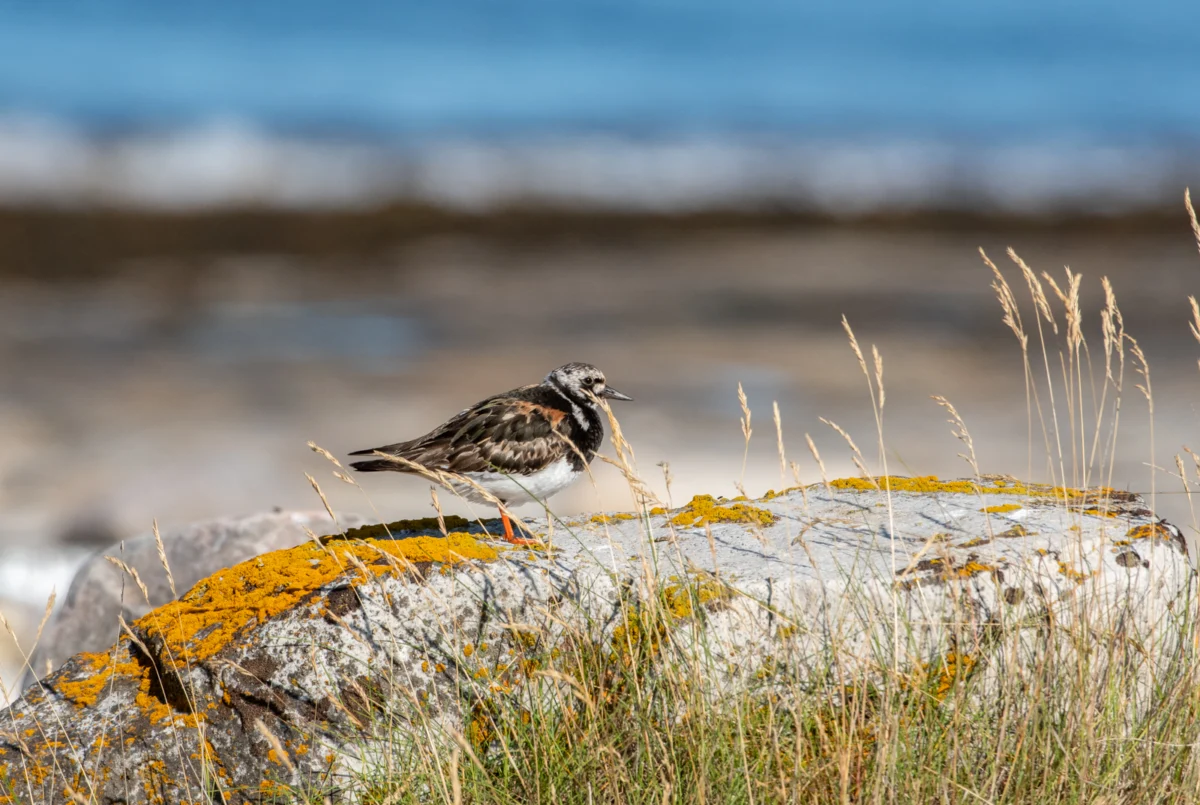
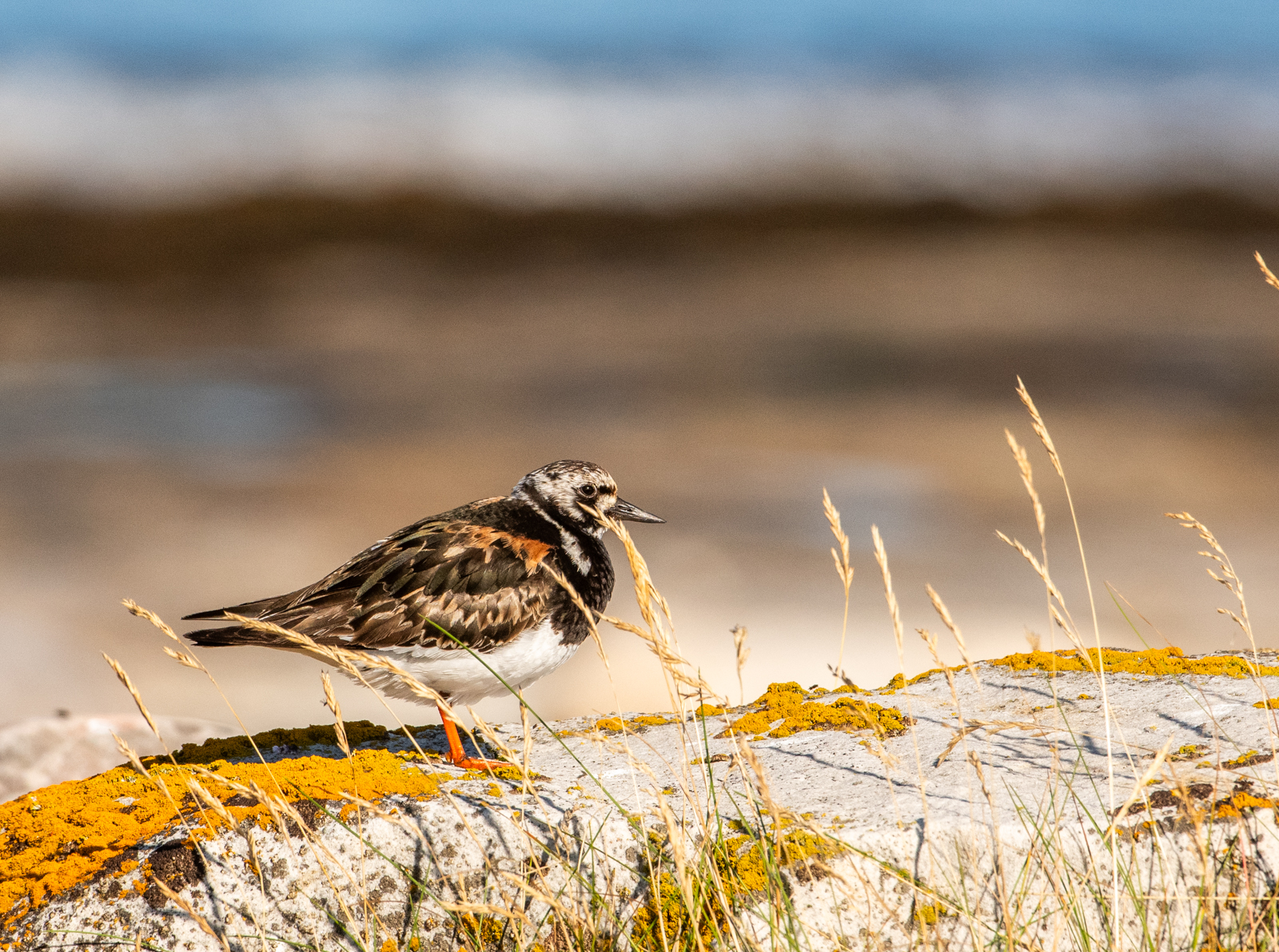
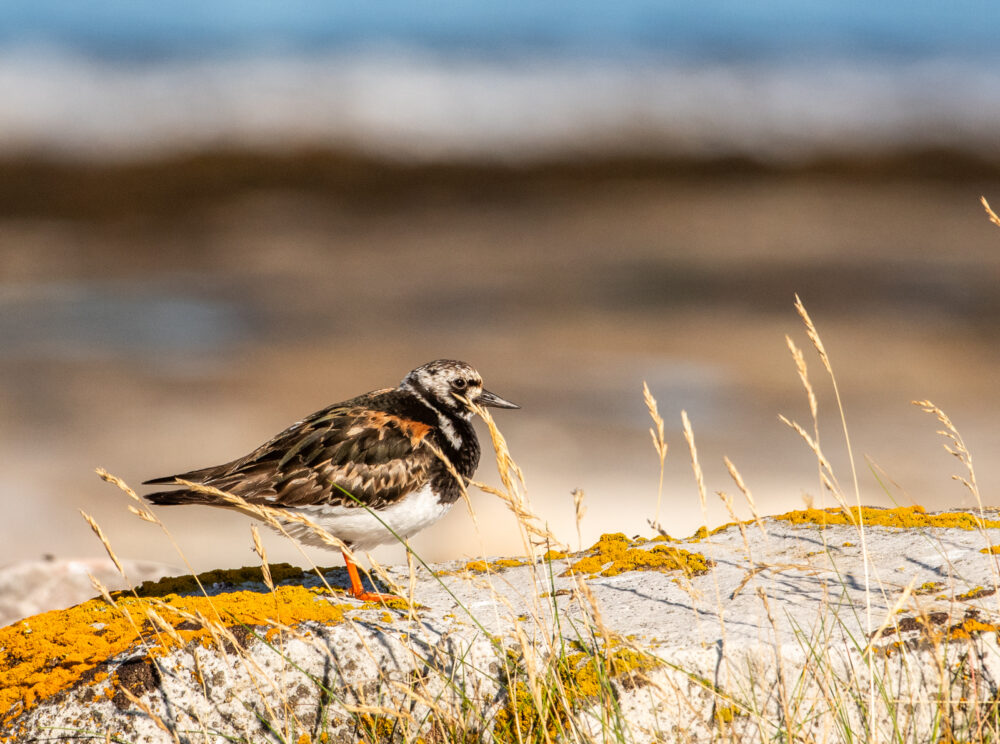
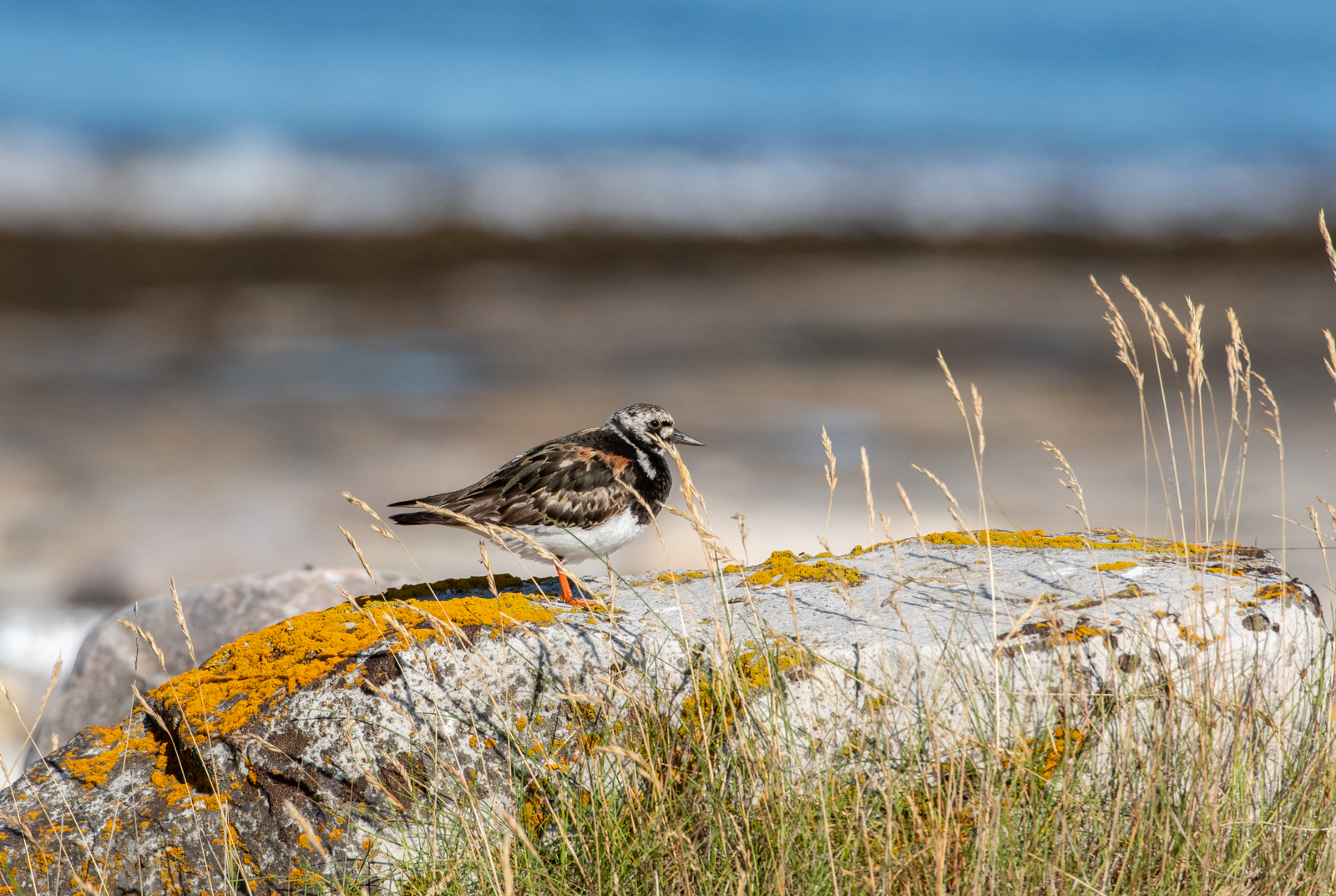
The Ruddy Turnstone (Arenaria interpres) is a bird of striking contrasts. With its vividly variegated plumage—a bold mosaic of chestnut, black, and white—and its sharp, piercing calls that echo across rocky coastlines, it is one of the most recognizable, yet increasingly elusive, inhabitants of the northern shores. However, behind the vibrant appearance of this charismatic wader lies a somber reality: the Ruddy Turnstone is facing a precipitous decline across its Finnish range, leading to its classification as a critically endangered species.
Main Facts: A Species in Retreat
The Ruddy Turnstone has long been a fixture of the Baltic ecosystem, but its presence is fading. Historically, these birds were common across the Finnish archipelago. Today, the situation is dire. The species has largely vanished from the inner archipelago, and even in strongholds like the Archipelago Sea and the Kvarken region, populations have dwindled to mere fractions of their former numbers. Along the Gulf of Finland, the current population represents only a shadow of what existed fifty years ago.
Surprisingly, the species has displayed a peculiar resilience in inland habitats, with a few hardy pairs continuing to breed on large lakes. Despite this, the overall trend is one of contraction. In neighboring Estonia, the species is now among the rarest breeding birds, with no more than a few dozen pairs remaining. While populations in Norway appear more stable, they remain under close observation, as the species continues to face mounting pressures across its migratory and breeding territories.
Chronology of a Disappearing Act
The decline of the Ruddy Turnstone did not happen overnight; it is the result of decades of environmental shifts and human-induced pressures.
- 1970s–1990s: The golden era for the species in the Gulf of Finland, where populations were robust and widespread across coastal islets.
- Early 2000s: Researchers began noting a significant "silent period" in the inner archipelago. Increasing human encroachment and recreational use of islands began to disrupt breeding success.
- 2010s: The expansion of the invasive American mink (Neovison vison) reached a critical tipping point. As an efficient swimmer and predator, the mink proved capable of reaching even the most remote outer skerries, decimating ground-nesting birds.
- 2020–2026: The current period is defined by emergency conservation measures. As documented during recent field observations in the Varanger Fjord (Norway), the species is still breeding, but reproductive success is heavily dependent on specific, undisturbed micro-habitats.
Supporting Data: The Anatomy of Decline
To understand why the Ruddy Turnstone is failing, one must look at its nesting biology. The Turnstone typically lays three to four eggs, often hidden with remarkable ingenuity beneath rocks or within thickets of grass. This behavioral adaptation is meant to protect them from avian predators like gulls and crows. However, these terrestrial defenses are useless against the American mink.
The mink is a generalist predator that has fundamentally altered the ecology of the Baltic islands. Because the mink is a relentless swimmer, it can access nesting grounds that were once considered safe sanctuaries. The loss of eggs and chicks to mink predation is a primary driver of the population collapse.
Furthermore, the species exhibits a "generalist" diet. Interestingly, Turnstones have been observed scavenging the eggs of other birds, such as Arctic Terns and Black-headed Gulls, if the primary nesting birds abandon their sites due to human disturbance. This opportunistic behavior underscores a fragile ecosystem: when human activity—such as illegal boat landings or fishing near nesting sites—drives away the "guardians" of the island (the gulls and terns), the Turnstones lose their protective buffer, and their own nesting success plummets.
Official Responses and Conservation Imperatives
The scientific and conservation community is largely in agreement: the path to recovery for the Ruddy Turnstone requires aggressive, targeted intervention.
The War on Invasive Species
The most urgent recommendation from ornithologists is the complete eradication of the American mink from the Finnish, Estonian, and Norwegian archipelagos. While trapping programs exist, they are often fragmented. A cohesive, cross-border strategy is required to ensure that islands cleared of mink remain free from re-colonization.
Protecting the "Quiet Zones"
Conservation authorities have emphasized the necessity of strictly enforcing seasonal no-landing zones. During the spring and summer breeding months, human presence on nesting islets is catastrophic. The disturbance caused by tourists, boaters, and fishermen often leads to "nest abandonment." When an adult bird is frightened from the nest, the eggs are left exposed to heat, cold, and opportunistic predators. The message is clear: if we want these birds to survive, we must accept that some parts of the archipelago must remain off-limits to humans.
International Cooperation
Because the Ruddy Turnstone is a migratory species, conservation cannot stop at national borders. The challenges faced by the birds in their wintering grounds—often in Western Europe or Africa—are just as significant as those in their breeding grounds. Protecting the "flyway" requires international policy harmonization, ensuring that wetlands are protected throughout the bird’s entire annual cycle.
Implications: A Canary in the Coal Mine
The fate of the Ruddy Turnstone serves as a sobering indicator of the health of the Baltic marine environment. It is not merely a "bird issue"; it is an ecosystem issue. The decline of this wader reflects broader problems: the degradation of coastal habitats, the disruption of natural predator-prey balances due to invasive species, and the cumulative impact of human recreational pressure.
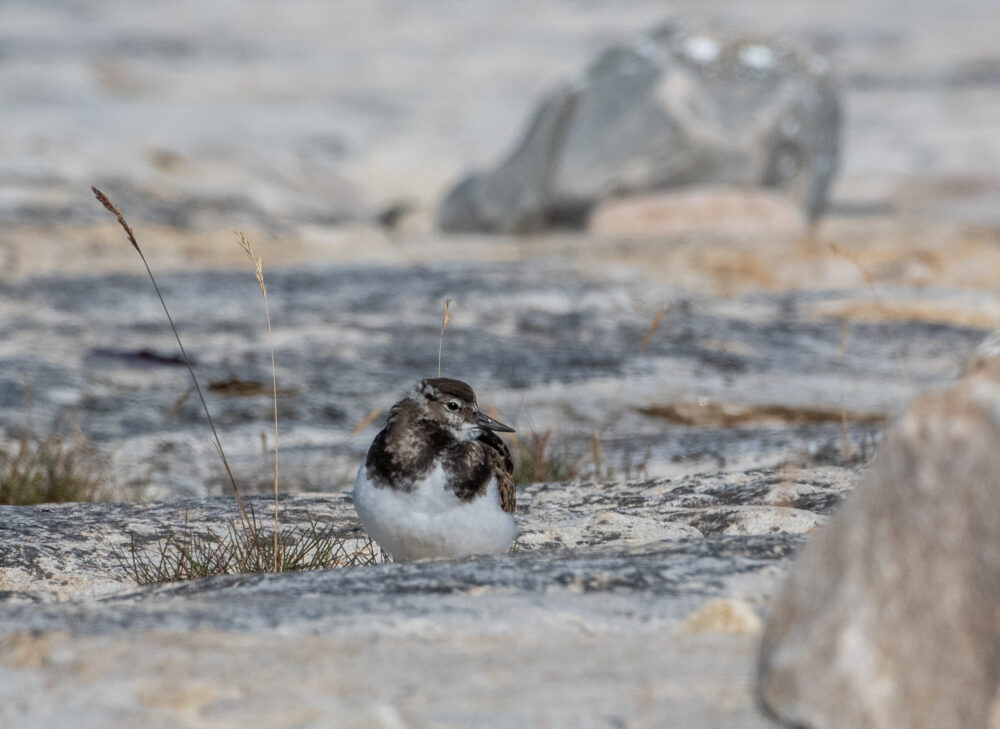
In the Varanger Fjord, where I observed a pair of Turnstones successfully raising a chick in late July 2026, there is a glimmer of hope. Seeing a juvenile bird, fully grown and alert, huddled near the rocky shore, proves that the species is still capable of reproductive success when conditions are right. However, that success is increasingly rare.
If we continue to view these islands primarily as recreational assets rather than fragile nurseries for biodiversity, we will likely lose the Ruddy Turnstone from the Finnish landscape entirely within the next two decades. The choice is a matter of policy, but more importantly, it is a matter of public will. Are we willing to sacrifice a summer afternoon of boating to ensure that a fledgling survives?
The Ruddy Turnstone is, in many ways, the sentinel of our shores. It tells us when the balance has tipped too far. It is time we listened to its cry—not as a background noise of the archipelago, but as a warning that we are running out of time to act.
For those interested in supporting independent environmental journalism and conservation research, consider subscribing to Suomen Luonto. Your support enables the continued monitoring of species like the Ruddy Turnstone and provides a platform for the critical science needed to protect our natural heritage.