In the evolution of angling, the shift from primitive nets and poles to sophisticated mechanical reels represents one of the most significant technological leaps in outdoor recreation. Today, the modern angler is faced with a diverse array of equipment, each designed with specific mechanical advantages and tactical applications. Whether you are a novice seeking the simplicity of a push-button system or a seasoned veteran chasing the precision of a high-end baitcaster, understanding the mechanics behind your gear is the first step toward mastering the water.
The Evolution of the Angling Reel: A Chronology
The history of the fishing reel is a timeline of human ingenuity aimed at overcoming the limitations of manual line management. While ancient civilizations relied on stationary poles and hand-lines, the 20th century brought the engineering breakthroughs that define the sport today.
- 1938 – The Spinning Revolution: Daiwa Seiko Co., Ltd. is widely credited with the development and commercialization of the first true spinning reel. This innovation fundamentally changed the game by allowing the line to peel off a stationary spool, drastically reducing the friction and snags associated with older rotating-spool designs.
- 1956 – The Rise of Accessibility: The Shakespeare Fishing Tackle Company introduced the first spin-casting reel. This design, characterized by its covered nose cone and push-button release, became an immediate sensation for beginners, effectively "democratizing" the sport by removing the steep learning curve of casting.
- 1958 – The Baitcasting Standard: While various forms of revolving-spool reels existed previously, the modern baitcasting reel was refined and solidified in the public consciousness around this era, with notable contributions from George “Butch” Snyder Jr. This design introduced a new level of mechanical control, utilizing internal braking systems to manage line release.
Anatomy of the "Big Three"
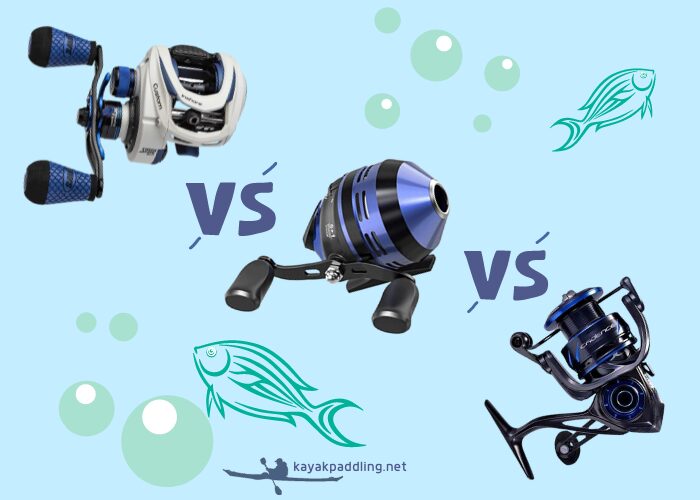
To understand the current market, one must categorize the three pillars of reel technology: the Spinning, the Spincast, and the Baitcasting reel.
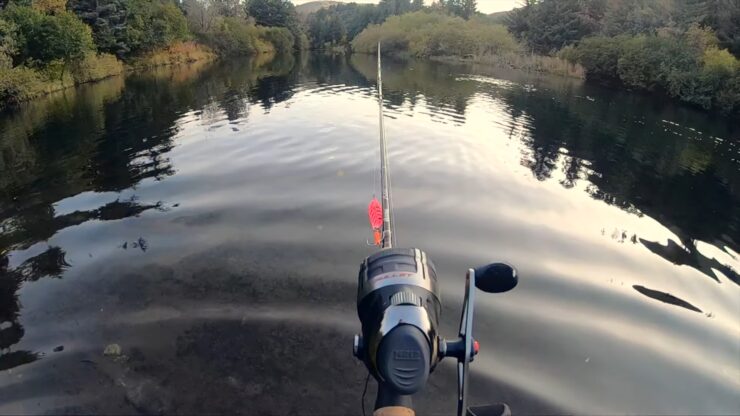
1. The Spincast Reel: The Beginner’s Foundation
Often dismissed by purists, the spincast reel remains the most intuitive tool for those new to the sport. Its design is essentially a "closed" system. Because the spool is covered, the mechanical complexities—such as the bail arm found on spinning reels—are eliminated. This prevents the common "bird’s nest" tangles that plague beginners. However, this simplicity comes at a cost: limited line capacity and a lack of the high-end drag precision required for competitive angling.
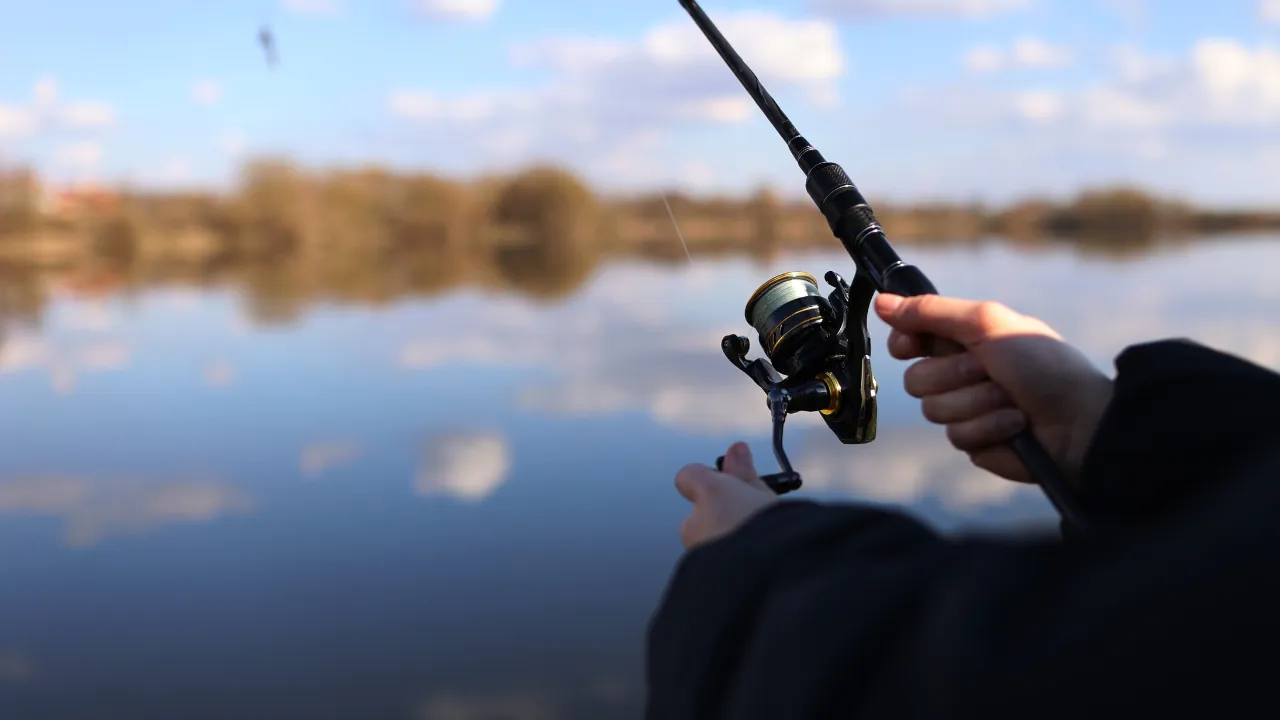
2. The Spinning Reel: The Universal Workhorse
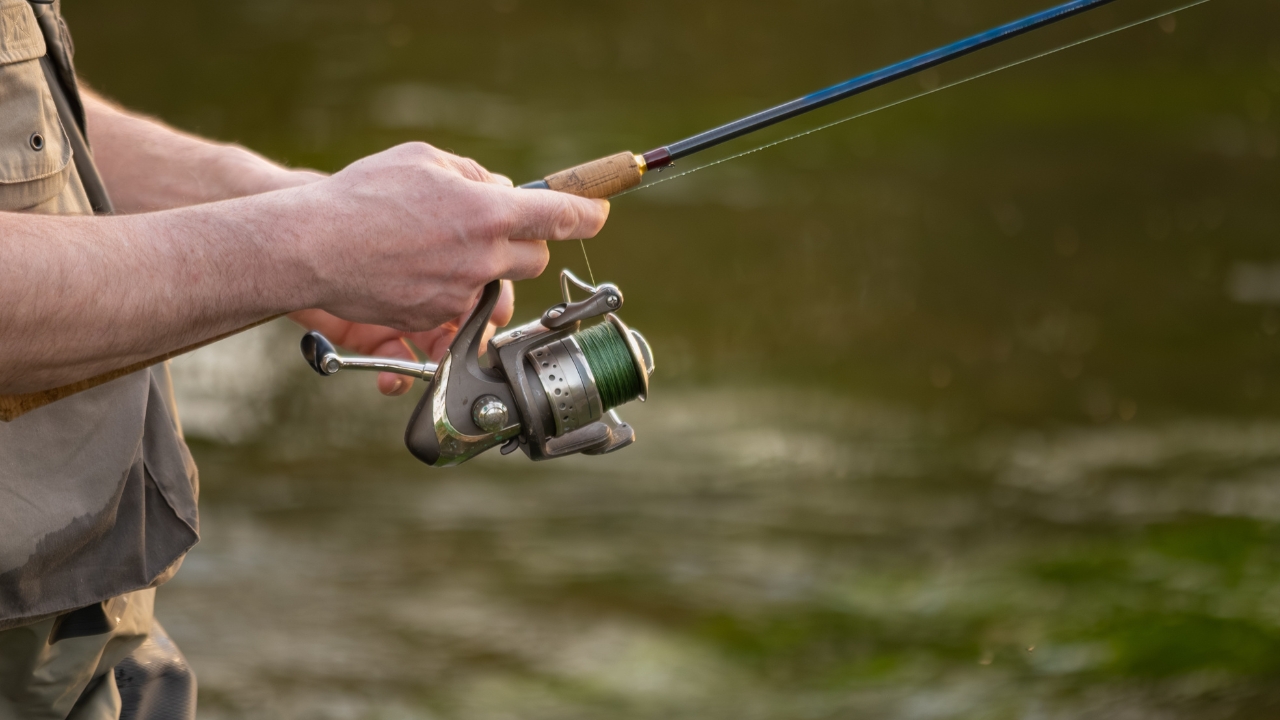
The spinning reel is perhaps the most versatile instrument in an angler’s arsenal. Mounted beneath the rod, the reel utilizes an open-faced design where the line spirals off the spool. This configuration allows for exceptionally long, light-weight casts, making it the preferred choice for finesse fishing with light lures, small jigs, and soft plastics. Its ability to handle thin-diameter lines with minimal friction makes it a staple for freshwater species like bass, trout, and panfish.
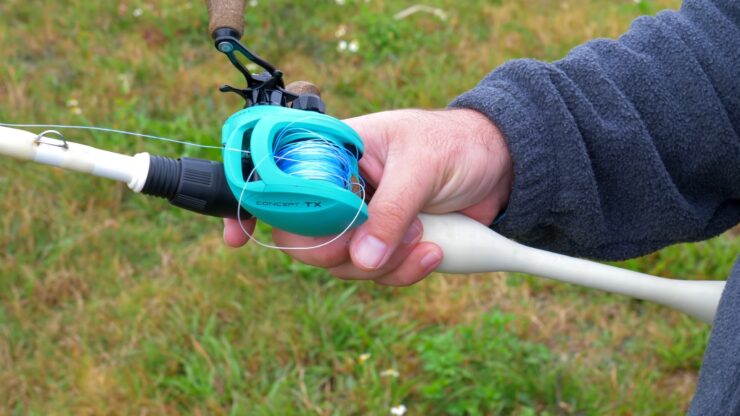
3. The Baitcasting Reel: The Professional’s Tool
The baitcasting reel is the pinnacle of mechanical precision. Unlike the other two types, the spool on a baitcaster rotates as the line is released. While this provides unparalleled accuracy and power, it requires a "trained thumb." The angler must manually apply tension to the spool to prevent it from spinning faster than the line is leaving, which would otherwise result in a massive backlash. With practice, however, the baitcaster offers the angler total control over the lure’s trajectory.
Supporting Data: Mechanical Performance Metrics
Choosing the right gear is not merely a matter of preference; it is a calculation of physics.
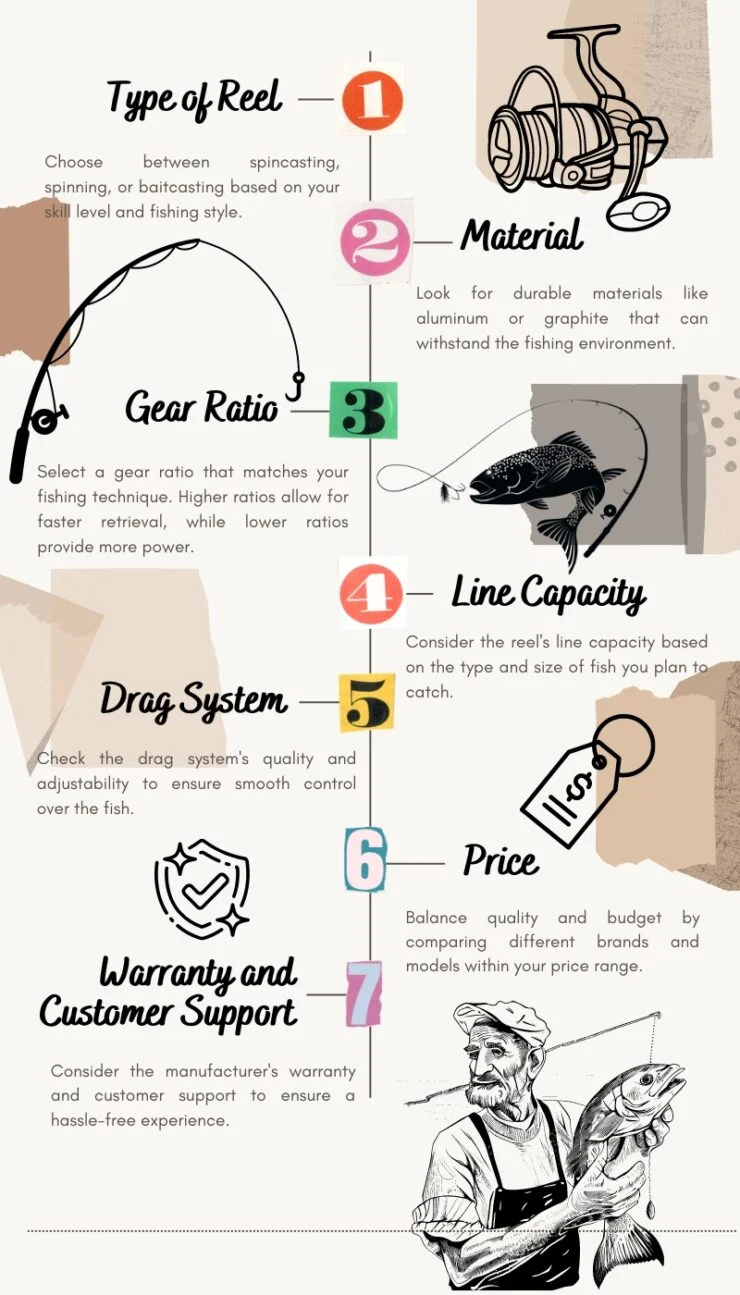
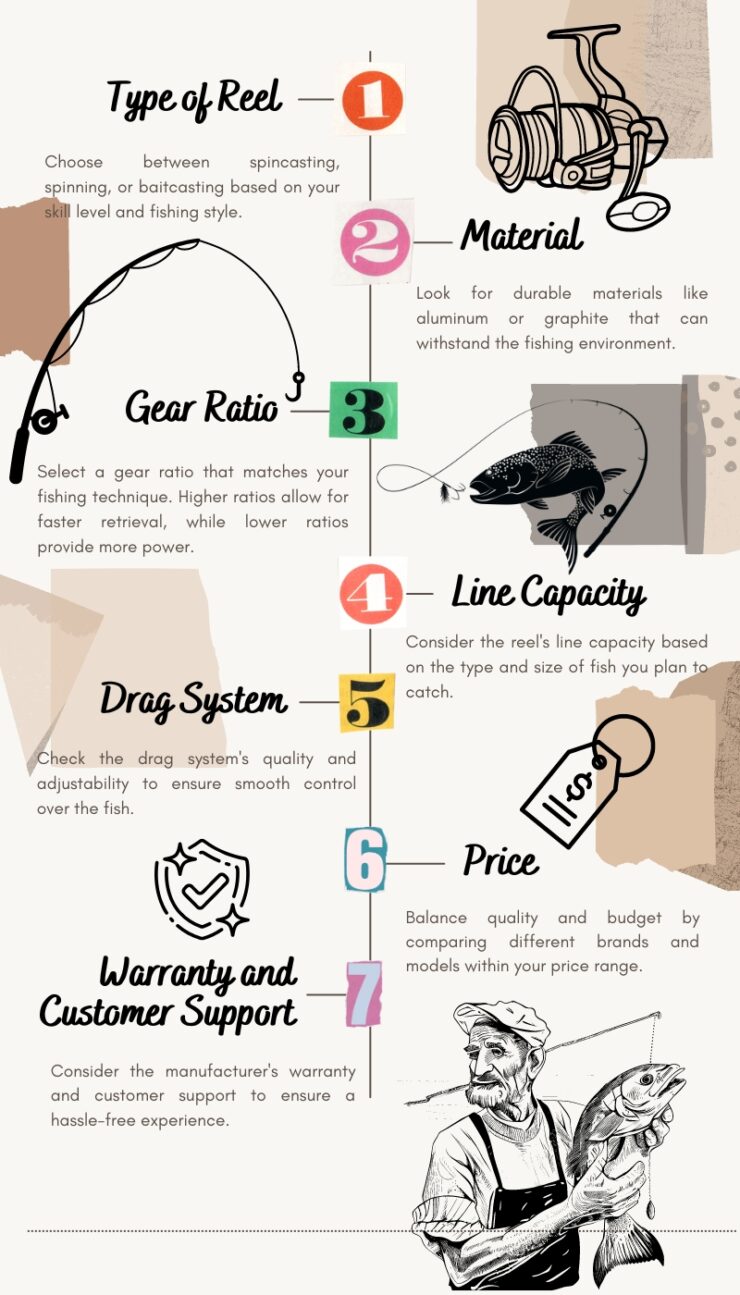
- Gear Ratios: The gear ratio—often expressed as 6.2:1 or 8.1:1—determines the speed of line retrieval. A high gear ratio is essential for "power fishing" techniques where lures need to be moved quickly through the water column to trigger reaction strikes. Conversely, lower gear ratios provide more torque, which is necessary when fighting large, stubborn fish that require heavy-duty winching.
- Line Capacity: Spinning reels generally dominate in line capacity, with models capable of holding hundreds of yards of monofilament or braid. Baitcasters, while smaller in spool diameter, are often built to handle higher-test lines, making them suitable for the heavy-duty demands of saltwater environments.
- Durability and Material Science: Modern reels are constructed from advanced composites—graphite for weight reduction and sensitivity, and aluminum alloys for rigidity and strength. High-end models now feature shielded stainless steel bearings, which are crucial for preventing corrosion in harsh marine environments.
Official Perspectives: Expert Consensus on Application
According to professional guides and industry experts, the "best" reel is entirely dependent on the ecosystem and the target species.
"The baitcaster is a scalpel, whereas the spinning reel is a Swiss Army knife," says veteran angler Adelaide Gentry. "You use the baitcaster when you need to drop a lure into a six-inch pocket of water behind a fallen tree. You use the spinning reel when you need to cover water efficiently and don’t know what the conditions will throw at you."
Industry manufacturers have responded to these diverse needs by integrating automatic braking systems and magnetic drag adjustments into baitcasting reels. These technological "safety nets" have made baitcasters significantly more approachable for intermediate anglers who previously found the learning curve too daunting.
Implications for the Modern Angler
The choice of reel dictates the entire fishing experience. Using the wrong tool for the job can lead to frustration, mechanical failure, or a lost catch.
The Cost of Incompatibility
- Backlash Risk: If you attempt to use a heavy-duty baitcaster for ultra-light finesse fishing, you will likely encounter constant backlashes. The spool’s inertia will be too high for the light lure to overcome, leading to frustration.
- Drag Failure: Using a light-duty spincast reel to battle large, aggressive predatory fish often leads to burnt-out drag systems. The lack of cooling mechanisms in smaller, plastic-heavy reels means they cannot withstand the sustained heat of a long, powerful fight.
- Versatility Limitations: While the spinning reel is the most versatile, it does have a ceiling. When fishing heavy cover, such as thick lily pads or flooded timber, the structural design of a baitcasting reel provides the necessary torque and direct-drive power to haul fish out of the debris before they can snag the line.
Maintenance and Long-Term Care
Regardless of the price point, the longevity of a reel is directly proportional to the quality of maintenance it receives.
- Post-Trip Rinsing: Especially in saltwater environments, a light freshwater rinse is mandatory to prevent salt crystallization, which can seize internal gears.
- Lubrication Cycles: Reels should be opened and lubricated at least once per season. High-quality synthetic oils should be applied to the bearings, while marine-grade grease is required for the main drive gears.
- Line Management: Monofilament line has a "memory" and should be replaced annually. Braided line, while more durable, should be inspected for fraying near the lure connection, as even minor damage can lead to a snap-off during a critical catch.
Conclusion: Matching Gear to Ambition
The art of angling is a balance between the mechanical efficiency of your gear and the intuition of the angler. While the spincast reel offers a gentle entry point, the spinning reel provides the versatility required for daily, varying conditions, and the baitcaster serves as the ultimate instrument for those who demand surgical precision.
By understanding the historical context, the mechanical nuances, and the practical applications of these three reel types, you are better equipped to make an informed decision. As you progress in your fishing journey, don’t be afraid to branch out and master each type. Each reel adds a new dimension to your capabilities, ensuring that no matter the water or the species, you have the right tool to bring your catch to the boat. Remember: technology is the assistant, but experience—gained through countless hours on the water—is the ultimate key to success.