When the mention of "ghosts" arises in the context of the natural world, the human mind often drifts toward the supernatural. Yet, beneath the surface of the world’s lakes and rivers glides an entity that captures the imagination of scientists and anglers alike: the Ghost Carp (Cyprinus carpio). Far from a spectral apparition, this fish is a masterclass in biological engineering, a captivating hybrid that has become a point of contention in environmental management and a trophy of immense prestige in the sport of angling.
Main Facts: Defining the Ghost Carp
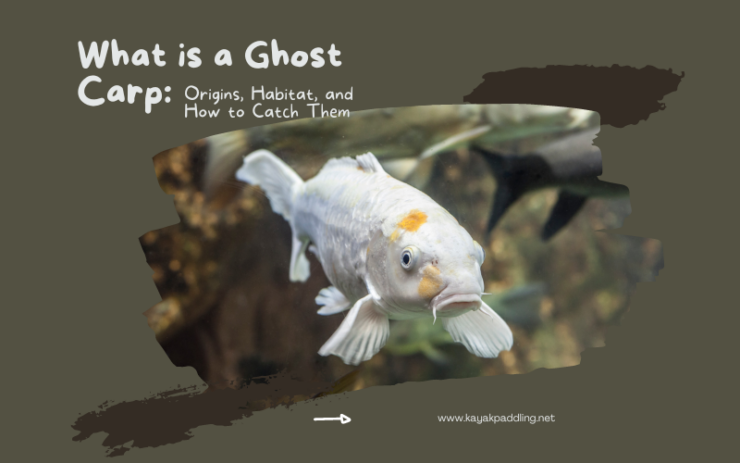
The Ghost Carp is not a distinct species in the taxonomical sense but rather a highly specialized ornamental variant of the common carp. It is biologically identical to the Nishikigoi (Koi) and shares the same genetic lineage as the hardy Eurasian common carp.
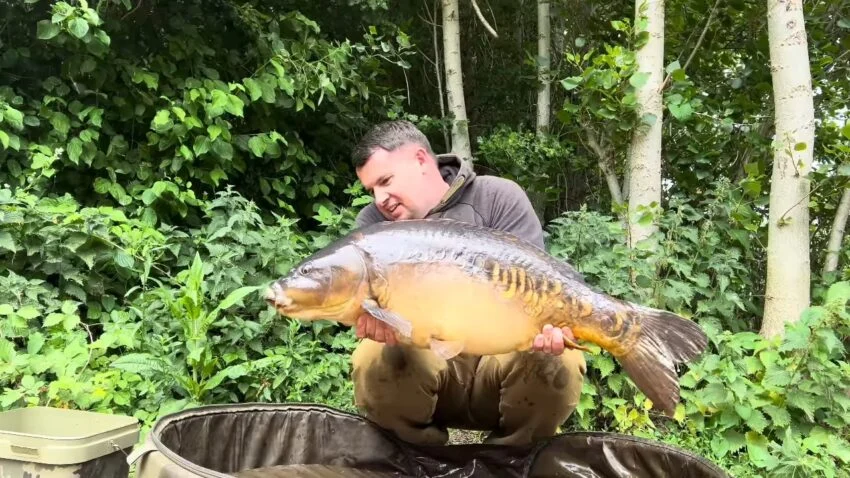
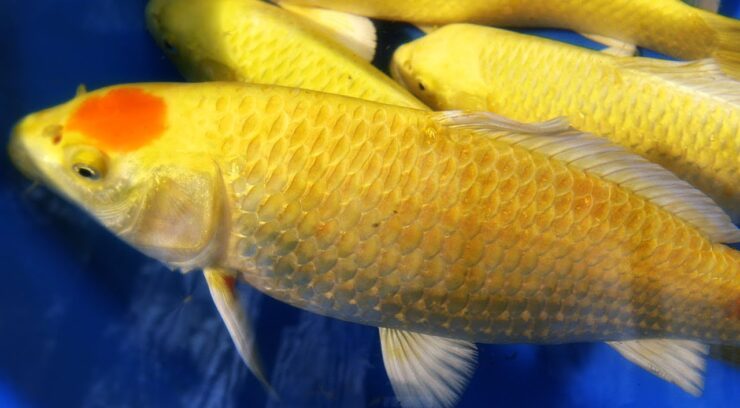
What separates the Ghost Carp from its relatives is its aesthetic profile. Characterized by a robust, torpedo-shaped body, these fish exhibit a haunting, iridescent sheen. Their heads and scales are often adorned with metallic gold, silver, or platinum highlights, caused by dense concentrations of crystalline purine cells. These cells reflect light in a way that allows the fish to seemingly vanish or "ghost" into the murky depths of a lake—a trait that provides both camouflage and a legendary status among those who track them.
Quick Reference Specifications
| Attribute | Specification |
|---|---|
| Scientific Name | Cyprinus carpio |
| Average Weight | 6–15 lb (2.7–6.8 kg) |
| Maximum Weight | 94 lb (42 kg) |
| Average Length | 18–26 inches (45–65 cm) |
| Maximum Length | 48 inches (120 cm) |
| Lifespan | 9–45 years |
A Chronology of Creation: The Origins of a Hybrid
The history of the Ghost Carp is relatively brief, tracing its origins back to the 1980s. While common carp have been cultured in Asia and Europe for centuries for food and, more recently, for ornamental purposes, the Ghost Carp was a deliberate experiment in aesthetic breeding.
An innovative fish farmer, seeking to combine the rugged, rapid-growth characteristics of the mirror or common carp with the stunning visual appeal of the metallic Yamabuki Ogon Koi, successfully crossbred the two. The result was a fish that possessed the strength and vitality of a wild carp but carried the shimmering, otherworldly mantle of the Koi.
Because this breed emerged through recent human intervention, it sits in a peculiar position within the pisciculture world. Traditional koi purists often view the Ghost Carp as a commercial "shortcut" or a non-pedigree variant, while sport anglers view them as the ultimate evolutionary upgrade—a fish that is as beautiful as it is difficult to outsmart.
Supporting Data: Behavior and Environmental Adaptation
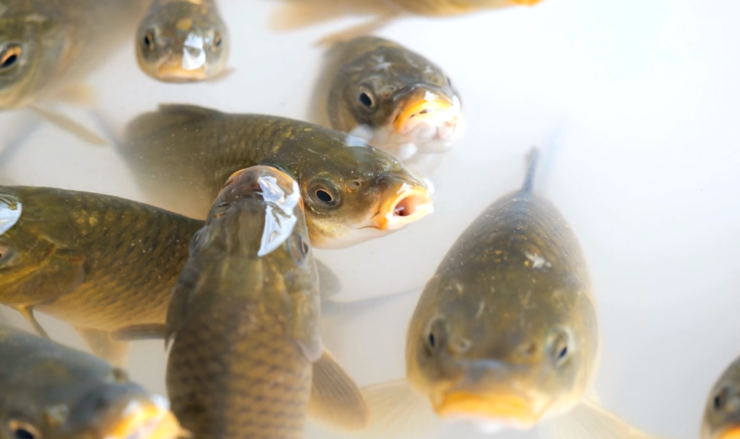
The Ghost Carp is a biological survivor. It is capable of thriving in water temperatures ranging from a frigid 3°C to a sweltering 30°C. They are highly efficient at extracting oxygen, even in water with low saturation levels, allowing them to occupy habitats that would be lethal to more sensitive species.
Dietary Habits: The "Freshwater Pig"
Ghost Carp are opportunistic omnivores, often referred to by biologists and anglers as "freshwater pigs." Their bottom-feeding behavior is a defining characteristic. Using sensitive barbels located around their rubbery lips, they scour the lakebed for insect larvae, mollusks, crustaceans, and detritus.
In nutrient-rich (eutrophic) waters, their feeding efficiency is alarming. A single mature Ghost Carp can consume a significant volume of organic matter daily. While this helps regulate certain weed populations, it also leads to the "uprooting" of aquatic flora, which creates higher water turbidity. As the fish churns up the mud, light penetration is reduced, inhibiting the photosynthesis of submerged plants and disrupting the localized food web.
Reproduction Cycles
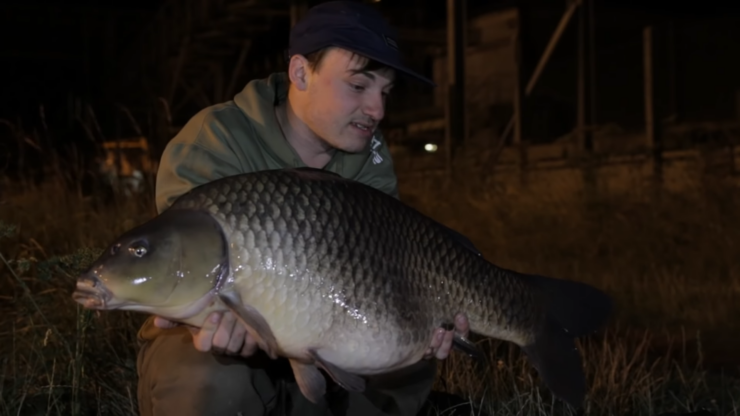
Sexual maturity for the Ghost Carp is typically reached between the ages of two and three. Breeding is triggered by water temperatures between 16°C and 22°C. A single female can deposit hundreds of thousands of eggs in a single season, which are then attached to aquatic vegetation. Notably, these fish provide no parental care, relying on the sheer volume of offspring to ensure the survival of the population.
Official Responses and Ecological Implications
The presence of Ghost Carp in public waterways has sparked significant debate between conservationists and the angling community.
The Invasive Species Challenge
In North America and parts of Australia, the introduction of non-native carp species—including wild relatives of the Ghost Carp—has been met with strict regulatory action. The primary concern is that these fish act as an invasive force, outcompeting native species for resources. Furthermore, they are known vectors for diseases such as Koi Herpesvirus (KHV), which can devastate local fish populations.
Government agencies often implement:
- Physical Barriers: Installing electric or structural fences in waterways to prevent migration.
- Commercial Harvesting: Funding large-scale netting operations to reduce population density.
- Public Awareness Campaigns: Educating the public on the dangers of releasing ornamental fish into local ponds or rivers.
The Angling Perspective
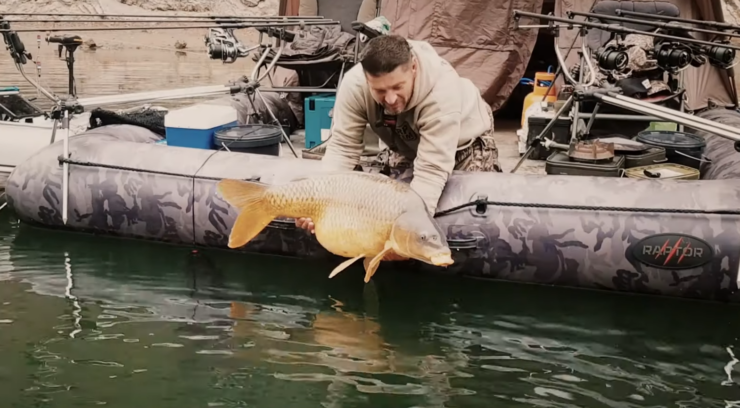
Conversely, in the United Kingdom and much of Europe, Ghost Carp are managed as prized assets in private fisheries. Because they are notoriously difficult to catch—displaying a level of caution and intelligence that exceeds many other freshwater fish—they drive significant economic activity in the sport-fishing sector. For these fisheries, the Ghost Carp is not an invasive pest but a "high-value" commodity that requires careful stocking and health monitoring to ensure the longevity of the population.
The Art of the Catch: Navigating the Ghost
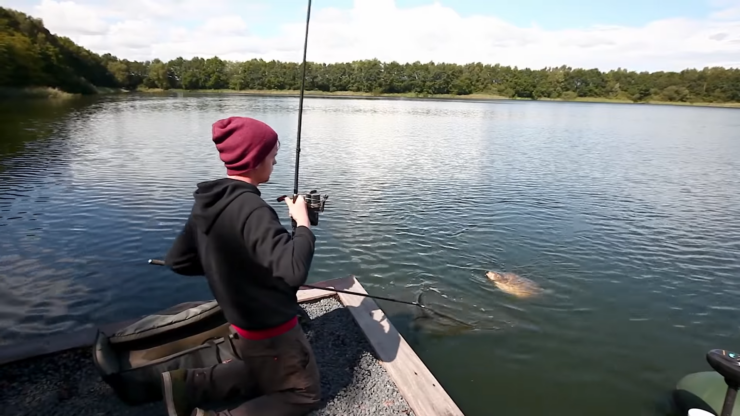
For the angler, the Ghost Carp is a test of patience and technique. Because they are "intelligent" feeders, they are rarely caught by accident.
Strategies for Success
- Spot Selection: Focus on areas with soft sediment, water lilies, or underwater structures where the fish feel secure. They are cautious, so finding them often requires a quiet, stealthy approach.
- Bait Diversity: While they are omnivorous, they show a preference for high-protein pellets, sweetcorn, maggots, and even flavored luncheon meat. Bringing a variety of baits is essential, as the fish can be picky depending on the water’s natural food abundance.
- The "Ghost" Factor: Because their metallic scales act as camouflage, many anglers find that fishing at dawn or dusk—when the light shifts—is the best time to spot their movement near the surface.
Conclusion: A Complex Legacy
The Ghost Carp is a paradox. To the environmentalist, it is a potential threat to biodiversity that requires vigilant monitoring and management. To the angler, it is a magnificent, resilient, and elusive adversary that represents the pinnacle of freshwater fishing.
Ultimately, the Ghost Carp is a testament to human ingenuity in breeding, but it serves as a stark reminder of the responsibility we hold when introducing or managing species in our global waterways. Whether you view them as a "ghost" or a "pig," there is no denying that this hybrid has carved out a permanent, glittering space in the history of aquatic life. As long as they are managed within contained, appropriate environments, they will continue to fascinate those who look into the water and find, for a fleeting moment, a glimmer of silver reflecting back from the deep.
Frequently Asked Questions (FAQ)
Are Ghost Carp dangerous to humans?
No. Despite their size and "ghostly" reputation, they are entirely harmless to humans and do not possess any natural defenses that would pose a threat to swimmers or anglers.
Can I keep a Ghost Carp in an aquarium?
Due to their growth potential—often exceeding two feet in length—they are unsuitable for standard home aquariums. They require large, well-filtered ponds with at least 25 liters of water per fish to ensure their health and comfort.
Why are they called "Ghost" carp?
The name is derived from their metallic scales and skin, which, in murky or dark water, can create an illusion of the fish appearing and disappearing, much like a spirit.
How do I distinguish a Ghost Carp from a standard Koi?
Biologically, they are nearly identical. The distinction is largely commercial; "Ghost" varieties are typically bred for their specific metallic coloration and hardiness as a sport fish, whereas traditional Koi are bred for specific color patterns and heritage in a garden pond context.