Deciding whether you are a “canoe person” or a “kayak person” is more than just a matter of aesthetics—it is a decision that dictates your entire experience on the water. With outdoor recreation experiencing a historic surge in popularity, understanding the nuances between these two vessels has never been more important. Whether you are planning a tranquil weekend on a local pond or a rigorous expedition down a winding river, the vessel you choose serves as the primary interface between you and the natural world.
Main Facts: Defining the Divide
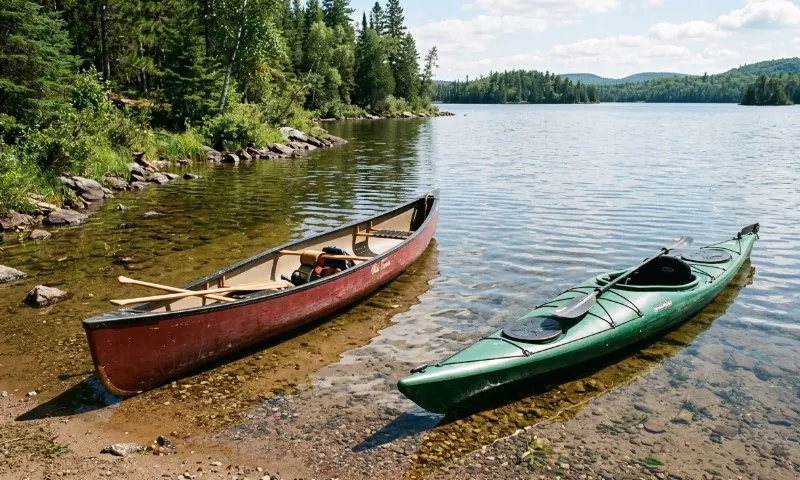
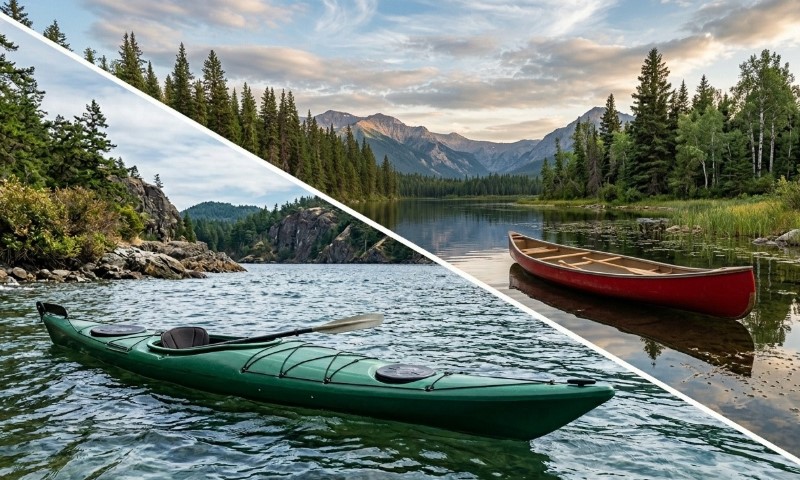
At their core, the difference between a canoe and a kayak lies in design, seating position, and propulsion.
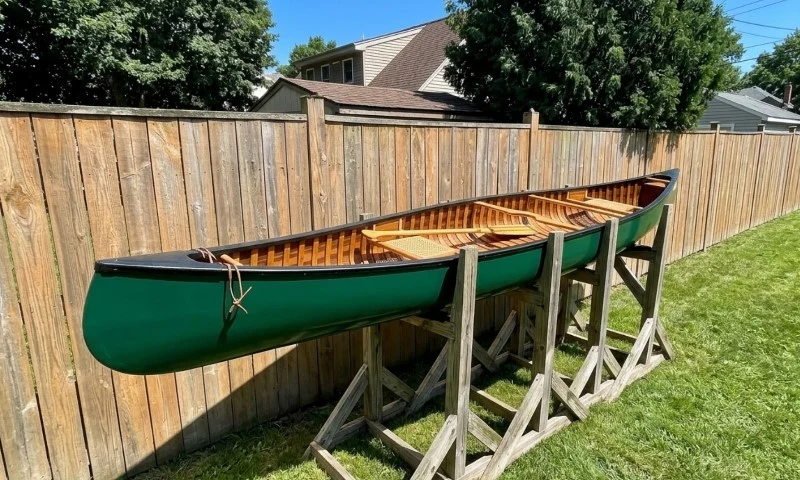
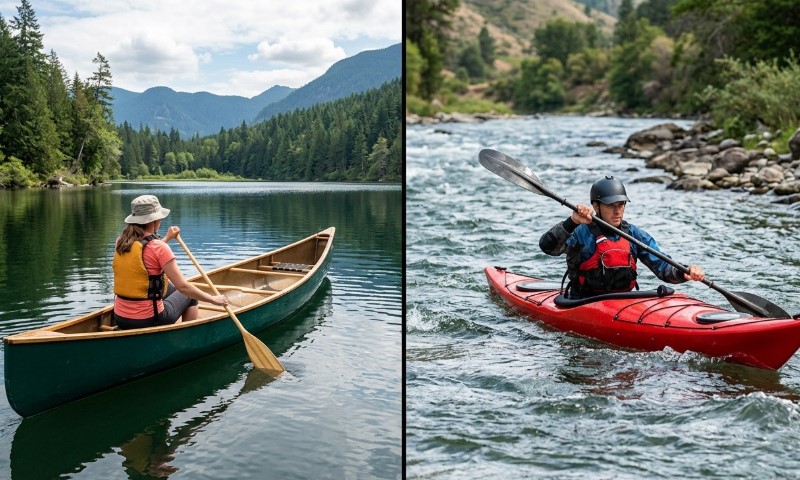
A canoe is defined by its open-top design. It typically features a higher gunwale (the sides of the boat), which offers significant protection from splashing and creates a spacious, cavernous interior. Canoeists generally use a single-bladed paddle and sit on raised benches or kneel on the floor, providing a high vantage point ideal for sight-fishing or observing wildlife.
Conversely, a kayak is characterized by a closed or semi-enclosed deck. The paddler sits low, often with their legs extended forward, using a double-bladed paddle. This design lowers the center of gravity, making the kayak feel like an extension of the user’s body. While modern iterations—such as "sit-on-top" kayaks—have blurred these lines, the core ethos remains: the kayak is designed for efficiency, speed, and maneuverability.
Chronology and Evolution of Paddlesports
The origins of these vessels date back thousands of years, rooted in the survival needs of indigenous cultures. The kayak, traditionally constructed of wood or whalebone frames covered in animal skins, was designed by the Inuit and Aleut peoples of the Arctic as a stealthy, stable vessel for hunting in rough, frigid waters.
The canoe, by contrast, evolved in various forms across the globe, most notably in North America, where birch-bark designs allowed First Nations and early explorers to traverse vast river networks. These vessels were the "utility vehicles" of the wilderness, built to transport entire families, pelts, and survival gear over immense distances.
In the modern era, the mid-20th century saw the introduction of synthetic materials like fiberglass, polyethylene, and later, carbon fiber. These advancements democratized the sport, shifting paddling from a niche survival skill to a mass-market recreational activity. By the 2020s, the "paddlesports boom" transformed the industry, moving from specialized wooden crafts to modular, rotomolded plastic boats accessible to the average consumer.
Supporting Data: The Rise of Water Recreation
The numbers behind the sport are staggering. According to 2024 data from the Outdoor Industry Association, outdoor recreation has reached an all-time high, with over 181 million participants—nearly 60% of the U.S. population—engaging in some form of outdoor activity. Within this group, paddlesports have emerged as a dominant force, claiming roughly 30 million active participants.
| Factor | Canoe | Kayak | Real-World Consequence |
|---|---|---|---|
| Paddle | Single-bladed | Double-bladed | Kayaks are generally easier for solo beginners. |
| Seating | Bench/Kneeling | Low/Legs Forward | Kayaks offer a more "connected" feel to the hull. |
| Deck | Open | Closed/Semi-Open | Canoes load gear faster; kayaks shed wind better. |
| Use | Family/Camping | Touring/Fitness | Trip style dictates choice over personal preference. |
| Wind | High exposure | Low exposure | Kayaks handle breezy lakes with greater stability. |
These statistics suggest that while the growth is broad, the specific demand for specialized gear—such as fishing-ready kayaks with pedal drives or lightweight touring canoes—is driving a multi-billion dollar market.
Official Perspectives: Safety and Regulation
When discussing the choice between these two boats, official bodies—including the U.S. Coast Guard and the National Park Service—emphasize that the "best" boat is the one you are safest in.
The U.S. Coast Guard’s latest recreational boating statistics highlight a sobering reality: a significant portion of boating fatalities are linked to non-motorized vessels. A common oversight is the reliance on life jackets that are stored rather than worn. The National Park Service notes that in cold water or sudden capsizing scenarios, there is rarely time to retrieve a life jacket from under a seat.
Furthermore, the International Canoe Federation (ICF) maintains a strict distinction in competitive sports: kayak athletes compete in a seated position using double-bladed paddles, while canoe athletes compete kneeling, using single-bladed paddles. While recreational users may not adhere to these competitive standards, these definitions provide the foundation for understanding hull design and buoyancy.
Implications: How to Choose Your Vessel
Choosing between a canoe and a kayak is not just about the boat; it is about the "lifestyle" of your trip.
The Case for the Canoe
If your trips involve multiple people, pets, or significant amounts of gear, the canoe is the gold standard. It is the floating equivalent of a pickup truck. The open design allows for quick loading and unloading, and the elevated seating position provides an unparalleled view of the water. For parents with young children, a canoe offers the stability and space required to keep everyone comfortable and engaged. However, the high sides of a canoe act as a sail in high winds, making it difficult for solo paddlers to maintain a straight line in breezy conditions.
The Case for the Kayak
The kayak is the preferred choice for those seeking performance, fitness, or solo independence. Because the paddler is closer to the water, the kayak offers a lower center of gravity and better tracking—the ability to keep the boat moving in a straight line with minimal effort. For those venturing into coastal waters, open lakes, or narrower whitewater sections, the kayak’s agility is superior. Additionally, the sit-on-top kayak has revolutionized casual recreation, offering a "no-fear" entry point for those worried about getting trapped in a cockpit during a capsize.
Practical Considerations: Beyond the Hull
Before making a purchase, potential owners must address the "un-fun" aspects of boat ownership:
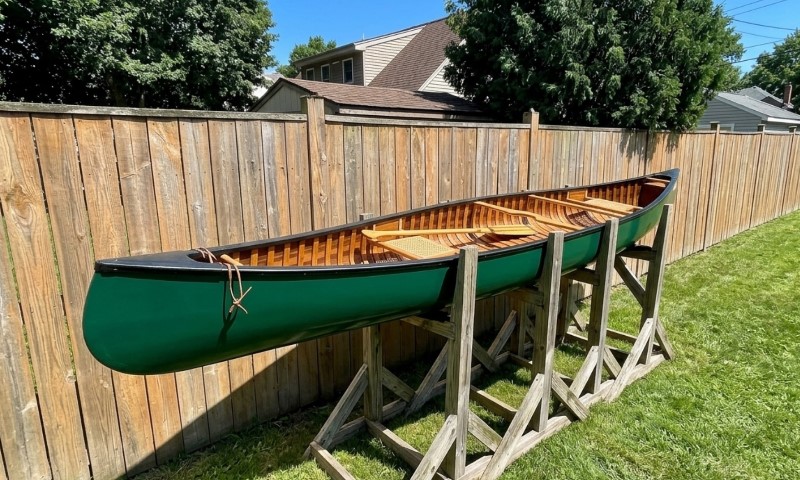
- Storage: Can you store a 16-foot canoe in your garage, or do you need a folding or inflatable option?
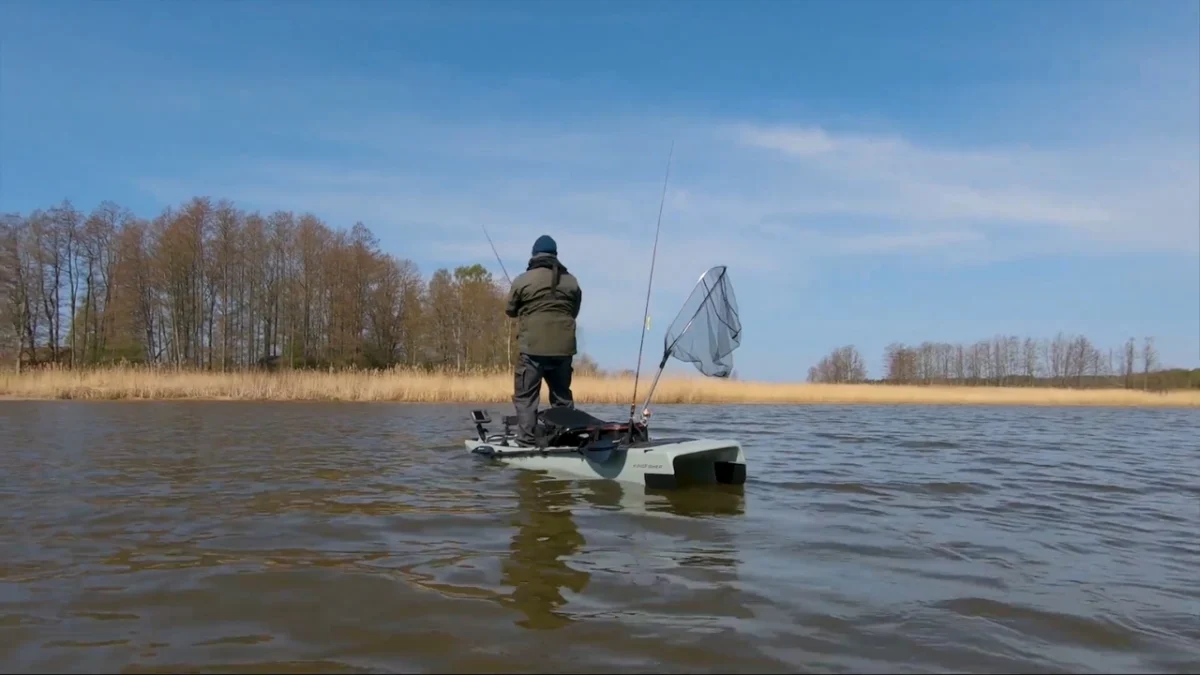
- Transportation: Do you have the roof rack capacity to move a heavy fishing kayak, or do you require a lightweight composite craft?
- Logistics: If you are planning to solo, can you realistically portage your chosen boat from your vehicle to the water’s edge?
- Maintenance: Are you prepared to rinse and store your boat properly, or will it be left exposed to UV damage?
Conclusion: The Best Boat is the One You Use
Ultimately, the debate between canoe and kayak is settled by your specific reality, not your aspirations. A sleek touring kayak is a poor investment if you live in an apartment and only paddle once a year with your family. Conversely, a massive canoe is a burden if your primary goal is a solo, high-intensity workout after work.
Before committing to a purchase, consider renting both types of vessels from a local outfitter. Spend a few hours on the water under different conditions—windy, calm, shallow, and deep. Pay attention to how your body feels, how easy the boat is to steer, and, most importantly, how easy it is to manage when the trip is over.
Whether you opt for the classic, versatile canoe or the sleek, performance-oriented kayak, the primary goal remains the same: getting out on the water, staying safe, and fostering a deeper connection with the outdoors. In an era where digital screens dominate our attention, the simple, rhythmic act of paddling is one of the most effective ways to reclaim your time and reconnect with nature. Choose the boat that lowers the barrier to entry, and you will find yourself on the water more often, which is the only metric that truly counts.