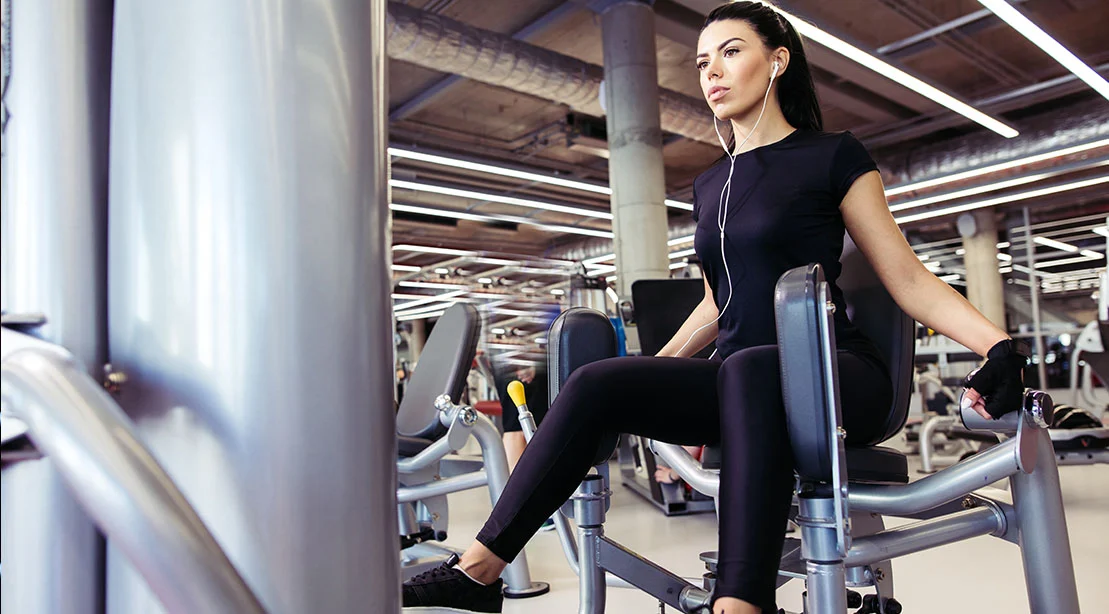
In the ecosystem of the modern gym, the hip adduction machine—often irreverently dubbed the “yes/no machine”—occupies a peculiar social and functional stratum. It is frequently the subject of ridicule, relegated to the corners of weight rooms where it is seen as a vestige of 1980s aerobics culture. Yet, as sports science evolves and the focus shifts toward comprehensive athletic development, this maligned piece of equipment is undergoing a long-overdue professional reappraisal.
To many gym-goers, the machine is perceived through three distinct biases: it is a fixed-path machine (often viewed as "lesser" than free weights), it is dismissed as a remedial tool for rehab, and it suffers from a perpetual lack of social decorum regarding proper gym etiquette. However, a deeper look into biomechanics and exercise physiology reveals that this machine is far more than a tool for "toning inner thighs." It is a legitimate, loadable, and highly effective instrument for developing one of the most powerful and under-appreciated muscle groups in the human body.
The Anatomy of the Adductors: More Than Just "Inner Thighs"
The common parlance of "inner-thigh toning" does a grave disservice to the complexity of the adductor complex. The group—consisting of the adductor longus, brevis, and the massive adductor magnus—is fundamental to human movement.
The adductor magnus, in particular, is a powerhouse. Research published in 2025 indicates that the torque-producing capacity of the adductor magnus for hip extension is more than double its capacity for adduction. This shifts the narrative entirely; the adductors are not merely stabilizers that bring the legs together, but primary movers that assist in the explosive extension of the hip, essential for sprinting, jumping, and squatting.
"The hip adductors represent a massive muscle mass," explains physical therapist Dan Swinscoe. "When you understand that these muscles are functionally vital for pelvic stability and force production, the argument that direct training is ‘pointless’ falls apart."
Why the Machine Catches Flak: A Cultural Critique
The skepticism surrounding the adduction machine is rooted in the current "functional fitness" zeitgeist, which equates effectiveness with complexity. Because the machine is seated and the movement is constrained to a fixed arc, it is often labeled "non-functional."
The Compound-Lift Argument
Critics frequently argue that compound movements like the back squat, deadlift, and wide-stance lunge already recruit the adductors to a sufficient degree. The logic follows that adding direct adduction work is redundant—a "fluff" exercise that offers diminishing returns.
The "Bodybuilding" Stigma
Historically, the machine has been marketed toward aesthetics rather than performance. Its association with high-repetition sets aimed at "spot reducing" fat (an anatomical impossibility) has tainted its reputation. It is viewed as a relic of the bodybuilding era, disconnected from the athletic demands of modern training protocols.
Supporting Data: When Isolation Becomes Innovation
While compound lifts are the cornerstone of strength, isolation exercises serve a critical role in addressing muscular imbalances and building resilience. The research into injury prevention is perhaps the strongest argument for including the adduction machine in a modern program.
Injury Mitigation
A significant body of research, including studies on professional soccer players, has demonstrated that dedicated adductor-strengthening programs can reduce the incidence of groin strains by over 40%. While these programs often emphasize the "Copenhagen side plank," the principle remains the same: stronger adductors lead to more resilient hips.
Just as a bicep curl is not a substitute for a heavy pull-up but is a valuable tool for arm hypertrophy and elbow health, the hip adduction machine serves as an isolation tool to complement, rather than replace, total-body movement.
Professional Perspectives and Expert Analysis
The consensus among modern strength coaches is shifting toward a more pragmatic view. Gareth Sapstead, a renowned strength coach, notes that the machine’s greatest strength is its accessibility. "For the average gym-goer, the barrier to entry for complex, single-leg, or lateral movements is high. The machine is easy to set up, requires minimal technical mastery, and allows for consistent progressive overload."
However, experts like Dr. Justin Farnsworth are quick to provide nuance. "Stronger muscle isolation is still a stronger muscle, but we must acknowledge the machine’s limitations. The adductors do more than just adduct; they stabilize the pelvis in three dimensions. A machine cannot replicate the proprioceptive demands of a Cossack squat or a lateral lunge."
Implications for Your Programming
If the goal is to optimize lower-body development, the hip adduction machine should be viewed as an accessory, not a centerpiece.
Who Should Prioritize It?
- Hypertrophy Enthusiasts: Those looking to build maximum mass in the adductor group.
- Athletes with Imbalances: Individuals who exhibit adductor weakness compared to their abductors or quads.
- Lifters with Recovery Constraints: Those who want to accumulate volume without the systemic fatigue associated with heavy barbell squatting.
Who Should Skip It?
- Time-Crunched Lifters: If you have only 30 minutes to train, your time is better spent on compound movements.
- Individuals with Acute Groin Pathology: While useful for prevention, the machine should be used with extreme caution if an injury is already present.
Implementing the Machine Safely
To derive the most benefit while minimizing the risk of irritation, follow these programming guidelines:
- Placement: Always place this exercise after your primary compound lifts. It is an accessory movement, not a warm-up or a main lift.
- Volume: Aim for 2 to 4 sets of 12 to 25 repetitions. High-volume, controlled sets are generally safer for joint health in this specific movement.
- Progression: Utilize simple progressive overload. Increase the weight only when you can complete all repetitions in all sets with a controlled, pause-based tempo.
- Tempo: Avoid the urge to slam the weight plates together. Use a 2-second squeeze at the point of maximum contraction to maximize motor unit recruitment.
The Verdict: A Tool, Not a Crutch
The hip adduction machine is neither a miracle cure for leg growth nor a useless piece of gym junk. It is a tool—a specific instrument designed to address a specific anatomical region. Its reputation problem stems from a misunderstanding of its purpose. It is not meant to replace the squat or the deadlift; it is meant to provide a low-fatigue, high-stability environment to directly challenge a muscle group that is frequently neglected during traditional leg training.
By integrating it alongside more "functional" exercises like lateral lunges and Copenhagen planks, lifters can ensure they are building a complete, resilient, and powerful lower body.
Ultimately, the "yes/no" machine remains a testament to the fact that in the gym, as in life, utility often hides behind a veneer of social stigma. If you can get past the awkward positioning and the outdated reputation, you might find that it provides the exact missing link your leg training program needs. And if you still feel self-conscious? Just focus on the set, keep your eyes on the horizon, and remember that even the most elite athletes need to isolate their adductors eventually.