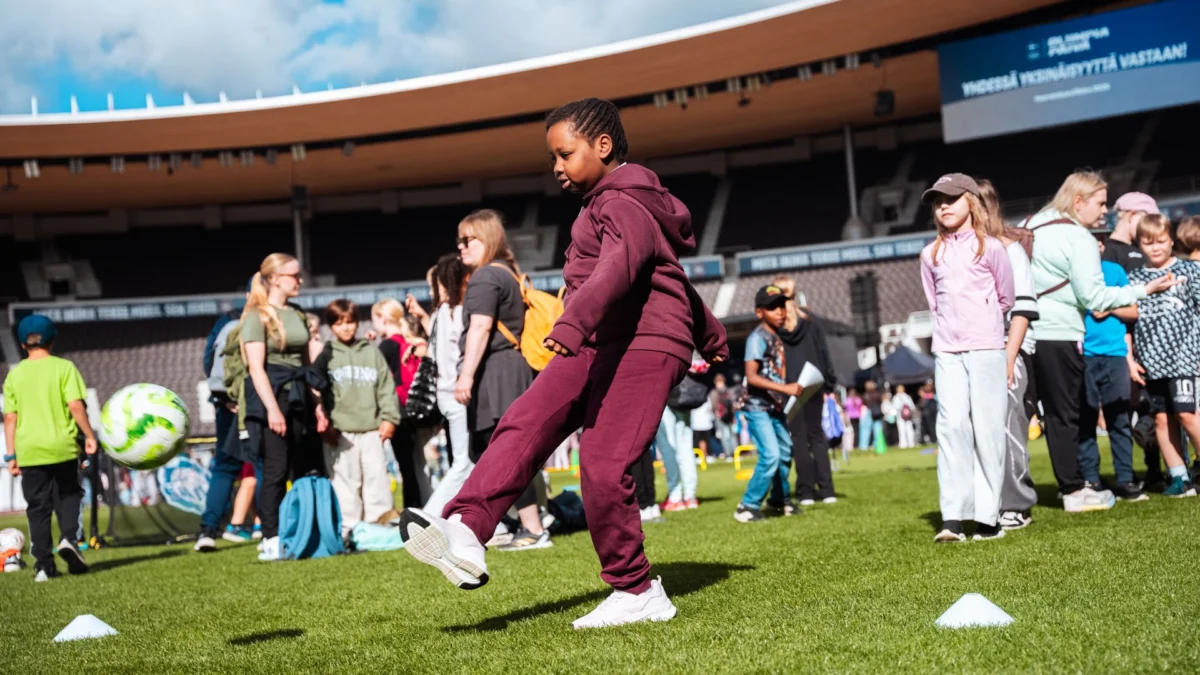
On September 4, 2026, the legendary Helsinki Olympic Stadium became more than just a monument to sporting history; it became a living, breathing laboratory for movement. With 8,000 visitors streaming through its gates, the Finnish Olympic Committee’s annual Olympiapäivä (Olympic Day) served as a massive, high-energy catalyst for physical activity, inviting citizens of all ages to step out of their comfort zones and into the world of sport.
Under the bright late-summer sun, the stadium floor and surrounding concourses were transformed into a sprawling playground, featuring nearly 40 different athletic disciplines. From traditional favorites to niche activities, the event was meticulously designed to strip away the barriers that often prevent individuals from pursuing new hobbies.
The Pulse of the Event: A Chronology of Engagement
The day began early, as thousands of schoolchildren arrived as part of their formal curriculum. For many, this was their first opportunity to engage with sports they had previously only seen on television or heard about from peers.
The Morning Session: The School Invasion
By mid-morning, the stadium was humming with the energy of over 6,000 students. Moving in coordinated groups, children from the Helsinki metropolitan area navigated between stations. The atmosphere was one of structured chaos—a joyful cacophony of whistles, cheers, and the thud of balls against various surfaces. This segment of the day was crucial; by integrating the event into the school day, the organizers ensured that participation was equitable, reaching children regardless of their socioeconomic background or prior access to sports equipment.
Midday: Interactive Workshops and Skill Acquisition
As the clock ticked past noon, the focus shifted from pure exploration to skill development. Experts, coaches, and local club representatives held "mini-clinics" at each station. Whether it was learning the footwork of fencing, the balance required for gymnastics, or the tactical thinking behind floorball, attendees were not just observing; they were doing. Thousands of "micro-moments"—the literal trial of a new sport—occurred every hour, creating a tangible sense of accomplishment that radiated throughout the venue.
Afternoon: Community and Connection
As the school groups departed, the event opened fully to the general public. Families, retirees, and fitness enthusiasts mingled on the tracks and fields. The late afternoon was characterized by a sense of community. This segment of the day highlighted the "Together Against Loneliness" (Yhdessä yksinäisyyttä vastaan) theme, which served as the cornerstone of this year’s National Hobby Week. The event proved that sports are not merely about cardiovascular health; they are a vital antidote to social isolation.
Supporting Data: By the Numbers
The success of the 2026 Olympiapäivä is best understood through the metrics of engagement:
- Total Attendance: 8,000 visitors.
- Student Participation: Over 6,000 students from local schools, underscoring the event’s role in public education.
- Sporting Diversity: Approximately 40 unique disciplines were showcased, ranging from team sports to individual combat and artistic disciplines.
- Organizational Reach: The event was the culmination of a massive collaborative effort involving the Finnish Olympic Committee, the City of Helsinki, the Olympic Stadium management, and the "Tahto" Center for Sport and Physical Culture.
These figures illustrate a significant shift in how sporting bodies are approaching grassroots development. Rather than waiting for potential athletes to find them, the Olympic movement is bringing the "taster session" directly to the people.
Official Perspectives: The Philosophy of Participation
The impact of the day was underscored by key figures in Finnish sports policy, who emphasized that the goal was never just one day of fun, but a permanent shift in lifestyle habits.
Liisa Ahlqvist-Lehkosuo: The Psychology of "The First Step"
Liisa Ahlqvist-Lehkosuo, Sports Director at the Finnish Olympic Committee, provided insight into the event’s underlying strategy:
"We wanted to make Olympiapäivä a place where trying something new is easy and where people feel comfortable showing up exactly as they are. When diverse sports, people, and communities meet, the potential for inspiration grows. We believe this event reminded everyone that the joy of movement is ignited through shared experiences. We aren’t just teaching sports; we are building confidence."
Tarja Loikkanen: Legacy and Future-Proofing
Helsinki’s Director of Sports, Tarja Loikkanen, spoke to the historical significance of the venue:
"Hosting this at the Olympic Stadium, which is the heart of Finnish sporting history, adds a layer of depth. As we look toward the 75th anniversary of the 1952 Summer Olympics next year, this event proves that the spirit of that era is alive. It’s not just about the medals won decades ago; it’s about the legacy of movement that continues to beat in the hearts of Helsinki residents today."
The Societal Implications: Beyond the Stadium Walls
The implications of the 2026 Olympiapäivä extend far beyond the temporary installations on the stadium track. By normalizing the "trial" phase of a sport, the event addresses the biggest friction point in hobby adoption: the fear of the unknown.
The Role of Sports Clubs as Social Anchors
In modern society, many individuals—particularly the elderly and youth—suffer from varying degrees of social fragmentation. The Finnish Olympic Committee’s messaging was clear: the sports club is an essential social infrastructure. By promoting Tähtiseurat (Star Clubs)—the quality-certified sports clubs in Finland—the committee is pointing attendees toward safe, structured environments where they can find not just a coach, but a community.
The Digital Bridge: Suomisport
One of the most critical elements of the event was the seamless transition from the physical experience to digital accessibility. Through the Suomisport platform, attendees were guided on how to continue their journey. By providing a centralized, user-friendly portal, the event ensured that the excitement generated on the field did not evaporate the moment the participants walked out of the stadium.
Looking Ahead: The Legacy of September 4th
The 2026 Olympiapäivä serves as a blueprint for future sports outreach. It successfully bridged the gap between elite performance and grassroots enjoyment, proving that an Olympic stadium can be just as effective as a community center in fostering public health.
As the organizers look toward the 2027 anniversary celebrations of the 1952 Helsinki Games, the lessons from this year’s event are clear:
- Accessibility is key: By partnering with schools, the event guaranteed a massive, diverse demographic.
- Low-threshold entry: The "try-it-now" approach effectively dismantled the intimidation factor of new sports.
- Collaboration is mandatory: The synergy between corporate partners (such as HK and Jenkki), public entities (the City of Helsinki), and private media organizations (Bauer Media, Ocean Outdoor) created an ecosystem where the message of physical activity reached far beyond the stadium walls.
In conclusion, the 2026 Olympiapäivä was more than a celebration of sport; it was a proactive intervention against the modern epidemic of sedentary living and social disconnection. By turning the spotlight on the pure joy of the "first try," the Finnish Olympic Committee has successfully planted the seeds for a healthier, more active, and more connected generation of Finns. The stadium may have emptied, but the momentum created on that September day will likely ripple through the sports clubs of Finland for years to come.