In a significant move to solidify Finland’s competitive standing on the global stage, Minister of Sport Mika Poutala has unveiled a comprehensive financial package aimed at the nation’s elite winter sports athletes and federations. As the shadow of the Milano-Cortina 2026 Winter Olympic Games looms large, the Ministry of Education and Culture has allocated over €500,000 in direct athlete scholarships and a substantial €2.3 million in high-performance coaching grants.
This infusion of capital represents more than just a line item in the national budget; it is a strategic maneuver designed to professionalize the training environments of Finland’s top-tier athletes, ensuring they have the fiscal security to dedicate themselves fully to their craft.
The Financial Framework: Empowering the Next Generation
The funding structure is divided into two distinct, yet complementary streams: individual athlete scholarships and organizational high-performance grants.
Individual Athlete Scholarships
The Ministry has awarded scholarships to 32 winter sports athletes, categorized into two tiers based on performance metrics and potential. Fourteen elite athletes have been granted €24,000 each, while 18 developing prospects have received €12,000 each. This funding is specifically earmarked to cover the high costs associated with professional-grade coaching, nutrition, specialized equipment, and international travel.
The selection process was meticulous, conducted in close cooperation with the Finnish Olympic Committee. By basing these decisions on the Committee’s expert recommendations, the government ensures that funds are directed toward athletes who demonstrate not only current high-level success but also the trajectory required to podium at future Olympic and World Championship events.
High-Performance Coaching Grants
Beyond the individual level, the Ministry has allocated €2,316,000 to six national winter sports federations. These funds are designed to bolster the structural integrity of national teams. By investing in the "ecosystem" surrounding the athlete—such as better sports science, data analysis, and technical support staff—the government aims to create a sustainable pipeline of talent. This "tehostamistuki" (efficiency support) is a critical pillar in modern sports governance, shifting the focus from individual talent to systemic excellence.
A New Era of Stability: The Two-Year Commitment
Perhaps the most significant development in this announcement is the shift toward multi-year funding cycles. For years, the Finnish sports community has lobbied for longer-term financial certainty to allow athletes to plan their training cycles without the anxiety of annual grant uncertainty.
Minister Mika Poutala addressed this directly during the announcement, noting the paradigm shift:
"The long-standing wish of our athletes for two-year scholarship decisions has now been fulfilled. This allows them to invest in their careers in a comprehensive and long-term manner. When an athlete knows their financial baseline for the next 24 months, they can focus entirely on the physiological and psychological demands of their sport, rather than worrying about the next fiscal year."
This commitment to stability is intended to foster a culture of professionalization, where the athlete’s sole focus is the refinement of their skills. It represents a maturation of Finland’s sports policy, acknowledging that world-class results require world-class logistical support.
Chronology of Support: Building Toward Milano-Cortina 2026
The timeline leading up to this announcement has been marked by a rigorous assessment of the current state of Finnish winter sports.
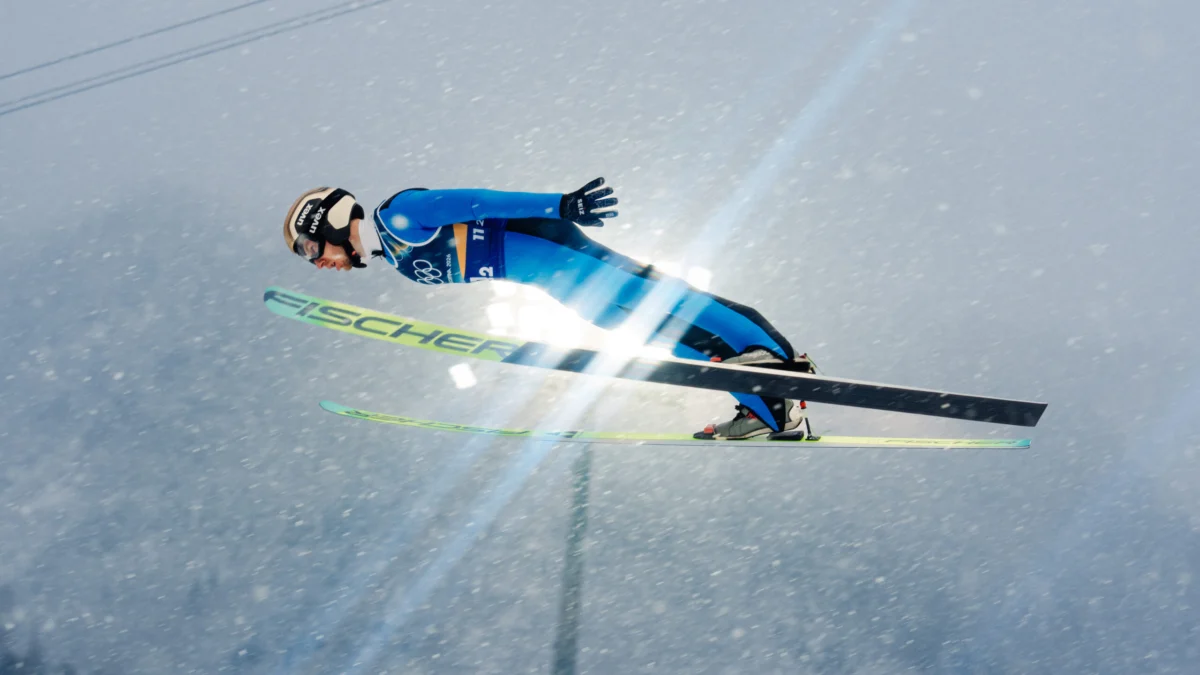
- Early 2026: The winter sports season saw intense competition, including high-profile events where Finnish athletes like Ilkka Herola showcased their prowess under challenging weather conditions. These performances provided the performance data necessary for the Ministry’s review.
- Spring 2026: Throughout the spring, the Finnish Olympic Committee conducted internal audits of the performance levels across various disciplines, ranging from Nordic combined to alpine skiing.
- June 2026: Following the recommendation phase, the Ministry of Education and Culture finalized the distribution of funds. This follows a separate allocation made earlier in the year to 76 summer sports athletes, signaling a holistic approach to supporting the entirety of the Finnish national team, regardless of the season.
- Future Outlook: The current funding cycle positions the beneficiaries to maximize their preparations during the off-season, leading into the critical pre-Olympic season of 2026-2027.
Supporting Data: The Breakdown of Beneficiaries
The diversity of the funding recipients reflects the breadth of Finland’s winter sports identity. The distribution is as follows:
Nordic Combined and Cross-Country Skiing
The Nordic disciplines remain the backbone of Finland’s medal hopes. The scholarship recipients include stars like Ilkka Herola, Eero Hirvonen, and Minja Korhonen, who each received €24,000. In cross-country skiing, established names like Lauri Vuorinen and Arsi Ruuskanen received top-tier funding, reflecting their critical role in the upcoming relay and individual events.
Freestyle, Freeski, and Snowboarding
The "action sports" category saw significant investment, with athletes like Anni Kärävä, Olli Penttala, Jon Sallinen, and Elias Syrjälä receiving the full €24,000 grant. This investment recognizes the growing global importance of these disciplines and their potential for high-impact results.
Technical Disciplines
In alpine skiing, Eduard Hallberg and Nette Kiviranta were identified as the primary recipients, while in biathlon, Olli Hiidensalo secured the top-tier scholarship. The funding also extends to figure skating, where Juulia Turkkila and Matthias Versluis continue to receive support, highlighting the government’s commitment to artistic sports.
The Strategic Implications for Finnish Sports
The implications of this funding package are profound. By professionalizing the athlete’s livelihood, the government is essentially raising the "entry barrier" to high-level competition, ensuring that only those with the highest potential are supported, while simultaneously ensuring that those individuals do not have to work second jobs to afford their equipment.
Professionalization of the Athlete Career
The goal is to move away from the "hobbyist" perception of elite sport. By providing a living wage, the Ministry ensures that an athlete’s training regimen can mirror that of a full-time employee. This is crucial for recovery, nutrition, and mental health—the three pillars of modern elite performance.
Strengthening Federation Capacity
The €2.3 million in high-performance grants will enable federations to hire more specialized staff. In modern winter sports, this includes wax technicians, sports psychologists, and video analysts. By strengthening the federations, the Ministry is ensuring that the "support team" is as well-funded as the athlete, creating a competitive advantage over nations that rely solely on individual talent.
Bridging the Gap Between Summer and Winter
With 76 summer athletes already funded earlier this year, the current allocation to winter athletes creates a unified national policy. It minimizes the perceived gap between sports, ensuring that the Olympic Committee’s resources are allocated fairly across the calendar.
Conclusion: A Clear Path Forward
As the winter season concludes and the focus shifts toward the next Olympic cycle, the Finnish government has provided its athletes with a clear, stable path forward. The combination of individual financial security and systemic federation support is the hallmark of a nation that takes its Olympic representation seriously.
Minister Poutala’s message is clear: Finland is not content to merely participate in the 2026 Games. By investing in the human capital of its athletes and the structural capacity of its federations, the nation is laying the groundwork for a resurgence on the international podium. The athletes, now equipped with the necessary resources, face the daunting task of transforming this fiscal support into athletic glory. The world will be watching as these 32 athletes carry the blue and white flag toward Milano-Cortina.
For further details regarding the distribution of these funds or the criteria for future grants, the public and media are encouraged to contact the Ministry of Education and Culture’s dedicated sports department, headed by Senior Specialist Kari Niemi-Nikkola.