For decades, the weight-loss industry operated on a singular, relentless promise: if you could just master the art of caloric restriction—through a new diet trend, a grueling workout routine, or a disciplined meal plan—the weight would come off. It was a multi-billion-dollar economy built on the premise that willpower, when paired with the right methodology, was the key to physiological transformation.
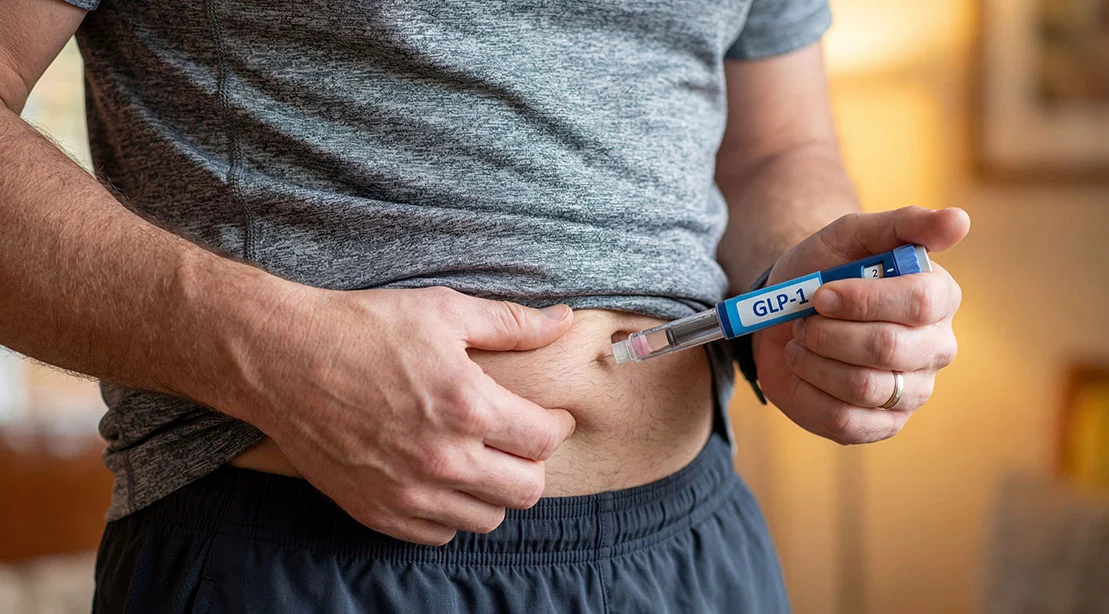
Then came the GLP-1 (glucagon-like peptide-1) receptor agonists. With the clinical arrival of medications like semaglutide and tirzepatide, the conversation has undergone a tectonic shift. By directly modulating the brain’s hunger centers and slowing gastric emptying, these drugs have achieved what years of "lifestyle hacks" could not: consistent, clinically significant weight loss for millions. This has left the traditional diet and fitness sectors at a crossroads, forcing them to answer a difficult question: What is their value proposition when a prescription can do the heavy lifting?
The New Equation: How GLP-1s Changed the Weight-Loss Calculus
At the core of traditional weight-loss programs was the battle against the "biological drive to eat." Whether through intermittent fasting, low-carb protocols, or point-based systems, these programs aimed to make the difficult process of creating a caloric deficit more manageable.
GLP-1 medications have effectively dismantled that narrative. By acting on the hypothalamus—the brain’s appetite-regulation center—these drugs reduce the "food noise" that often sabotages diet plans. A landmark 60-week randomized trial published in the American Journal of Clinical Nutrition in 2026 confirmed this, showing that adults using semaglutide achieved a drastic reduction in caloric intake compared to placebo groups, largely driven by earlier and more profound appetite suppression.
Aimee Dempsey, a registered dietitian, observes that this changes the entire competitive landscape. "GLP-1s make the traditional promise of ‘just eat less’ much less compelling because they can actually change the biological drive to eat less," she says. For the diet industry, which has historically thrived on the difficulty of adherence, this is an existential challenge. If the physiological barrier to eating less is removed, the "secret sauce" of a diet plan suddenly loses its luster.
Chronology of the Shift: From Fad Diets to Clinical Intervention
The rise of GLP-1s did not happen overnight, but the impact on consumer behavior has been rapid.
- 2021-2022: Initial FDA approvals for weight management begin to gain public attention. The fitness and diet industries largely ignore the trend, treating it as a niche medical intervention for those with severe metabolic disorders.
- 2023-2024: Widespread social media adoption and celebrity endorsements move GLP-1s into the mainstream. The diet industry experiences a "wait and see" phase, while fitness influencers begin to notice a drop in gym engagement among those who "no longer need to sweat for the scale."
- 2025-2026: The market reaches a saturation point. Academic literature begins to flood in, such as the systematic reviews in Nutrients and The Lancet, Diabetes & Endocrinology, which solidify the clinical superiority of combined therapy (drugs plus lifestyle) over lifestyle alone.
- The Present: We are witnessing a bifurcation. The industry is moving away from "weight-loss-only" marketing toward a model that emphasizes body composition, metabolic health, and performance.
The Fitness Industry’s Pivot: Beyond the Calorie Burn
For years, the fitness industry leaned heavily on the "burn calories to lose weight" mantra. Classes were marketed by how many calories they torched, and trainers often used weight loss as the primary metric of success. This strategy is now failing to resonate with a public that can achieve the same result via pharmacology.
However, the fitness sector is finding that it has a much stronger, more resilient story to tell. A 2026 scientific statement from the American Heart Association underscored a critical reality: exercise alone is rarely enough to produce clinically meaningful weight loss in sedentary individuals. Yet, the statement emphasized that exercise is non-negotiable for cardiometabolic health.
Dr. Mike Young, a leading expert in human performance, argues that this shift is actually a blessing in disguise for the industry. "Medication can help someone eat less, but it cannot improve their ability to lift, climb stairs, carry groceries, play with their children, or maintain independence as they age," he explains. "Training remains the tool for building and maintaining those capacities."
By decoupling fitness from pure weight loss, the industry is entering an era of "functional longevity." Trainers are increasingly focusing on movement quality, cardiovascular health, and neuromuscular control—outcomes that a shot in the arm simply cannot replicate.
The Hidden Risk: Muscle Loss and the Need for Protein
The rapid weight loss associated with GLP-1s has brought a new set of concerns to the forefront: sarcopenia and the loss of lean tissue. Research published in Diabetes, Obesity, & Metabolism (2026) revealed that between 25% and 39% of weight lost on incretin therapies is lean mass.
This is where the fitness and nutrition industries are finding a new lease on life. Preserving muscle mass during a calorie deficit requires two things that are notoriously difficult for the average person: high-protein intake and consistent resistance training.
"A well-designed resistance-training program gives the body a reason to retain muscle and strength," Dr. Young notes. "Adequate protein provides the nutritional building blocks to support that process, particularly when reduced appetite makes it easy to under-eat."
Nutrition professionals are now pivoting from "cutting" advice to "maintenance" advice. The goal is no longer to see how low the calorie count can go, but how to ensure that the smaller amount of food consumed is nutrient-dense, protein-rich, and supportive of the body’s metabolic engine.
Implications: The Rise of "Pharmaceutical-Adjacent" Industries
The diet industry is not disappearing; it is simply undergoing a "pharmaceutical upgrade." We are seeing a massive market shift toward high-protein, fortified, and nutrient-dense foods designed specifically for the GLP-1 demographic.
According to a 2026 study in Food Policy, consumer willingness to pay for high-protein products has spiked among GLP-1 users. Companies that once marketed "low-calorie, low-fat" snacks are now pivoting to "high-protein, muscle-support" labels. Reuters reports a surge in demand for whey and plant-based protein supplements, as users realize that maintaining muscle requires a proactive, strategic approach to nutrition.
However, access remains a hurdle. A 2026 study in JAMA Health Forum highlighted that inequities in insurance coverage mean many people still do not have access to these medications. This keeps the "traditional" diet industry alive, as they continue to serve a large population that remains focused on old-school, lifestyle-driven weight loss.
Conclusion: A New Era of Health and Wellness
GLP-1 medications are not the "end" of the diet and fitness industries; they are the end of the obsession with rapid weight loss as the primary marker of health. By forcing these industries to prove their value beyond the scale, GLP-1s may actually be leading us toward a healthier, more sustainable approach to wellness.
In this new paradigm, fitness is about capacity and strength, while nutrition is about fueling that capacity. The companies and professionals that survive will be those who stop selling the dream of "quick weight loss" and start selling the reality of better, stronger, more capable human lives. As Aimee Dempsey noted, the fads may be dying, but the need for professional, scientifically backed guidance on how to live well has never been higher.
The industry is no longer competing with a pill—it is now in a position to complement it, ensuring that as people lose weight, they gain life.