The tenth anniversary of Finland’s "SM-viikko" (Finnish Championship Week) has concluded in Espoo, setting a new benchmark for national sporting events. By drawing over 18,000 spectators to the Leppävaara sports park and the Oittaa outdoor area, the four-day festival has solidified its status as the premier multi-sport celebration in the Nordics. For the second consecutive year, the event has broken its own attendance record, signaling a growing public appetite for niche sports and immersive, community-driven athletic experiences.
The Core Facts: A Sporting Extravaganza
The 2026 edition of SM-viikko was nothing short of a sporting "fireworks display." Over the course of four intense days at the transition from July to August, the event hosted national championships for 20 distinct sports. The logistical scale was immense, requiring the coordination of over 3,000 athletes, support staff, and officials.
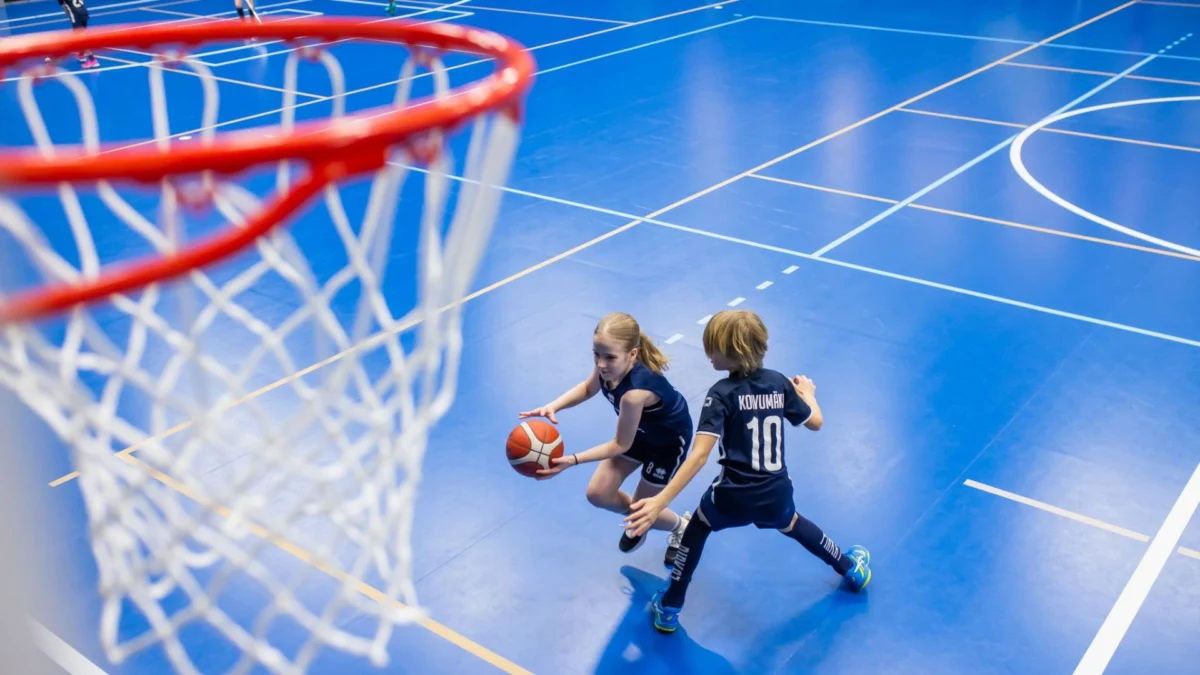
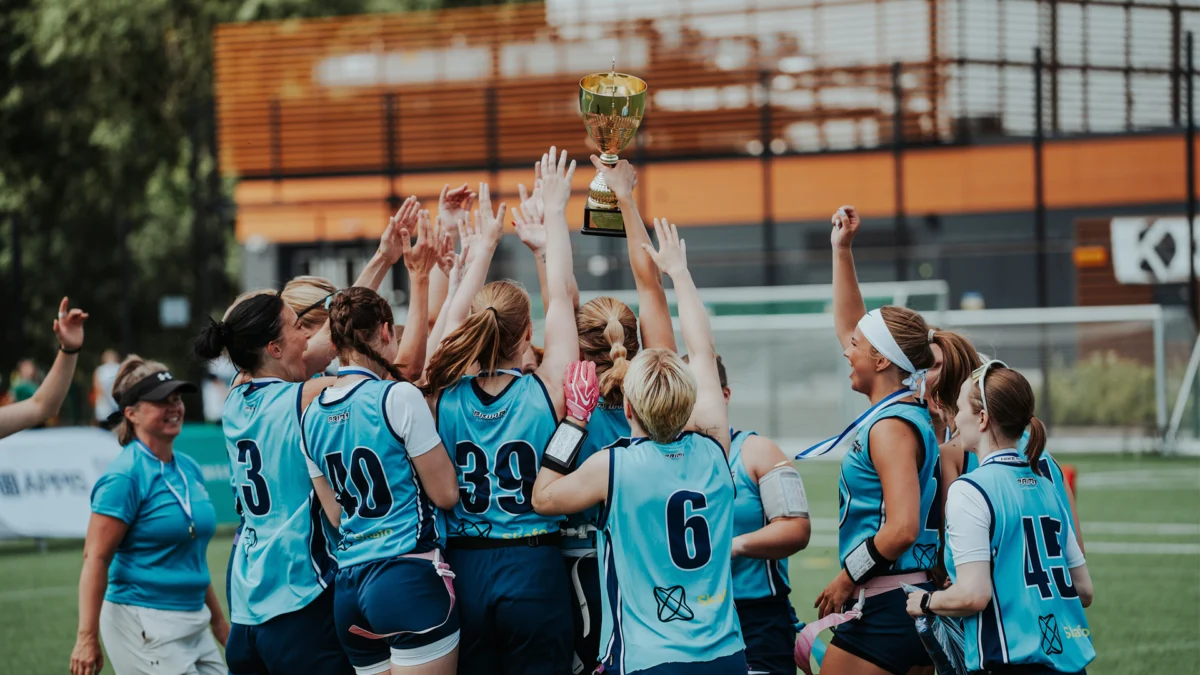
The diversity of the program was the event’s defining feature. Attendees were treated to a spectrum of disciplines that defied conventional categorization. From the adrenaline-fueled heights of motorized paragliding to the strategic intensity of cricket, and from the physical demand of beach water polo to the digital precision of e-sports, the event curated an environment where every type of sports fan could find something to captivate their interest.
Chronology: Four Days of Athletic Achievement
The success of the 2026 event was built upon a rigorous schedule that kept the venues at Leppävaara and Oittaa vibrant from dawn until dusk.
- The Kick-off: The event began with high energy as early-round qualifiers across several disciplines established the competitive tone. The integration of "try-it-yourself" stations meant that the atmosphere was not just one of observation, but of active participation.
- The Mid-Event Surge: By the second and third days, the crowds had swelled. The proximity of the fans to the athletes—a hallmark of the SM-viikko experience—became the talk of the event. Spectators were able to witness the facial expressions, the tactical whispers, and the raw emotion of athletes in real-time, creating a connection rarely found in professional sports.
- The Climax: The final day, Sunday, saw the most significant attendance figures and the most intense broadcast interest. The combination of high-stakes finals and the public’s eagerness to engage in interactive clinics resulted in queues at various activity stations, proving that the festival format is a massive success.
Supporting Data: By the Numbers
The statistical success of SM-viikko 2026 provides a clear roadmap for the future of multi-sport events in Finland. With 18,000 physical attendees and massive digital engagement, the event demonstrated that niche sports, when packaged correctly, have broad appeal.
Television Dominance
The partnership with Yle (the Finnish Broadcasting Company) proved vital. Yle provided comprehensive coverage, broadcasting all participating sports live on Yle Areena and offering daily summaries and recorded broadcasts on TV2. The impact on national viewing habits was profound:
- TV2 Top 20 Penetration: During week 31, twelve of the top 20 most-watched programs on TV2 were SM-viikko segments.
- Triathlon Success: The triathlon sprint final on Sunday evening emerged as the clear leader, capturing an average of 185,000 viewers. Its total reach—defined as viewers who watched at least three continuous minutes—was an astounding 418,000.
- Strength and Power: The kettlebell competition drew a respectable 145,000 average viewers, while the fan-favorite truck pull event maintained its status as a staple of the festival, pulling in 140,000 average viewers with a total reach of 396,000.
These numbers suggest that the "festivalization" of sports—presenting multiple disciplines in a single, high-production-value setting—is a successful strategy for increasing the visibility of lesser-known athletic pursuits.
Official Responses and Reflections
Päivi Harri, the lead producer of SM-viikko, reflected on the emotional and social success of the tenth anniversary.
"The 10th-anniversary celebration was, above all, about warmth, togetherness, and the shared experience of witnessing fascinating sports," Harri stated. "The happy chatter that filled the Leppävaara sports park and Oittaa was testament to the audience’s genuine enjoyment."
Harri emphasized that the secret to the event’s success is its accessibility. "One of the most refined features of SM-viikko is how close the audience gets to the action. In many sports, fans were standing just meters away, watching the expressions and efforts of the athletes. The officials were also incredible, answering questions and explaining the nuances of the sports to curious fans."
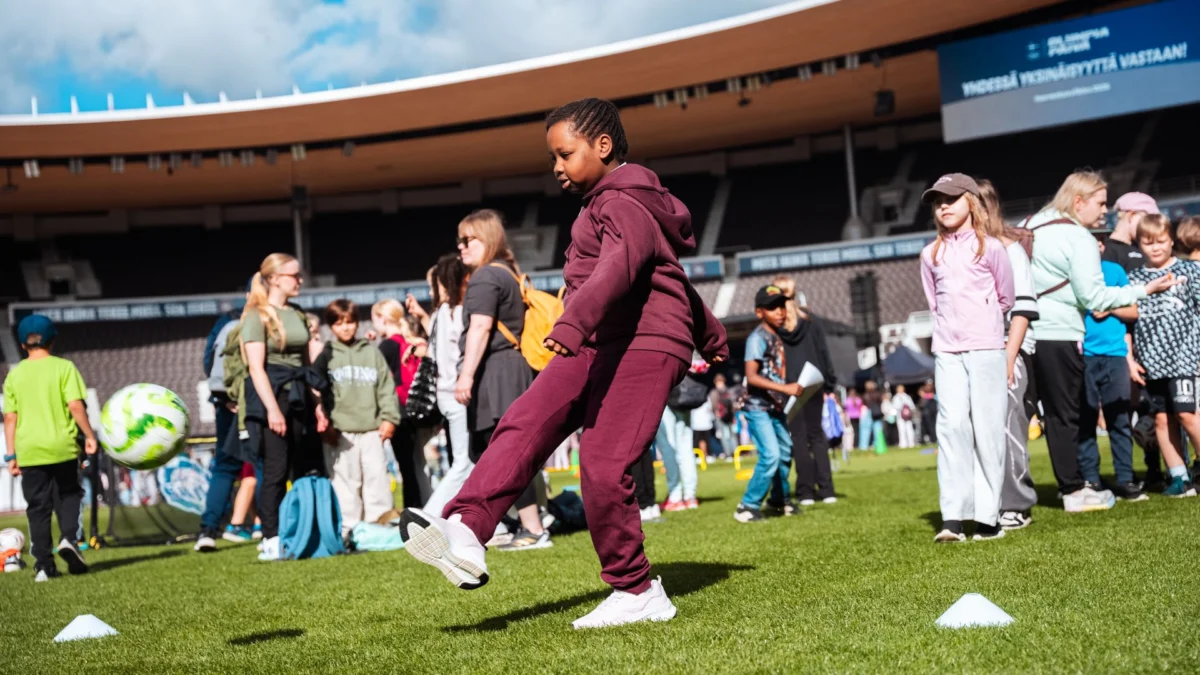
Regarding the interactive elements, Harri noted: "This year, we wanted to go even deeper. Giving the public the chance to try these sports themselves was a turning point. The queues at the try-out stations showed that people don’t just want to watch; they want to feel the sport."
Implications for the Future of Finnish Sports
The success of the 2026 SM-viikko holds several key implications for the Finnish sports landscape.
1. The Power of "Low-Threshold" Participation
The move to encourage fans to try the sports themselves has bridged the gap between passive consumption and active involvement. By demystifying complex or niche sports, SM-viikko has effectively lowered the barrier to entry, which may lead to higher club membership numbers for these federations in the long term.
2. Validating the Multi-Sport Model
Traditionally, sports marketing focuses on "tentpole" events (e.g., individual world championships). SM-viikko proves that a "bundled" model, where smaller sports share the spotlight, can create a total audience reach that exceeds the sum of its parts. The fact that twelve broadcasts from the event dominated the weekly ratings on a major national network is a powerful argument for continued public funding and media support for this format.
3. Regional and Community Impact
Hosting the event in Espoo provided a localized economic and social boost. The infrastructure of the Leppävaara sports park, combined with the scenic outdoor environment of Oittaa, proved that large-scale sporting events do not always require massive, closed-off stadiums. Integrating sports into public spaces increases the visibility of the events to casual passersby, converting non-sports fans into curious spectators.
4. A Legacy of Digital Access
With the competition broadcasts remaining available on Yle Areena for six months, the ripple effect of the event will continue long after the physical structures are dismantled. This creates a lasting digital library of Finnish sports history, ensuring that the athletes’ efforts remain accessible for educational and promotional use well into the winter months.
Conclusion: Looking Toward the Next Decade
As the sun sets on the 2026 festivities, the organizers of SM-viikko have set a standard that will be difficult to match but essential to emulate. By balancing professional-level competition with a festival-like atmosphere, the event has successfully celebrated the diversity of human movement.
The tenth anniversary was not merely a retrospective of the past decade; it was a blueprint for the future. In an era where attention is increasingly fragmented, SM-viikko has proven that there is still a massive, beating heart for community-based, accessible, and inclusive sports. Whether through the lens of a camera on Yle or from the sidelines in Leppävaara, the message of this year’s SM-viikko is clear: when we bring sports together, we bring people together. The success of the triathlon, the strength of the truck pull, and the enthusiasm of the first-time paraglider all point toward a future where Finnish sports are more vibrant, more connected, and more celebrated than ever before.