In the fast-paced world of professional photography, where every second spent adjusting gear is a second lost in the pursuit of the perfect shot, Peak Design has long stood as a disruptor. Known for its innovative approach to everyday carry and camera support systems, the San Francisco-based company has officially entered the next frontier of modular design. On July 21, 2026, Peak Design launched its latest project on Kickstarter: the Field Bracket™, a system designed to solve the age-old frustrations associated with traditional L-brackets.
For decades, the L-bracket has been a staple in the gear bags of landscape, architectural, and studio photographers. It is the essential tool for transitioning between landscape and portrait orientations without compromising the optical axis or stability. However, these tools have historically been static, heavy, and often cumbersome to remove. Peak Design’s Field Bracket seeks to change this, offering a modular, tool-less, and highly adaptable solution that respects the ergonomic needs of modern mirrorless camera bodies.
The Evolution of Camera Support: Main Facts
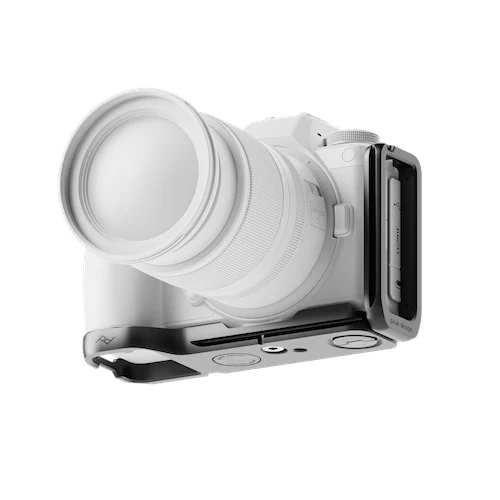
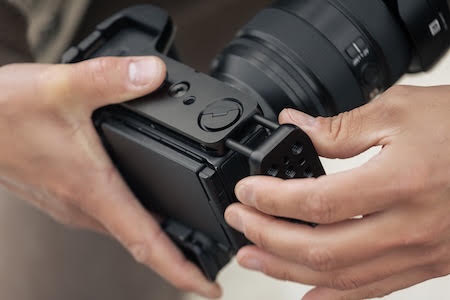
At its core, the Field Bracket is not just a single piece of hardware; it is a foundational ecosystem. The system is built around a precision-machined, camera-specific baseplate forged from recycled aluminum. This ensures a perfect, form-fitting connection to the camera’s chassis, which is critical for maintaining stability during long-exposure photography or high-resolution capture.
The standout innovation is the Field Latch™ mechanism. This proprietary locking system allows photographers to attach or detach the bracket’s vertical upright in seconds. By eliminating the need for hex keys or manual screws, Peak Design has solved the primary pain point of traditional brackets: the "permanent" nature of the attachment.
Beyond its modularity, the Field Bracket offers:
- Adjustable Upright Positioning: The vertical arm can be shifted to provide clearance for cables, enabling seamless tethered shooting without removing the bracket.
- Weight Optimization: By using recycled materials, the design achieves an ideal strength-to-weight ratio.
- Seamless Integration: It maintains full compatibility with the Peak Design Capture ecosystem, existing camera straps, and a vast array of third-party Arca-compatible tripod heads.
A Chronology of Innovation: The Road to the Field Bracket
Peak Design’s journey to this moment has been defined by a constant cycle of iteration. Since the company’s inception, they have focused on "fixing" overlooked problems in the photographer’s workflow.
2010s: Establishing the Ecosystem: Peak Design gained global recognition with the original Capture Camera Clip, which allowed photographers to carry their cameras securely on a belt or backpack strap. This established their reputation for mechanical excellence and user-centric design.
2020-2024: Expanding into Support: The launch of the Peak Design Travel Tripod marked a significant shift. By collapsing the traditional form factor of a tripod, they proved that camera accessories could be both portable and professional. The development of the Field Bracket is a natural extension of this philosophy.
2025: Research and Development: During the development phase, the engineering team interviewed hundreds of working photographers. The common complaint was that L-brackets were often "in the way" when shooting handheld or when access to side ports was required.
July 21, 2026: The Kickstarter Launch: The product officially debuted on the crowdfunding platform, giving early adopters the chance to secure the initial run of plates for various camera bodies. This launch serves as a litmus test for the demand for modularity in professional camera support.
Technical Specifications and Supporting Data
The Field Bracket is designed for the high-performance demands of current-generation mirrorless cameras. While specific compatibility varies by model, the engineering team has prioritized three distinct expansion modules to ensure the system grows with the photographer’s needs:
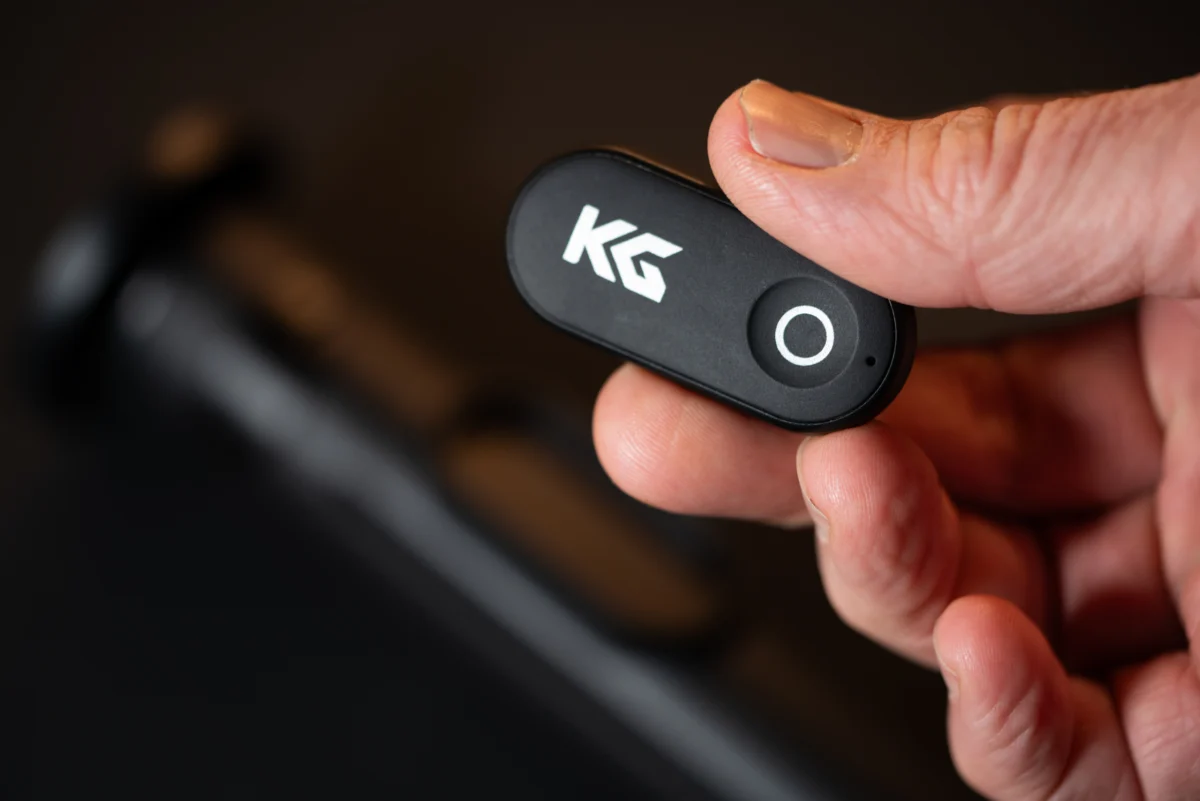
- The Beacon Finder Tag: In an era where professional camera gear represents a significant investment, theft and loss are genuine concerns. The Beacon Finder Tag is the industry’s first tracker housing designed to fit discreetly inside an Arca-compatible plate, providing peace of mind without the bulk of external tags.
- The Cheese Plate Module: For videographers and studio photographers, the upright can be replaced with a specialized "Cheese Plate." This module transforms the camera base into a professional rigging point, featuring 1/4"-20, 3/8"-16, and cold shoe mounts. This allows for the direct attachment of external monitors, microphones, and LED lights, effectively turning the camera into a modular cinema rig.
- Hand Strap Integration: The system includes dedicated attachment points for a hand strap, ensuring that the camera remains secure even when the user is transitioning from a tripod to handheld movement.
Official Responses and Philosophical Alignment
"The best camera accessories disappear into your workflow until you need them," says Peter Dering, Founder and CEO of Peak Design. "That idea shaped every decision we made with Field Bracket. Instead of asking photographers to permanently attach functionality they only use some of the time, we built a system that can transform in seconds while remaining just as rigid and dependable as a traditional L-bracket."

Dering’s statement highlights a fundamental shift in how hardware companies view the "prosumer" market. The goal is no longer to sell a static tool, but to provide a flexible platform. This aligns with the broader industry trend toward modularity, where manufacturers recognize that a photographer’s needs in the studio are vastly different from their needs in the field.
Implications for the Photography Industry
The launch of the Field Bracket has significant implications for the photography industry, particularly for those who operate in hybrid workflows.
1. The Death of "One-Size-Fits-None"
For years, photographers have had to choose between custom-fitted brackets that were inconvenient to use or universal brackets that were inherently unstable. The Field Bracket, through its precision-machined design and the Field Latch, promises a future where the bracket is a permanent, unobtrusive baseplate that only becomes an L-bracket when the tripod is deployed.
2. A Shift in Accessory Ecosystems
By introducing the Beacon Finder Tag, Peak Design is acknowledging that physical security is now as important as mechanical stability. If other manufacturers follow suit, we may see a standardized approach to gear tracking within tripod plates, reducing the reliance on aftermarket, clunky tracking solutions.
3. Sustainability in Manufacturing
The emphasis on using recycled aluminum is not merely a marketing point; it represents a growing consumer demand for sustainable manufacturing in the professional gear sector. As photographers become more conscious of their environmental footprint, companies that lead with recycled, durable materials will likely capture a larger share of the market.
4. The "Rigging" Blur
Perhaps the most interesting implication is the blurring of lines between still photography and videography. By offering a "Cheese Plate" attachment, the Field Bracket invites photographers to explore video production without needing to buy a separate, heavy cage system. This modularity democratizes high-end video rigs, allowing a still-photography setup to evolve into a video-capable rig in under a minute.

Conclusion: A New Standard
The Field Bracket represents more than just a piece of metal—it represents a thoughtful critique of how we interact with our gear. By addressing the friction caused by static, heavy, and non-adaptive accessories, Peak Design has once again moved the needle.
Whether you are a landscape photographer waiting for the perfect light on a remote mountain peak or a studio photographer managing a complex tethered shoot, the Field Bracket is designed to stay out of your way until the moment it is needed. As the Kickstarter campaign continues to gain momentum, it is clear that the photography community is ready for a system that is as dynamic and adaptable as the artists themselves.
For those looking to upgrade their support system, the Field Bracket is currently available for backing on Kickstarter, with shipping expected to commence in the coming months. As with all things in the world of professional gear, the true test will be in the field—but if the early engineering reports are any indication, the traditional L-bracket may have finally met its match.