Tanzania, a jewel of East Africa, is increasingly positioning itself as the premier destination for travelers who seek more than just a vacation—they seek an experience rooted in conservation, community empowerment, and environmental stewardship. From the untamed wilderness of the Southern Circuit to the iconic slopes of Mount Kilimanjaro, Tanzania offers a diverse tapestry of landscapes. As global tourism trends shift toward responsible travel, the nation’s ecotourism initiatives are providing travelers with the opportunity to explore pristine environments while ensuring their presence contributes positively to the local ecology and economy.
Main Facts: The Rise of Tanzania’s Ecotourism
At the heart of Tanzania’s tourism strategy is the "Southern Circuit," a collection of lesser-explored yet ecologically significant national parks and reserves. Unlike the more congested Northern hubs, the Southern Circuit—encompassing the Nyerere National Park (formerly Selous), Ruaha, and Mikumi—offers an intimate encounter with nature.
Key highlights of this region include:
- Nyerere National Park: One of the largest remaining wilderness areas in Africa, renowned for its massive elephant populations and riverine ecosystems.
- Ruaha National Park: Famous for its rugged landscapes and high concentration of predators, providing a raw, authentic safari experience.
- Udzungwa Mountains: A biodiversity hotspot, often referred to as the "Galapagos of Africa" due to its high level of endemism.
- The TAZARA Railway: A historic and scenic route that connects the interior to the coast, offering a low-carbon transport alternative for eco-conscious travelers.
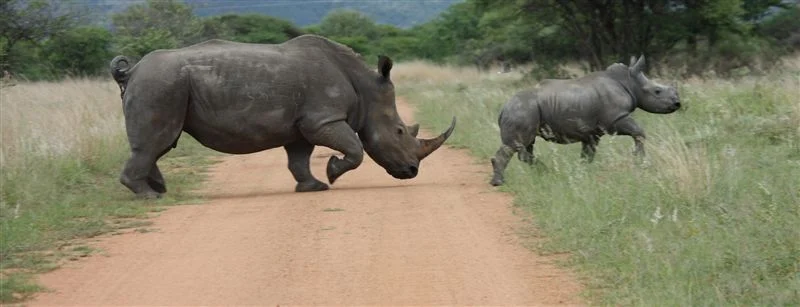
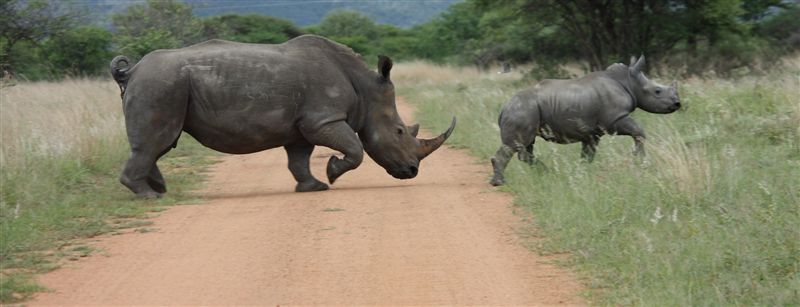
The primary objective of these destinations is to balance tourist influx with environmental preservation. By choosing eco-lodges and sustainable safari operators, visitors help fund the protection of endangered species, including the critically endangered black rhino and the African wild dog.
Chronology: Planning Your Tanzanian Expedition
A well-structured trip is essential for those aiming to maximize their environmental impact and personal enjoyment. While a 10-day itinerary is often the "sweet spot" for a Southern Circuit tour, the duration can be customized based on individual goals.
Phase 1: Preparation (6–12 months out)
- Defining Objectives: Decide whether your primary goal is wildlife observation, mountain trekking, or cultural immersion.
- Route Selection: For those focused on the Southern Circuit, a 10-day trip allows for a deep dive into Nyerere and Ruaha. Those with more time can opt for a 16-day "Combo" package, merging the Southern Circuit with Northern hotspots like the Serengeti and Ngorongoro.
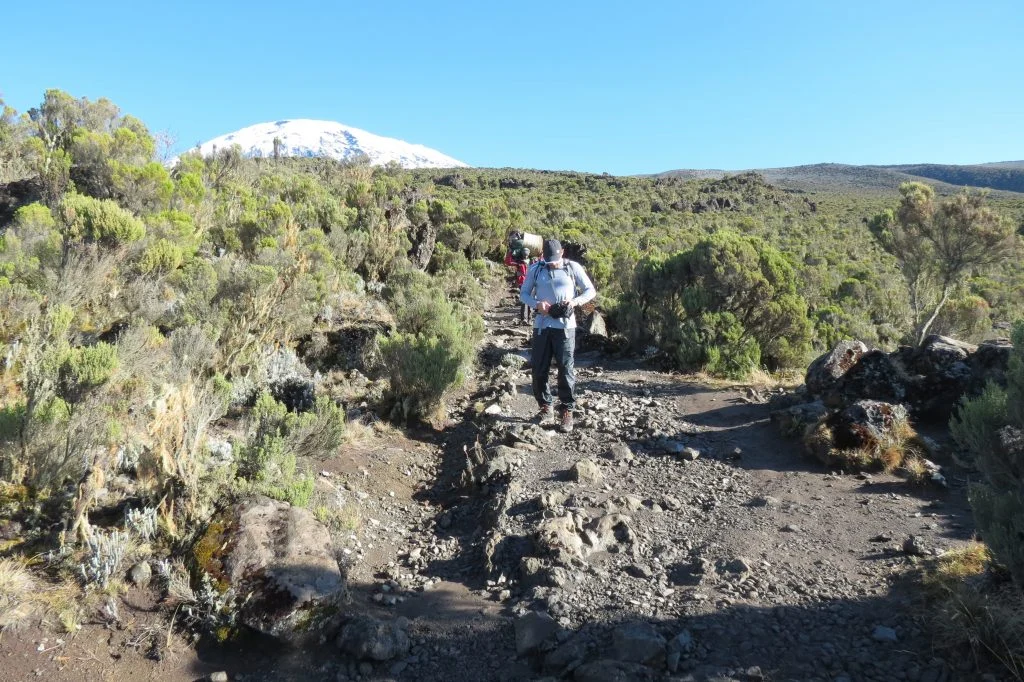
- Safety and Acclimatization: For Kilimanjaro climbers, this phase must involve physical training and a consultation regarding the choice of route (e.g., Lemosho or Shira for better acclimatization).
Phase 2: Booking and Logistics (3–6 months out)
- Selecting a DMC: Partner with reputable Destination Management Companies (DMCs) like Kilimanjaro Tanzanite Safaris. A qualified operator ensures your tour follows "Leave No Trace" principles and provides expert guides who understand the local flora and fauna.
- Gear Procurement: Reviewing a comprehensive safari packing list is crucial. Sustainable travel requires high-quality, long-lasting gear to reduce waste.
Phase 3: The Journey
- Game Drives: Utilizing modern, 4×4 Toyota Landcruisers (pop-up or open-roof) minimizes the carbon footprint per passenger while maximizing visibility and comfort.
- Conservation Engagement: Participating in community-led initiatives or visiting local conservation projects.
Supporting Data: The Economics of Responsible Travel
The shift toward ecotourism is not merely an aesthetic choice; it is a financial necessity for conservation. According to industry reports, ecotourism packages—particularly in the Southern Circuit—are highly competitive. Because eco-lodges in these regions often operate with smaller footprints and prioritize local sourcing, they frequently offer more economical rates than luxury-branded international chains, without sacrificing the quality of the experience.
When analyzing the "Combo" packages (Northern and Southern circuits), data suggests that travelers who extend their stays from 9 to 16 days provide significantly higher economic multipliers for local communities. This sustained presence ensures that rural areas surrounding parks like Tarangire or the Enduimet wildlife area receive consistent funding through park fees, employment, and local service procurement.
Official Perspectives: The Role of the Tour Operator
In the professional view of Destination Management Companies, the "safari" is an educational tool. Kilimanjaro Tanzanite Safaris emphasizes that a successful trip is built on three pillars: timing, education, and equipment.
On Photographic Safaris
For professional filmmakers and nature photographers, the "timing" of the trip is the most critical variable. Operators advise scheduling visits during the dry season, which offers optimal lighting and predictable wildlife behavior. To facilitate this, operators provide specialized 4×4 vehicles designed for stability and camera mounting, ensuring that photographers can capture the majesty of the Serengeti or the Selous without disturbing the natural habitats.
On Mountain Trekking
Trekking the "Roof of Africa" requires rigorous planning. Official advice from expert guides highlights that the choice of route is the primary determinant of success. Routes such as Lemosho or Shira offer superior acclimatization profiles compared to shorter, faster routes. Safety protocols, including regular oxygen saturation checks and the presence of trained medical guides, are non-negotiable standards for any legitimate ecotourism operator.
Implications: The Future of Ecotourism in Tanzania
The move toward sustainable tourism in Tanzania carries profound implications for the future of East African conservation.
- Biodiversity Preservation: By spreading tourist traffic to the Southern Circuit, the pressure on the Northern Circuit (Serengeti/Ngorongoro) is mitigated, preventing habitat degradation caused by over-tourism.
- Climate Mitigation: The use of modern, efficient 4×4 vehicles and the encouragement of rail travel (via TAZARA) aligns with global efforts to reduce the carbon intensity of luxury travel.
- Community Empowerment: Ecotourism creates a direct link between the preservation of wildlife and the prosperity of local villages. When local populations see the economic value of a living elephant or a protected forest, they become the most effective guardians of those resources.
A Call to Action for the Responsible Traveler
Travelers are increasingly becoming the guardians of the places they visit. By selecting packages that emphasize ethical interaction, supporting local businesses, and adhering to strict "no-trace" policies, visitors play a direct role in the preservation of Tanzania’s natural heritage.
Whether you are navigating the vast plains of the Serengeti, trekking the challenging paths of Kilimanjaro, or embarking on a quiet boat safari in the Nyerere National Park, your choices define the landscape of the future. The infrastructure for a truly sustainable, high-impact adventure is already in place; it is now up to the global traveler to choose the path of responsible exploration.
Planning Your Next Steps:
- Review your packing list: Focus on eco-friendly, reusable items.
- Consult with experts: Engage with DMCs that prioritize transparent, sustainable practices.
- Educate yourself on routes: Compare Kilimanjaro trails and regional safari circuits before committing to an itinerary.
Tanzania remains one of the few places on earth where the wild is still untamed. Through informed, intentional travel, we ensure that it stays that way for generations to come.