
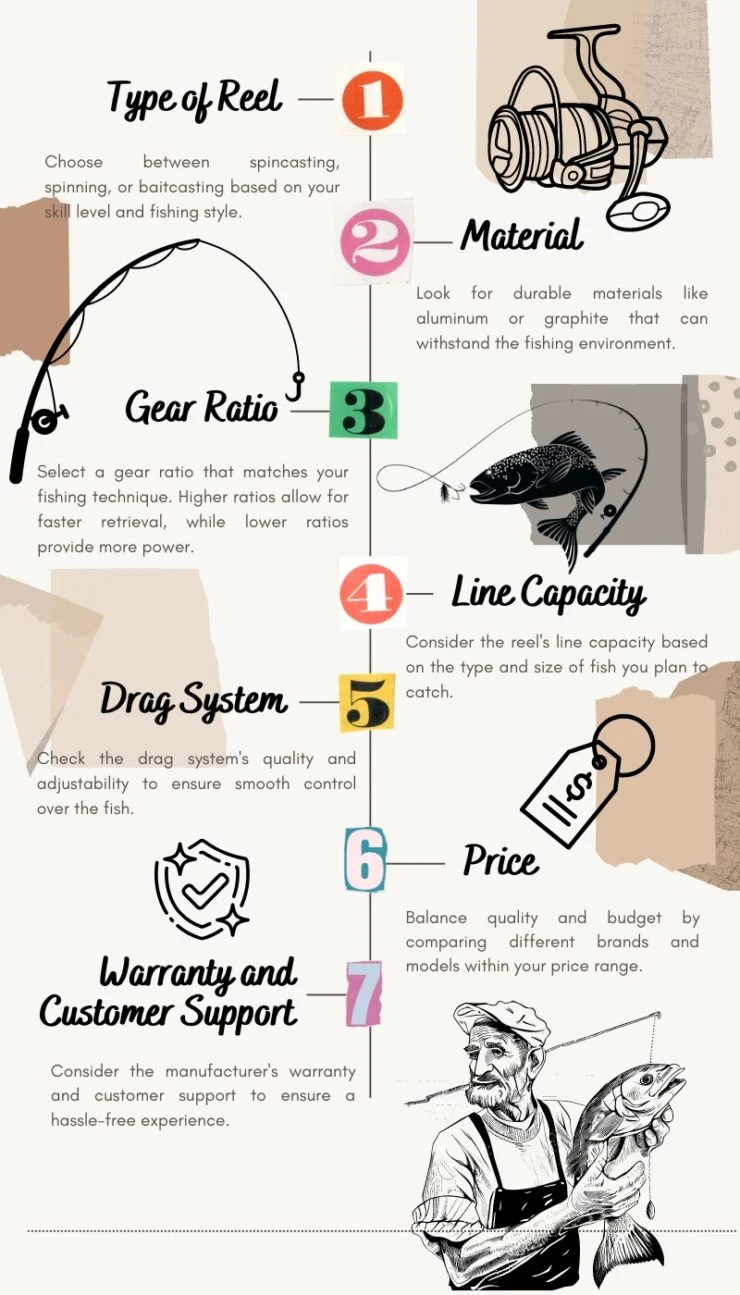
For generations, the art of angling has been defined by the pursuit of the perfect connection between human patience and aquatic instinct. Long before the sophisticated mechanics of modern reels, fishermen relied on rudimentary poles and handheld nets. While these primitive methods possessed a rustic charm, they were plagued by inconsistency and the constant risk of equipment failure—often resulting in snapped lines during the most critical moments of a catch.
Today, the landscape of fishing has been fundamentally reshaped by the evolution of the reel. From the precision-engineered baitcasters favored by tournament professionals to the user-friendly spincast models that introduce children to the sport, understanding the nuances of these tools is the difference between a frustrating day on the water and a successful haul.
Main Facts: The Trinity of Angling
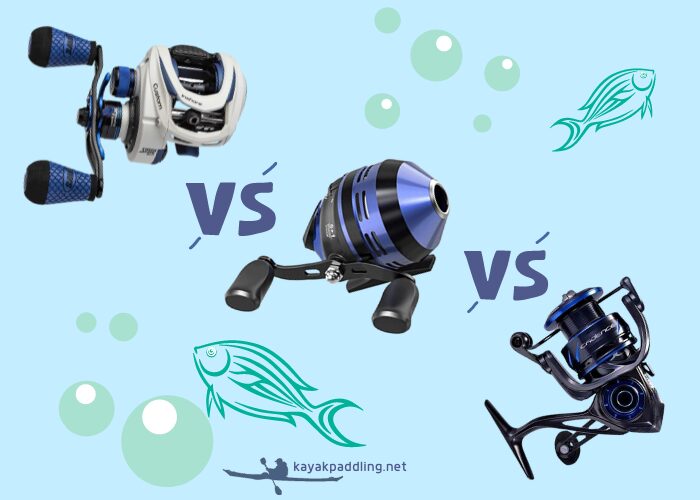
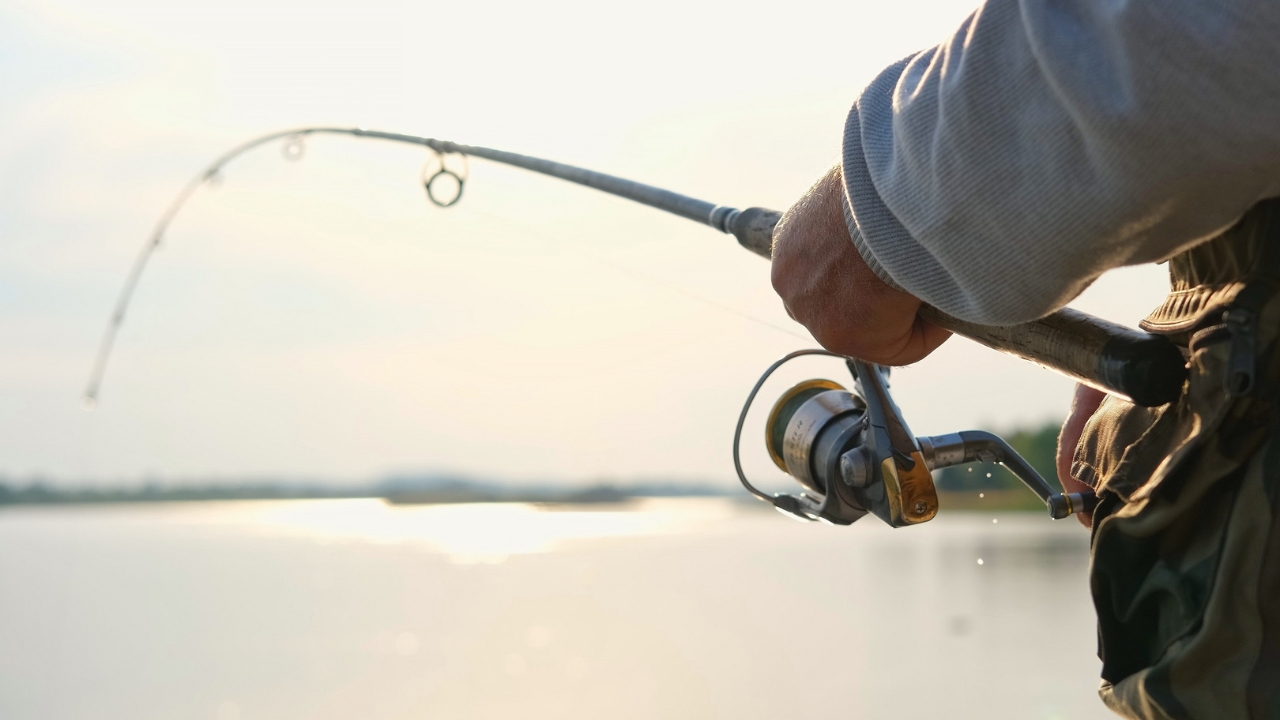
At the heart of the modern tackle box lies the "big three" of reel technology: the spinning reel, the baitcasting reel, and the spincasting reel. While each serves the foundational purpose of storing and retrieving fishing line, their internal mechanics, casting dynamics, and intended use cases differ significantly.
- Spinning Reels: Characterized by a fixed spool mounted beneath the rod, these are the workhorses of the freshwater world. They are prized for their versatility and ability to handle light lures.
- Baitcasting Reels: These feature a revolving spool mounted on top of the rod. They provide unmatched power, line capacity, and casting accuracy but require a higher degree of technical proficiency to operate.
- Spincasting Reels: Known for their enclosed housing and push-button activation, these are the gold standard for beginners due to their anti-tangle nature and simplicity.
A Chronology of Innovation
The transition from manual line-handling to mechanical assistance is marked by three pivotal milestones that defined the 20th century.
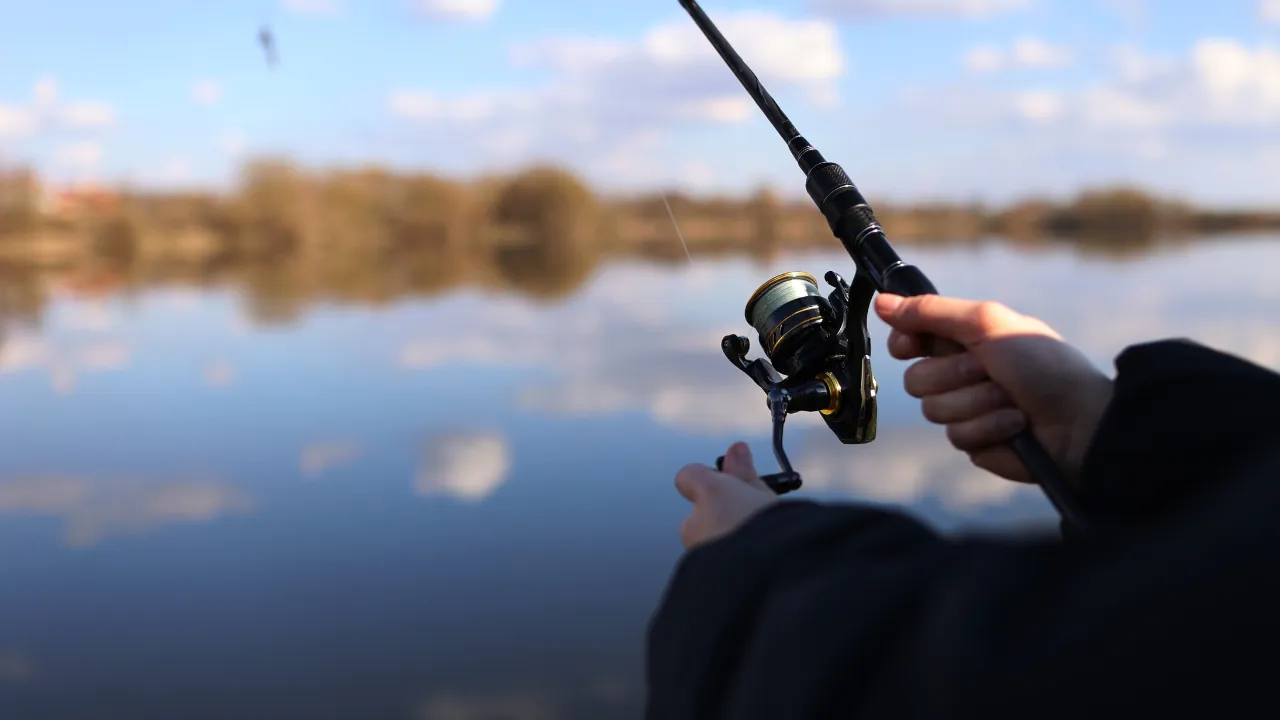
- 1938 – The Birth of the Spinning Reel: Daiwa Seiko Co., Ltd. introduced the world to the first mass-produced spinning reel. This design revolutionized the industry by allowing the line to peel off a stationary spool, drastically reducing friction and allowing for longer, more accurate casts with lighter bait.
- 1956 – The Spincasting Breakthrough: The Shakespeare Fishing Tackle Company debuted the first spin-casting reel. By enclosing the spool, they mitigated the wind knots and tangles that had long plagued novice anglers, effectively lowering the barrier to entry for the sport.
- 1958 – The Baitcasting Standard: While various forms of revolving-spool reels existed, George "Butch" Snyder Jr. was instrumental in the mid-century refinement and widespread adoption of the baitcasting reel. His advancements cemented the baitcaster’s reputation as the tool of choice for heavy-duty, high-precision angling.
Supporting Data: Performance Metrics and Technical Specifications
To select the right tool, one must look at the technical specifications that govern reel performance.
Understanding Gear Ratios
The gear ratio is the defining metric of retrieval speed. A ratio of 6.3:1, for instance, means the spool rotates 6.3 times for every single rotation of the handle.
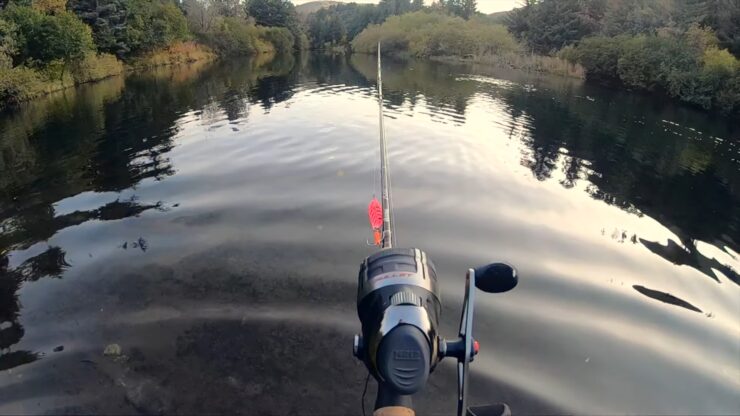
- High Gear Ratios (7:1 and above): Ideal for "burning" lures back to the boat or for techniques like flipping and pitching where speed is essential.
- Low Gear Ratios (5:1 and below): These provide the torque necessary for heavy pulling, making them perfect for deep-diving crankbaits or battling large, stubborn species that resist high-speed retrieval.
Line Capacity and Drag
Spinning reels excel in capacity, often holding hundreds of yards of monofilament, which is crucial for surf casters or deep-water anglers. Conversely, baitcasters are designed for diameter-specific performance. A typical baitcasting setup handles 10–20 pound test lines, providing the necessary strength for bass fishing in heavy vegetation where a fish might attempt to bury itself in structure.
The Art of the Cast: Implications for the Angler
The choice of a reel dictates not only the ease of the outing but also the specific techniques an angler can employ.
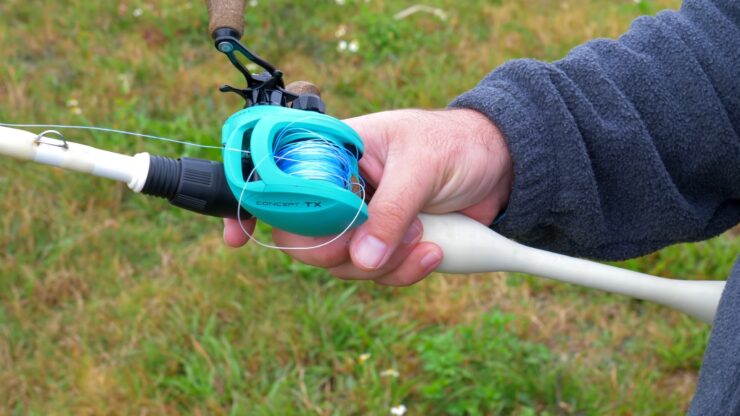
The Baitcaster’s Finesse
The baitcasting reel is an instrument of precision. Because the spool revolves during the cast, the angler must utilize their thumb as a manual braking system. This requires a "finesse" that separates the novice from the expert. While the learning curve is steep—often involving the "bird’s nest" or backlash—the reward is unparalleled accuracy. By feathering the line with the thumb, an angler can drop a lure into a target the size of a dinner plate from thirty yards away.
The Spinning Reel’s Versatility
The spinning reel remains the most "universal" tool. Because the line comes off the spool in coils, there is almost no resistance, making it the superior choice for light-weight baits that would not provide enough momentum to turn a heavy baitcasting spool. It is the ideal companion for trout, panfish, and finesse bass fishing, offering a "minimalist" approach that is easy to transport and maintain.
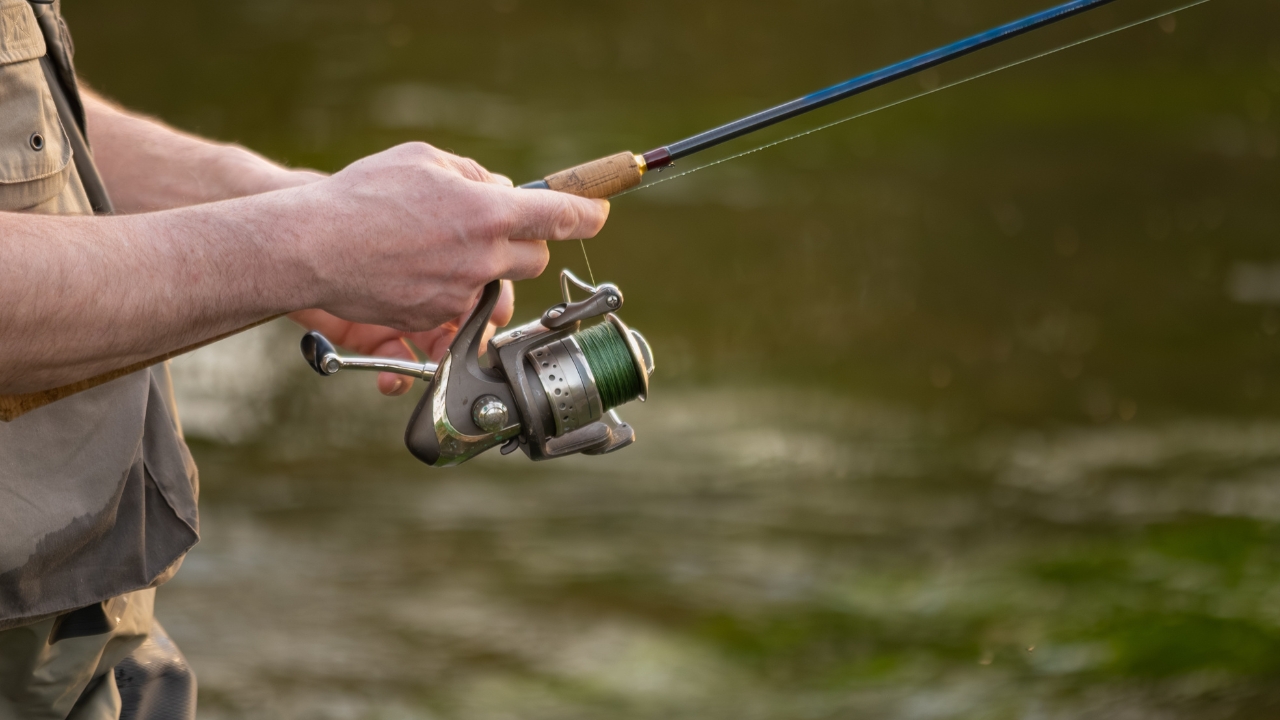
The Spincast’s Accessibility
Spincasting is the great equalizer. By eliminating the bail arm and the need for manual line control, these reels remove the psychological intimidation factor of fishing. They are the "MVPs" for families and casual weekend warriors. While they lack the distance and drag precision of their counterparts, their reliability in preventing line-fouling is unmatched.
Maintenance and Long-Term Reliability
A fishing reel is a precision machine subject to the harsh conditions of water, sand, and salt. Proper maintenance is not merely a suggestion—it is a requirement for longevity.
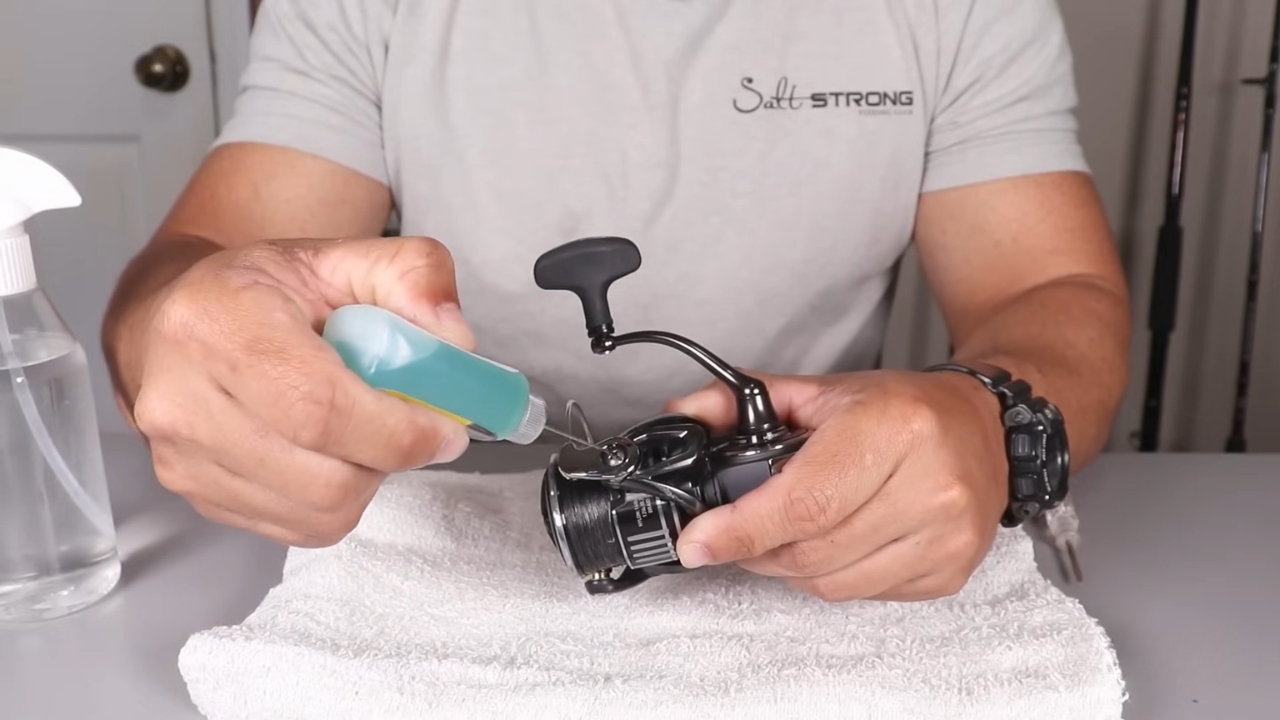
- Routine Cleaning: After every trip, especially in saltwater, the reel should be rinsed with a light mist of freshwater. Never submerge a reel in a bucket, as this can force salt and grit deeper into the internal bearings.
- Lubrication: Periodically apply a high-quality reel oil to the handle knobs and bail springs, and use a light synthetic grease on the main gears.
- Storage: Always back off the drag system before storing the reel for the off-season. This prevents the drag washers from becoming compressed and losing their elasticity over time.
Strategic Selection: Which Reel Fits Your Needs?
When approaching the tackle aisle, the decision should be dictated by three factors: the target species, the environment, and the angler’s skill level.
- The Precision Angler: If you are targeting bass in heavy cover, the baitcaster is your primary weapon. Its ability to provide instant power and high-speed retrieval is vital when a fish strikes and immediately heads for a snag.
- The All-Rounder: If your day consists of switching between soft plastics, jigs, and live bait, the spinning reel is the clear winner. Its ability to handle varying line weights and lure types makes it the most adaptable choice in the fleet.
- The Casual Enthusiast: For those prioritizing relaxation over technical complexity, the spincast reel allows you to focus on the environment rather than the mechanics of the cast.
FAQ: Common Concerns and Expert Insight
What is a "backlash," and how can it be mitigated?
A backlash occurs when the speed of the spool exceeds the speed at which the line is exiting, causing the line to loop over itself. The solution lies in the reel’s magnetic or centrifugal braking systems. Start with the brakes set to "high" and gradually dial them back as your thumb control improves.
Does line type matter?
Absolutely. Braided line, with its lack of "memory," is excellent for spinning reels because it resists the twisting that often plagues monofilament. However, monofilament’s inherent stretch can be an advantage when using treble hooks, as it acts as a shock absorber during a hard strike.
Can I use a baitcaster for saltwater fishing?
Yes, but with caveats. You must ensure the reel is rated for saltwater, which means it features corrosion-resistant bearings and a sealed drag system. Salt is an aggressive catalyst for rust; if you fish the surf, maintenance must be performed after every single outing.
Conclusion: Mastering the Connection
The evolution of the fishing reel from the simple pole-and-line era to the high-tech, gear-ratio-variable systems of today reflects our deepening understanding of the aquatic world. While technology has made the act of fishing more efficient, the core of the sport remains unchanged: it is a test of preparation and adaptability.
Whether you are casting with the simplicity of a push-button spincaster or the refined technique of a tournament-grade baitcaster, the reel is your primary conduit to the water. By respecting the mechanics of your gear and committing to its maintenance, you ensure that when the moment of the "big bite" finally arrives, your equipment will be as ready as you are. As the adage goes, "Practice makes perfect"—so choose your tool, head to the water, and let the line fly.