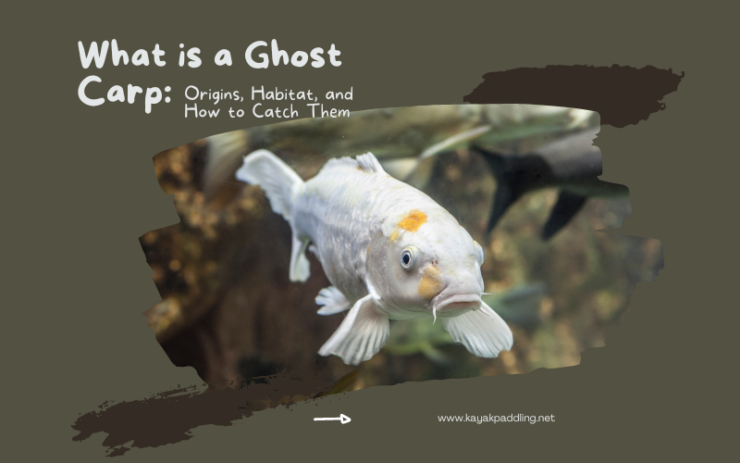
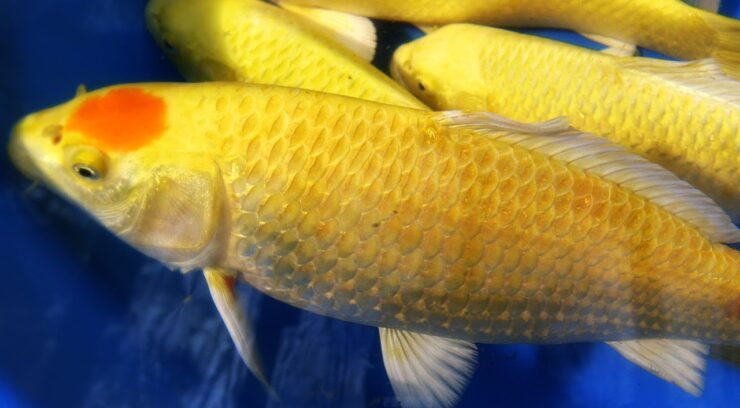
When anglers speak of "ghosts" in the watery depths, they aren’t invoking the supernatural. They are referring to one of the most visually striking and elusive residents of modern fisheries: the Ghost Carp. A hybrid marvel of selective breeding, these fish—often referred to as "Ghost Koi"—have captured the imagination of the angling community, blending the rugged, stubborn survival instincts of wild carp with the ethereal, metallic beauty of ornamental Nishikigoi.
For those who navigate the world’s inland waterways, encountering a Ghost Carp is more than just a successful catch; it is a brush with a living enigma that has redefined the boundaries of sport fishing.
Main Facts: The Anatomy of a Hybrid
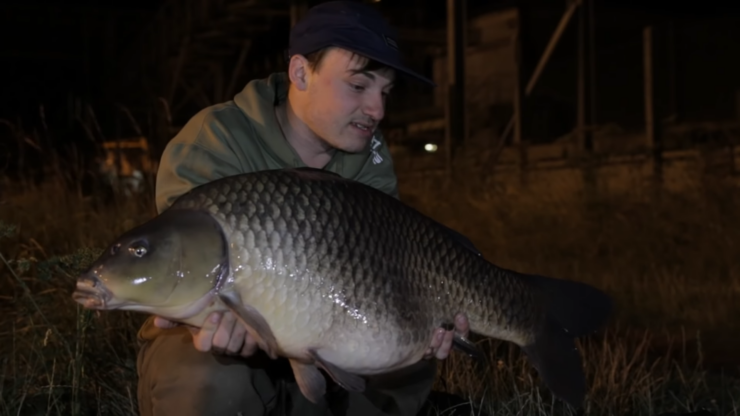
The Ghost Carp (Cyprinus carpio) is a testament to the intersection of human intervention and natural biology. Unlike the wild common carp, which has evolved over millennia to master the art of bottom-feeding in varied environments, the Ghost Carp is a relatively modern invention—a designer fish created to marry aesthetics with hardiness.
Biological Profile
- Average Weight: 6–15 lbs (2.7–6.8 kg)
- Maximum Potential: 94 lbs (42 kg)
- Average Length: 18–26 inches (45–65 cm)
- Maximum Length: Up to 48 inches (120 cm)
- Lifespan: 9–45 years, contingent on habitat quality
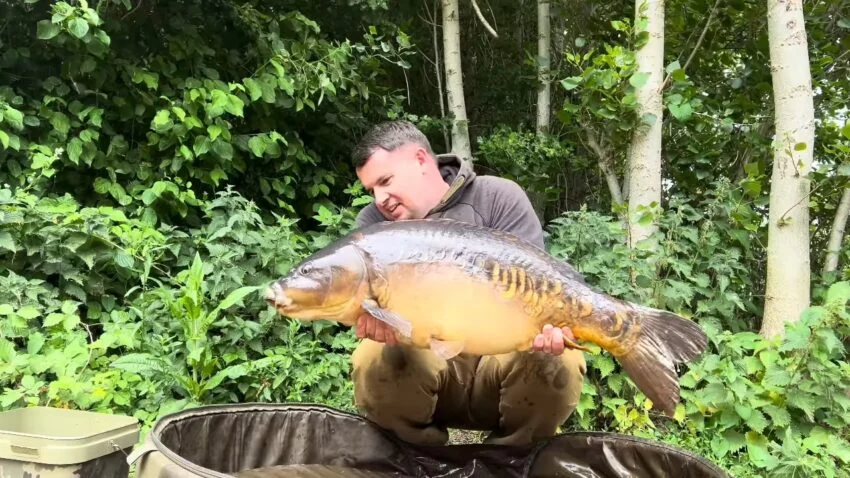
Physically, the Ghost Carp is a robust, torpedo-shaped powerhouse. Its defining feature, however, is its coloration. While common carp typically display muted, olive-brown tones, the Ghost Carp is characterized by a dark, shadowy under-layer contrasted against brilliant metallic highlights—gold, silver, or platinum—that run along the spine and fins. These "ghostly" markings are not bioluminescent; they are the result of high concentrations of crystalline purine cells within the skin, which reflect ambient light even in the murkiest of depths.
Chronology: The Emergence of a Breed
The story of the Ghost Carp is a relatively recent chapter in the history of aquaculture. While carp species have been cultivated in Asia and Central Europe for food and ornament for centuries, the specific "Ghost" variety emerged in the 1980s.
An enterprising farmer sought to combine the structural resilience and size of the Mirror or Common Carp with the radiant, metallic brilliance of the Yamabuki Ogon Koi. The resulting crossbreed produced the first generation of Ghost Koi. This was not an evolution born of natural selection, but a calculated aesthetic choice.
Because this breed is a product of modern selective breeding, it occupies a strange space in the ichthyological world. Traditional koi breeders often refuse to classify the Ghost Carp as a "pedigree" koi, viewing them instead as an industrial hybrid. Conversely, sport anglers prize them for their "fighting spirit," a trait inherited from their wild carp ancestors, which makes them far more challenging to land than their purely ornamental, pond-raised cousins.
Supporting Data: Habitat and Environmental Resilience
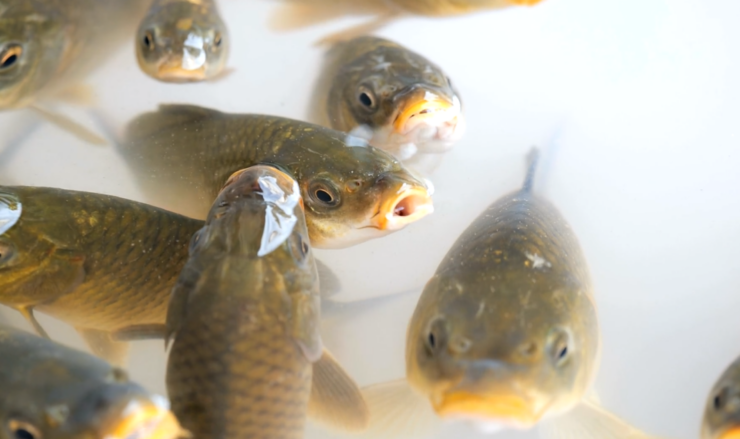
The Ghost Carp is an exceptionally hardy species. Its ability to survive in water temperatures ranging from as low as 3°C (37°F) to upwards of 30°C (86°F) makes it a colonizer par excellence. They are "freshwater pigs"—a moniker earned by their voracious, omnivorous appetites. They spend their days scouring the lake bed for insect larvae, mollusks, crustaceans, and aquatic vegetation.
Environmental Adaptations
- Low Oxygen Tolerance: Unlike more sensitive native species, Ghost Carp can surface-breathe, allowing them to thrive in oxygen-depleted, stagnant waters.
- Rapid Reproduction: Females are prolific, capable of laying hundreds of thousands of eggs in a single season. The eggs are sticky and adhere to submerged weeds, bypassing the need for complex nesting behaviors.
- Mobile Foraging: These fish are highly nomadic, often utilizing water currents to travel between habitats, effectively colonizing new regions within days.
Official Responses and Ecological Implications
The proliferation of the Ghost Carp, particularly when they escape into public waterways, has sparked significant debate among environmental agencies. In Europe and the UK, they are viewed primarily as a sporting asset. However, in North America, they are often categorized alongside common and invasive Asian carp.
The Invasive Threat
When Ghost Carp enter non-native ecosystems, they function as a biological disruptor. Their bottom-feeding habits are notoriously destructive:
- Sediment Displacement: By rooting through the lake bed, they stir up massive amounts of silt. This increases water turbidity, blocking sunlight from reaching submerged aquatic vegetation, which is vital for the health of the entire food web.
- Resource Competition: Their massive size and appetite allow them to outcompete native species for invertebrates and benthic food sources.
- Disease Vectors: Wild populations of carp are known carriers of the Koi Herpesvirus (KHV). The movement of ornamental fish into the wild can introduce these pathogens to native fish populations that lack natural immunity.
In response, several North American jurisdictions have implemented strict regulations, ranging from bans on the importation of live specimens to active culling programs involving electric barriers and commercial netting.
The Angler’s Perspective: The Challenge of the Catch
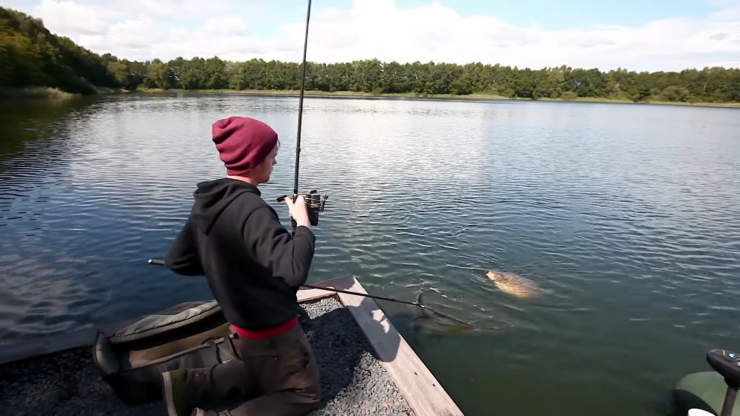
For the sport fisherman, the Ghost Carp is a "holy grail" of sorts—not because of its value as food, but because of its intellect. Anecdotal evidence among anglers suggests that Ghost Carp are more cautious than other freshwater species. They are highly attuned to their surroundings, possessing sensitive barbels that detect minute vibrations and chemical signals in the water.
Strategic Fishing Tips
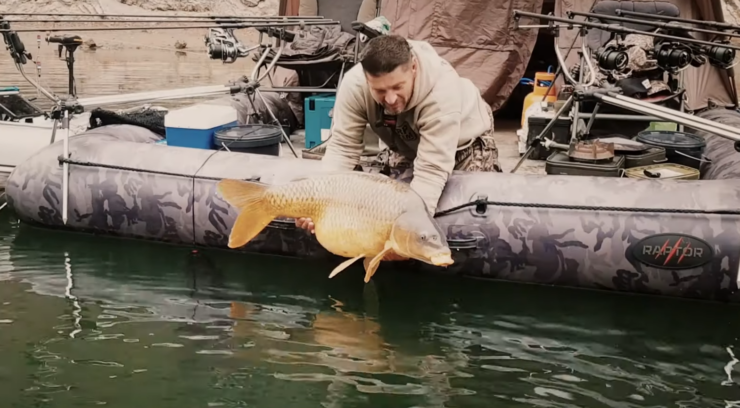
- Bait Selection: While they are omnivorous, consistent success is found using pellets, sweetcorn, maggots, and even flavored luncheon meat.
- Targeting Structure: Ghost Carp favor areas with cover—overgrown trees, lily pads, and submerged structures provide the security they crave.
- Persistence: Because they are intelligent and cautious, "blanking" (catching nothing) is a common reality. Experts recommend bringing a variety of baits and being prepared to cycle through them if the fish prove elusive.
- Ethical Considerations: If you are fishing in a region where they are considered invasive, check local regulations before keeping or releasing the fish. In many areas, it is illegal to return invasive species to the water.
Conclusion: A Double-Edged Blade
The Ghost Carp is a fascinating anomaly—a creature that blurs the line between a carefully curated art piece and an ecological force of nature. Its beauty is undeniable, and its reputation for endurance makes it a worthy adversary for any angler. Yet, the same traits that make it a champion of survival—its adaptability, its rapid growth, and its sheer toughness—also make it a potential threat to delicate native habitats if not properly managed.
As we continue to appreciate these "ghosts" of the water, we must maintain a balance. Whether you are a hobbyist with a garden pond or a serious angler looking for a trophy, it is essential to respect the biological reality of these fish. They are not spirits of the deep, but complex animals that require space, care, and, when found in the wild, responsible management to ensure that our native ecosystems remain vibrant for generations to come.
The Ghost Carp is a mirror held up to our own interference with nature—a reminder that when we create, we must also be prepared to steward. Whether you find them captivating or concerning, one thing remains certain: the Ghost Carp has permanently altered the landscape of the modern freshwater world, proving that even in the murky depths, some legends are very, very real.