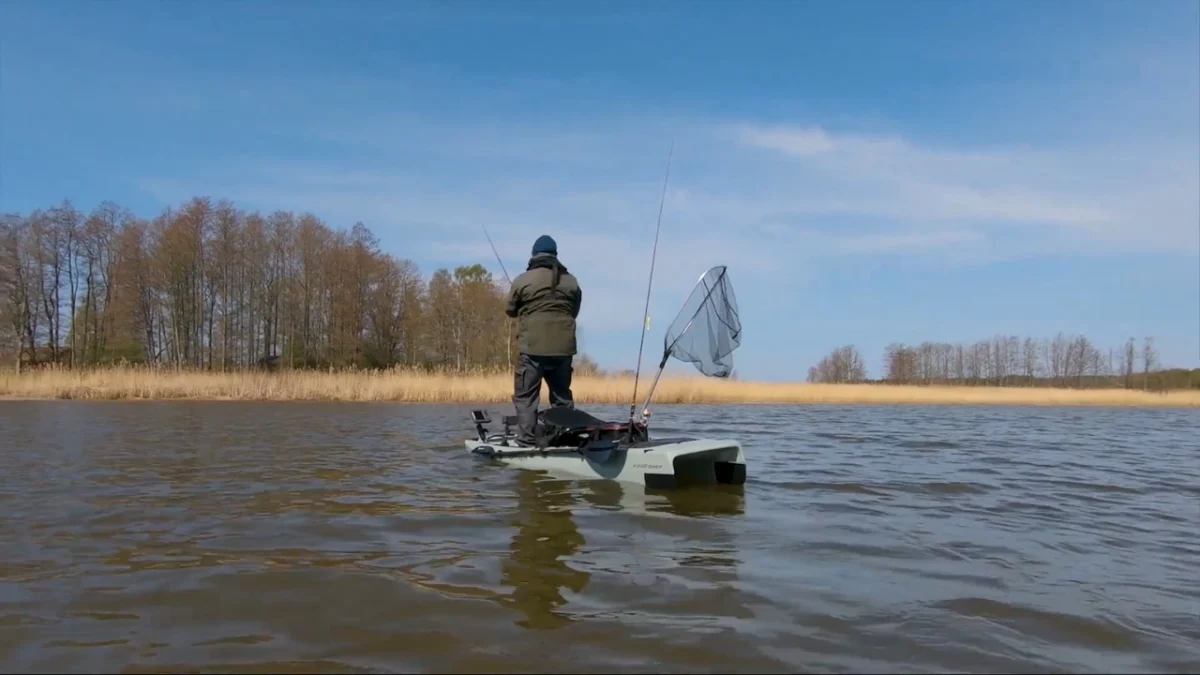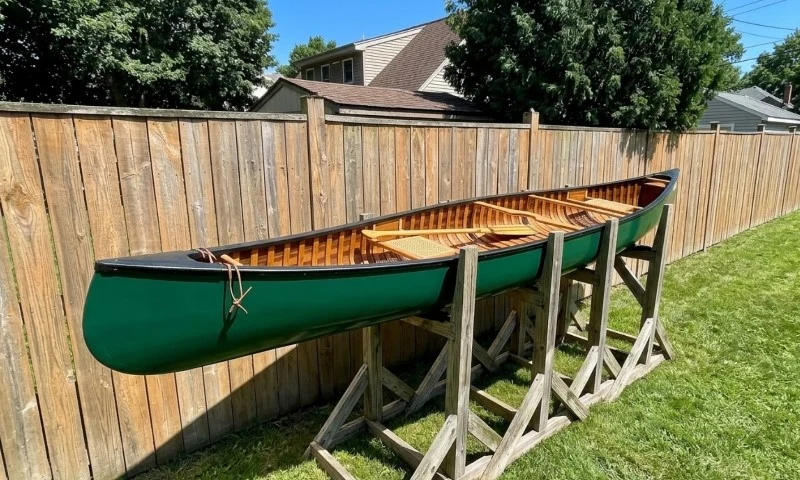
Kayaking is far more than a recreational pastime; it is a profound immersion into the natural world, offering a unique vantage point from which to experience the rhythms of the coast or the raw intensity of river systems. Whether you are seeking the meditative silence of a glass-calm lake or the adrenaline-fueled navigation of whitewater rapids, the success of your journey is inextricably linked to your level of preparation.
As outdoor enthusiasts increasingly turn to kayaking road trips to explore diverse waterways, the logistical challenges of transporting gear and ensuring safety have become paramount. This comprehensive guide serves as a professional roadmap for planning, packing, and executing a safe, high-performance kayaking adventure.
The Core Philosophy: Preparedness on the Water
The distinction between a disastrous excursion and a transformative experience often comes down to the quality of one’s equipment and the rigor of one’s planning. Professional kayakers adhere to the mantra that "the water dictates the rules." Consequently, the gear you select must be calibrated not only to your skill level but to the specific environmental variables of your chosen destination.
The Evolution of Adventure Logistics
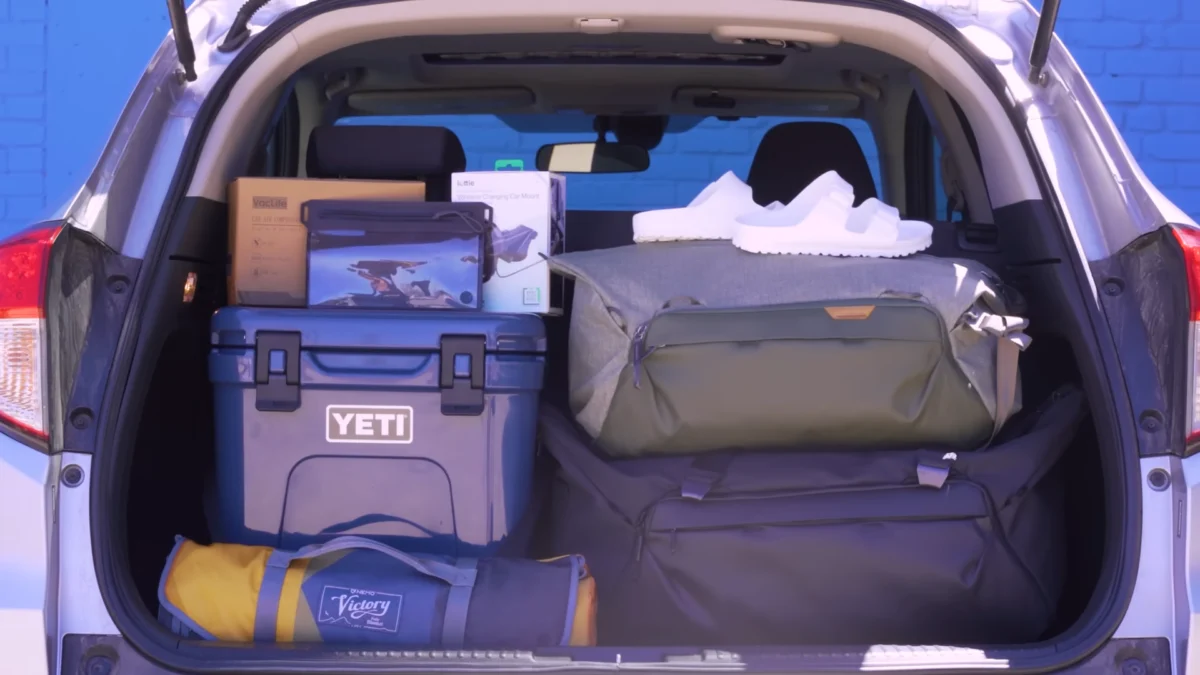
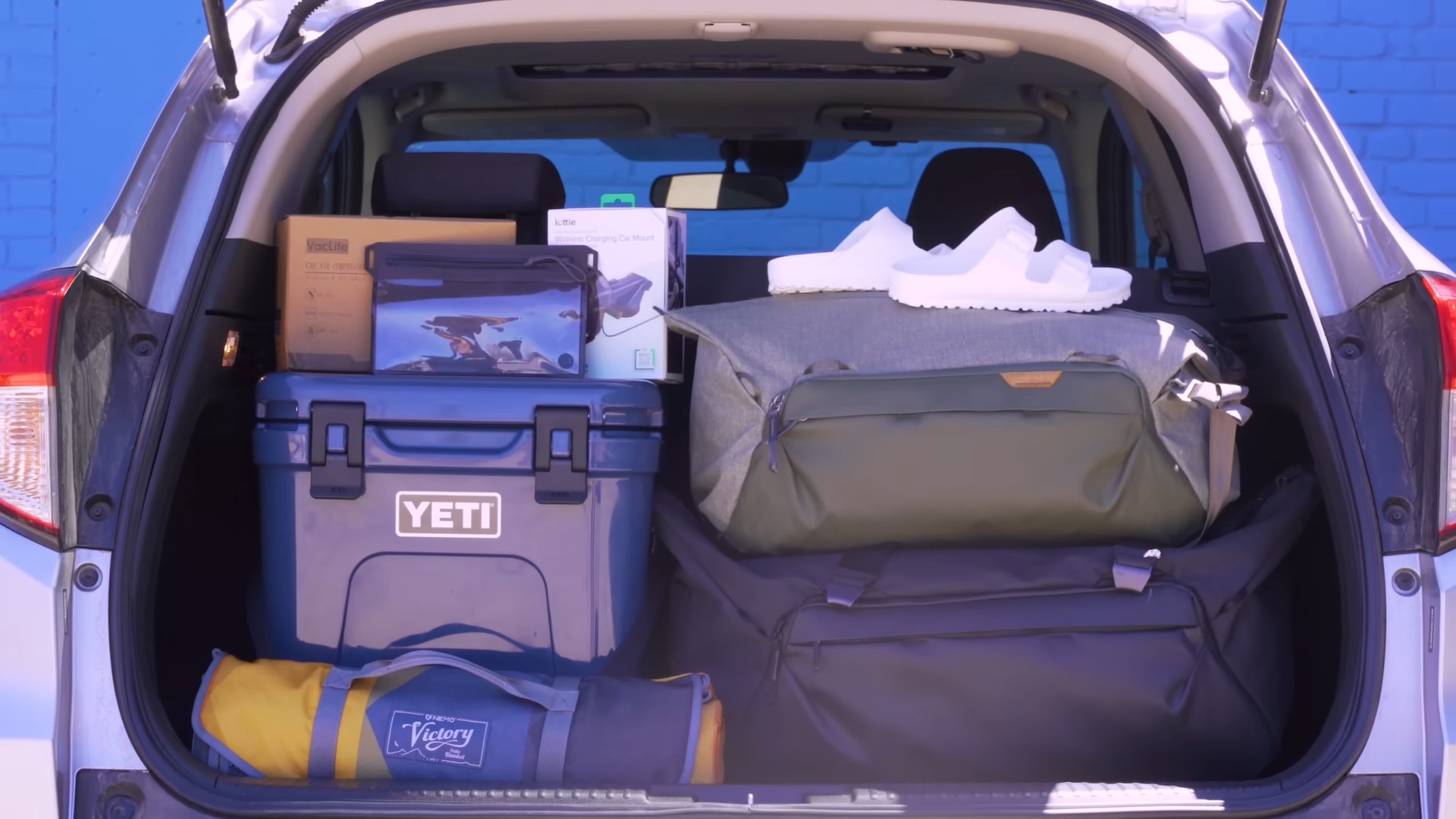
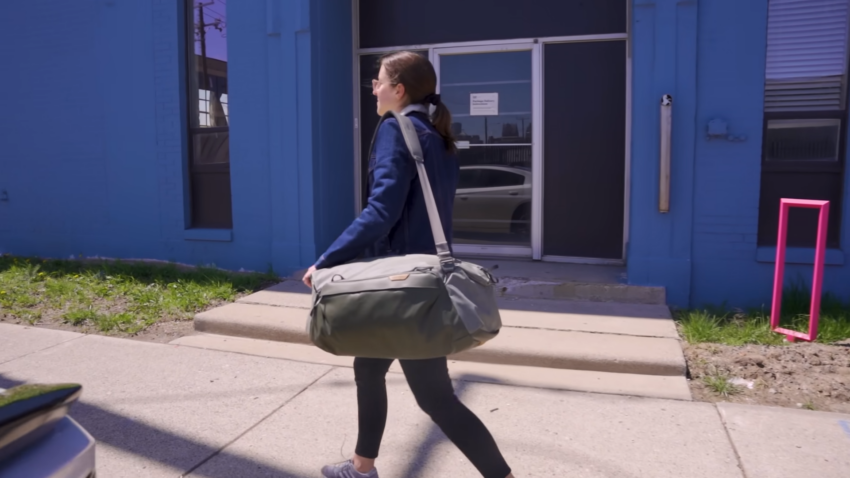
For modern adventurers, the logistics of a road trip—transporting bulky kayaks, paddles, and extensive safety equipment—can be overwhelming. In response, specialized logistical solutions have emerged. Services such as MyBaggage have revolutionized the industry by allowing enthusiasts to ship their gear directly to their destination. This transition allows the kayaker to bypass the physical strain of roof-rack transit and arrive at the water’s edge with their equipment ready for deployment, effectively lowering the barrier to entry for long-distance expeditions.
Chronology of an Expedition: From Preparation to Execution
Successful kayaking is not a spontaneous act; it is a phased process that begins long before you reach the shoreline.
- Pre-Departure (Weeks Out): This phase involves researching water levels, local weather patterns, and maritime regulations. It is during this time that you should conduct an audit of your equipment, checking for hull damage, paddle integrity, and the expiration dates of safety flares or medical supplies.
- The Staging Phase (Days Out): Organize your gear using the "system-based" approach. Categorize items by their function—navigation, survival, personal comfort, and technical paddling gear. This is when you test your communication devices and ensure your dry bags are airtight.
- The Transit (Day Before): Whether driving or using a shipping service, ensure your gear is protected from the elements and vibration-induced wear. If using a roof rack, check the tension of your tie-downs frequently.
- The Deployment (Day of Trip): A final "Go/No-Go" safety briefing is essential. Check the local wind speeds, tide charts, and the physical condition of all participants before launching.
- The Recovery (Post-Trip): Cleaning, drying, and inspecting your gear immediately upon returning home is vital to preventing mold and ensuring your equipment remains in peak condition for the next journey.
Supporting Data: Understanding the "Ten Essentials"
Drawing from the mountaineering tradition, the "Ten Essentials" have become the gold standard for wilderness safety. For the kayaker, these items are non-negotiable for any trip exceeding two hours:
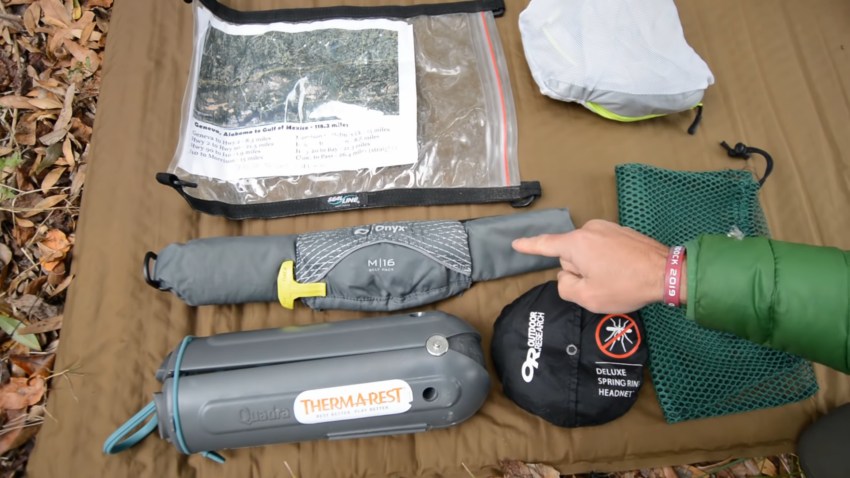
- Navigation: A waterproof map and compass are critical. While GPS is excellent, electronics are prone to failure due to battery drainage or water damage.
- Sun Protection: Reflection off the water significantly increases UV exposure. High-SPF waterproof sunscreen, polarized sunglasses, and UV-rated clothing are essential.
- Insulation: Weather shifts on the water can be sudden. Always carry an extra, quick-dry insulating layer.
- Illumination: A high-lumen, waterproof headlamp is necessary if a trip takes longer than anticipated.
- First-Aid: A comprehensive kit must include bandages, antiseptics, and medications, all housed in a buoyant, waterproof container.
- Fire-Starting: Essential for emergency signaling or warming in a survival situation.
- Repair Kit: Items such as duct tape, zip ties, and multi-tools can save a trip when minor gear failure occurs.
- Nutrition: High-calorie, nutrient-dense snacks are required to maintain the energy expenditure demanded by repetitive paddling.
- Hydration: Always plan for a minimum of one gallon of water per person per day. Never rely on the water you are paddling in, regardless of its appearance.
- Emergency Shelter: A compact, lightweight bivvy sack or space blanket can be the difference between safety and hypothermia during an unplanned overnight stay.
Technical Differentiation: Calm Water vs. Whitewater
The equipment profile changes drastically depending on the hydrology of your route.
The Calm Water Profile
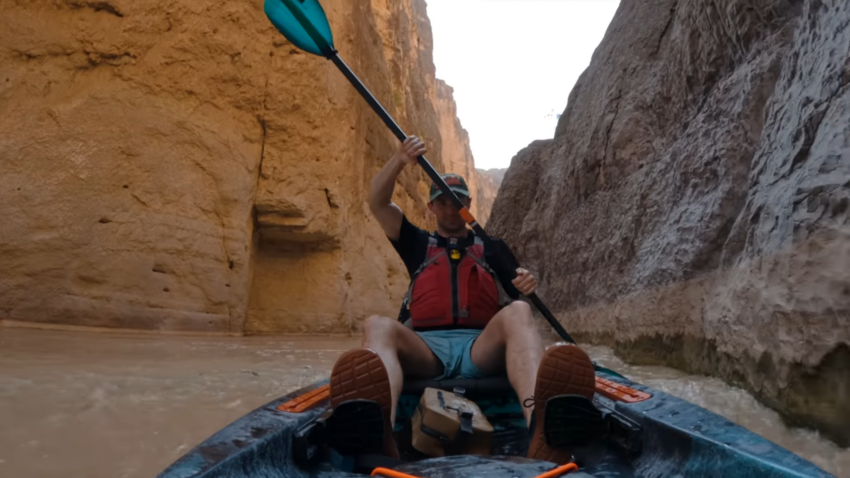
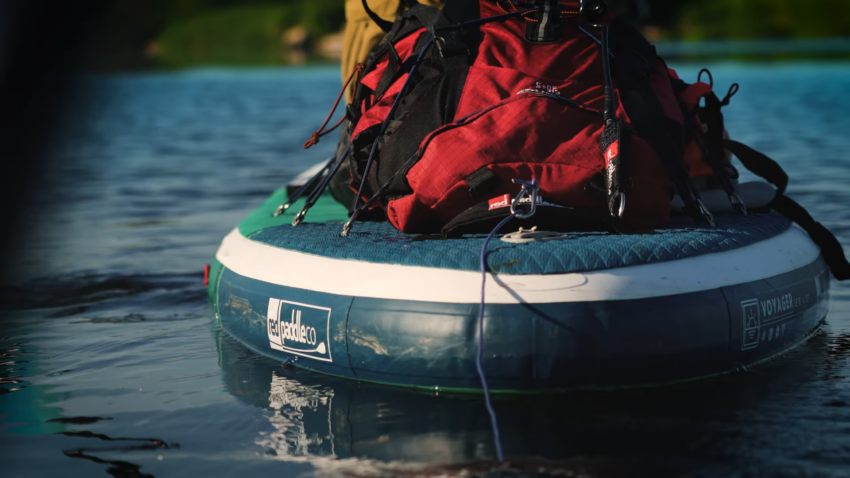
On flat water, the focus is on endurance and comfort. You require a stable, tracking-efficient kayak and a paddle that minimizes fatigue. The priority here is storage: utilizing internal bulkheads or external lashings to keep your cargo secure while maintaining a low center of gravity.
The Whitewater Profile
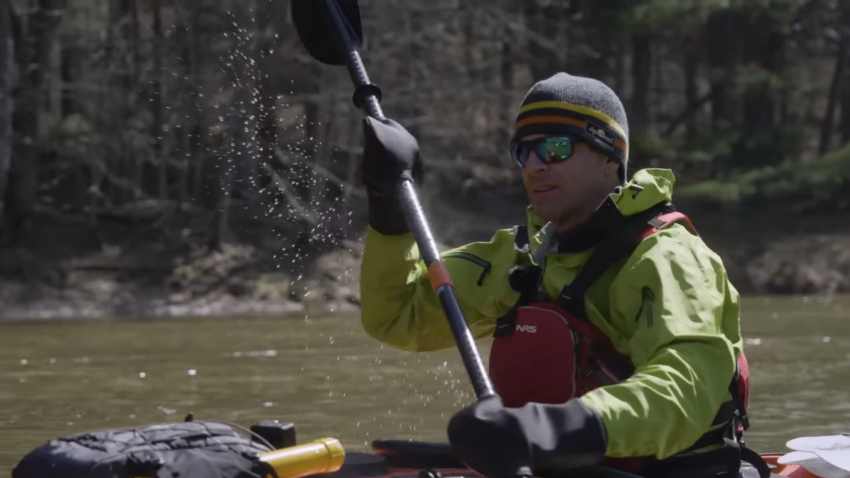
Whitewater kayaking is a high-stakes discipline requiring "bombproof" gear. A helmet is mandatory, as are spray skirts that create a watertight seal between the paddler and the cockpit. Whitewater paddles are shorter and more robust, designed to withstand the torque of moving water and impacts against rocks. Safety protocols here include throw-bags and specialized buoyancy aids that allow for maximum torso mobility.
Implications of Environmental Factors
The "Golden Rule" of kayaking states: Dress for the water, not the air.
Many novice kayakers fail to account for the thermal conductivity of water, which is approximately 25 times greater than that of air. Even on a warm day, immersion in cold water can lead to rapid onset hypothermia.
- Wetsuits vs. Drysuits: In water temperatures below 60°F (15°C), a drysuit is the professional choice to prevent thermal shock.
- The Layering System: Effective layering—a wicking base layer, an insulating mid-layer, and a waterproof shell—allows the paddler to adapt to changing metabolic and environmental conditions. Removing a layer before you begin to sweat, and adding one before you begin to shiver, is the hallmark of an experienced adventurer.
Expert Perspectives and Safety Implications
Safety is not merely a list of items; it is a mindset. Professional instructors emphasize that the most dangerous piece of equipment is often the user’s ego.
Waterproof Communication: Always carry a communication device in a secondary, buoyant dry bag attached to your person. A whistle is the universal signal for help on the water and should be attached to your life jacket.
The Self-Rescue Mandate: Before embarking on a solo or remote trip, every paddler should be proficient in "wet exits" and re-entry techniques. Using a paddle float or bilge pump should be practiced in a controlled environment until it becomes muscle memory.
Frequently Asked Questions (FAQs)
Q: Can I substitute a regular backpack for a dry bag?
A: Categorically, no. Regular backpacks absorb water, increasing weight and failing to protect gear. Dry bags utilize roll-top closures to ensure an airtight seal, which is necessary for equipment protection and flotation.
Q: Is a helmet necessary for calm water?
A: While not strictly required for open, flat water, it is highly recommended if you are navigating rocky shorelines or narrow channels where wind gusts could force you into hazards.
Q: How do I manage hydration on long trips?
A: Relying on a single water bottle is insufficient. Use a hydration bladder with a tube system to allow for "hands-free" drinking, which encourages more frequent intake throughout the day.
Q: What is the procedure for a lost paddle?
A: Always utilize a paddle leash. If you lose your primary, a spare paddle (carried in a secure location on the deck) is your only path to safety. If you have no spare, use a rhythmic hand-paddling technique to reach the shore.
Final Assessment: Embracing the Journey
Packing for a kayaking road trip is an exercise in intentionality. By meticulously curating your gear, respecting the environmental hazards of the water, and adhering to professional safety standards, you transition from a tourist to an explorer.
As you prepare for your next adventure, remember that the most valuable gear you bring is your judgment. The water is a dynamic and indifferent environment; by arriving fully prepared, you ensure that your focus remains exactly where it belongs: on the beauty, the challenge, and the unparalleled freedom of the journey. Whether you are navigating the serpentine bends of a river or the vast expanse of a coastline, a well-planned trip is the foundation of a lifetime of exploration.