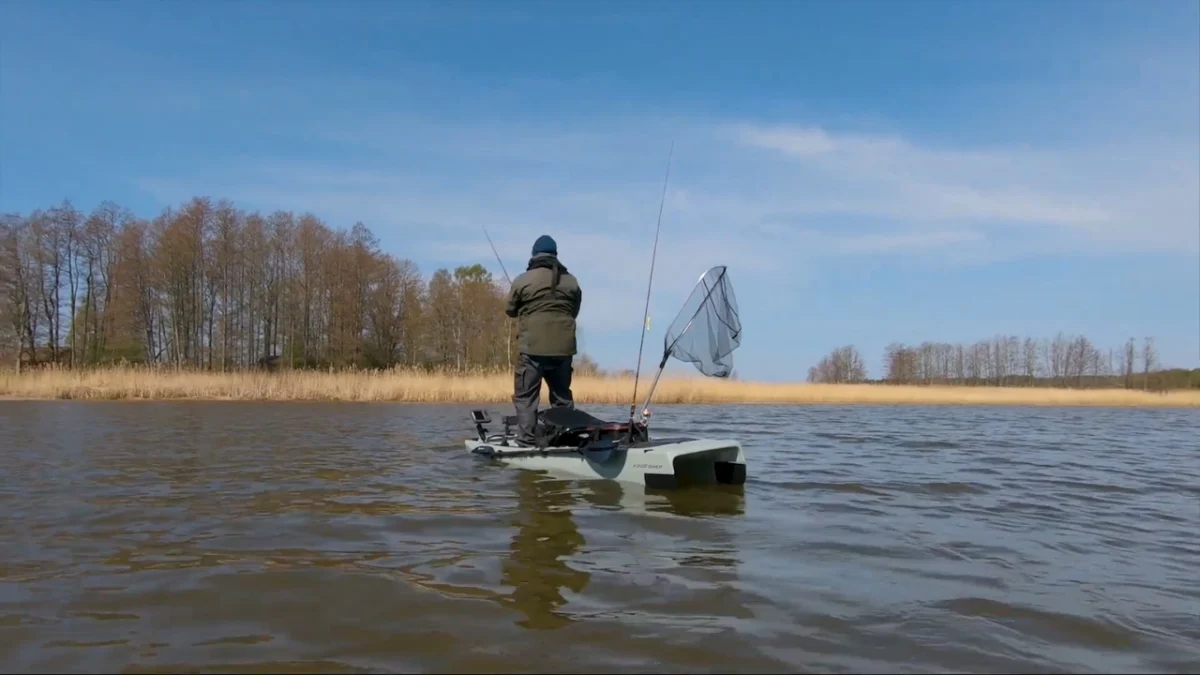
For centuries, humanity has sought to outsmart the inhabitants of our lakes, rivers, and oceans. In the earliest days of the sport, success relied upon primitive nets, hand lines, and simple poles—methods that possessed a rustic charm but lacked the mechanical precision required for modern angling. Today, the transition from these rudimentary tools to sophisticated, gear-driven reels has fundamentally transformed fishing from a necessity-driven endeavor into a high-precision sport.
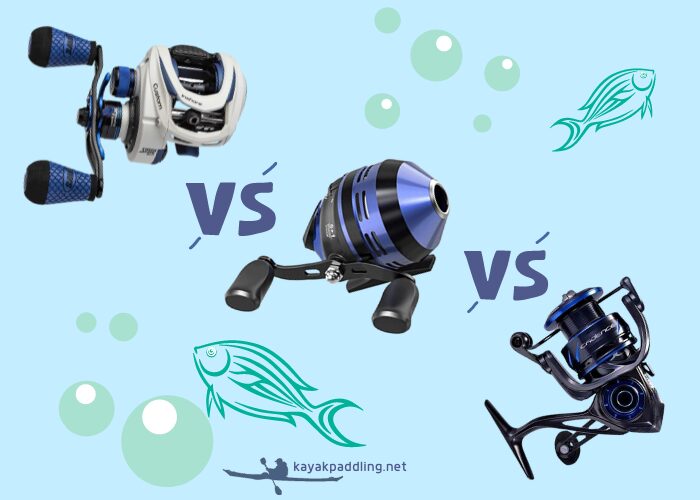
Understanding the "big three" of the reel world—spinning, baitcasting, and spin-casting—is essential for any angler looking to improve their catch rate and overall experience on the water.
A Brief Chronology of Reel Innovation
The history of the modern fishing reel is a testament to the intersection of mechanical engineering and outdoor recreation. While humans have been catching fish for millennia, the last century has seen an explosion of innovation.
- 1938: Daiwa Seiko Co., Ltd. marked a turning point in history by introducing the first commercially viable spinning reel. This design, which featured a stationary spool, solved many of the line-twist issues associated with previous prototypes and paved the way for modern light-tackle fishing.
- 1956: The Shakespeare Fishing Tackle Company revolutionized accessibility by launching the first spin-casting reel. By enclosing the spool in a housing, Shakespeare created a "push-button" system that virtually eliminated the learning curve for amateur anglers.
- 1958: George "Butch" Snyder Jr. played a pivotal role in the formalization of baitcasting technology. By standardizing the use and legality of these reels, Snyder helped transition baitcasting from a niche, professional technique to a staple in the gear bags of serious bass anglers worldwide.
The Big Three: Mechanical Breakdown
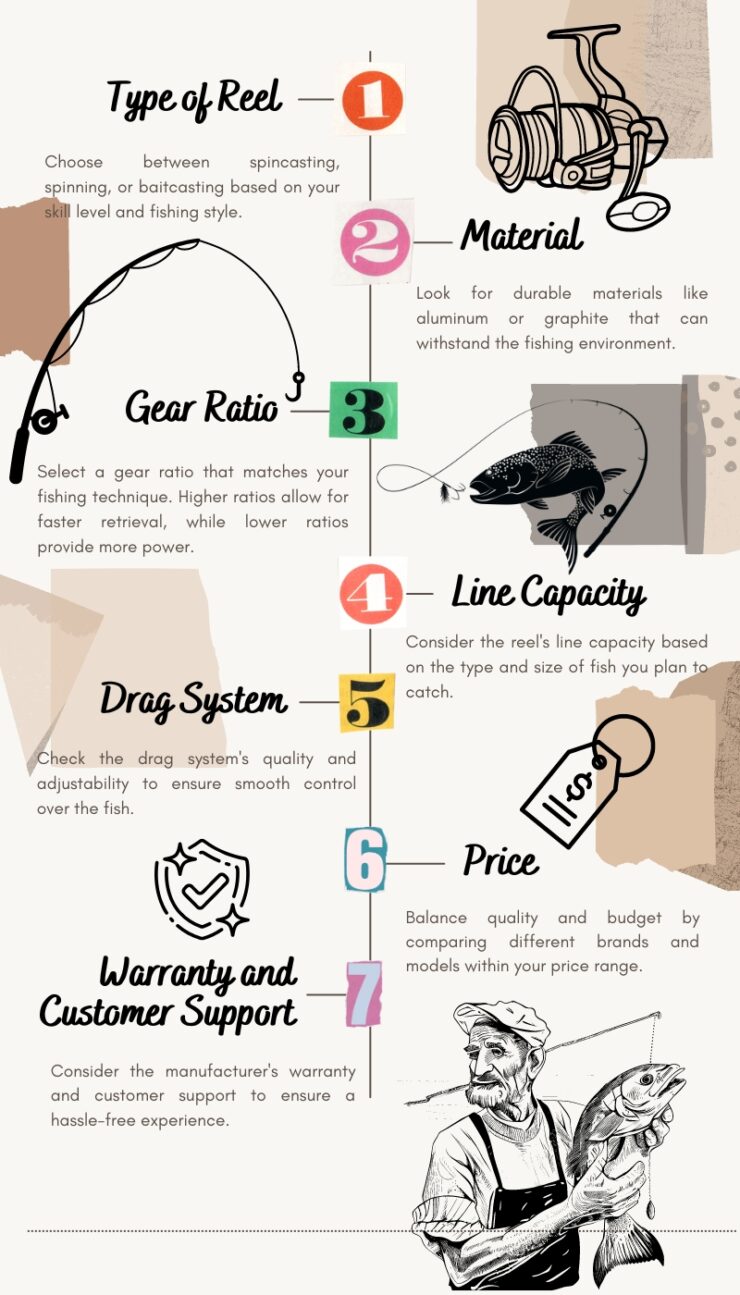
1. Spincasting: The Gateway to the Sport
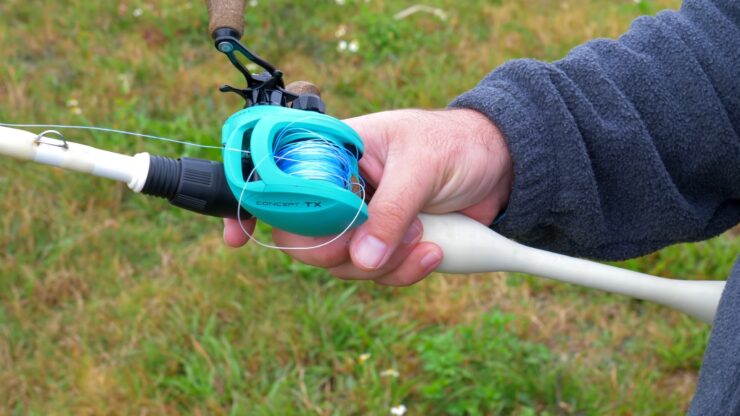
Often viewed as the "entry-level" option, the spincast reel is the undisputed champion of accessibility. Its design uses centrifugal force and line tension to operate, but unlike its counterparts, it is housed within a protective metal or plastic cone.
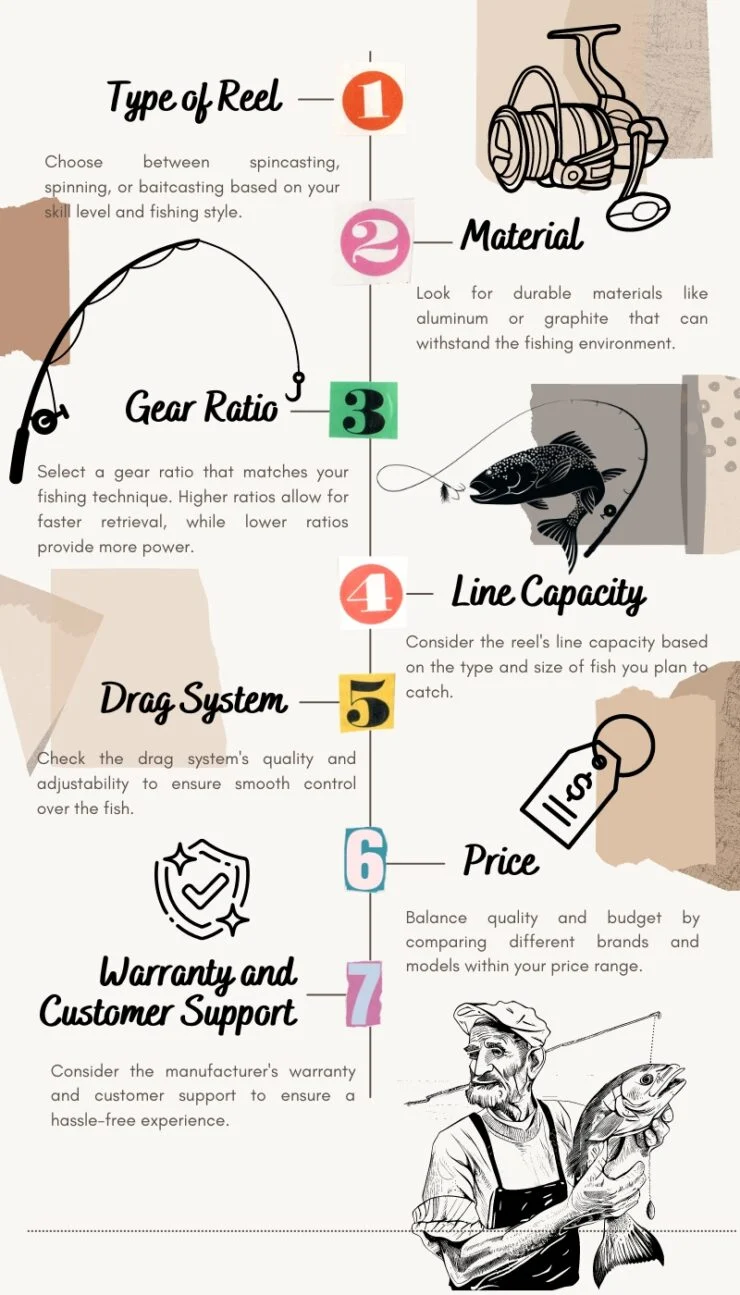
Why it matters: The spincaster is the ultimate tool for beginners. Because it lacks a bail arm and requires no complex manual line management, it allows a novice to focus entirely on their presentation rather than the mechanics of the reel. However, this simplicity comes at a cost: lower gear ratios and limited line capacity make it less effective for high-stakes competition or targeting trophy-sized, aggressive fish.
2. Spinning: The Versatile Workhorse
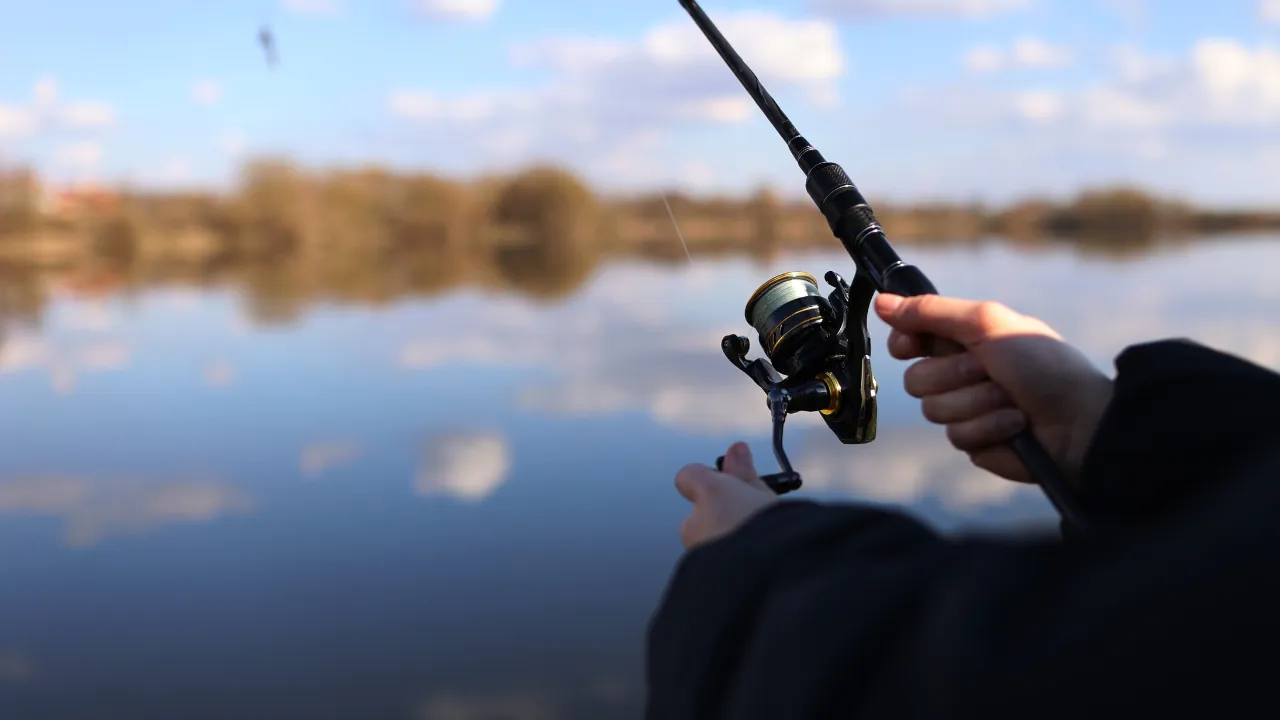
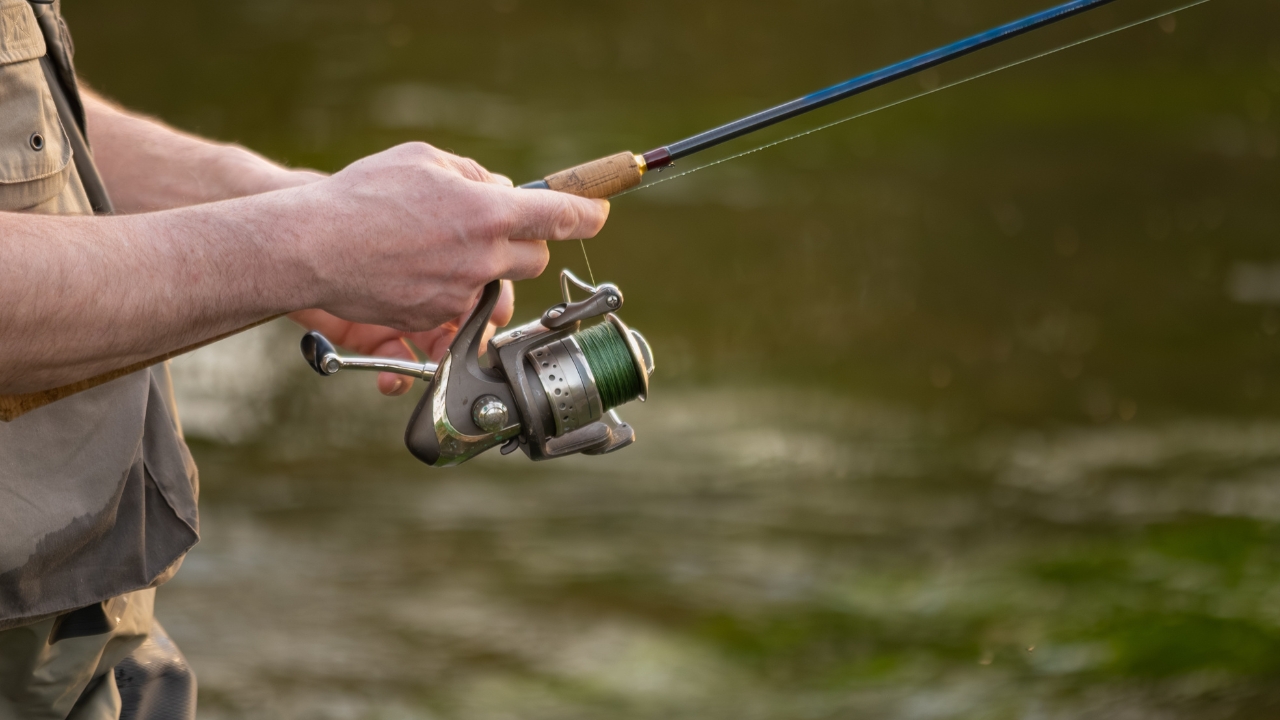
The spinning reel is the most ubiquitous tool in modern fishing. Mounted on the underside of the rod, it utilizes a spool that rotates on a pin between two stationary plates.
Key Technical Advantages:
- Weight Sensitivity: It handles light lures and thin lines with unparalleled efficiency.
- Capacity: Modern high-end spinning reels can hold vast amounts of line, with some specialized models supporting up to 975 yards of high-test backing for deep-sea or long-range applications.
- Casting Mechanics: The line flows off the spool in coils, which naturally reduces friction, allowing even the lightest jigs to be cast significant distances.
3. Baitcasting: The Angler’s Precision Instrument
Baitcasting reels are the preferred choice for the dedicated enthusiast. These reels sit atop the rod and feature a revolving spool that provides direct, high-torque control.
Technical Specifications:
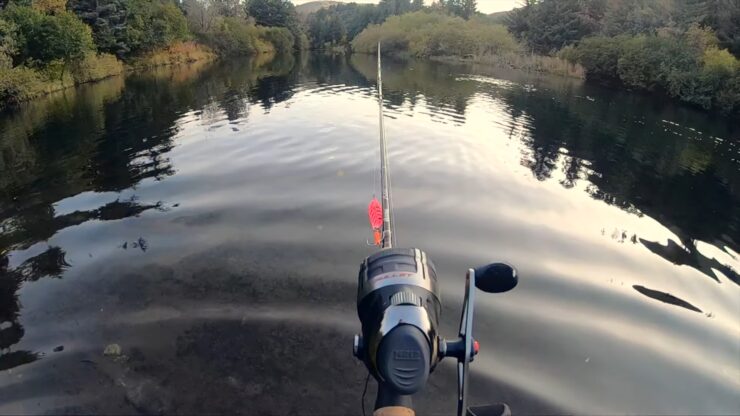
- Gear Ratios: Typically ranging from 5:1 to 8:1, allowing anglers to choose between raw cranking power or high-speed retrieval.
- Precision: The ability to use the thumb to feather the spool during a cast provides an unmatched level of accuracy, enabling the angler to "drop" a lure into a target the size of a dinner plate from fifty feet away.
Supporting Data: Selecting the Right Gear
When choosing between these three, it is not merely a matter of brand loyalty; it is a matter of physics and environment.
| Feature | Spincast | Spinning | Baitcasting |
|---|---|---|---|
| Learning Curve | Low | Medium | High |
| Accuracy | Low | Medium | Very High |
| Line Capacity | Low | High | Medium/High |
| Best For | Beginners/Kids | Versatility | Heavy Lures/Precision |
Expert Perspectives: The Nuance of Control
In an interview-style synthesis of industry standards, experts agree that the primary differentiator between these reels is the "feedback loop" between the angler and the lure.
"Baitcasters are a dream for the angler who wants to feel every vibration," notes industry consultant and expert angler Adelaide Gentry. "But the ‘backlash’—the dreaded bird’s nest—is the barrier to entry. You have to train your thumb to be an extension of the braking system."
On the other hand, the spinning reel is lauded for its "jack-of-all-trades" capability. "If you are only going to own one rod and reel setup," Gentry adds, "a medium-power spinning outfit is the only choice that covers bass, trout, and light saltwater species effectively."
The Implications of Proper Maintenance
Regardless of the price point or brand, a reel is a precision machine. The mechanical integrity of the internal gears determines whether a reel will perform under the stress of a ten-pound fish or seize up at the worst possible moment.
Routine Care Protocols:
- Freshwater Rinse: After every saltwater excursion, a gentle, non-pressurized freshwater rinse is mandatory to prevent salt crystal buildup.
- Lubrication: Reels rely on a delicate balance of grease and oil. Over-lubrication can trap dirt, while under-lubrication leads to metal-on-metal wear.
- Drag Inspection: The drag system is the most critical component during a fight. Ensure that the washers are not warped and that the drag releases line smoothly, without "stuttering."
Navigating Challenges: Troubleshooting the "Bird’s Nest"
The most common point of frustration for the developing angler is the baitcasting backlash. This occurs when the spool’s inertia exceeds the speed at which the line is being pulled by the lure.
Pro-Tip for Prevention:
- Adjust Tension: Before casting, tighten the spool tension knob until the lure falls slowly when the release button is pressed.
- The Thumb Rule: Always maintain light contact with the line on the spool as the lure approaches the water. This subtle pressure is the difference between a smooth cast and a tangled mess.
Why Anglers Maintain an "Arsenal"
The question often arises: Why do serious anglers own six or seven different setups? The answer lies in the specialized nature of modern fishing.
An angler on a bass boat might use a high-gear-ratio baitcaster to rapidly retrieve a buzzbait in the morning, a spinning reel to finesse-fish with a soft plastic in the mid-day heat, and a heavy-duty conventional reel if they transition to deeper, structural water. Each reel is a specific tool designed to mitigate a specific challenge, whether it be line capacity, retrieval speed, or the need for pinpoint accuracy.
Conclusion: The Path Forward
The world of fishing reels is as much about personal style as it is about technical specifications. While the industry continues to push the boundaries of materials—integrating carbon fiber, ceramic bearings, and super-light alloys—the core principles remain unchanged.
Whether you are a novice pressing the button on a spincaster for your first bluegill, or a tournament pro tuning the brakes on a high-end baitcaster to win a regional championship, the fundamental joy remains the same: the connection between the angler and the water. Choose your gear based on your immediate needs, but never stop learning the mechanics behind your craft. As with any art form, the mastery of the equipment is the final step toward mastery of the sport itself.