Introduction: A New Paradigm for Sustainable Development
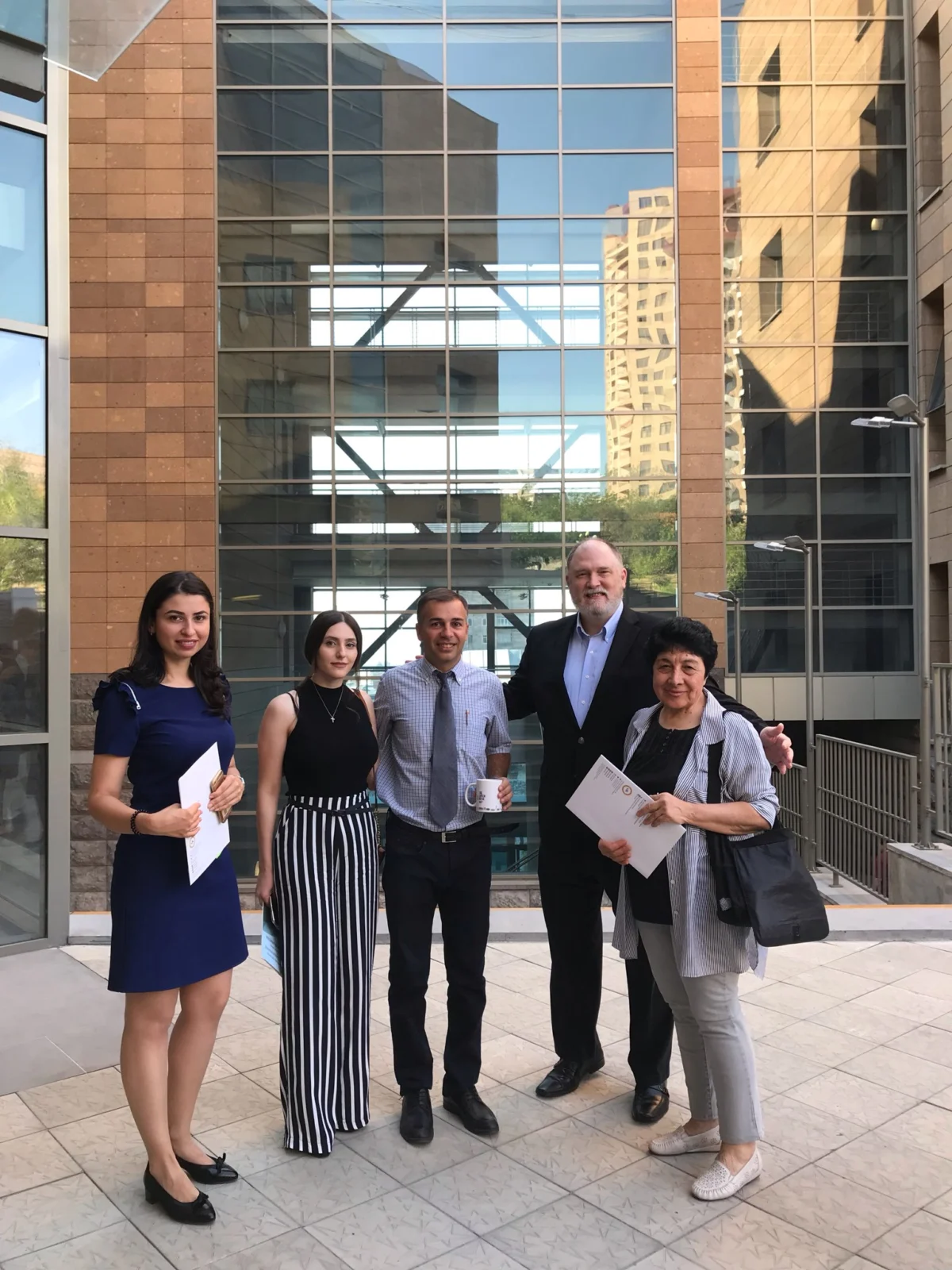
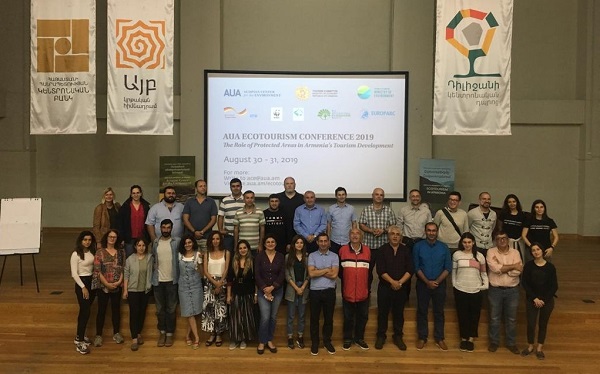
On August 30–31, the American University of Armenia (AUA) Acopian Center for the Environment hosted the fourth annual AUA Ecotourism Conference, a landmark event that served as a clarion call for the strategic integration of protected areas into the national economic framework. As global tourism trends shift decisively toward sustainability and environmental stewardship, Armenia stands at a critical juncture. The conference, held in partnership with the Tourism Committee of the Ministry of Economy, the Ministry of Environment, WWF Armenia, the Transboundary Joint Secretariat (funded by KfW), and The International Ecotourism Society (TIES), brought together a diverse cohort of policymakers, international experts, and local stakeholders to chart a path forward.
The central thesis of the assembly was clear: protected areas are not merely passive landscapes for conservation; they are vital economic assets capable of driving regional development, empowering local communities, and preserving Armenia’s rich natural heritage for generations to come.
The Strategic Importance of Protected Areas
For decades, the debate surrounding conservation versus economic growth has often been framed as a zero-sum game. However, the 4th AUA Ecotourism Conference sought to dismantle this outdated dichotomy. By inviting voices from the IUCN Commission on Protected Areas’ Tourism Specialists Group, the EUROPARC Federation, and TIES, the event successfully shifted the focus toward the "multiplier effect" of nature-based tourism.
The Economic Case for Nature
One of the most compelling presentations came from Dr. Thiago Souza of the IUCN, who challenged the traditional, limited accounting methods used by government agencies. Dr. Souza noted that many officials make the mistake of assessing the value of a protected area solely through the lens of entrance fees.
"Politically, the value of investing in protected areas is often lost because we typically don’t make an adequate economic analysis," Dr. Souza explained. He pointed to the stark reality that, in many nations, the operational budget of a protected area far exceeds the revenue collected from gate fees. In Brazil, for example, budgets can be nine times higher than fee income. However, when one shifts the analysis to include broader economic impacts—such as visitor spending in local hotels, restaurants, transportation, and the resulting tax revenues—the "return on investment" becomes transformative.
Dr. Souza cited data illustrating that for every dollar invested in a protected area’s infrastructure and management, the national economy can gain up to 15 dollars. In the European context, the returns are similarly robust, with every euro spent on protected areas generating between 7 and 10 euros in GDP activity. These figures offer a powerful argument for policymakers in Armenia: funding conservation is not a subsidy—it is a high-yield investment.
Global Trends: The Rise of the Conscious Traveler
The conference also provided a macro-perspective on the tourism industry. Jon Bruno, Executive Director of The International Ecotourism Society, highlighted the meteoric rise of the sector over the last thirty years. "Over 90 nations now have an ecotourism or sustainable tourism initiative," Bruno noted. "There is no other form of tourism or industry that has become so fundamental to the global economy so quickly."
The Shifting Demographics of Demand
The modern traveler is fundamentally different from the tourist of the late 20th century. Today’s travelers, particularly those under the age of 30, are increasingly value-driven. Mr. Bruno shared a striking statistic: 70% of people under 30 prioritize sustainability when making travel decisions. This shift in consumer behavior represents both a challenge and an opportunity for Armenia. To compete in this global market, Armenia must move beyond mass-tourism models and embrace high-quality, sustainable experiences that resonate with the modern, environmentally conscious traveler.
A Framework for Excellence: The EUROPARC Approach
While the economic potential is clear, realization of that potential requires strict management and international standards. This was the focus of the contributions from Carol Richie and Paulo Castro of the EUROPARC Federation. Representing a network of over 380 members across 37 countries, EUROPARC offers a roadmap for protected area management that balances conservation with economic vitality.
Safeguarding Heritage Through Standards
Ms. Richie warned of the dangers of unmanaged tourism, noting that "poorly managed tourism allows societal tensions to persist, weakens local communities’ connection to their heritage, and does irreparable damage to nature." To combat this, the Federation promotes the European Charter for Sustainable Tourism in Protected Areas.
The charter is not a "quick fix" or a mere marketing label; it is a rigorous process. Mr. Castro emphasized that it requires a long-term, multi-stakeholder commitment. Protected areas seeking this charter must establish permanent forums where local communities, business owners, and government officials collaborate to create tourism products rooted in local culture and resources. For Armenia, pursuing membership and alignment with the EUROPARC network could provide the country with the technical expertise and institutional legitimacy needed to elevate its parks to world-class status.
Chronology and Scope of the Conference
The two-day conference was structured to facilitate both theoretical learning and practical field assessment:
- Day 1: Strategic Vision and Economic Modeling: The opening sessions focused on global economic benchmarks, the role of international policy, and the presentation of studies, such as the 2015 Balmford et al. report, which estimated that protected areas globally generate US $600 billion in direct annual expenditures.
- Day 2: Operationalizing Sustainability and Field Visits: The second day transitioned into panel discussions covering the "how-to" of sustainable tourism. The sessions brought together government representatives and NGOs to identify specific gaps in the Armenian market. The event concluded with site visits to the Dilijan Tourism Information Center, the Dilijan National Park Visitor Center, and the Caucasian Red Deer Reintroduction Center.
These site visits allowed delegates to move beyond the conference room and engage directly with the infrastructure currently supporting Armenia’s ecotourism goals. Seeing the red deer reintroduction efforts firsthand underscored the point that tourism and wildlife conservation are inextricably linked—the wildlife is the "product," and its protection is the "investment."
Implications for Armenia’s Future
The implications of the 4th AUA Ecotourism Conference are far-reaching. The Armenian Ministry of the Environment has signaled that the event was a pivotal success, and planning is already underway to integrate the conference’s findings into a national growth strategy.
Recommendations for Policy and Practice
To fully realize the potential identified during the conference, Armenia must address several key areas:
- Economic Data Collection: Moving beyond gate-fee accounting to conduct comprehensive regional economic impact studies.
- Institutional Cooperation: Creating better coordination between the Ministry of the Economy and the Ministry of Environment to ensure that tourism promotion does not outpace environmental carrying capacity.
- Local Empowerment: Ensuring that the benefits of ecotourism—jobs, infrastructure improvements, and market access—are distributed to the rural communities living adjacent to protected areas.
- International Integration: Actively seeking partnerships with organizations like EUROPARC to adopt global best practices and improve the management standards of national parks like Dilijan.
Conclusion: A Vision Realized
The 4th AUA Ecotourism Conference has laid the groundwork for a more sophisticated, economically sound, and environmentally responsible tourism industry in Armenia. By recognizing that protected areas are the cornerstone of a sustainable economy, Armenia has the potential to position itself as a premier ecotourism destination in the Caucasus.
As the sector continues to grow, the lessons imparted by experts at the conference will serve as a guiding light. Whether through the implementation of the European Charter or the adoption of new economic analytical tools, the path toward a sustainable future is clear: it is one where nature and economy move in lockstep, ensuring that the beauty of Armenia’s landscapes is not just preserved, but celebrated as a driver of national prosperity.
For stakeholders interested in furthering these initiatives or organizing future collaborative seminars, the dialogue started at the AUA remains open, inviting all parties to contribute to the evolving landscape of sustainable travel.