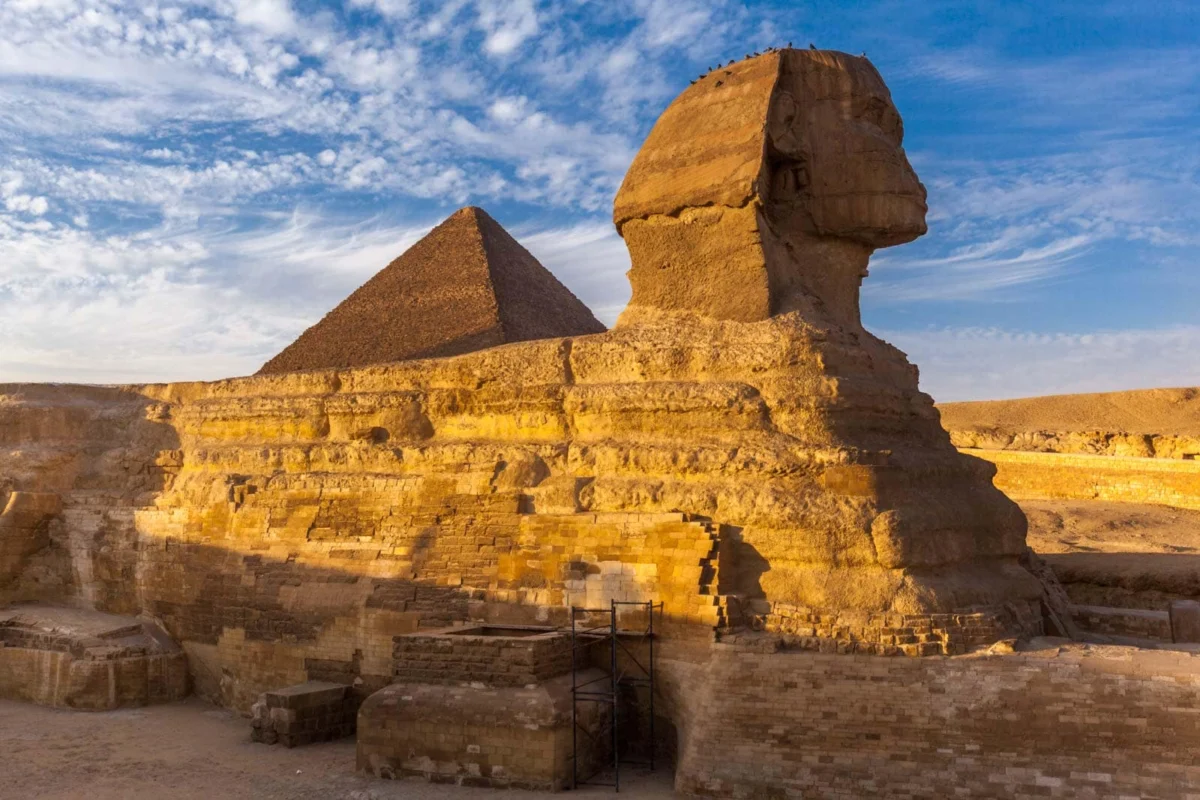
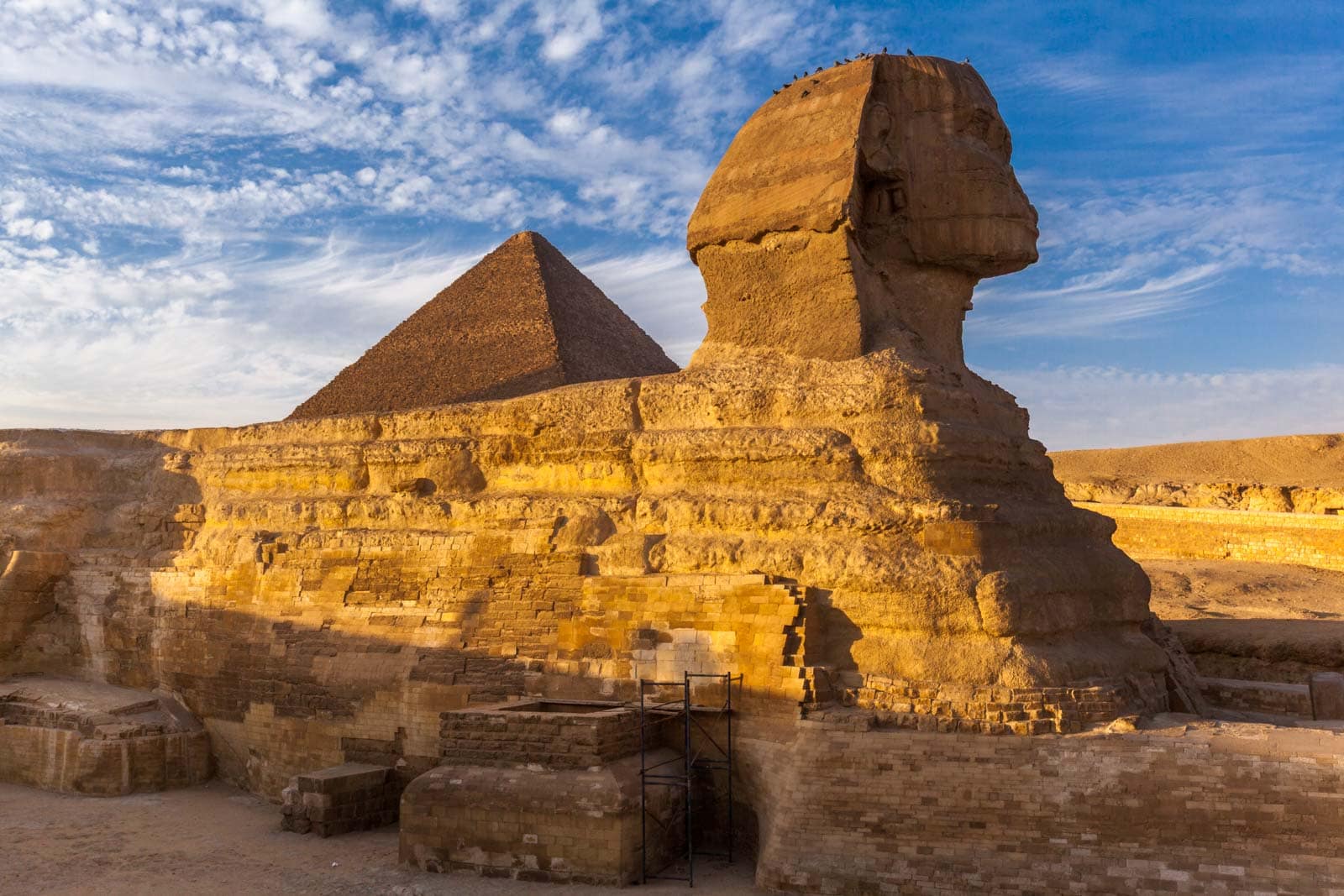
The question of safety in Egypt has become a focal point for international travelers, caught between the allure of ancient wonders and the caution instilled by global headlines. For the informed and well-prepared traveler, the answer is a resounding yes: Egypt remains an incredibly rewarding destination. Having explored the country multiple times, we can attest that standing before the Great Pyramids of Giza or wandering the hypostyle halls of Luxor is a life-altering experience.
However, Egypt is not a destination for the passive traveler. It is an intense, vibrant, and often chaotic environment that demands a higher level of situational awareness than a typical excursion. From the persistent charm of local touts to the intricacies of navigating bustling urban centers, success in Egypt requires an "eyes-open" approach.
The Context: Why Egypt Has a Reputation for Unrest
To understand the current safety landscape, one must look at the historical timeline of the region. For over a decade, international perception has been shaped by the 2011 Egyptian Revolution and the subsequent period of political transition. While these events were fundamentally internal political shifts, the global media cycle focused heavily on the instability, leading to a sharp decline in tourism—an industry that serves as a cornerstone of the Egyptian economy.
Following this period, isolated security incidents in tourist-centric zones further complicated the narrative. However, context is vital: the Egyptian government has responded with some of the most rigorous security measures in the world. Today, the presence of tourist police and military personnel at archaeological sites, airports, and major hotel corridors is not merely for show—it is a comprehensive security infrastructure designed to insulate the tourism sector from regional volatility.

Current Travel Advisories and Security Realities
Before planning any international travel, it is standard procedure to consult government resources such as the U.S. Department of State or Global Affairs Canada. While these advisories are essential, they are often written with extreme caution to cover all potential risks.
It is critical to distinguish between the "tourist corridor" and restricted zones. The popular route—encompassing Cairo, the Nile Valley (Luxor and Aswan), and the Red Sea resorts—functions under a different security reality than the North Sinai Peninsula or the remote Western Desert near the Libyan border. Official warnings for the latter regions should be taken as absolute; however, these warnings are frequently misapplied by travelers to the entirety of the country, obscuring the stability found in the heart of Egypt’s tourism industry.

Regional Safety: A Tale of Two Egypts
Cairo: The Vibrant Megacity
As one of the world’s most populated urban centers, Cairo is a sensory overload. With over 20 million residents, the city is a living, breathing testament to history. Safety concerns here are rarely about violent crime; rather, they center on petty theft in crowded marketplaces like Khan el-Khalili and the unpredictability of local traffic. The "danger" is mostly the chaotic pace of life. Exercising basic urban street smarts—securing belongings and exercising extreme caution when crossing streets—is sufficient.
Luxor and Aswan: The Nile’s Gentle Pace
Moving south, the rhythm of life shifts. In Luxor and Aswan, the primary challenge is not security, but the "hassle factor." Travelers are frequently approached by vendors and service providers. The key to maintaining safety and peace of mind is to adopt a firm, polite, but decisive manner. A simple "La, shukran" (No, thank you) remains the most effective tool in a traveler’s arsenal.

The Red Sea "Bubble"
Resorts in Sharm el-Sheikh and Hurghada operate within a specialized security envelope. Access roads are guarded, and internal security is highly concentrated. These areas offer a "resort bubble" experience where safety protocols are standardized, mirroring beach destinations across the globe.
Navigating Common Scams and Annoyances
Foreknowledge is your greatest defense against the common pitfalls of Egyptian tourism.

- The "Shop Tour" Tactic: Local acquaintances or drivers may suggest a visit to a "special" shop or gallery. These are almost always commission-based. It is entirely acceptable to decline these detours firmly and redirect the conversation back to your planned itinerary.
- Aggressive Transport Pricing: Always agree on a fare before entering a taxi. To eliminate this anxiety entirely, utilize ride-sharing applications like Uber or Careem, which provide fixed, trackable, and transparent pricing.
- The "Baksheesh" (Tip) for Photos: At major sites, individuals may offer to take your photo or point out a "secret" viewpoint. Often, this is a precursor to a demand for a tip. If you do not wish to pay, politely decline all unsolicited assistance from the outset.
Health and Hygiene: Avoiding "Pharaoh’s Revenge"
Health concerns are the most common reason for a trip being cut short. While "Pharaoh’s Revenge" is legendary, it is largely avoidable:
- Water Safety: Never drink tap water. Use bottled water for drinking, and even for brushing your teeth.
- Food Hygiene: Prioritize busy street food stalls where food is cooked fresh and served at high temperatures. Avoid raw salads or fruit that you cannot peel yourself, as these are often washed in tap water.
- Vaccinations: Consult a travel medicine specialist well before departure. Routine updates for Hepatitis A and Typhoid are standard recommendations for travel in this region.
Considerations for Solo Female Travelers
Egypt is undeniably a more challenging environment for solo female travelers than for men or couples. The primary concern is not physical safety, but the persistent, often exhausting, verbal harassment and intense staring.

While many women travel solo in Egypt successfully, it requires a higher level of preparation:
- Modest Dress: Dressing conservatively (covering shoulders and knees) is not just a sign of respect for local culture; it serves as a social shield that can significantly reduce unwanted attention.
- Transportation: Rely on reputable hotels to arrange transport or use ride-sharing apps, which allow you to share your route with contacts back home.
- Social Boundaries: Be confident in your ability to say "no" and walk away from uncomfortable situations.
The Case for Guided Tours
For first-time visitors, the value of a professional tour operator cannot be overstated. A high-quality guide provides more than just historical context; they act as a buffer between the traveler and the local environment.

- Logistical Efficiency: They handle the nuances of transport and entry fees, allowing you to focus on the experience.
- Security Coordination: Reputable operators are well-versed in the latest security updates and have established relationships with local authorities.
- Cultural Interpretation: They can bridge the cultural gap, helping you navigate interactions with locals in a way that is respectful and mutually beneficial.
Final Verdict: Is It Worth It?
Should you travel to Egypt? The answer is a resounding yes, provided you approach the destination with the respect and preparation it deserves. Egypt is not a place where you can switch off your critical thinking, but it is a place that offers rewards few other destinations can match.
The Egyptian people are remarkably welcoming, and the country is eager to share its monumental history with the world. By staying informed, dressing modestly, relying on reputable services, and maintaining a healthy sense of boundaries, you can experience one of the world’s greatest civilizations without compromising your safety. It is a journey that will challenge your perspectives and leave you with memories that persist long after the dust of the desert has settled.