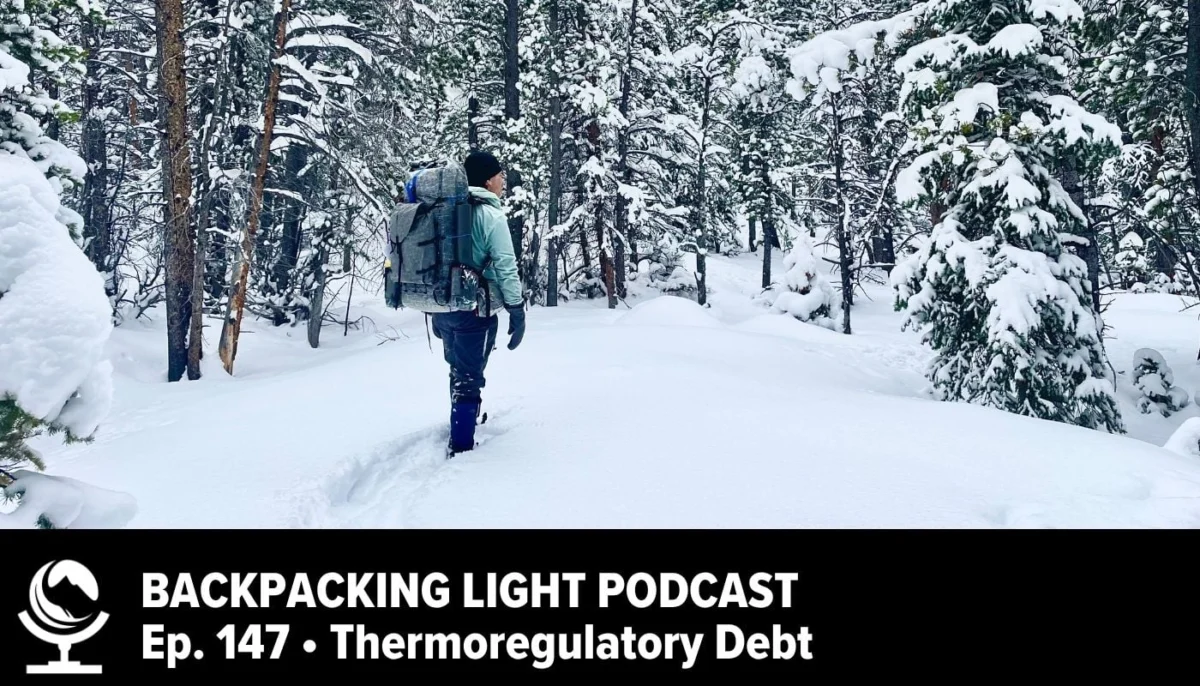
In the world of alpine climbing and long-distance backpacking, survival is often framed as a battle against the elements. We obsess over the weight of our packs, the waterproof rating of our membranes, and the warmth-to-weight ratio of our down jackets. Yet, according to a recent deep dive in Episode 147 of the Backpacking Light podcast, hosted by Ryan Jordan, the most critical factor in backcountry safety isn’t the gear you carry—it is the timing of your decisions.
The episode introduces a compelling, high-level framework titled "Thermoregulatory Debt." By borrowing the vocabulary of personal finance, Jordan provides a mental model for understanding why backcountry enthusiasts often find themselves in precarious, shivering situations despite being well-equipped. The core thesis is straightforward: cold-weather safety is not a static state; it is a dynamic, compounding ledger of physiological costs.
The Core Concept: The "Credit Card" of Cold Exposure
At its heart, thermoregulatory debt is the physiological consequence of delayed decision-making. Much like financial debt, these small, seemingly harmless delays in adjusting clothing or managing energy expenditure compound quietly over time. By the time a hiker feels truly miserable—shivering, clumsy, or soaked—they have already accumulated a massive "debt" that is incredibly difficult to pay back in the harsh, resource-constrained environment of the wilderness.
The "interest rate" on this debt is aggressive. Once a body’s core temperature begins to drop or the internal insulation system becomes compromised by moisture, the energy required to return to a baseline state of comfort increases exponentially. In the backcountry, there is no "easy credit." You cannot simply stop and warm up if you have already depleted your caloric reserves or if your fingers have lost the dexterity required to manipulate your stove or zippers.
Chronology of a Crisis: The Three Phases of Debt
The Backpacking Light framework breaks down the progression of thermoregulatory failure into three distinct, chronological phases. Recognizing these stages early is the only way to avoid the catastrophic "default" of hypothermia.
Phase 1: The Decision Phase
The process begins with a failure to act. This is the moment a hiker ignores the early warning signs of heat buildup during a steep ascent. Failing to vent pit zips, delaying the removal of a mid-layer, or waiting too long to eat a calorie-dense snack are all "borrowing" against future stability. At this stage, the error is minor, but the cumulative effect on the micro-climate inside your clothing system is already beginning to manifest.
Phase 2: The Physiological Imbalance
Once the decision phase is bypassed, the body enters a state of imbalance. The internal environment begins to lose heat or trap moisture faster than the body’s metabolic processes can compensate. This is where the physical reality of the environment overtakes the gear. Moisture—whether from sweat or external precipitation—begins to migrate through the layers. Once the insulation’s loft is compromised by humidity, its thermal efficiency plummets, and the body’s cooling rate accelerates via conduction and evaporation.
Phase 3: Delayed Impairment
The final phase is the "collection notice." This is the sudden, acute discomfort that hits when you finally stop to rest or reach camp. Because the body has been working overtime to maintain homeostasis, it lacks the remaining energy to generate heat when the activity level drops. This leads to the onset of shivering, loss of fine motor skills, and, eventually, a decline in cognitive performance.
Categorizing the Debt: Moisture, Heat, and Performance
To manage this risk, the podcast categorizes the debt into three interlocking domains. Understanding these distinct categories allows hikers to pinpoint exactly where their systems are failing.
Moisture Debt: The Silent Thief
Moisture debt is the accumulation of sweat, condensation, or external precipitation inside a clothing system. When a hiker pushes hard without venting, moisture moves from the skin into the insulation layers. Traditional solid-knit fabrics often hold this moisture, drastically increasing heat loss. As the podcast notes, modern solutions—such as the fishnet structures championed by sponsors like Brynje—utilize polypropylene and merino wool to create a physical gap between the skin and the insulation, maximizing breathability and drying speed.
Heat Debt: The Energy Deficit
Heat debt occurs when environmental heat loss via conduction, convection, radiation, and evaporation outpaces the metabolic heat produced by the body. This is a direct function of energy expenditure. Once the clothing is wet and the energy reserves are low, the hiker enters a downward spiral. The cold becomes a physical barrier that prevents the body from performing the very tasks (like lighting a stove) that would provide the necessary warmth to recover.
Performance Debt: The Cognitive Collapse
The most dangerous form of debt is performance-related. It manifests as a loss of dexterity and mental acuity. When fingers turn white and numb—a condition often associated with the early stages of frostnip—the hiker loses the ability to perform basic life-support tasks. Opening a food wrapper, adjusting a helmet, or operating a fuel valve becomes a monumental challenge. At this point, poor judgment follows, and the hiker may stop making rational decisions regarding their safety.
Supporting Data and Real-World Applications
The podcast’s framework is supported by the physiological realities of the human body. When the body is cold, the sympathetic nervous system initiates peripheral vasoconstriction, rerouting blood flow away from the extremities to protect the torso and head. While this is an effective survival mechanism for the brain and heart, it effectively sacrifices the hands.
One listener noted a critical addition to the discussion: the risk of permanent sensitivity. "I used to just continue using my fingers when they became numb and turned white," the listener observed. "Now I stop using them and rewarm. If my body is cold, blood is rerouted from my fingers… which makes them more likely to get frost nip." This observation underscores the importance of proactive, rather than reactive, gear management.
Official Guidance: Practical Interventions
The Backpacking Light team emphasizes that staying out of "debt" requires a shift from reactive to proactive behavior. The following interventions are recommended for those operating in cold, wet, or windy conditions:
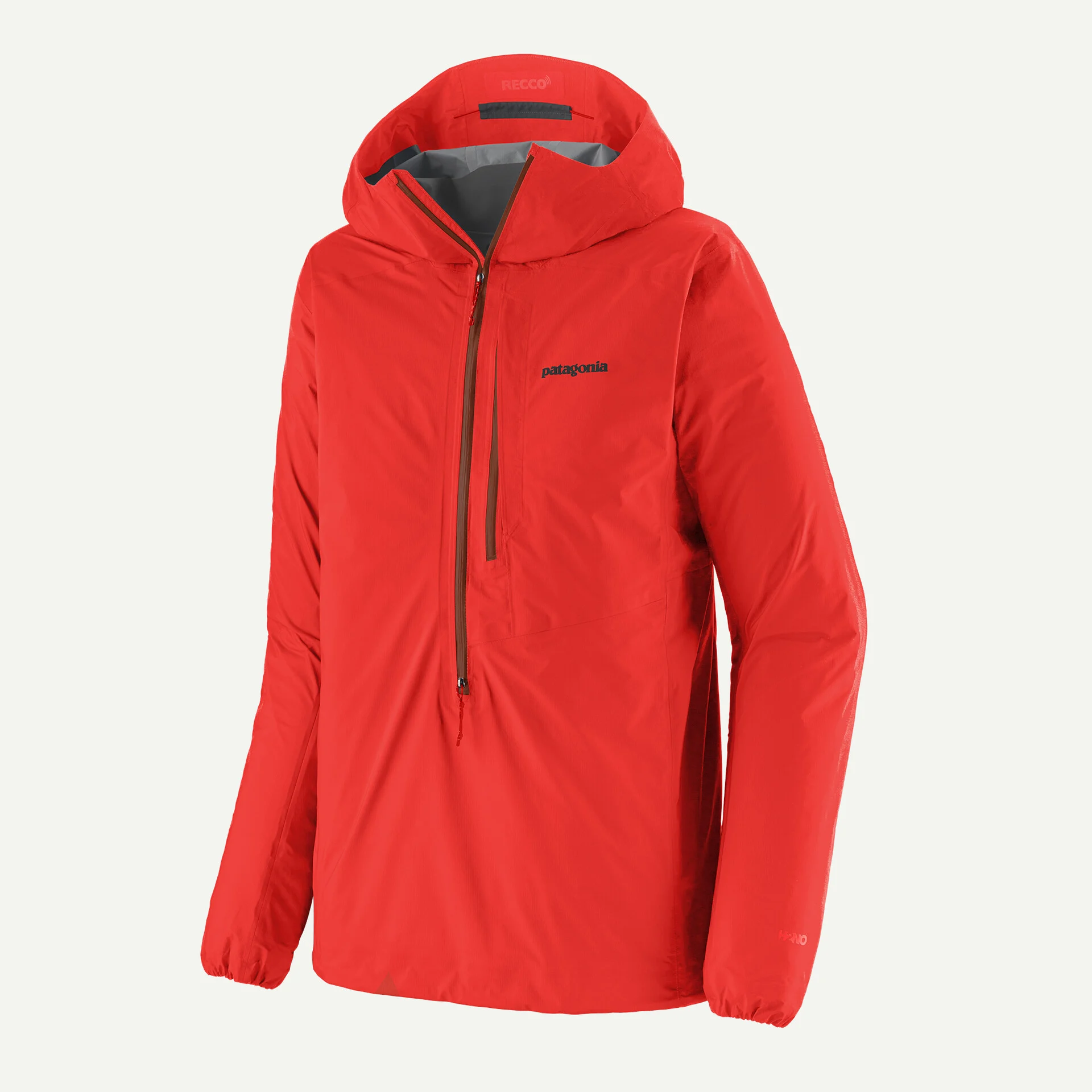
- Vent Early and Often: Do not wait until you are fully sweating to open pit zips or shed a wind shell. Manage the micro-climate before it becomes saturated.
- Anticipate the Shift: Adjust your layering based on upcoming terrain. Remove a layer before a sustained uphill climb and put on an insulation layer before you stop for a break.
- Protect Dry Insulation: Maintain a strict separation between your "active" clothing and your "camp" insulation. Never let your dry, fluffy down jacket touch your sweaty hiking layers.
- Fuel the Furnace: Caloric intake is the body’s primary fuel for heat generation. Eat and hydrate on a schedule, rather than waiting for hunger or thirst to trigger a response.
- Continual Reassessment: Make it a habit to analyze your thermal comfort every time the terrain or weather changes.
Implications for the Future of Mountaineering
The introduction of the "Thermoregulatory Debt" model signals a maturing of backcountry education. By moving away from purely "gear-centric" advice—which often leads hikers to believe that buying a more expensive jacket will solve their problems—this framework places the agency back on the user.
It implies that the most expensive gear in the world is useless if the user treats their thermal regulation like a credit card with an infinite limit. The "debt" is always waiting to be paid. For the outdoor industry, this shift in focus emphasizes the need for systems that promote breathability and moisture management over static warmth. It suggests that the future of cold-weather safety lies in fabric structures that allow for rapid thermal adjustment without requiring the user to stop, unpack, and change their entire clothing system.
Ultimately, as the Backpacking Light podcast highlights, the backcountry is an environment of finite resources. Every decision has a cost, and in the mountains, the most expensive purchase you can make is the one you delay. By adopting a proactive mindset, hikers can ensure that they remain in the black—physiologically capable, warm, and safe—even when the conditions turn against them.