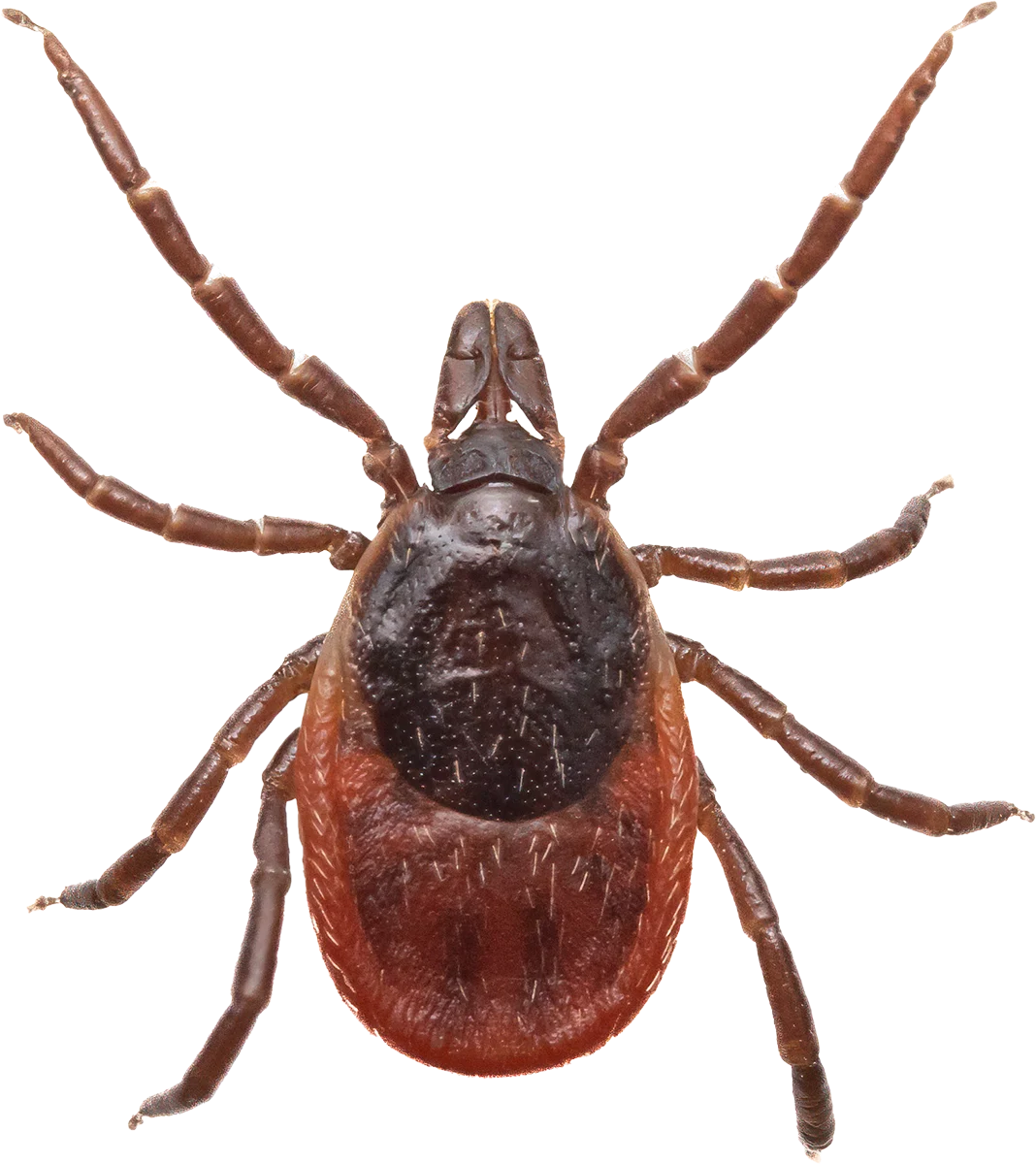
The tick is a creature that rarely leaves anyone indifferent. In the common imagination, it is little more than a parasitic nuisance—a tiny, blood-sucking menace that turns serene forest walks into cautious, anxiety-ridden inspections. Media coverage of ticks is almost exclusively centered on the harm they cause to humans and domestic animals. It is a rare occasion to find a neutral, let alone positive, word written about these arachnids.
This narrow focus is a profound missed opportunity. If we set aside the human-centric perspective and view ticks through a biological and historical lens, their existence is not only fascinating but essential to understanding the evolution of our own relationship with the natural world.
The Myth of "Usefulness"
When discussing creatures perceived as "harmful," the question inevitably arises: "What is the point of them?" However, nature does not recognize the human concept of "utility." There is no evolutionary requirement for a species to be beneficial to humanity; their value lies in their role within their respective ecosystems, particularly as a food source for other animals and as part of the intricate web of life.
The prevailing "tick panic" is often a product of modern media framing. When we ask, "What are they for?", we are projecting a human value system onto a biological reality that has existed for millions of years. As I once remarked in Suomen Luonto—admittedly with a touch of dark humor—the only "purpose" humans assign to them is that of an alien invention designed to clear us from the planet. While that quote was borrowed from the lyrics of the band Hornss, it captures the irrational fear that currently dominates our discourse.
A Historical Perspective: From Curiosity to Fear
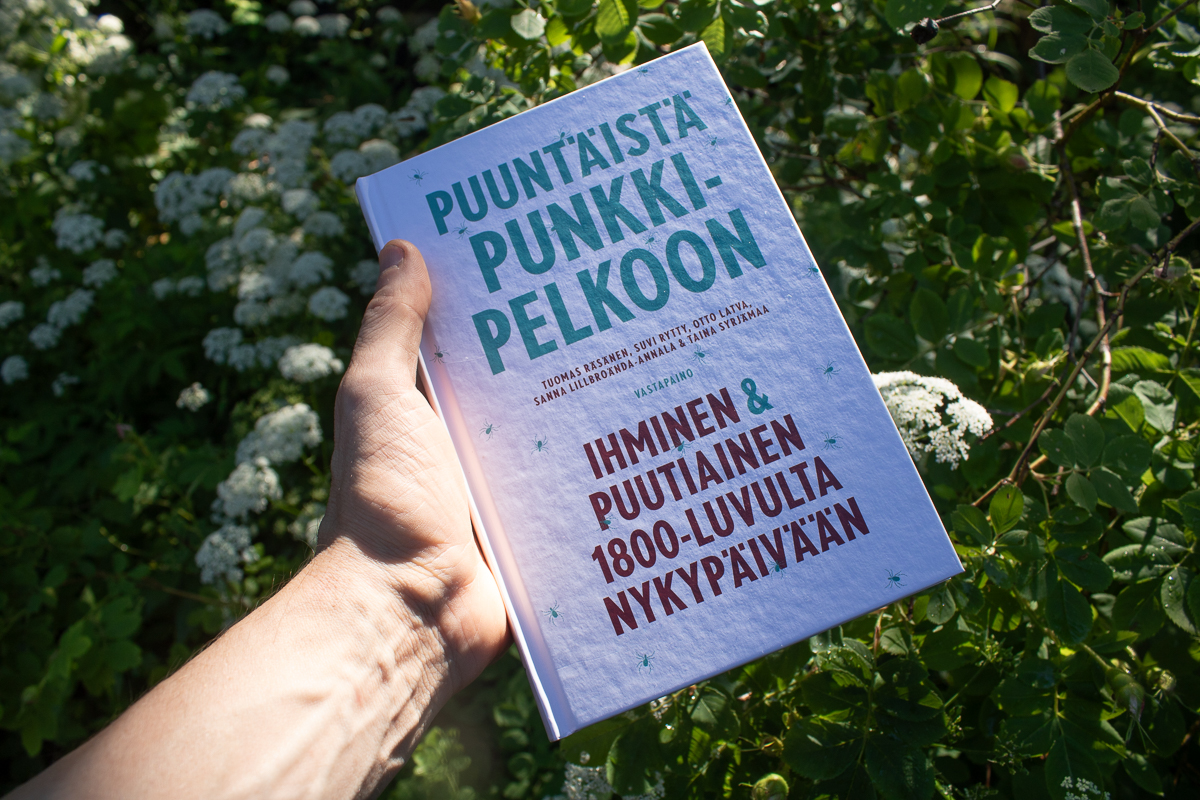
The recently published book Puuntäristä punkkipelkoon – Ihminen ja puutiainen 1800-luvulta nykypäivään (From Ticks to Tick Panic: Humans and Ticks from the 1800s to Today) offers a much-needed correction to our collective hysteria.
Far from a sensationalist guide to avoiding bites, this work provides a rigorous, humanistic examination of how our relationship with ticks has shifted over three centuries. It covers a time when the connection between ticks and disease was not even understood, revealing that our current terror is a relatively modern phenomenon.
The Chronology of Perception
- The Pre-Scientific Era (1800s–Early 1900s): During this period, ticks were considered a minor annoyance, akin to mosquitoes or flies. While nobody enjoyed having one burrow into their skin, there was no widespread fear. People were aware of their presence in the tall grass, but the lack of medical knowledge regarding vector-borne diseases meant that ticks were seen as a natural, if unpleasant, part of rural life.
- The Rise of Medical Awareness (Mid-20th Century): As science began to identify tick-borne diseases like Lyme borreliosis and tick-borne encephalitis (TBE), the perception shifted. The discovery of these pathogens changed the tick from a minor irritant to a legitimate health risk.
- The Modern "Tick Panic" (2000s–Present): Today, we live in an era where climate change and the expansion of host populations (like deer) have led to increased tick sightings. This has been amplified by 24-hour news cycles, which often use alarmist language to discuss a phenomenon that, while requiring caution, is being turned into a source of public hysteria.
Supporting Data and Research
One of the most striking aspects of the book is its depth of research. With a 25-page bibliography, the authors demonstrate that their conclusions are not based on anecdotes or "gut feelings," but on extensive historical and scientific review.
A common misconception addressed in the text is the idea that tick populations have "exploded" beyond all historical norms. The authors suggest that while numbers have indeed risen due to environmental changes, our perception is skewed because there was a significant dip in tick populations earlier in the 20th century. We are essentially recalibrating our "baseline" expectations of how many ticks belong in a forest.

Furthermore, the book clarifies the biological reality of the tick’s behavior. The persistent myth that ticks "climb trees" to drop onto unsuspecting victims is debunked. They are ground-dwellers, waiting in low-lying vegetation. Understanding this simple fact is the most effective tool in personal protection, yet fear often keeps people from looking at the reality of how these creatures actually live.
Official Responses and Medical Evolution
The evolution of medicine in response to ticks has been a race against time. The book provides a detailed look at the development of TBE vaccines and the decades-long, often frustrating quest for a borreliosis vaccine.
The narrative surrounding these medical developments is enlightening. We often treat the current lack of a universal Lyme vaccine as a failure of modern science, forgetting that research has been ongoing since the 1990s. By placing these efforts in a historical context, the book highlights the complexity of human-tick interactions and the difficulty of "solving" a problem that is fundamentally ecological.
Implications for Our Future
What does this mean for our future? If we continue to view the outdoors through a lens of fear, we risk damaging our relationship with the natural world.
1. The Media’s Role in Alienation
The media, both commercial and public, plays a significant role in "driving a wedge" between humans and nature. By using sensationalist language—calling ticks "the most dangerous animal in Finland"—we foster a culture of avoidance. When we describe natural phenomena using hostile, militaristic, or negative adjectives, we teach the public to see the wilderness as a battlefield rather than a home.
2. Normalizing the Cycle
We need to shift our perspective. If we were to compare ticks to birds—which also carry various diseases—we would see that we are much more tolerant of the latter. Birds are "part of nature," while ticks are "the enemy." This cognitive dissonance is a barrier to a healthy, realistic understanding of biodiversity.
3. Practical Knowledge over Panic
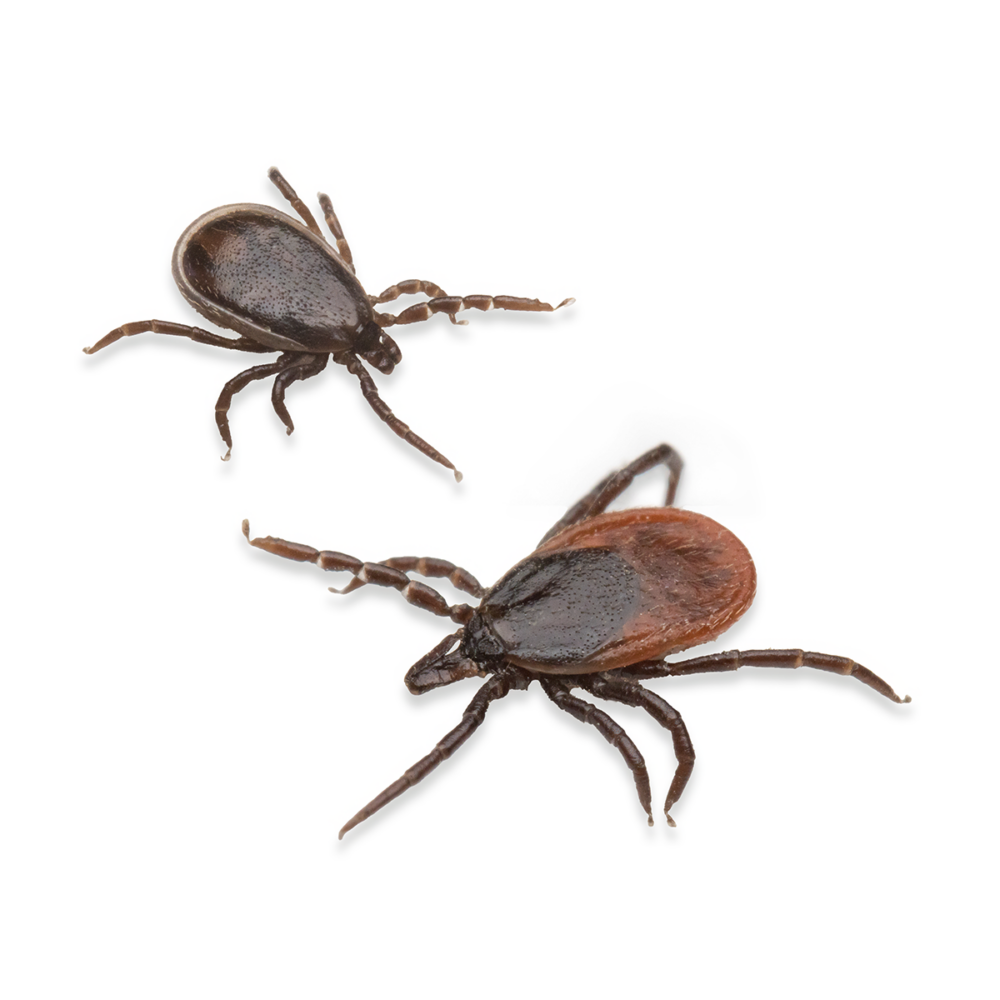
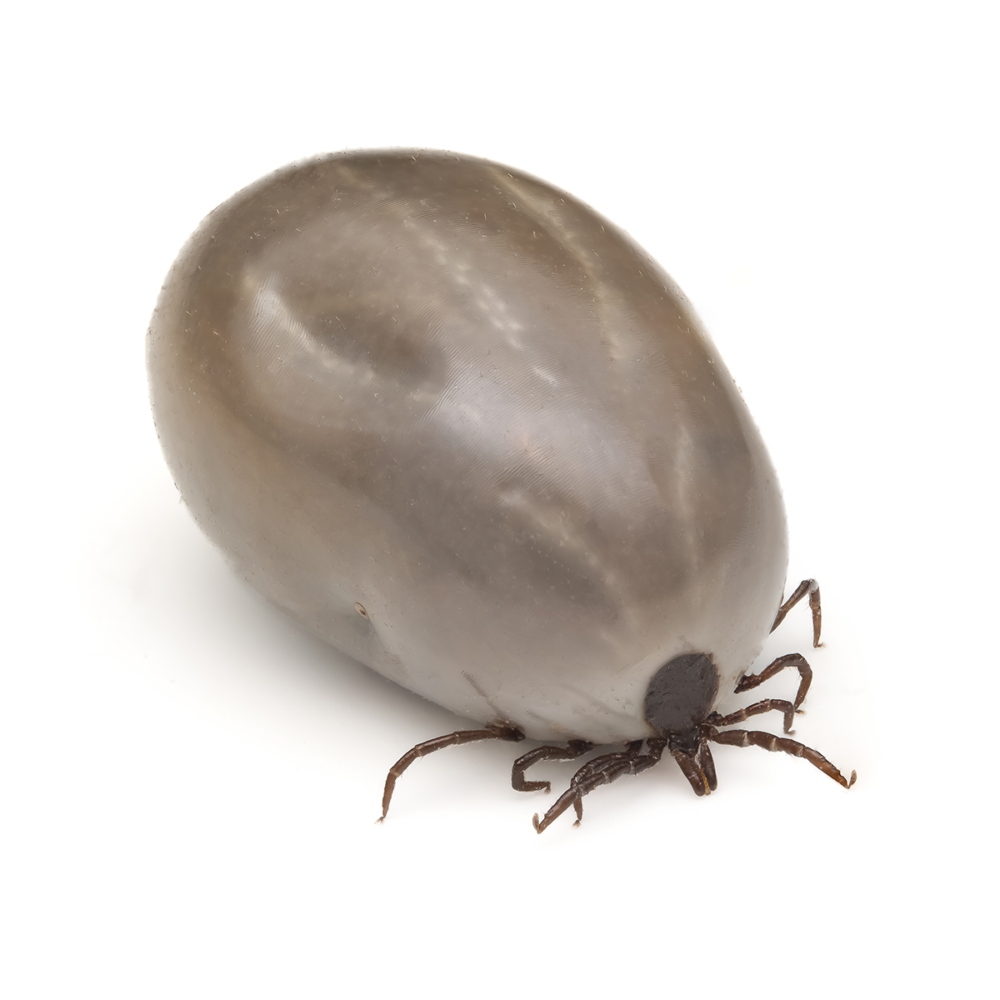
The book encourages a shift from "panic" to "preparedness." By understanding the life cycle of the tick—such as the fact that females can increase their body mass a hundredfold after a blood meal—we gain a sense of respect for their biological efficiency.
Conclusion: A Call for a Shift in Perspective
From Ticks to Tick Panic is not just for the arachnid enthusiast. It is a vital read for anyone who has ever felt the anxiety of a forest walk or questioned why we are so terrified of the smallest members of our ecosystem.
Knowledge does not increase suffering; it increases agency. By learning about the history of our relationship with these tiny creatures, we can dispel the myths that fuel our fears. When we move past the sensationalism, we find that the world is not a place to be feared, but a complex, interconnected system that we are privileged to observe.
If you are someone who hates or fears ticks, I highly recommend reading this book. It may just be the "attitude adjustment" you need to reclaim your time in the woods. For those interested in further entomological discussions, feel free to follow my work on Instagram @hyonteismies, where we continue to explore the fascinating, often misunderstood, world of invertebrates.
The full review of the book will appear in the August issue of Suomen Luonto. Support our commitment to high-quality, evidence-based environmental journalism by subscribing to the magazine.