Date: September 1, 2026
Author: Samuli Haapasalo | Vuosi luonnossa (A Year in Nature)
The autumn migration is a tapestry of fleeting moments, serendipitous encounters, and a distinct, melancholic atmosphere that defines the transition of seasons. Unlike the urgent, concentrated pulse of spring migration, the southward journey of birds is a protracted, deliberate, and often unpredictable phenomenon. For the dedicated birdwatcher, this season offers more than just numbers; it provides a profound insight into the resilience and adaptability of avian populations in a rapidly changing world.
The Dynamics of Autumn Migration: Beyond the Spring Rush
While spring migration is often characterized by a frantic, high-energy push toward northern breeding grounds, autumn migration is a more sprawling, heterogeneous event. It is not merely a reverse journey but a complex ecological shift. The autumn period is marked by a significantly higher volume of individuals compared to the spring—a result of the season’s successful breeding cycles. This surge in numbers provides ornithologists and enthusiasts alike with a vital barometer: the ratio of juvenile birds observed during migration offers critical data on the success of the year’s nesting efforts.
However, observing this movement requires patience and a keen eye for detail. Unlike the predictable routes of spring, autumn migrants are often subject to the whims of weather patterns. Storm fronts and shifting wind currents can displace flocks, pushing them far from their traditional migratory corridors and into unexpected habitats. For the observer, this creates a unique opportunity to witness species in geographical contexts where they are rarely seen, turning a standard field observation into an extraordinary discovery.
Chronology of the Season: A Gradual Shift
As we progress through the weeks of 2026, the patterns of migration become increasingly nuanced. By late August and early September, the first waves of shorebirds and waterfowl have already begun their southward trek.
The Early Phase (Late July – August)
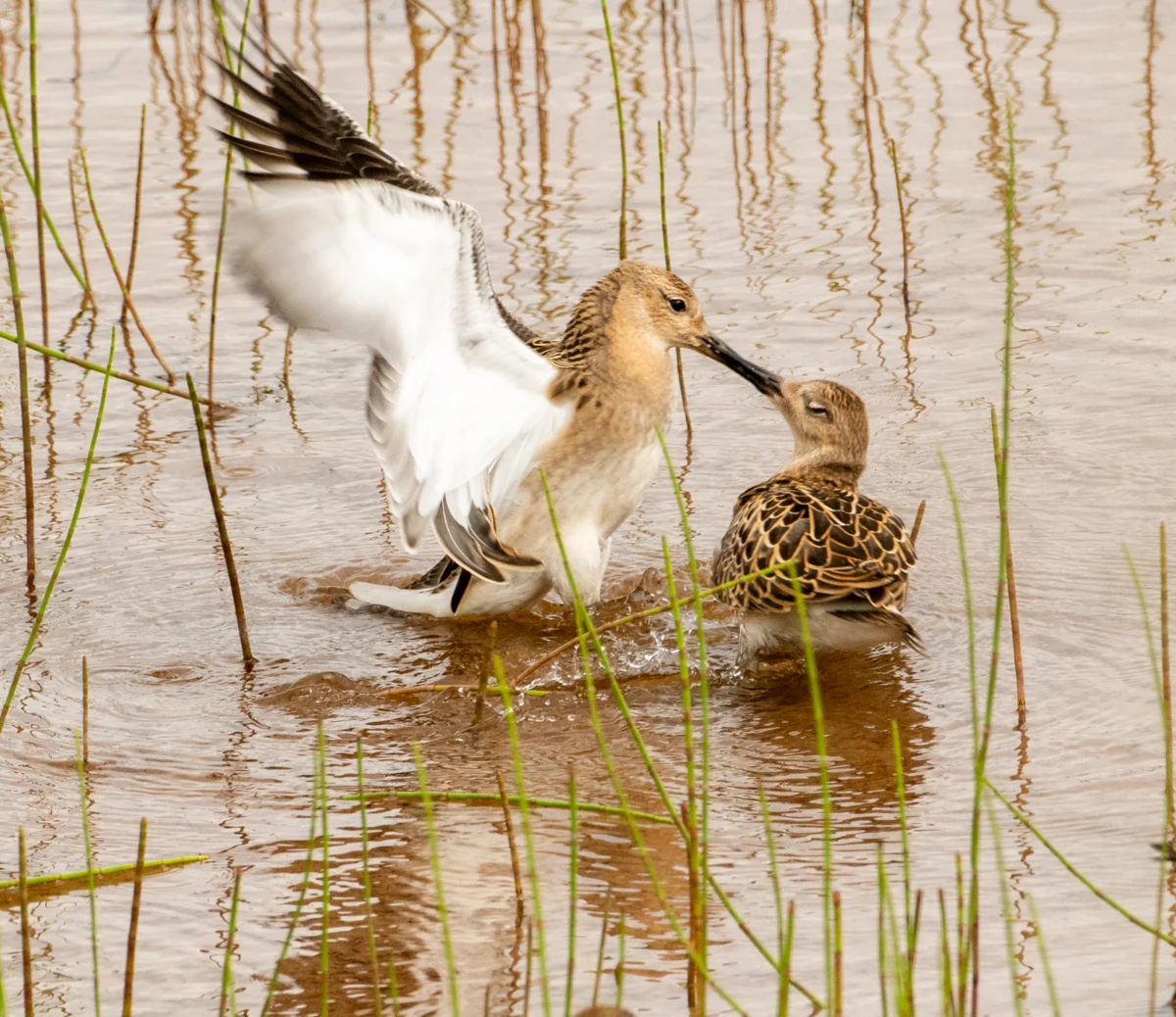
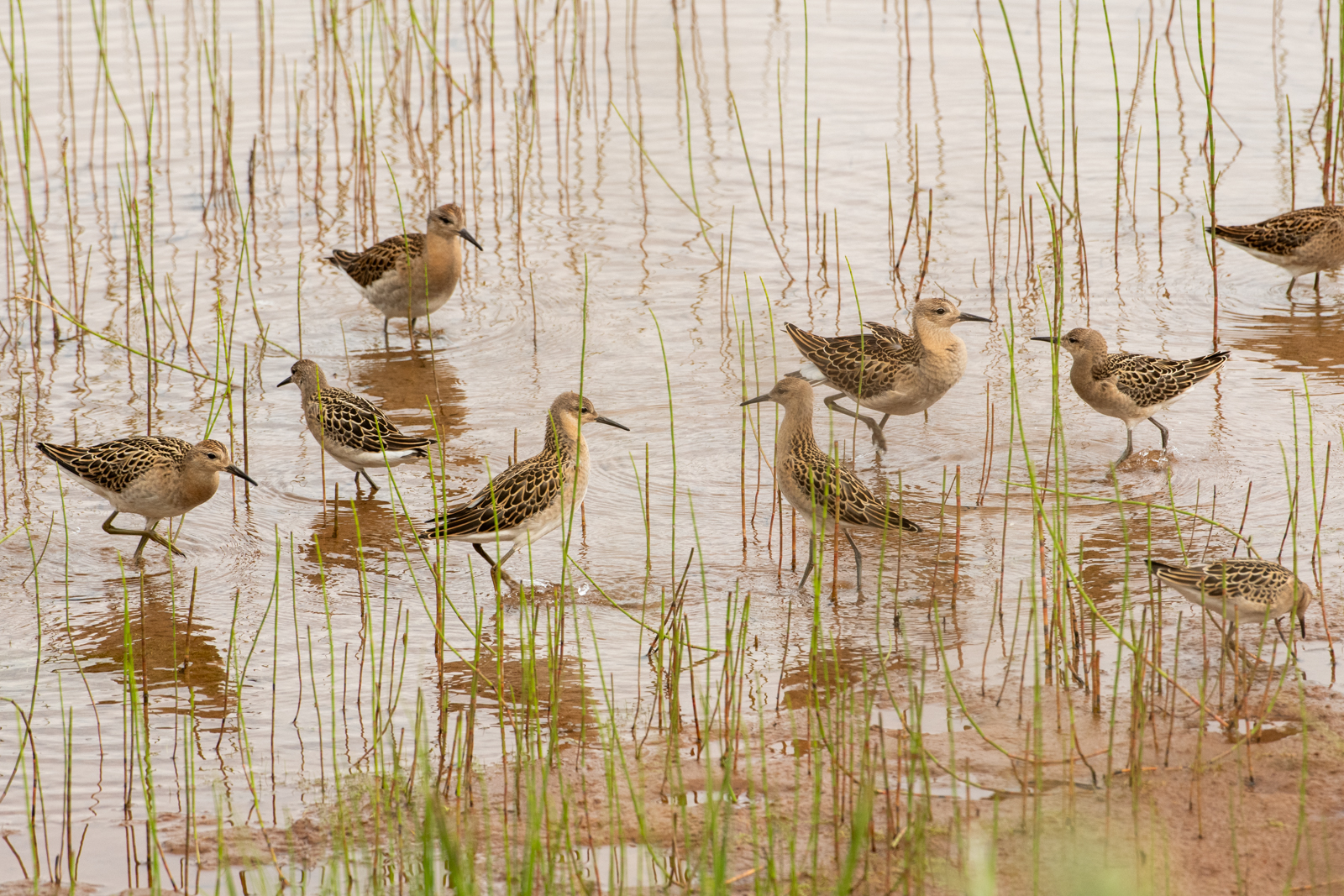
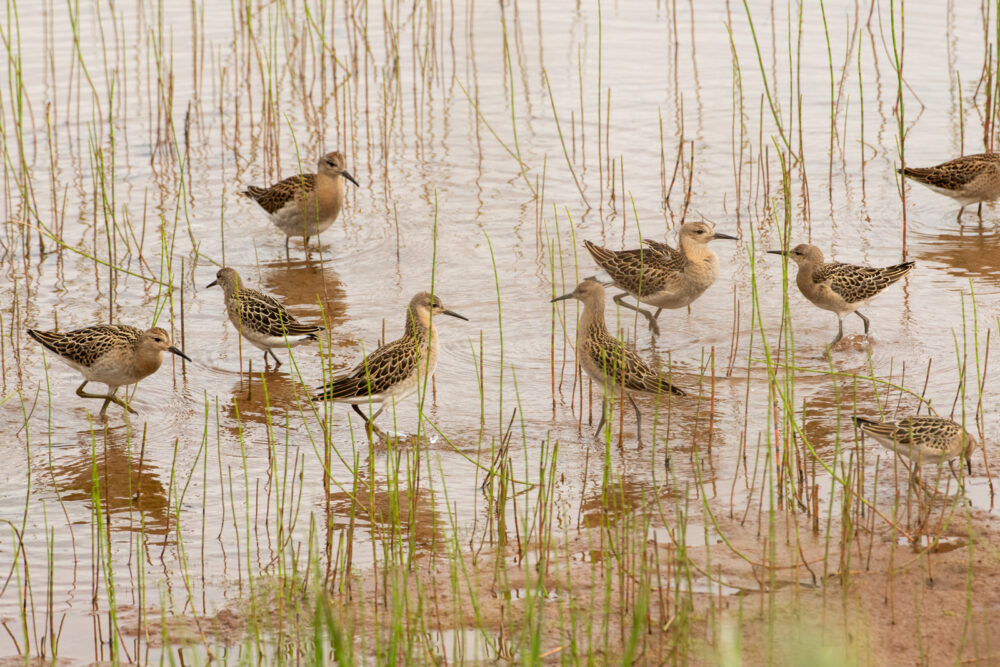
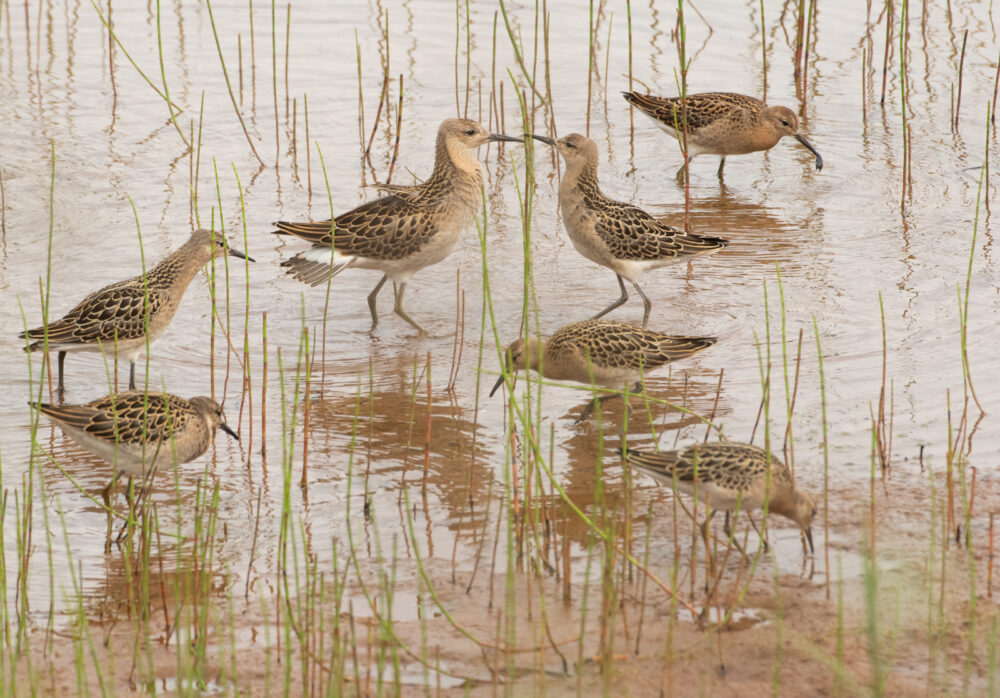
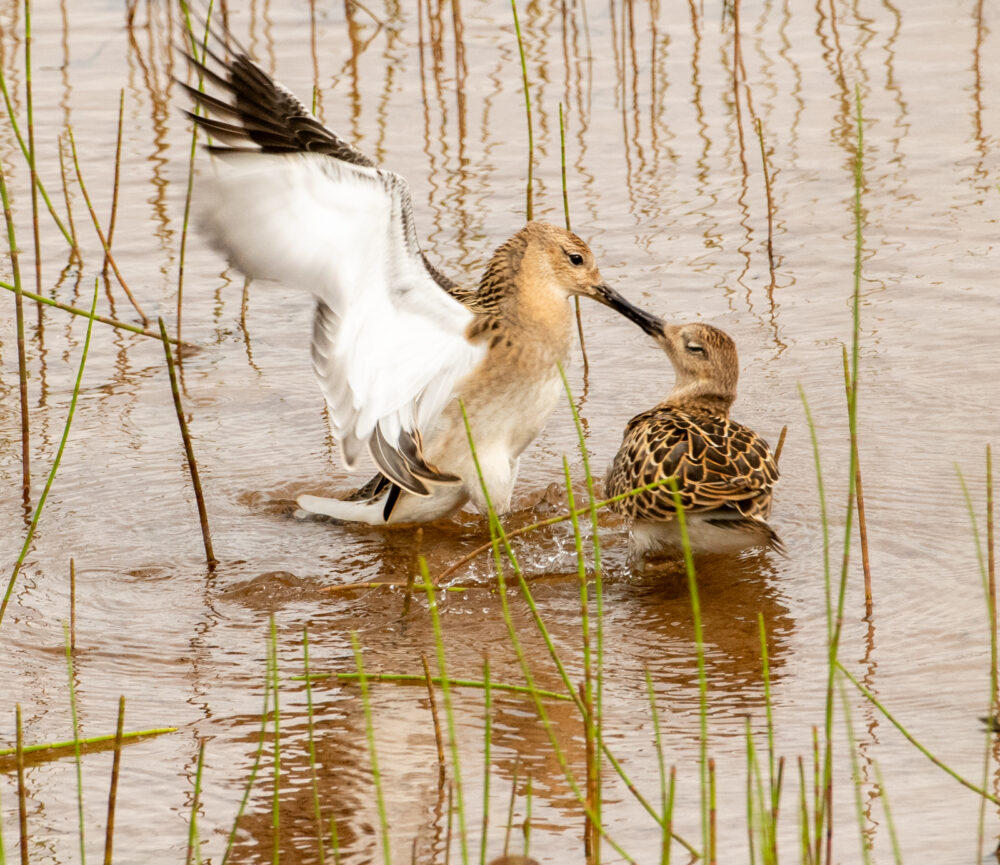
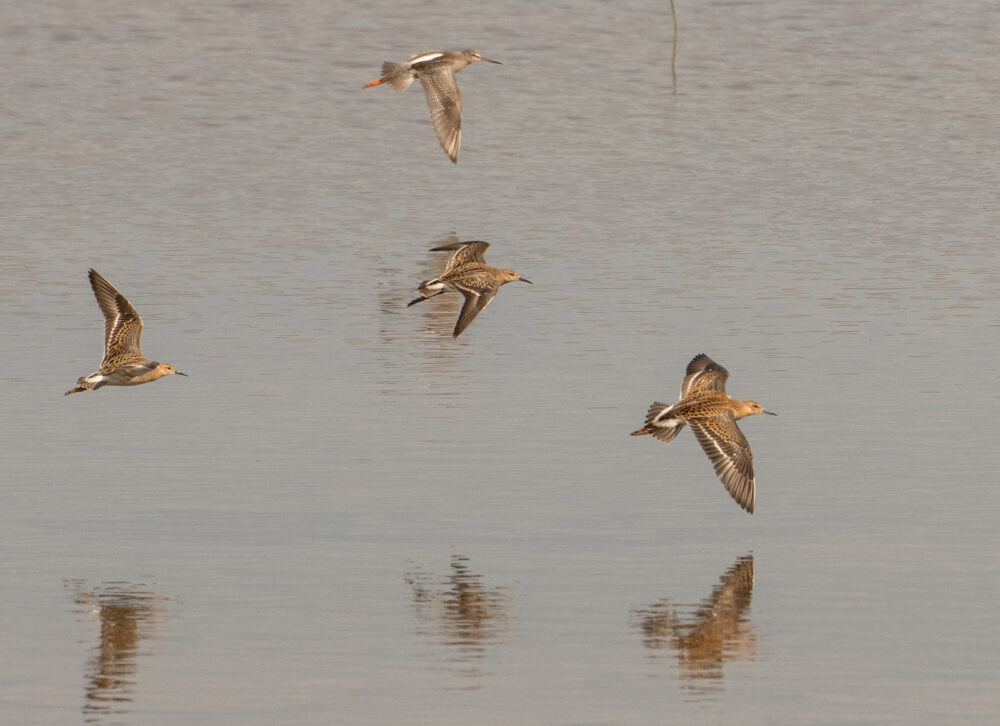
The season often begins with the departure of adult birds, followed later by the juveniles. During an excursion to the tundra ponds of the Varanger Peninsula, one might witness this firsthand. On a recent trip, a flock of ruffs (Calidris pugnax)—a highlight of this year’s observations—descended upon the shoreline. Among them were two spotted redshanks (Tringa erythropus), momentarily pausing to forage in the nutrient-rich mud. Whether these birds had gathered for a collective departure or were simply utilizing a fortuitous stopover point, the sight of them against the graphic, stark silhouettes of coastal horsetails remains a testament to the spontaneity of nature.
The Peak and the Lull (September – October)
As September settles in, the days grow shorter, altering the schedule of the field researcher. The "golden hour" for observation shifts; where dawn was once the only time to be in the field, early autumn allows for a slightly more relaxed start, with peak activity often found by 06:30. This is also the time when the "waiters" emerge—birds that linger as long as possible, waiting for the first hard frosts to finally force them southward.
Supporting Data: Environmental Influences and Habitat Loss
The movement of birds is not conducted in a vacuum; it is dictated by the availability of food and the suitability of stopover sites. Unfortunately, we are witnessing a long-term, alarming trend: the degradation and loss of these vital refueling stations.
Habitat Fragmentation
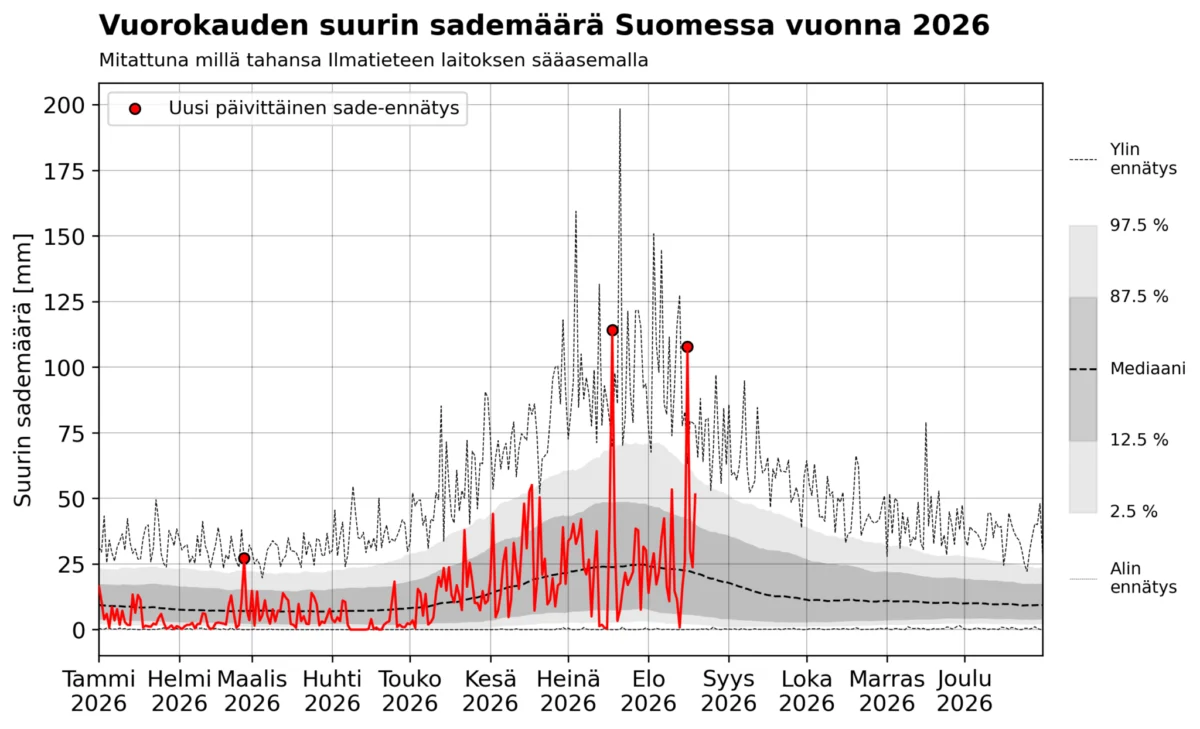
Modern land-use changes, ranging from agricultural expansion to urban development, are steadily eroding the wetlands and meadows that migratory birds rely on. The impact is measurable. Changes in water levels—often influenced by human management or extreme weather—can render a historically productive stopover site barren overnight. Conversely, heavy rainfall can create temporary, ephemeral pools that attract unexpected avian visitors, demonstrating the high degree of sensitivity these species have to their immediate environment.
The Agricultural Variable
Changes in agricultural practices have also fundamentally altered the landscape. The rapid expansion of autumn-sown crops, for instance, has shifted the timeline of harvest. When crops are harvested earlier in the season, it alters the food supply for species such as geese and cranes. These adjustments force birds to adapt their migratory stopovers, leading to the "surprise" sightings in new fields that have become a hallmark of modern birdwatching.
Implications: The Challenge of Identification and Population Decline
One of the greatest challenges for the amateur and professional birder during autumn is the identification of species in non-breeding plumage. As birds prepare for their wintering grounds, they shed their vibrant nuptial colors for more muted, functional winter coats. This transformation can be a rigorous test of one’s observational skills.
The "School of Autumn"
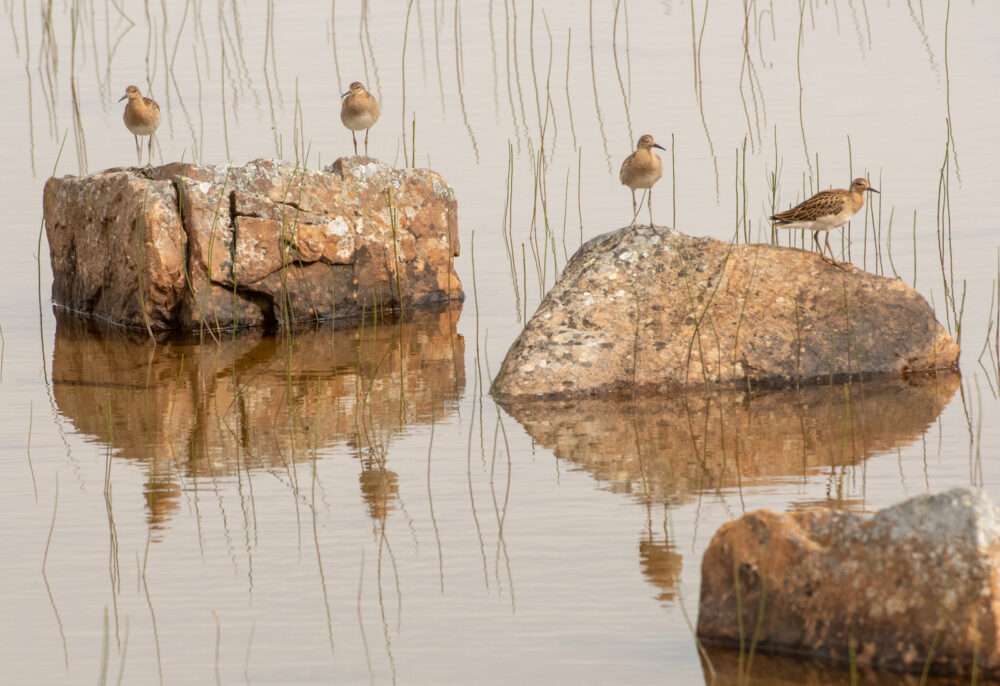
For the birdwatcher, autumn acts as a rigorous classroom. Identifying waterfowl and shorebirds in their winter garb is an essential skill that demands close attention to structural details rather than relying on color alone. It is a process of learning to read the landscape and the bird in unison.
A Sobering Reality
Beyond the technical challenges of identification, there is an underlying, more somber narrative. The most critical takeaway from recent years is the rapid decline in the populations of a majority of bird species. Even as we admire the spectacle of migration, we must acknowledge that we are witnessing a diminished version of the avian migrations of the past. The data collected by birders—tracking the arrival of migrants, the duration of their stay, and the presence of new wintering species—is more than just a hobby; it is a vital contribution to our understanding of global biodiversity loss.
Official Observations and Long-Term Trends
While the daily joy of birding remains, the broader ecological picture is shifting. The observation of "vagrants"—birds that appear far outside their normal range—has become more frequent, often linked to erratic weather patterns. Simultaneously, we are observing a trend of "delayed migration." As autumns become milder and open water remains available for longer periods, many species are choosing to stay in their northern or intermediate ranges later into the year.
This behavioral plasticity is a double-edged sword. While it allows for extended observation and a unique "lateness" to the season, it also raises questions about the long-term impacts of climate change on avian migration strategies. Are these birds successfully overwintering, or are they being caught by unexpected, late-season weather events that could prove fatal? The diligent birdwatcher, by logging these sightings and sharing them with scientific databases, acts as an essential witness to these shifting behaviors.
The Human Experience of Migration
Ultimately, the act of birding in the autumn is a deeply personal experience. There is a distinct, haiku-like beauty to the season: the sound of geese calling through the autumn mist, the sudden silence of a forest as the songbirds depart, and the sensory experience of the cooling air and the scent of damp, decaying leaves.
The unpredictable nature of migration is its greatest gift. Whether it is the unexpected arrival of a flock of nutcrackers (Nucifraga caryocatactes) or the sudden appearance of a rare shorebird in a flooded meadow, the autumn migration reminds us that nature remains, in many ways, beyond our total control.
As we move forward into the heart of the autumn, we are encouraged to remain observant. By recording the presence of these travelers—from the resilient stragglers to the vast, shifting flocks—we contribute to a larger understanding of the natural world.
To those venturing out into the crisp air of September and October: embrace the uncertainty. Pack your binoculars, respect the landscape, and listen to the sounds of the night sky. In the movement of birds, we find not only a reflection of the changing seasons but a reminder of the fragility and persistence of the wild.
Samuli Haapasalo is a contributor to the "Vuosi luonnossa" (A Year in Nature) series. For more updates on Finnish wildlife and to support ongoing nature journalism, please consider subscribing to Suomen Luonto.