For centuries, the pursuit of fish was a rudimentary endeavor defined by nets, spears, and simple poles. These ancestral methods, while foundational, lacked the nuance and mechanical advantage that define the modern angling experience. Today, the evolution of the fishing reel has transformed the sport from a mere survival necessity into a refined discipline of precision, physics, and patience. Whether you are a weekend hobbyist casting from a local pier or a competitive angler navigating the complexities of tournament waters, understanding the machinery at your fingertips is the first step toward mastery.
The Evolution of Angling Technology: A Chronology
The transition from primitive tools to high-precision equipment did not happen overnight. It is the result of nearly a century of mechanical innovation.
- 1938: The Birth of the Spinning Reel. The landscape changed forever when Daiwa Seiko Co., Ltd. introduced the world’s first spinning reel. This design, featuring a fixed spool that allowed the line to peel off during the cast with minimal friction, solved the age-old problem of casting light lures and bait over significant distances.
- 1956: The Spincast Revolution. Seeking to bridge the gap between complexity and ease-of-use, the Shakespeare Fishing Tackle Company launched the first spin-casting reel. Its closed-face design and simple push-button mechanism made fishing accessible to a broader demographic, effectively removing the steep learning curve associated with manual bail management.
- 1958: The Baitcasting Legalization. While baitcasting mechanisms had existed in various forms, 1958 marked a turning point when George "Butch" Snyder Jr. championed their widespread adoption. These reels, characterized by a rotating spool that offers unparalleled control, became the gold standard for accuracy and power, particularly in bass fishing.
The Big Three: Understanding Your Equipment
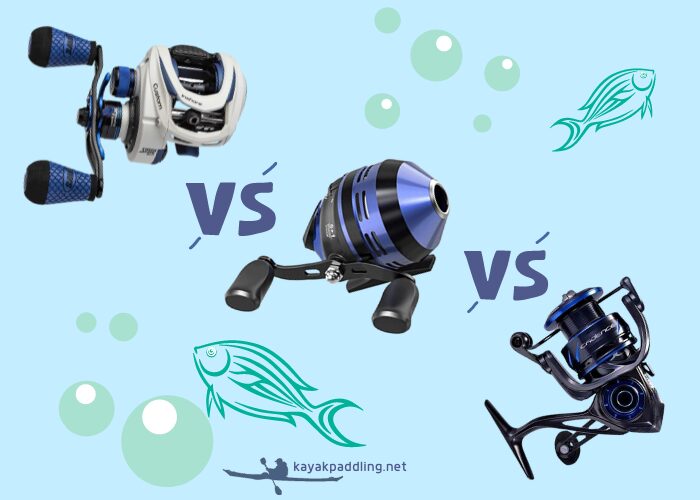
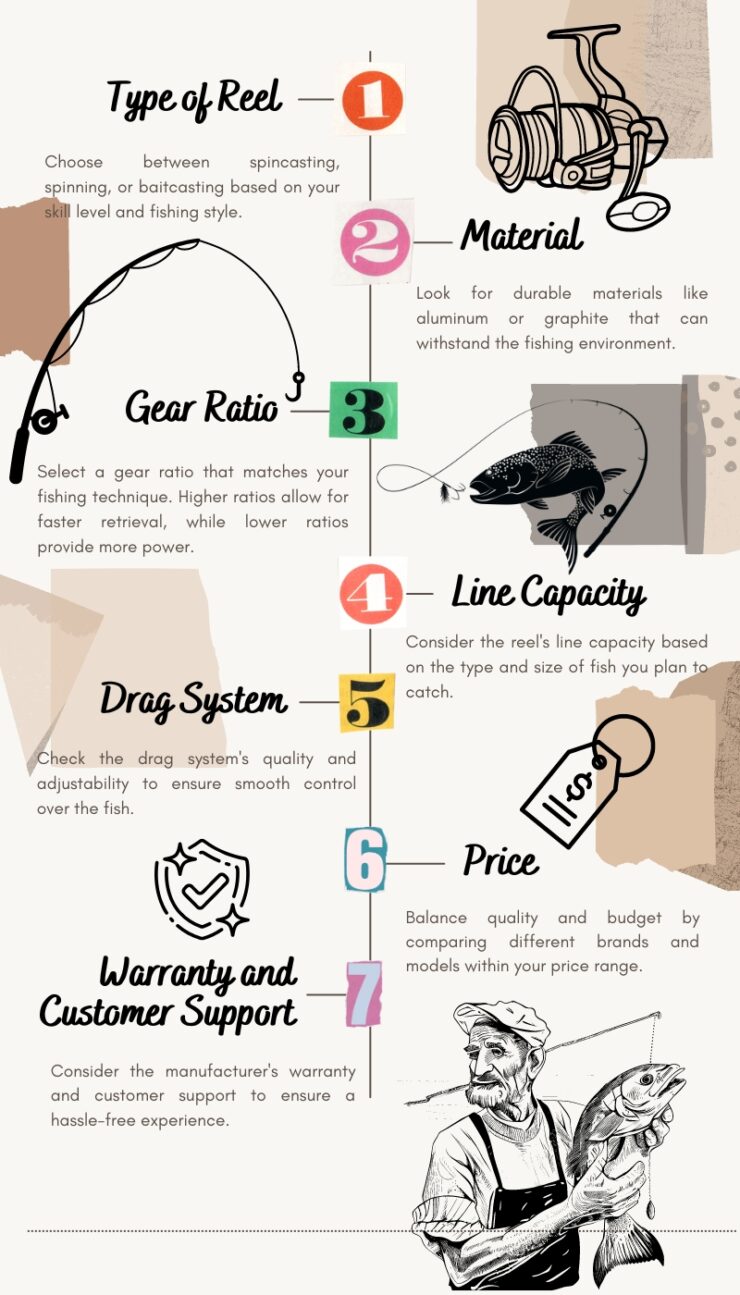
In the contemporary reel market, three primary categories dominate: the Spinning Reel, the Spincasting Reel, and the Baitcasting Reel. While they share the fundamental goal of line management and retrieval, their mechanical architectures serve vastly different tactical purposes.
1. Spincasting: The Gateway to the Sport
Spincasting reels are widely considered the "entry-level" choice. By utilizing a fixed spool enclosed in a nose cone, these reels prevent the common issue of line tangling during the cast.
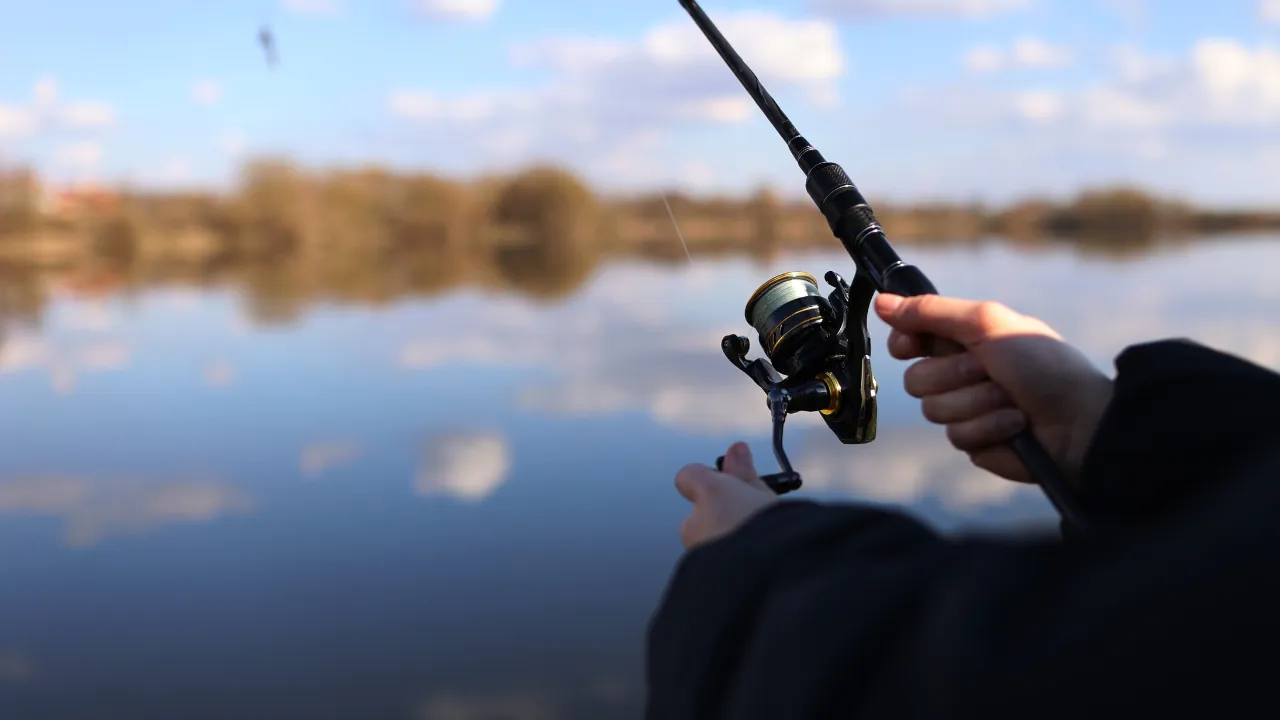
- Strengths: Exceptional ease of use, affordability, and a low barrier to entry.
- Limitations: They lack the high-end drag systems and line-control capabilities required for landing larger, more aggressive species. They are rarely seen in high-stakes professional tournament circuits.
2. Spinning Reels: The Versatile Workhorse
Mounted below the rod, the spinning reel is arguably the most popular choice for freshwater and inshore saltwater anglers. The design—a stationary spool combined with a bail arm—allows the line to flow off in coils.
- Strengths: Unmatched versatility. They excel at casting light lures (like jigs and soft plastics) and offer a balanced experience for beginners and experts alike.
- Maintenance: Their exposed design requires frequent cleaning, especially when used in saltwater, to prevent corrosion of the internal gears.
3. Baitcasting Reels: The Precision Instrument
For the angler who demands surgical accuracy, the baitcaster is the preferred tool. Unlike the other two types, the baitcaster features a revolving spool that requires the user to apply "thumb control" to manage the line’s speed during a cast.
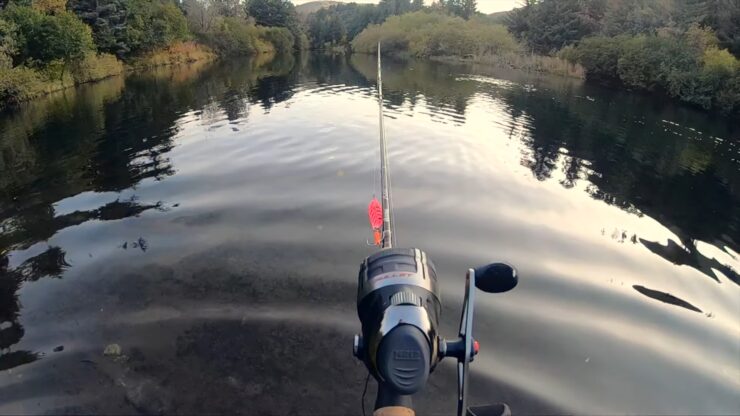
- Strengths: Superior power, better line capacity, and unmatched accuracy in placing lures in tight, weed-choked, or obstructed water.
- The Challenge: They are prone to "backlash"—the dreaded "bird’s nest" of tangled line that occurs when the spool spins faster than the line is leaving it. Mastering the braking system is an art form that separates novices from veterans.
Supporting Data: Performance Metrics and Gear Ratios
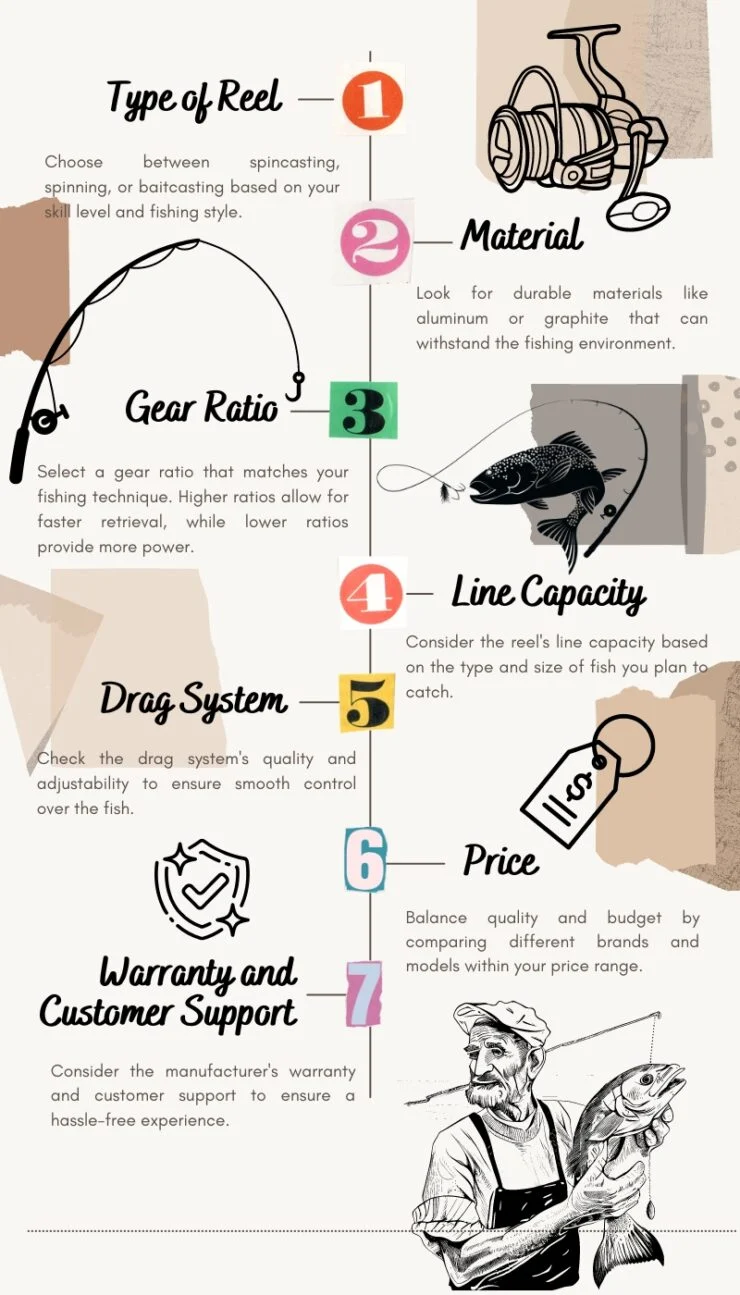
Choosing the right reel is not just about the type; it is about the specifications. Every angler should understand the impact of gear ratios. A gear ratio (e.g., 6.2:1) indicates how many times the spool rotates with a single turn of the handle.
- High Gear Ratios (7:1 and above): Essential for "burning" lures back to the boat or for techniques like flipping and pitching, where the angler needs to take up slack line instantly after a strike.
- Low Gear Ratios (5:1 range): Designed for high-torque applications. These are ideal for pulling deep-diving crankbaits or battling large, stubborn fish where cranking power is more critical than retrieval speed.
Professional Insights: Expert Perspectives on Application
According to industry experts, the "best" reel is entirely dependent on the application. A common mistake among beginners is attempting to use a single setup for all conditions.
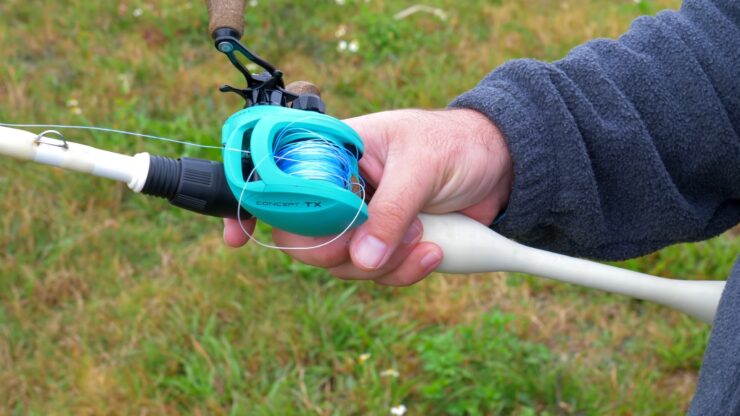
"The modern angler should think of their reel collection like a golf bag," says veteran guide and enthusiast Adelaide Gentry. "You wouldn’t use a putter to drive off the tee. Similarly, you shouldn’t expect a lightweight spinning reel to handle heavy-duty saltwater trolling, nor should you use a bulky baitcaster for delicate trout fishing."
The Implications of Proper Maintenance
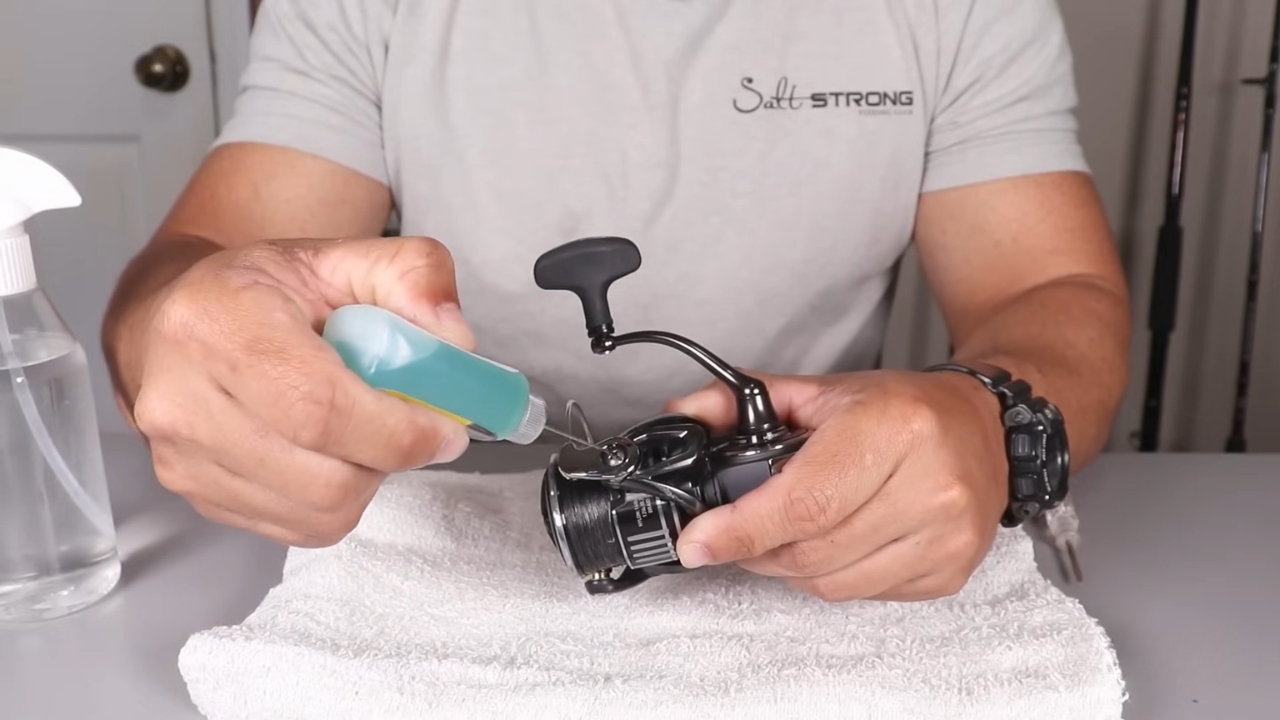
The longevity of a reel is directly tied to a rigorous maintenance schedule. Salt, sand, and even microscopic debris can ruin high-precision gears.
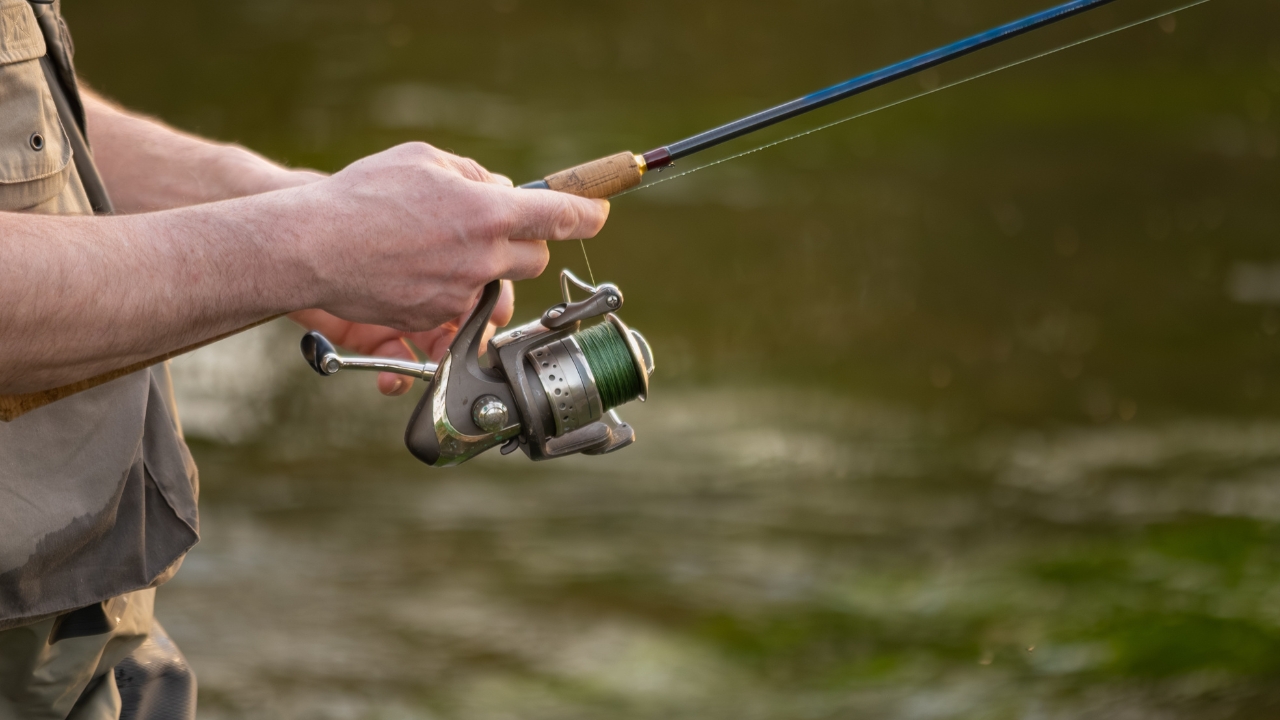
- Freshwater Rinse: Always give your gear a light freshwater rinse after a trip, especially if you have been in brackish or saltwater.
- Lubrication: Utilize manufacturer-recommended reel oil on the bearings and grease on the gears at least twice a season.
- Storage: Store reels in a cool, dry place. Never store them with the drag tightened, as this compresses the drag washers and reduces their effectiveness over time.
Navigating the Future: Technology and Trends
The industry is currently seeing a shift toward "smart" braking systems in baitcasting reels, which use magnetic or centrifugal force to electronically monitor spool speed. These innovations are significantly reducing the frequency of backlashes for intermediate anglers, making high-performance baitcasters more approachable than ever before.
Furthermore, the rise of braided lines has changed the way we think about line capacity. Because braids have a significantly smaller diameter than monofilament lines of the same test weight, anglers can now fit significantly more line on smaller, lighter reels, effectively increasing the range and capability of their existing equipment.
FAQ: Common Concerns Addressed
Q: What exactly is a "backlash" and how do I fix it?
A: A backlash occurs when the inertia of the spool exceeds the speed at which the lure is pulling the line off. It creates a tangled mess of loops. The best way to prevent it is by properly setting your reel’s tension knob and magnetic brakes before casting. If it happens, stay calm: pull out the line from the spool until the tangle clears, then reel it back in under light tension.
Q: Should I prefer braid or monofilament?
A: It depends on the target species. Braid is excellent for sensitivity and strength (no stretch), while monofilament is better for topwater lures and situations where you need a bit of "shock absorption" to prevent pulling hooks out of a fish’s mouth.
Q: How do I know when to replace my line?
A: If the line feels "tacky," has visible nicks, or is losing its color (fading), it is time to replace it. A good rule of thumb for regular anglers is once every six to twelve months.
Conclusion
The fishing reel is more than just a piece of hardware; it is the bridge between the angler and the water. Whether you find the simplicity of a push-button spincast reel aligns with your peaceful days on the lake, or the technical challenge of a high-speed baitcaster fuels your competitive spirit, the most important factor remains the time spent on the water.
As technology continues to advance, the options available to us will only grow more refined. However, the core principles of the sport—patience, observation, and the thrill of the catch—remain unchanged. By selecting the right tool for the right environment and treating your equipment with the care it deserves, you ensure that your gear will remain a reliable companion for years of adventures to come. Remember: the best reel is the one you feel most confident using, because that confidence will inevitably lead to more successful days on the water.