East Africa is a land defined by its dramatic geological heritage. From the snow-capped peak of Mount Kilimanjaro to the verdant, mist-shrouded jungles of Rwanda’s Volcanoes National Park, the region serves as a living laboratory of volcanic activity and biodiversity. As global travelers increasingly pivot toward sustainable, low-impact travel, East Africa has emerged as the world’s premier destination for those looking to combine high-adventure trekking with meaningful environmental conservation.
The Geological Foundations of East African Ecotourism
The East African Rift, a sprawling tectonic feature that bisects the continent, is responsible for the dramatic topographical wonders that draw thousands of visitors annually. These volcanic landscapes are not merely scenic; they are the bedrock of East Africa’s ecotourism industry.
Key Volcanic Hotspots
- Mount Kilimanjaro (Tanzania): The world’s tallest free-standing mountain, a dormant stratovolcano that attracts climbers from every corner of the globe.
- Mount Meru (Tanzania): Often considered the "little brother" to Kilimanjaro, it offers a rigorous trek through diverse ecological zones.
- Volcanoes National Park (Rwanda): The epicenter of primate-focused ecotourism, famous for its dense forests and the mountain gorillas that reside within its volcanic slopes.
- Mount Kenya (Kenya): A majestic remnant of an extinct volcano, providing some of the most technical and rewarding climbing routes in Africa.
- The Ngorongoro Highlands (Tanzania): A volcanic caldera complex that serves as a vital corridor for wildlife and a cultural sanctuary for the Maasai people.
- The Eastern Arc Mountains: Ancient geological formations that host a wealth of endemic species found nowhere else on earth.
- Oldonyo Lengai: Known as the "Mountain of God," it is the world’s only active carbonatite volcano, offering a unique, otherworldly trekking experience.
Chronology of a Sustainable Adventure: Designing Your Itinerary
For the modern traveler, a well-structured expedition is key to minimizing environmental impact while maximizing cultural immersion. An ideal 8- to 14-day safari in East Africa is carefully calibrated to balance "Big Five" wildlife viewing with active trekking.
Phase 1: Acclimatization and Culture (Days 1–3)
The journey often begins in the Ngorongoro Highlands. Far from being just a buffer zone, this region is essential for physiological preparation. Engaging in nature treks and walking safaris here allows the body to acclimatize to high altitudes. Visiting a local Maasai Boma provides a deep dive into the nomadic culture, ensuring that tourism dollars directly support the preservation of indigenous traditions.
Phase 2: The High-Altitude Challenge (Days 4–9)
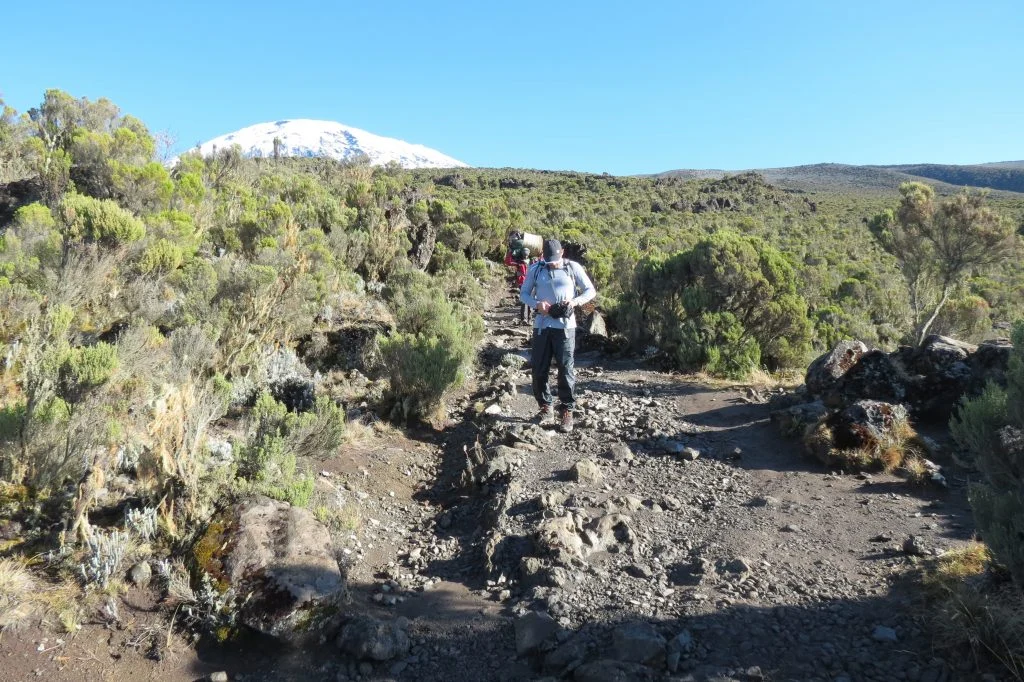
With the body acclimated, travelers move to the ascent of Kilimanjaro or Mount Meru. Expeditions, such as the Lemosho route, are designed with a focus on "Leave No Trace" principles. Professional guides and porters—central to the local economy—facilitate these climbs, ensuring that the ecological integrity of the mountain is maintained.
Phase 3: The Primate Frontier (Days 10–14)
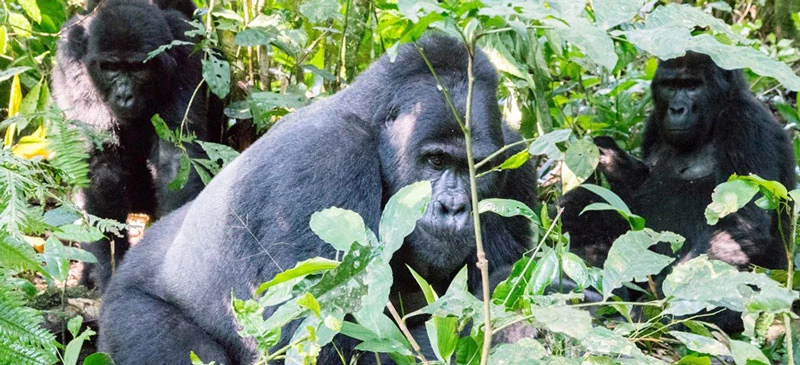
The final leg of a quintessential East African tour involves crossing into Rwanda or Uganda. Here, the focus shifts to the lush volcanic slopes of the Virunga Massif. Gorilla trekking is the gold standard of ecotourism; it is a high-value, low-volume activity where permit fees fund the rigorous protection of endangered mountain gorillas and their fragile habitat.
Supporting Data: The Economic and Ecological Impact
Ecotourism is defined by its ability to provide a net positive for both the environment and the local community. According to conservationists, the success of East Africa’s model lies in its integration of local stakeholders.
The Role of Responsible Travel
When travelers opt for private Kilimanjaro expeditions, they are not merely purchasing a climb; they are investing in a support system that employs local guides, cooks, and porters. Kilimanjaro Tanzanite Safaris DMC, for instance, focuses on sourcing quality eco-lodges and tented camps. These facilities are designed to operate with minimal energy consumption and waste, ensuring that the splendor of the landscape remains intact for future generations.
The Primate Tourism Dividend
In Rwanda’s Volcanoes National Park, the economic impact is clear. The strict regulation of visitor numbers ensures that gorilla populations are not disturbed, while the high cost of permits provides the necessary revenue for park management and anti-poaching units. As noted by experts at Travel and Leisure, the secret to seeing these primates lies in preparation and respect for the guides’ instructions, which are rooted in the safety of both the visitor and the animal.
Official Responses and Conservation Mandates
Regional governments have recognized that volcanic landscapes are finite, non-renewable assets. Consequently, national park authorities have implemented stringent regulations to maintain these areas.
- Mandatory Guide Ratios: In Tanzania and Rwanda, visitors are required to be accompanied by certified guides. This ensures that movement is restricted to marked trails, preventing soil erosion and damage to delicate volcanic flora.
- Community-Led Conservation: In the Ngorongoro Conservation Area, the inclusion of the Maasai tribe in management decisions is a cornerstone of policy. By turning the Maasai into the guardians of the crater, the government has seen a drastic reduction in human-wildlife conflict.
- Sustainable Infrastructure: New developments in eco-lodging must now pass environmental impact assessments. This includes mandatory grey-water filtration and solar-power integration, moving away from traditional grid dependence.
Implications for the Future of East African Travel
The trajectory of tourism in East Africa is shifting from "volume" to "value." As travelers become more discerning, the demand for authentic, responsible experiences has surged.
The "Combo-Safari" Phenomenon
The most significant trend in current travel planning is the "Combo-Safari," which links Tanzania’s volcanic plains with the primate-rich forests of Rwanda. This pairing offers a holistic view of the East African ecosystem:
- The Serengeti/Ngorongoro: Offers the classic, wide-open savanna experience and the thrill of the Big Five.
- Udzungwa Mountains/Gombe: Provides a deeper, more specialized experience in chimpanzee tracking and high-altitude hiking.
- Volcanoes National Park: Offers the emotional and ecological highlight of gorilla trekking.
A Call for Intentional Exploration
For the modern explorer, the message is clear: your presence matters. By booking through reputable agencies like Kilimanjaro Tanzanite Safaris, travelers can ensure that their trip contributes to the socio-economic well-being of the local population. From Tanzania safari itineraries that highlight biodiversity hotspots to specialized photographic safaris, the options are diverse.
However, the responsibility remains with the traveler. Choosing to stay in locally-owned eco-lodges, respecting the cultural boundaries of the Maasai, and adhering strictly to the wildlife viewing guidelines in Rwanda and Uganda are not just suggestions—they are the requirements for keeping these natural wonders alive.
Conclusion
East Africa’s volcanic landscapes represent more than just a bucket-list destination; they are a vital intersection of natural wonder and human responsibility. Whether one is braving the ice fields of Kilimanjaro’s summit, walking the floor of the Ngorongoro Crater, or locking eyes with a mountain gorilla in the thickets of Rwanda, the experience is transformative.
As you plan your next journey, remember that the true value of an African safari lies in the legacy you leave behind. By choosing to travel responsibly, supporting local conservation efforts, and engaging deeply with the communities that call these mountains home, you become a partner in the preservation of one of the world’s most magnificent, fiery, and flourishing regions. The mountains are calling—and through sustainable travel, we can ensure they continue to answer for generations to come.