Introduction: A Unified Vision for Sustainable Travel
The global tourism industry stands at a critical juncture. As traditional mass-market travel models face increasing scrutiny over their environmental and social footprints, the alternative—ecotourism—has moved from a niche interest to a mainstream imperative. To better understand this shift, The International Ecotourism Society (TIES) recently conducted an expansive global survey, soliciting feedback from professionals, practitioners, and enthusiasts worldwide.
The results, drawn from 971 viable responses spanning 91 countries across every continent, offer a definitive snapshot of the current state of ecotourism. From the bustling hubs of the United States to emerging markets in Sudan, Bhutan, and Cote d’Ivoire, the data confirms a near-universal consensus: the appetite for responsible, sustainable, and regenerative travel is not just present—it is accelerating at an unprecedented pace.
Chronology of the Inquiry
The survey process was designed to capture the diverse voices of the tourism industry, ranging from tour operators and consultants to academics and local conservationists.
- Distribution Phase: The survey was disseminated via the TIES newsletter, targeting a global membership base of industry professionals.
- Data Collection: Over the course of the campaign, TIES received 971 validated responses. While the largest cohort hailed from the United States, the geographical spread was remarkably wide, capturing perspectives from regions as diverse as the Palestinian territories, Iran, Montenegro, and Nepal.
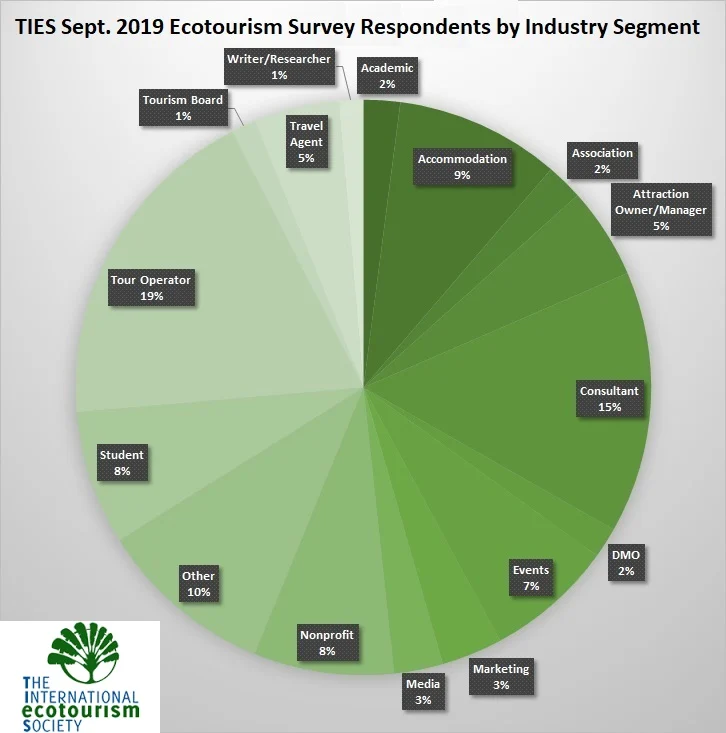
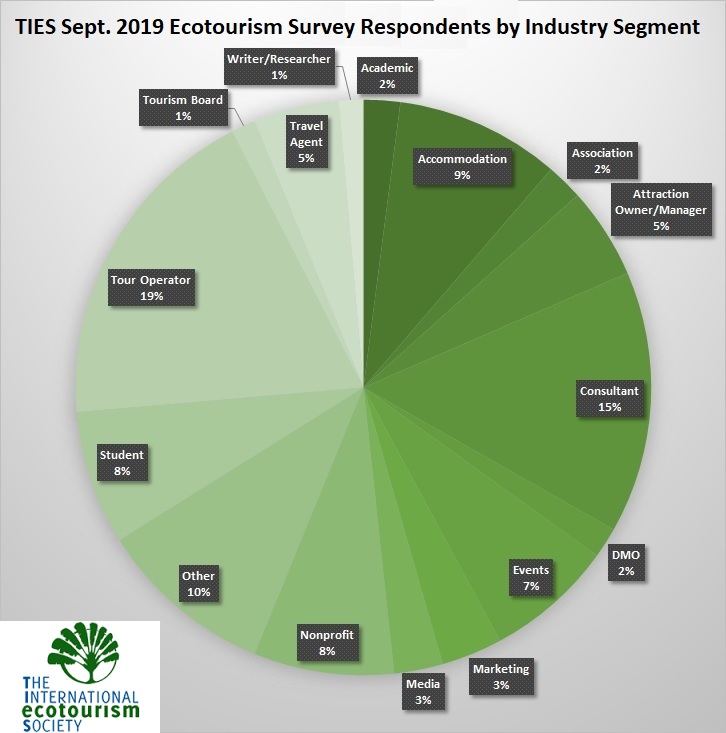
- Categorization: Participants were asked to classify their industry segment. While 90% successfully aligned with predefined categories, the process highlighted a growing complexity in the field; many respondents requested the ability to select multiple segments, reflecting the "multidisciplinary" nature of modern ecotourism work.
- Analysis: Following data cleaning, TIES experts evaluated the sentiment regarding industry growth, the need for multilingual support, the major hurdles facing the sector, and the desired trajectory for future advocacy efforts.
Supporting Data: The Growth Narrative
The most striking takeaway from the survey is the overwhelming optimism regarding the growth trajectory of ecotourism. When asked to evaluate the market’s momentum, the data was nearly unanimous.
The Growth Consensus
An extraordinary 99.5% of respondents indicated that they see ecotourism as a rapidly expanding sector. Only four out of the 971 participants suggested that the industry was slowing down. This sentiment mirrors findings from broader industry reports, such as recent consumer behavioral studies by Booking.com, which have consistently highlighted a surge in demand for sustainable travel options among global travelers.
Industry Segmentation
The survey also provided a detailed breakdown of the professionals driving this growth. While the largest representation came from tour operators and consultants, a notable disparity appeared: academic representation was lower than anticipated based on TIES membership demographics. This has prompted a internal review by TIES to ensure that future surveys better bridge the gap between practical application and theoretical research.
Official Responses: TIES’ Commitment to Inclusion and Language
A significant portion of the survey was dedicated to understanding the barriers to global engagement. One of the most actionable insights gained from the feedback was the urgent need for linguistic inclusivity.
Expanding the Linguistic Footprint
Respondents emphasized that for ecotourism to be truly global, the tools of the trade must be accessible in more than just English. There was a strong mandate for Spanish-language support, with respondents noting that ecotourism development in Spanish-speaking nations is both robust and critically important.
Beyond Spanish, the survey identified French and Mandarin as key languages for future outreach. Notably, the call for Mandarin support arrived despite a relatively low number of responses from China, suggesting that the industry recognizes China’s massive potential as a powerhouse for future sustainable travel trends.
TIES Official Stance:
TIES has officially committed to a multi-phase rollout of Spanish-language content across its website and publication suite. By establishing a framework for translation and cultural adaptation now, TIES aims to build a scalable model that will eventually support a wider array of languages, ensuring that the global community has a seat at the table regardless of their primary language.
Challenges: The Roadblocks to Sustainable Success
Despite the optimism regarding growth, the survey respondents were candid about the systemic challenges threatening the industry. The feedback highlighted a "pain point" list that serves as a roadmap for future policy and advocacy:
- Systemic Pressures: Respondents frequently cited the "triple threat" of greed, overdevelopment, and climate change as existential risks to ecotourism destinations.
- Operational Hurdles: Many participants reported significant difficulties regarding the bureaucratic process of obtaining permits and securing financing for sustainable projects.
- The Knowledge Gap: A lack of standardized awareness and education for both stakeholders and travelers remains a persistent issue.
- The "Overtourism" Crisis: Even in the ecotourism space, the specter of overtourism persists, threatening the very natural assets that the industry aims to protect.
- Booking Disparities: Perhaps most telling was the focus on the traveler’s experience; many respondents highlighted a frustration with the lack of transparent, accessible, and fair booking systems that allow travelers to make truly ethical choices.
TIES has acknowledged these findings and is currently preparing a detailed report on the collaborative efforts currently underway—both within the organization and among external partners—to mitigate these challenges.
Implications for Future Strategy: A Shift in Focus
Perhaps the most surprising aspect of the survey was the shift in priorities regarding what TIES should focus on in the coming years.
The Demand for Education
When asked where TIES should direct its resources, the response was clear:
- 41%: Focus on Education (The highest priority)
- 18%: Conservation, climate change, and conservation partnerships
- 14%: Ecodestinations (Describing national offerings by country)
- 11%: Publications
- 9%: Social Media
Policy vs. Practice
Counter-intuitively, very few respondents prioritized high-level "policy" work, UN partnerships, or aggressive membership growth. This signals a desire from the ground-up for practical, tangible tools. The industry is less interested in bureaucratic summits and more interested in the "how-to" of ecotourism—the mechanics of conservation, the education of the workforce, and the promotion of specific, high-quality destinations.
The Path Forward:
In response to this, TIES has already initiated outreach to several leaders in the international education space. The goal is to move beyond the role of a traditional trade association and transition into a knowledge hub that provides the practical training and educational frameworks necessary for the next generation of ecotourism practitioners.
Conclusion: The Resilient Future
The 2019 Global Ecotourism Survey paints a picture of a resilient, ambitious, and deeply interconnected community. While the challenges—ranging from climate change to the complexities of global financing—are significant, the respondents expressed a profound optimism. They view ecotourism not just as a business sector, but as a superior method for experiencing the world—a way to ensure that travel serves as a force for good rather than a cause of degradation.
As TIES moves forward, the insights provided by these 971 voices will serve as the foundation for a new strategic era. By focusing on linguistic diversity, educational empowerment, and the resolution of practical industry barriers, TIES intends to ensure that the growth of ecotourism is not only fast but deep and enduring. The future of travel is not just about where we go, but how we protect the journey itself.
For more information on the survey results or to engage with the upcoming educational initiatives, visit www.ecotourism.org.