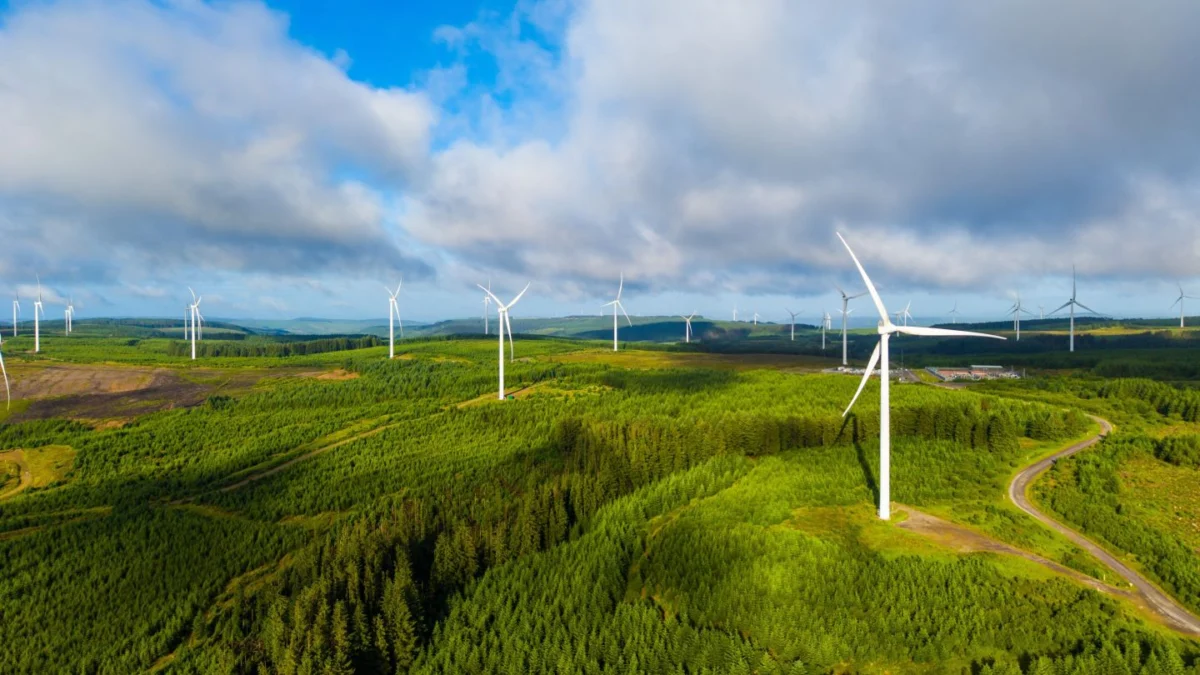
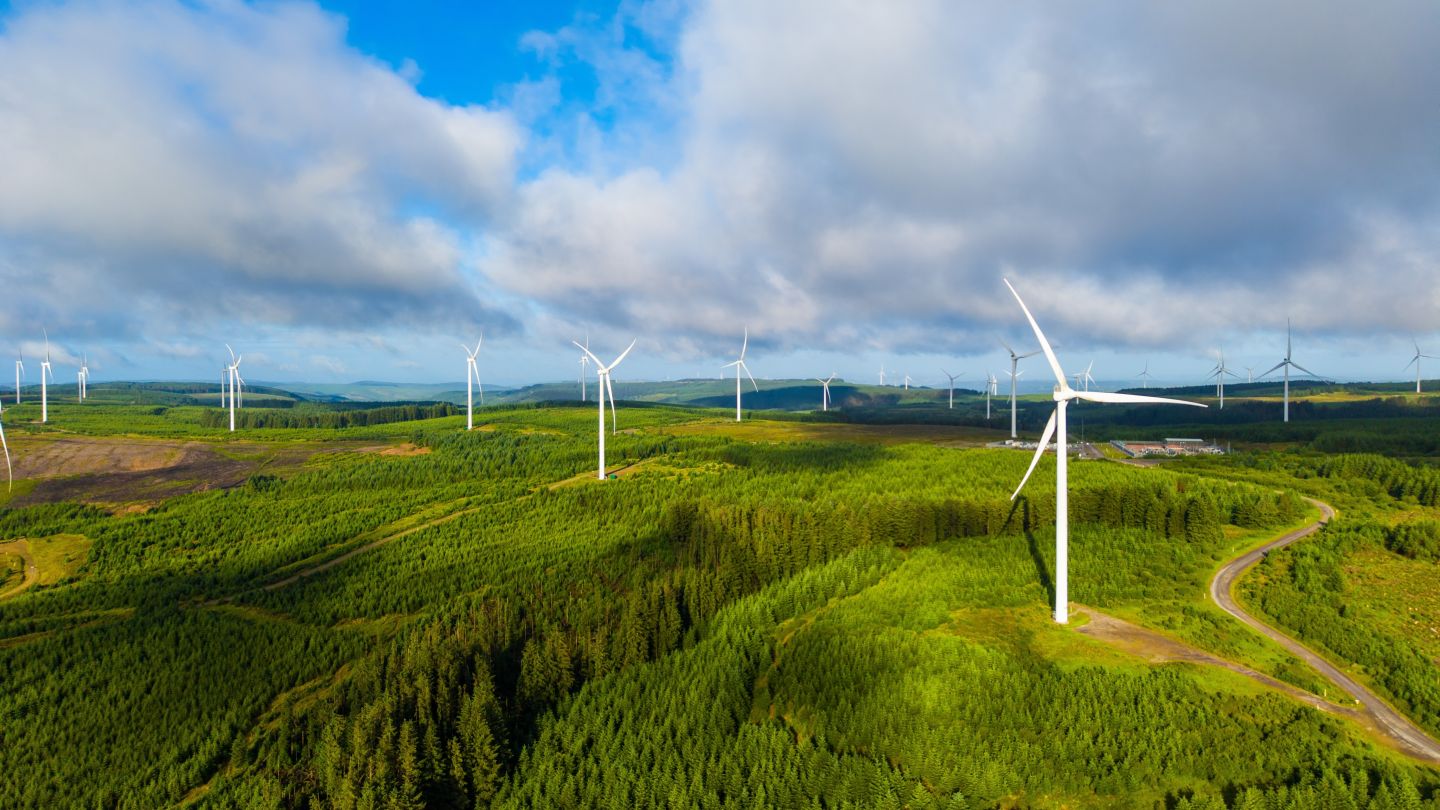
In a significant milestone for New Zealand’s transition to a low-carbon economy, renewable energy major Mercury has officially commissioned the second stage of the Kaiwera Downs wind farm. Located near Gore in the Southland region, the project represents a major leap in the country’s generation capacity and reinforces the South Island’s position as a powerhouse for sustainable energy.
The completion of this NZ$486 million (US$284.45 million) expansion brings the total capacity of the Kaiwera Downs site to 198MW. By adding 36 state-of-the-art turbines, Mercury has effectively transformed the facility into the largest wind farm currently operating on New Zealand’s South Island, signaling a robust commitment to meeting the nation’s rising electricity demands through clean, renewable sources.
Main Facts: Scaling Up Southland’s Renewable Infrastructure
The Kaiwera Downs expansion is not merely an increase in hardware; it is a strategic bolster to New Zealand’s national grid. Over a rigorous two-year construction phase, the site was scaled from its initial footprint to a formidable 198MW operation.
The primary statistics of the project underscore its importance:
- Total Capacity: 198MW post-expansion.
- Expansion Scope: Addition of 36 high-efficiency wind turbines.
- Investment: NZ$486 million.
- Annual Output: Estimated 675 gigawatt-hours (GWh) of electricity.
- Consumer Reach: Enough renewable energy to power approximately 96,000 homes annually.
This project serves as a cornerstone of Mercury’s broader strategy to decarbonize the New Zealand energy market. By leveraging the consistent wind profiles of the Southland region, Mercury is providing a reliable alternative to legacy thermal generation, ensuring that the country’s progress toward its net-zero goals remains on track.
Chronology: Two Years of Engineering Excellence
The trajectory of the Kaiwera Downs project reflects a methodical approach to infrastructure development. The timeline from the approval of stage two to full operational status was defined by careful planning, regulatory navigation, and efficient execution.
The Foundation and Power Purchase Agreement (2024)
The momentum for the second stage was catalyzed by a landmark power purchase agreement (PPA) signed in 2024 between Mercury and New Zealand Aluminium Smelters (NZAS). This agreement was pivotal; it provided the commercial certainty and capital assurance required to proceed with such a significant investment. By securing a long-term buyer for the power generated, Mercury was able to mitigate the risks typically associated with large-scale renewable projects.
The Construction Phase (2024–2026)
Construction commenced shortly after the regulatory and commercial hurdles were cleared. The project saw a substantial labor force mobilization, with 129 full-time equivalent staff dedicated to the site over the two-year period. During the peak of construction, the site hosted as many as 180 personnel daily, navigating the logistical challenges of transporting turbine components and installing heavy infrastructure in the rural Southland landscape.
Final Commissioning (September 2026)
As of September 2026, the final testing and grid integration phases were completed, allowing the 36 new turbines to begin delivering power to the national grid. The project’s delivery, described by company leadership as being both "on time and on budget," serves as a benchmark for future wind energy developments in the region.
Supporting Data: The Economic and Technical Context
Beyond the raw output figures, the Kaiwera Downs expansion highlights the technical evolution of wind energy in New Zealand. Modern turbine technology has allowed for higher capacity factors, meaning that these installations can generate power more consistently than their predecessors.
The 675GWh of annual generation is a crucial injection into the grid, particularly as New Zealand faces a future of increased electrification in transport and industrial processes. By situating this generation near the Tiwai Point Aluminium Smelter, Mercury has optimized the geography of the power supply, reducing transmission losses and stabilizing the local energy ecosystem.
The economic impact extends to the local community in Gore and the broader Southland region. The influx of construction workers and the long-term operational requirements of a 198MW facility represent a consistent economic stimulus. Mercury’s emphasis on "talented people" during the construction phase highlights the human capital required to sustain New Zealand’s green energy transition.
Official Responses: Mercury’s Strategic Outlook
Mercury CEO Stew Hamilton has been vocal about the importance of this project, framing it as a testament to the company’s operational capability.
"Today we recognise the talented people who worked together to deliver this important renewable energy project for New Zealand," Hamilton stated during the commissioning ceremony. "Our team has completed Stage 2 on time and on budget, demonstrating our commitment to new, renewable energy development."
This sentiment reflects a broader corporate philosophy at Mercury, which has established itself as the leading developer of wind energy in the country. With five of the last six major wind farm developments in New Zealand attributed to their portfolio, Mercury is positioning itself as the primary architect of the nation’s energy future. The company’s ability to execute complex, large-scale projects without exceeding fiscal limits provides them with a distinct competitive advantage in a sector that is often prone to cost overruns.
Implications: The Road Ahead for New Zealand Energy
The completion of Kaiwera Downs is not an end point, but rather a springboard for Mercury’s future initiatives. The company has already set its sights on the Puke Kapo Hau wind farm in Otago, effectively marking the second stage of the existing Mahinerangi wind project.
The Puke Kapo Hau Initiative
With a planned investment of NZ$506 million, Puke Kapo Hau is slated to add a further 228MW of capacity to the grid, with an expected annual production of 646GWh. This project follows the same strategic blueprint as Kaiwera Downs: securing commercial stability through power purchase agreements.
In this instance, Mercury has engaged with Datagrid, the developer of a sophisticated, large-scale data centre in Southland. By linking renewable energy production directly to the needs of the data economy, Mercury is demonstrating the versatility of its business model. This symbiotic relationship between renewable generators and high-energy-demand industries—such as aluminium smelting and data processing—is likely to become the standard for large-scale energy projects in the coming decade.
Strategic Implications for the National Grid
The cumulative effect of these projects is a more resilient and decentralized grid. By spreading wind generation across regions like Southland and Otago, New Zealand reduces its reliance on hydroelectric storage in the North Island and the central South Island. This diversity of generation is essential for mitigating the risks posed by climate-induced weather patterns, which can impact traditional hydro-generation capacity.
Furthermore, these developments underscore the importance of the "Just Transition." As New Zealand pivots away from carbon-intensive energy, projects like Kaiwera Downs offer a blueprint for how heavy industry—such as the Tiwai Point smelter—can continue to operate sustainably, retaining jobs and industrial capability while lowering its carbon footprint.
Conclusion: A New Standard for Renewable Growth
The success of the Kaiwera Downs expansion is a victory for both Mercury and the New Zealand energy sector at large. By successfully integrating 36 new turbines into the Southland landscape, Mercury has proven that large-scale, cost-effective, and timely renewable development is not only possible but essential.
As the country looks toward the Puke Kapo Hau project and beyond, the lessons learned at Kaiwera Downs will undoubtedly serve as a guide. The combination of strong commercial partnerships, meticulous engineering management, and a focus on regional energy security positions New Zealand as a leading example of how a developed nation can transition its industrial backbone toward a cleaner, more sustainable future.
With 198MW of new capacity now online, Southland stands at the center of this transformation, proving that the wind is indeed a reliable and potent driver of economic and environmental progress.